

Supplements for Sun Protection: How to Stay Sunburn-Free This Summer background image
March 05, 2024

Supplements for Sun Protection: How to Stay Sunburn-Free This Summer

Key Takeaways:

Key Points:

  • Sun exposure is a vital ingredient for our overall health. Not only is it deeply connected with mitochondria health and function, but a healthy dose of vitamin D is associated with better mood, improved sleep, lower blood pressure, and so much more.
  • In order to reap the benefits of moderate sun exposure, most people will need to get their bodies used to being outside. Prioritizing sun exposure at sunrise and sunset is a good way to slowly adjust your tolerance while avoiding sunburn.
  • Another way to decrease your risk of sunburn and encourage healthy skin is to “eat your sunscreen.” There are a number of vitamins for sun protection to help you tolerate the sun, like polyphenols, vitamin C, and essential fatty acids.

Slather yourself in sunscreen, they said.

You’ll be protected, they said.

A nasty sunburn is the best way to ruin a beach vacation. But you know what’s even worse? Benzene exposure. Yep, sunscreen is hiding a lot of dirty secrets — and one of them is benzene, a known carcinogen recently detected in popular sunscreen brands.

Benzene isn’t the only problem with sunscreen. We’re experiencing a global vitamin D deficiency — and many researchers agree that constant sunscreen use has a lot to do with it.

It doesn’t help that makeup brands continue to pump every skin product full of sunscreen, and anti-aging commercials convince us that sunshine is the primary reason for wrinkles. We're looking into the real underlying question: How do we cultivate a healthy relationship between the sun and our bodies?

While sunscreen is a popular choice, nature offers a plethora of foods and supplements that can provide additional protection from within without carcinogens. Let’s explore natural sunscreen alternatives and vitamins that can protect you from getting too much sun while still enjoying the many benefits of sunlight for our health.

Table of Contents:

How Does Sun Exposure Impact Your Cells?

With so much noise about sun exposure being bad for you (and overzealous recommendations to avoid it at all costs), let’s remember to go back to the basics of science.

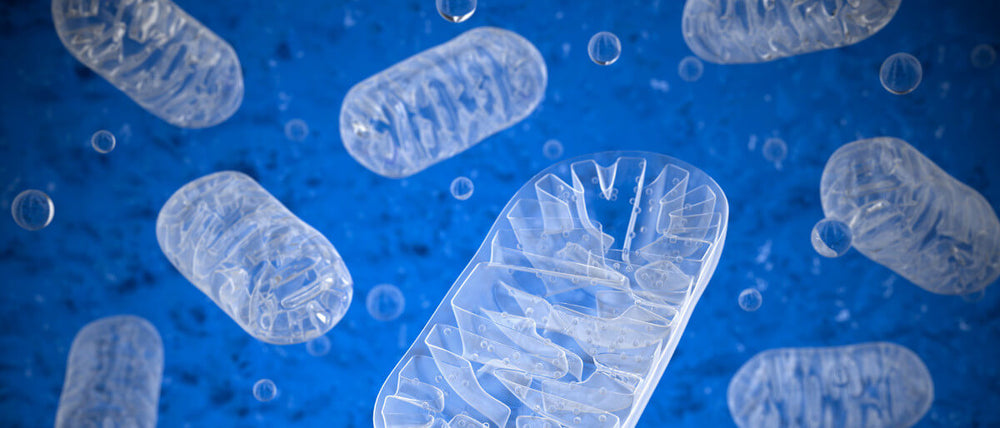
Energy from the sun is harnessed by the body to fuel the mitochondria, the energy factories of our cells. 

This may be why feelings of tiredness, brain fog, and even moodiness may slowly lift when we spend time outside. And perhaps why sleep quality increases when we prioritize morning and evening sunlight. 

For thousands of years, humans have lived in harmony with the sun — even so far as to worship it in some ancient cultures. Moderate sunshine exposure isn’t something to be feared, it’s something to be enjoyed and appreciated. It’s nature’s vitamin and energy booster.

The more we learn to live well with the sunshine, the happier our cells will be.

Rethinking Our Relationship with UV Exposure

Skin cancer and sunburn are two very real health risks associated with UV rays (over-exposure, that is). But these risks don’t mean we should avoid the sunshine entirely. In fact, there are numerous benefits of healthy sun exposure, which may outweigh the risks.

Here are just a few ways you may benefit from a healthy dose of sun:

  • Better mood
  • Stronger bones
  • Lower blood pressure
  • Lower stress
  • Better sleep
  • Weight loss
  • Protection against colds and flu
  • Immune system health
  • Increase vitamin D levels
  • Protection against chronic illness

While excessive UV rays may contribute to dermatological health issues, we’re not so sure sunscreen is much better. The key to harnessing the benefits of the sun without risking your long-term health? Balance. 

The Time and Place for Sunscreen Use

While most of us spend long hours indoors instead of outside in the sun, there are some situations where the opposite is true! Long days of yard work, beach vacations, and outdoor sports put us at risk for sunburn — which is unhealthy for our cells, and can cause premature aging. 

So, how do we find balance? There are healthier sunscreen alternatives available, like mineral-based sunscreen — a product that typically harnesses zinc oxide to protect our skin from extreme exposure (and is safer than toxic chemical sunscreens). 

If you need to use conventional sunscreen for protection, use it minimally, and switch to a mineral-based version when you can. 

How to Protect Your Skin From the Sun Naturally

Sunscreen isn’t the only way to naturally prevent sunburn — and really should be used sparingly. Here are some other ways you can prevent sun damage in everyday life:

  1. Wear lightweight clothes with extra coverage for natural sun protection.
  2. Avoid sunburn by working your way up to moderate sun exposure.
  3. Eat foods that provide sun protection.

1. Wear Lightweight Clothes with Extra Coverage for Natural Sun Protection

Long sleeves and a wide-brim hat can do a lot to protect you against sunburn (while still allowing you to soak up vitamins and benefits from the sun). If you’re attending an afternoon soccer game or having a picnic with friends, this may be an effective way to cover up that doesn’t require toxic sunscreen. Remember to stay hydrated and wear lightweight clothing.

2. Avoid Sunburn by Working Your Way Up to Moderate Sun Exposure

Our bodies are brilliant, and they know how to handle moderate sun exposure, especially if you work your way up to it. Spend time getting light doses of sunshine — preferably during sunrise and sunset. Around 30 minutes a day can get your skin and body used to the sun exposure, and you can gently work your way up to more moderate sun exposure (a few hours a day).

3. Eat Foods That Provide Sun Protection

Yep, there are a variety of foods that can actually help your body protect itself from the sun — from the inside out. Some of these nutrients include polyphenols, vitamins, beta carotene, fatty acids, and antioxidants, which we’ll explore more in-depth next.

6 Vitamins and Foods That Provide Sun Protection

It isn’t a scam — you can actually use a number of foods and vitamins for sun protection. There are a variety of nutrients that can help to build up your tolerance to the sun, curbing sunburn and unwanted symptoms while allowing you to soak up all that healthy vitamin D. 

1. Polyphenols

These are compounds released by plants when they need a little extra protection. For instance, if a plant becomes injured, it may release polyphenols to heal. Want to see polyphenols in action? Cut open an avocado and see how long it takes to turn brown. The browning that occurs is almost like a protective “scab” that forms when the plant is exposed to oxygen. The release of polyphenols in the browning process protects the avocado from bacteria, allowing it to last longer.

Polyphenols actually help to protect plants against UV rays — and there’s evidence they can do the same for humans. When we consume polyphenols we may notice that our skin becomes less sensitive to sun exposure. Most commonly these are found in: 

  • Berries
  • Fruits
  • Wine
  • Nuts and seeds
  • Coffee
  • Olives
  • Beans
  • Dark chocolate

2. Vitamin E and C

As powerful antioxidants, vitamin E and vitamin C are both sun protection vitamins that can work wonders to protect your body against sunburn. Having adequate vitamin E may actually absorb and offset some of the sun’s UV rays, reducing free radicals and cell damage in the body. Foods that may prevent sunburn and are rich in vitamin E include:

  • Almonds
  • Sunflower seeds
  • Pine nuts
  • Salmon
  • Avocado

Vitamin C, applied topically or consumed orally, has been shown to reverse sun damage to the skin while increasing and stabilizing collagen, the structural protein that makes up our skin, ligaments, and other tissues. You can increase your intake of vitamin C by including these foods in your diet:

  • Citrus fruits
  • Leafy green vegetables
  • Cruciferous vegetables
  • Bell peppers

3. Beta Carotene

Maybe some of the most promising foods that provide sun protection are those rich in beta-carotene. This includes many red, yellow, and green fruits and vegetables such as:

  • Carrots
  • Spinach
  • Tomatoes
  • Sweet potatoes
  • Watermelon 

Perhaps this is one reason we crave watermelon for hot summer days. These foods are not only rich in beta-carotene but also offer a range of other beneficial vitamins, minerals, and antioxidants.

In studies, molecules of beta carotene have been shown to directly absorb UV rays, diverting them away from the cell itself. It will take a few weeks of faithful carrot-eating before you really notice the promising effects of beta-carotene as a sunscreen alternative, though.

4. Selenium

We’re convinced — most people are low in selenium. Among its many benefits, selenium has been shown to help maintain cardiovascular and thyroid health, promote a strong immune system, and boost brain health. It can also help protect against UV rays by helping the body produce enzymes needed to repair cellular damage caused by the sun.

Foods rich in selenium include:

  • Brazil nuts
  • Whole grains
  • Egg yolks
  • Certain mushrooms such as shiitake and button

5. Zinc

A common ingredient in mineral-based sunscreens, zinc can be used inside and outside the body to protect against sun damage. Zinc has been studied for its powerful skin benefits before — recommended for patients with rosacea, melasma, and dandruff. Topically, a zinc-based mineral sunscreen may divert excess UV rays. When supplemented internally, zinc works as an antioxidant for cellular regeneration and DNA repair, supporting recovery from sun exposure.

Here are some of the best zinc-rich foods that provide sun protection:

  • Oysters
  • Pumpkin seeds
  • Tofu
  • Leafy greens like spinach
  • Dark chocolate

6. Essential Fatty Acids

Heavy exposure to ultraviolet radiation (UVR) can occur when we are exposed to too much direct sun. In response, blood vessels dilate and increase blood flow, and direct immune cells to the site of the injury. You may notice this inflammation if you touch a red and swollen sunburn and see your skin change color under your fingers.

Fatty acids, particularly omega-3s, can help to cool down this inflammation which makes them useful vitamins for sunburn. According to this recent study, omega-3 fatty acids are being explored as an all-natural sunscreen option due to their vast photoprotective properties. If you’re looking to eat more omega-3, consider adding these to your diet:

Shop the Best Supplement for Sun Protection and Enjoy the Sun More

If you’ve spent your whole life stressing about sun exposure, or you’re shut indoors most days, it can feel intimidating to begin working up your tolerance to mid-day sun exposure. Let us reassure you: your body knows how to adapt, and you can do this safely.

You might just need a little support from vitamins that provide sun protection. 

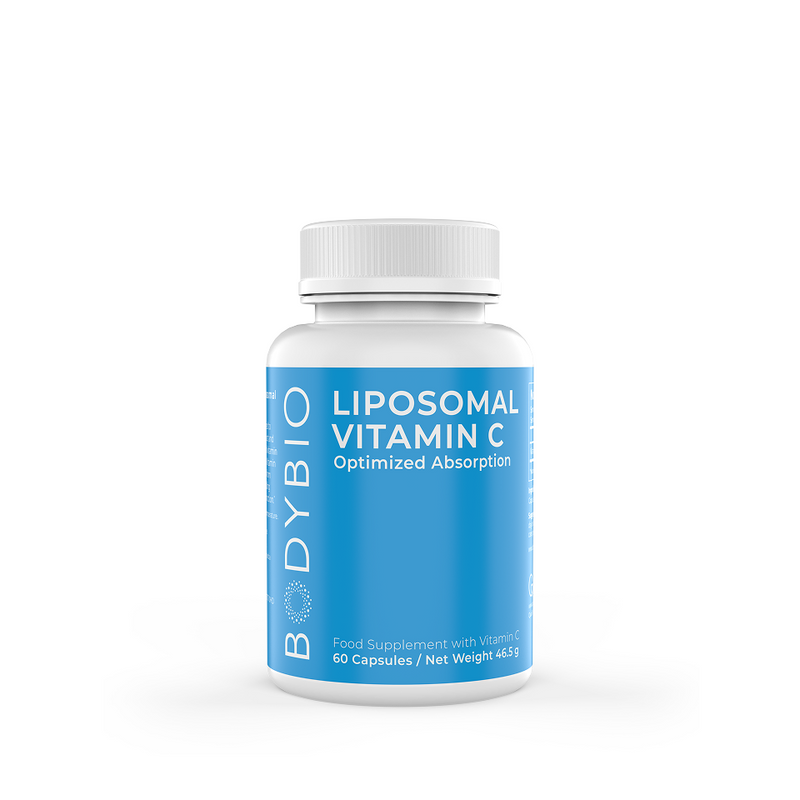
Our Liposomal Vitamin C is not only a powerful immune system booster — but it’s a strong antioxidant, too. Applying vitamin C topically to the skin is an extremely popular method for sun damage repair. Imagine the magic that could happen if you started nourishing your cells from the inside out.

Begin Building Up Your Sun Tolerance with Liposomal Vitamin C

Related Articles

Ashley Palmer | 05.21.2026

Why You Need Both Selenium and Iodine for Thyroid Health

Waking up feeling foggy and exhausted day after day, even if you maintain solid sleep habits and eat well, can often point to a sluggish thyroid. When you’ve done everything you can, but exhaustion still persists despite your best efforts, the root cause often comes down to a lack of foundational nutrients your cells need to produce energy and activate thyroid hormone.

The thyroid gland is the body’s primary metabolic regulator. Most of the time, support for this system begins with adding iodine to your diet. While iodine is absolutely essential, it doesn’t work alone. The thyroid requires a very specific, synchronized relationship between iodine and another crucial trace mineral: selenium.

Selenium and iodine work together as a highly coordinated team for your thyroid and endocrine function. Iodine provides the essential components to build hormones, while selenium protects the delicate cellular environment from the resulting oxidative stress. But if one mineral falls out of balance, the entire system struggles, leading to fatigue and potentially other concerning symptoms. To break this cycle of exhaustion and properly support your metabolism, you have to understand exactly how these two essential nutrients operate inside your cells.

Table of Contents:

  • Understanding the Role of Selenium and Iodine in the Endocrine System

  • How Selenium and Iodine Work Together in the Body

  • Why Taking Iodine Alone Falls Short

  • Signs You May Be Struggling With Mineral Balance

  • Why Mineral Depletion is Common Today

  • Supporting the Body More Effectively

  • How Iodine and Selenium Support Your Overall Cellular Health

  • Building a Resilient Thyroid with Selenium and Iodine

Understanding the Role of Selenium and Iodine in the Endocrine System 

While iodine and selenium ultimately work together in the endocrine system, they enter the body from different sources and serve distinct cellular purposes.

What are Selenium and Iodine? 

Selenium and iodine are essential trace minerals. The body can’t produce them on its own; they must be acquired consistently through diet or supplementation. Iodine can, of course, be found in iodized table salt, dairy products, and eggs, and is naturally abundant in the ocean, making its way into seafood and seaweed as well. Selenium is a soil-based mineral found in Brazil nuts, organ meats, chicken, turkey, pork tenderloin, and specific types of fish and shellfish like yellowfin tuna, halibut, sardines, shrimp, oysters, and lobster.

Both minerals are essential, but they handle completely different tasks. 

  • Iodine provides the actual raw material your body uses to construct thyroid hormones. 

  • Selenium helps protect the thyroid gland from oxidative damage while also supporting the conversion of thyroid hormones into the active form your body uses to regulate energy and metabolism.

Why is iodine important for thyroid health?

The importance of iodine is closely tied to the thyroid gland. While a few other tissues—like the salivary glands and breast tissue—utilize this mineral, the thyroid is by far the body's primary consumer. It acts like a sponge, absorbing the vast majority of the iodine in your body to fuel metabolic hormone production.

What are the benefits of selenium for the thyroid?

While selenium is found throughout the body, the thyroid gland holds the highest concentration of this mineral per gram of tissue. Your body uses selenium to build specialized proteins called selenoproteins. These proteins act as powerful antioxidants that neutralize oxidative stress, regulate your cellular metabolism, and protect delicate tissues from damage.

How Selenium and Iodine Work Together in the Body

Your cells require a precise balance of nutrients to function safely. Iodine provides the necessary components to build thyroid hormones, while selenium provides the antioxidant protection required to prevent oxidative damage to the thyroid gland during this process.

How are thyroid hormones T3 and T4 made?

The thyroid gland’s primary biological role is to produce thyroxine (T4) and triiodothyronine (T3). The body requires iodine to build these hormones. Once inside the thyroid cells, iodine binds to the amino acid tyrosine to form the structures of T4 and T3. Without a steady supply of iodine, hormone production becomes impaired. As a result, the body can’t produce the hormones needed to regulate cellular energy and power cognitive function.

How does selenium protect the thyroid?

The physical process of attaching iodine to tyrosine requires hydrogen peroxide. The thyroid naturally generates hydrogen peroxide to drive hormone production. Because hydrogen peroxide is a highly reactive molecule, leaving it unchecked can create significant oxidative stress that damages thyroid cells.

Selenium helps the body build specific proteins that neutralize this excess hydrogen peroxide. Acting as a cellular shield, this trace mineral protects the body from oxidative stress and allows the thyroid to safely produce hormones using iodine.

Selenium is also required to produce specialized enzymes responsible for converting the inactive T4 hormone into the metabolically active T3 hormone. Without adequate selenium, the body can't effectively convert or use the thyroid hormones it produces for energy.

Why Taking Iodine Alone Falls Short

Providing iodine and selenium in the correct ratios allows the thyroid to operate efficiently. The gland produces adequate hormones while the cellular environment remains calm and protected. Relying on just one mineral disrupts cellular equilibrium.

Can taking iodine without selenium be harmful?

Taking iodine without adequate selenium places an unnecessary oxidative burden on the thyroid. A high intake of iodine without selenium forces the thyroid to ramp up hydrogen peroxide production to process the iodine. This unchecked oxidative stress damages the thyroid tissue and contributes to inflammatory signaling if an underlying selenium deficiency leaves the cells without their protective shield. 

Supporting the body requires balancing both minerals to maintain a stable, protected environment. Many clinicians recommend improving selenium status before adding an iodine supplement or more iodine-rich foods, particularly in individuals with thyroid concerns.

Signs You May Be Struggling With Mineral Balance

A disruption in mineral balance creates systemic sluggishness and related symptoms. Because thyroid hormones dictate the metabolic rate of every cell, signs of an imbalance affect the entire body.

What are common iodine and selenium deficiency symptoms?

People dealing with an iodine deficiency or insufficient selenium may notice a persistent lack of physical energy or feeling unusually cold in warm environments. Mental fatigue, sluggish digestion, and unexplained changes in hair or skin texture can also be indicators that the cellular metabolism is out of balance.

Why Mineral Depletion is Common Today

Even with an intentional diet, acquiring enough trace minerals can be quite challenging in the modern world, as we are actively fighting against a food system and an environment that drains our mineral reserves much faster than we can replace them.

Why is soil depletion affecting nutrition?

Maintaining optimal mineral levels is increasingly difficult, especially in the United States. Decades of aggressive farming practices have severely depleted the soil of essential trace minerals, and foods that were once reliable sources of these nutrients yield much lower concentrations today.

Environmental toxins like halogens—specifically fluoride, chlorine, and bromide—directly compete with iodine for absorption in the thyroid gland. Chronic psychological stress further depletes the body’s mineral reserves, increasing the demand for antioxidants and placing a heavy burden on the endocrine system.

Why do common thyroid supplements fall short?

People often attempt to address chronic fatigue related to thyroid health by reaching for high-dose supplements or stimulants. This approach treats the body as a collection of isolated parts rather than an interconnected system. Masking fatigue with caffeine overstimulates the adrenal system while ignoring the root cause: a lack of cellular energy. True cellular support requires providing the specific nutritional components the body needs to regulate and repair itself. In this case, that means minerals.

Supporting the Body More Effectively

Filling the gaps left by agricultural depletion and modern stress requires a targeted, highly bioavailable approach. A combination of mineral-rich foods and liquid mineral supplements if needed is usually ideal. Consult with your healthcare practitioner for individualized recommendations.

How to improve thyroid health naturally

Cellular health always begins with lifestyle and nutrition. Supporting your cellular foundation means eating a nutrient-dense diet rich in trace minerals, moving your body, and prioritizing restorative sleep. Managing daily stress is equally important, as chronic cortisol output disrupts thyroid hormone conversion and depletes your metabolic resources.

When diet alone can’t bridge the gap, targeted supplementation provides a reliable way to maintain nutrient levels. For those navigating hormonal imbalances, a high-quality source of selenium is a necessary investment in long-term health. However, iodine supplementation should be handled much more slowly, starting with a low dose and working up to an individual’s ideal dose. 

We always recommend working with a healthcare practitioner to establish your mineral status before starting an iodine protocol, especially if you have existing thyroid concerns.

Using liquid minerals for thyroid health

Liquid mineral formulas are superior for this exact reason. Liquid formulations allow for fast absorption and give you the flexibility to control the dose down to the individual drop. This allows you to start slowly and scale up safely as your physiology adapts. Pairing Liquid Iodine with Liquid Selenium ensures the body has both the components for hormone production and the protective antioxidants required to support a healthy inflammatory response.*

How Iodine and Selenium Support Your Overall Cellular Health

We operate on the principle that “Cellness is Wellness” because true health begins with the smallest units in your body: your cells. The relationship between selenium, iodine, and the thyroid perfectly illustrates this concept. You can’t force the thyroid to work harder without supporting the biological structures that actually do the work.

By ensuring the thyroid cells are protected from oxidative stress, you directly support the structural integrity of cell membranes and the fluid communication between systems. Healthy mitochondria within those cells produce the energy required for every systemic function, from cognitive sharpness to metabolic stability. Protecting the cell benefits the entire system.

Building a Resilient Thyroid with Selenium and Iodine

Understanding the synergy between selenium and iodine changes the way we approach metabolic health. Fatigue and sluggishness are clear signals that your cells require specific nutritional components to function correctly. Equipping your thyroid to produce energy safely requires the right balance of trace minerals. 

Support your cellular foundation with BodyBio Liquid Selenium and BodyBio Liquid Iodine to protect against oxidative stress and optimize your thyroid function.*

Ashley Palmer | 02.05.2026

Selenium for Oxidative Stress: Powerful Cellular Protection (Not Just Thyroid Health)

You're doing everything right — eating well, moving your body, prioritizing sleep… yet that 3 PM energy crash still hits you like clockwork, and your brain feels wrapped in cotton by evening.

Your doctor says it's stress, your friends say it's just getting older. But, what if your fatigue isn't about needing more sleep or better stress management, but about a trace mineral most people have never heard of outside of "thyroid health?”

Selenium deficiency is prevalent in large parts of the United States. Most doctors never test for it, or even know what tests to order. This leaves millions of people exhausted and confused about why they feel terrible when there's actually a simple explanation.

This little-known mineral quietly runs some of your most important cellular processes. When you don't get enough, your cells can't protect themselves from the daily beating they take. The result? Chronic fatigue, brain fog, and an immune system that can't keep up.

The solution isn't another energy drink or stress management app. It's understanding what your cells actually need to function properly. Here’s how selenium protects your cells, why so many people are deficient, and what you can do about it.

Table of Contents:

  • Understanding Selenium and Oxidative Stress

  • How Selenium Works in the Body

  • Signs Your Body Is Asking for More Selenium

  • Why Selenium Deficiency Has Become So Common

  • Simple Ways to Give Your Cells What They Need

  • Your Energy Problems Might Have a Simple Solution

Understanding Selenium and Oxidative Stress

Most people have heard of selenium but couldn't tell you what it actually does beyond "something about thyroid health." That's a problem, because selenium is doing some heavy lifting in your cells every single day.

What Selenium Is and Why Your Body Relies on It

Selenium is a trace mineral your body needs but can't make on its own. You have to get it from food or supplements, and here's where it gets fascinating. Most minerals just help activate your cellular processes, but selenium actually becomes part of specific proteins. Once selenium gets incorporated, these proteins become incredibly good at stopping oxidative damage before it spreads.

Your cells are under attack every single day just from making energy. Without enough selenium, they can't keep up with protecting themselves. That's why selenium deficiency affects everything from your energy to your immune system to how clearly you think.

How Selenium Actually Works

You make about 25 different selenium-containing proteins, each with its own job. The main ones include glutathione peroxidase, which stops dangerous molecules before they damage your cells, and thioredoxin reductase, which fixes proteins that got hit. Then there's selenoprotein P, which carries selenium around your body while also acting as a protector.

When you have enough selenium, everything runs smoothly. Your energy stays steady, your thinking stays clear, and your body handles stress without falling apart. When you don't have enough, things start breaking down. It’s a perfect recipe for 3 PM crashes, brain fog, and catching every bug that goes around.

How Selenium Works in the Body

Selenium doesn't work alone, it coordinates with other systems to keep your cells functioning optimally.

Your Protective Team at Work

Each selenoprotein has a highly specialized function. Together they create one of your body's most sophisticated antioxidant defense systems. They work in coordination to keep your cellular environment clean and safe at the molecular level.

Glutathione peroxidase specializes in neutralizing hydrogen peroxide and damaged fats. When cell membranes get attacked by free radicals, this selenium-dependent enzyme converts these dangerous compounds into harmless water and alcohol. It's particularly concentrated in your red blood cells and liver; two places that see a lot of oxidative action.

Thioredoxin reductase has a different job. It maintains and repairs proteins that have been damaged by oxidative stress. This system works closely with glutathione, your body's master antioxidant, to keep repair mechanisms running smoothly.

Protecting Your Energy Powerhouses

Your mitochondria generate about 90% of your body's energy, but they're also where most cellular damage originates. Since mitochondria are the powerhouse of the cell, think of them as high-performance engines that produce exactly what you need while creating exhaust as a natural byproduct.

Selenium-based enzymes concentrate around your mitochondria to protect them. When they have enough selenium to work with, your mitochondria can focus on clean energy production instead of constantly defending against damage.

This is exactly why people with adequate selenium levels experience more consistent energy throughout the day. Their cellular engines are running smoothly without the constant stress of fighting off damage. Of course, mitochondrial health depends on multiple factors working together, with selenium being one crucial component.

What Happens When Selenium Systems Are Supported vs. Strained

When your selenium-dependent systems have what they need, everything flows smoothly. Oxidative damage gets cleaned up quickly, energy stays consistent throughout the day, and your cells can focus on repair and maintenance. You feel energized, think clearly, and recover from stress without that lingering exhaustion.

When selenium systems are overwhelmed, things start breaking down. Free radicals pile up faster than your body can handle them, your mitochondria struggle to make clean energy, and cellular repair falls behind. This shows up as afternoon crashes, brain fog, frequent illness, and feeling tired even after a good night's sleep.

Signs Your Body Is Asking for More Selenium

Your body talks to you all day long. You just need to know what it's saying. You wake up feeling okay, then by 3 PM you're ready to crawl under your desk. This isn't about willpower or needing more coffee. Your cells are struggling.

Brain fog usually comes along for the ride. You know that feeling when you read the same sentence three times and still don't absorb it? Or when you walk into a room and completely forget why you're there? That's your brain running on fumes.

Your hair and nails might get brittle too, selenium helps build the proteins that keep them strong. None of these side effects and symptoms have to be permanent. Give your cells what they need, and these symptoms often start improving gradually.

Why Selenium Deficiency Has Become So Common

If selenium is so important, why are so many people deficient? It's not about poor diet choices or lack of willpower. It's about living in a world that's actively working against your cellular health.

Our World Has Changed Faster Than Our Bodies

Modern life attacks your cells constantly. Polluted air, processed foods stripped of nutrients, and chronic stress all create more work for your protective systems than previous generations ever faced.

The selenium in your food depends entirely on where it was grown. Large portions of the United States have naturally low selenium in the soil; the Pacific Northwest, Great Lakes region, Northeast, and parts of the Southeast. Even a perfect diet won't provide optimal levels if you live in these areas.

Most people try to fix fatigue with more caffeine, better sleep hygiene, or stress management apps. These might help temporarily, but they're treating symptoms while ignoring the actual problem.

Simple Ways to Give Your Cells What They Need

Getting enough selenium doesn't have to be complicated. Most people can address this with smart food choices, and targeted supplementation can fill any gaps.

Brazil nuts are selenium powerhouses, just two or three nuts provide most people's daily selenium requirements. They vary dramatically in selenium content, and eating too many on a regular basis can push you into excess territory.

Wild-caught seafood provides predictable selenium levels. Salmon, sardines, tuna, and shellfish all contain easily absorbed selenium forms. If you're eating fish twice a week, you're probably meeting your selenium needs from food alone.

Plant foods are trickier. Garlic, mushrooms, and grains can be great selenium sources if they grew in selenium-rich soil.

Targeted Support (When Appropriate)

For most people, especially those in selenium-poor regions, a modest selenium supplement provides consistent levels that food alone can't match. 

Quality supplements contain either selenomethionine or sodium selenate. Both work well when used appropriately. The RDA for selenium is 55 micrograms daily for adults, though many people benefit from 100-200 micrograms from all sources combined.

Don't exceed 400 micrograms daily from supplements. There’s no need to overdo it on selenium. Selenium toxicity can cause hair loss, nail brittleness, and neurological symptoms. The goal isn't to megadose; it's to give your cells what they need to protect themselves properly.

Your Energy Problems Might Have a Simple Solution

The real reason behind your afternoon crashes and mental fog might not be stress, poor sleep, or just getting older. It could be something much simpler: you're not getting enough selenium. If you can get selenium-rich foods consistently, start there. If you live somewhere with poor soil or can't rely on food alone, a modest supplement can bridge the gap.

Be patient with the process. Your cells have been running low for potentially months or years. Give them time to rebuild their protective systems. Some people notice energy improvements within weeks, others see gradual changes over a few months.*

Support Your Body's Natural Cellular Defense System with BodyBio Liquid Selenium.*