



This background video contains only decorative imagery and does not convey meaningful information.

Featured Article
The Lipid Membrane: The Unsung Hero of Cellular Health
The cell membrane, a lipid bilayer just a few nanometers thick, plays a critical role in cellular function by regulating nutrient transport, immune signaling, and maintaining overall cell integrity. Essential fatty acids, like omega-3 and omega-6, are crucial for maintaining membrane fluidity and functionality, which supports energy production, cellular communication, and resistance to degenerative disease.

Why Cellular Health Matters for Picky Eating in Neurodivergent Children
If you've ever sat across from a child who will only eat five foods—and watched their parents' exhaustion and guilt—you know this isn't just a phase. As a functional registered dietitian who works primarily with Spanish-speaking families raising children on the autism spectrum, I see this every single week. And what I've come to understand, both clinically and through the science, is that extreme food selectivity in neurodivergent children may be influenced by what’s happening beneath the surface, including at the cellular level.
Table of Contents:
-
The Body Before the Behavior
-
How Mitochondrial Dysfunction Leads to Overwhelmed Children
-
The Gut-Brain Connection We Can’t Ignore
-
The Real Nutritional Cost of a Five-Food Diet
-
Where Cell Membrane Health Fits In
-
A Whole-Body, Whole-Family Approach
The Body Before the Behavior
When a child with autism refuses most foods, the conventional response is behavioral therapy. And while therapeutic support absolutely has its place, functional nutrition approaches food aversion from a different angle. We want to know what is happening inside the body that makes eating so overwhelming. What's the root cause of this food refusal?
A 2025 study by Mora et al., published in Children (Basel), examined food selectivity and sensory profiles in children with ASD in Chile. They found that food selectivity is strongly associated with sensory hypersensitivity—particularly in the oral, social-emotional, and somatic domains. Textured foods were a barrier for 78% of children, and colorful foods for 53%. But here's the science we want to break down: sensory processing is both neurological and cellular.
How Mitochondrial Dysfunction Leads to Overwhelmed Children
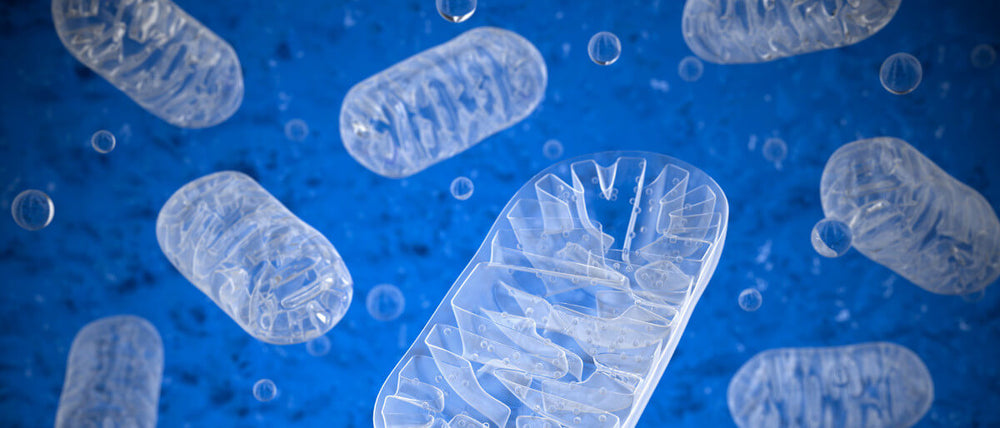
Mitochondria are the energy producers of every cell in the body—including neurons. When mitochondrial function is compromised, the nervous system lacks the fuel it needs to regulate sensory input. The brain is easily overwhelmed, so food (texture, smell, taste, and color) becomes a trigger for big emotions.
One study analyzed data from hundreds of children and found that mitochondrial dysfunction is up to 500 times higher in ASD patients. More recently, a 2024 systematic review and meta-analysis found that mitochondrial biomarker abnormalities—including elevated lactate and pyruvate—are present across a broad spectrum of children with ASD, not just those with a formal mitochondrial disease diagnosis.
This matters for how we think about (and treat) picky eating. A child who is mitochondrially stressed is a child whose entire nervous system is running on low battery—and food, with all its sensory demands, becomes one more input the system cannot handle.
The Gut–Brain Connection We Can't Ignore
Unfortunately, food sensitivity may worsen mitochondrial function. Highly restricted diets eventually lead to lower gut microbial diversity, which can create a snowball effect.
Recent autism research found that 55% of these children with autism also had gastrointestinal symptoms and gut dysbiosis. According to the study, interventions targeting the gut microbiota produced measurable improvements in both GI and behavioral outcomes. This is consistent with research suggesting the gut and brain are in ongoing communication.
Another large human study found that the restricted dietary preferences characteristic of ASD directly reduce microbial diversity. The selectivity feeds the dysbiosis, and the dysbiosis feeds the selectivity. It becomes a self-reinforcing cycle that shows up at meal times.
Gut dysbiosis in ASD is also associated with increased intestinal permeability—commonly referred to as "leaky gut"—which allows inflammatory signals to reach the brain, potentially exacerbating both sensory and behavioral symptoms.
The Real Nutritional Cost of a Five-Food Diet
The downstream consequences of extreme food selectivity are significant. In 2023, scientists documented cases of scurvy re-emerging in children with ASD whose diets are so restricted that vitamin C intake falls to critically low levels. This is a signal of how deep the nutritional gaps can go.
When essential fatty acids, phospholipids, and key micronutrients are chronically insufficient, cell membrane integrity suffers. And when cell membranes are compromised, mitochondrial function declines further—closing the loop on a cycle that begins at the table and reverberates throughout the body.
Where Cell Membrane Health Fits In
This is where we bring phospholipids into the conversation.
Phosphatidylcholine (PC) is the most abundant phospholipid in mammalian cell membranes, and research shows that the PC-to-phosphatidylethanolamine ratio in mitochondrial membranes plays a direct role in energy production. When this ratio is off, cellular energy output is affected.
Additionally, long-chain polyunsaturated fatty acids like DHA are critical for neurodevelopment. One study found that reduced bioavailability of n-3 PUFAs during development is linked to neurodevelopmental conditions including ASD and ADHD.
In my practice, supporting cell membrane integrity is one of the foundational steps I take with neurodivergent children. BodyBio PC is one of the tools I reach for in this context—it provides a concentrated source of phosphatidylcholine that may help support membrane structure, mitochondrial function, and the body's natural detoxification processes. I use it as part of a broader, individualized lifestyle and nutrition protocol, always alongside dietary changes and gut support.
BodyBio Balance Oil is the other foundational product in my basic protocol, providing omega-6 and omega-3 fatty acids in a targeted ratio. Balance Oil can be easily incorporated into familiar foods or drinks. For a child who already enjoys a chocolate protein shake or smoothie, adding Balance Oil to that familiar food can be a practical way to introduce essential fatty acids without creating another major sensory hurdle.
Don’t Overlook Mineral Balance
Another important piece of the picky-eating puzzle is mineral balance. When a child’s diet becomes highly restricted, we often focus on calories, protein, and vitamins—but minerals can be just as important, particularly when it comes to taste, texture, and nervous system regulation.
Zinc is one mineral I pay particular attention to. Inadequate zinc intake or status can affect taste perception and appetite, which may make food acceptance even more difficult for a child who is already sensitive to certain flavors and textures.
Magnesium, potassium, and other minerals and electrolytes are also important because of their roles in normal nervous system and cellular function. In my clinical experience, addressing mineral intake can be an important foundational step for children eating a very limited range of foods.
For families who need broader mineral support, BodyBio ReMineralize is one option I use in practice. With particularly sensitive children, I prefer to introduce mineral support gradually rather than starting with a full serving. For example, I may begin with just 1–2 drops of ReMineralize in a glass of filtered water two to three times per day and gradually increase the amount based on the child’s individual needs and tolerance.
A Whole-Body, Whole-Family Approach
The families I work with are navigating a complex diagnosis in a healthcare system that often doesn't speak their language, and they need more than an approved food list. They need a framework that makes sense of why their child eats the way they do and gives them concrete, culturally relevant steps that target the root cause.
That framework starts by recognizing that picky eating in neurodivergent children doesn't always come down to willpower, parenting failures, or behavioral quirks. Instead, the mitochondria, gut, and cell membranes may be signaling that the body needs foundational care.
In my clinical experience, when nutrient gaps are addressed as part of a broader plan, some families report more flexibility around new foods over time. Children who once refused entire food groups begin to engage with new textures. Mealtimes become less of a battleground. Parents begin to breathe again.
But getting there doesn't require changing everything at once. The goal isn't to overwhelm a child—or their parents—with a long list of supplements. It is to identify nutritional gaps, introduce support gradually, and work within the child's existing sensory comfort zone. Minerals, essential fatty acids, phospholipids, gut health, and overall nutrient adequacy are all pieces of the same larger picture.
For parents, this can also mean shifting the question from “How do I get my child to eat this food?” to “What might be making this food so difficult for my child in the first place?” When we start there, we can support the child from the inside out while continuing to work toward a more varied and nourishing diet.
That's the power of starting at the cell.

What Is Terrain Theory? A Smarter Way to Think About Detoxification and Whole Body Resilience
What if detox isn’t really about the toxin?
When we think about detoxification, we tend to focus on what we want to get rid of: mold toxins, heavy metals, environmental chemicals, unwanted microbes, or other compounds that may be putting stress on the body.
But there’s another way to think about detox. Instead of asking only, “How do I remove this unwanted thing?” terrain theory asks, “What is happening within the body that allows this stressor to have such an impact in the first place?”
Your body’s “terrain” includes the health and function of your cells, gut, liver, immune system, nervous system, and other interconnected systems. Supporting that terrain doesn’t mean toxins and infections don’t matter. It means building a body that’s better equipped to respond to them, process them, and recover from them.
For anyone thinking about detoxification as a lifelong process rather than a temporary cleanse, that’s an important shift.
Table of Contents:
-
What Is Terrain Theory?
-
Terrain Theory vs. Germ Theory: Do You Have to Choose?
-
Why Terrain Matters for Chronic Health Challenges
-
What Does Your “Terrain” Actually Include?
-
Terrain Theory and Detoxification
-
Why Cellular Health Is the Foundation of Your Terrain
-
How to Build a Healthier Terrain for Lifelong Detox
-
Build the Body Before You Push Detox
What Is Terrain Theory?
Terrain theory is the idea that the internal environment of the body—or its biological “terrain”—plays an important role in determining how we respond to stressors. Rather than focusing exclusively on the presence of a toxin, pathogen, or other unwanted substance, it considers the condition of the person exposed to it.
Think of a garden. If weeds or pests appear, you can remove them, but if the soil is depleted, drainage is poor, and the plants aren’t getting the nutrients they need, simply eliminating the pest doesn’t necessarily create a healthy garden.
Your body is obviously much more complicated than a garden, but the analogy helps explain the terrain approach. Removing a harmful exposure can be important, but so is creating the physiological conditions that allow your cells and organ systems to function as they should.
Today, we know that susceptibility to illness is influenced by many personal factors, including genetics, nutrition, immune function, microbiome composition, age, environment, and previous exposures. That gives us a much more nuanced way to think about “terrain” and how it contributes to health and illness.
Terrain Theory vs. Germ Theory: Do You Have to Choose?
Terrain theory is sometimes positioned online as the opposite of germ theory, but that creates a false choice. We have long since established that bacteria, viruses, fungi, parasites, and other pathogens can cause disease.
At the same time, exposure to a microorganism does not always produce the same outcome in every person. Factors such as immune status, genetics, nutrition, microbiome composition, environment, and previous exposures can influence susceptibility and the severity of illness. We’re now learning that previous trauma and history of mental health challenges can also contribute to increased risk of infections and immune dysfunction.
The same broader principle can be useful when thinking about environmental exposures. The toxin matters, but so do the body’s defenses, cellular stress responses, nutrient availability, and ability to process and eliminate compounds.
So the goal isn’t to choose between addressing the stressor and supporting the terrain. In many cases, the smarter approach is to do both.
Why Terrain Matters for Chronic Health Challenges
This distinction becomes especially relevant when health problems are chronic or complex. If you’re continually moving from one toxin, infection, or potential trigger to the next without supporting the systems responsible for resilience and recovery, you may be missing part of the picture.
Imagine identifying a significant environmental exposure, such as mold, and removing it. That can be an essential first step, but what if the person also has poor gut barrier function, inadequate nutrition, sluggish bile flow, high levels of oxidative stress, or cells struggling to meet their energy demands?
Removing or reducing the exposure addresses one part of the problem. Supporting the terrain asks what the body needs to recover and function more effectively afterward.
This is also why terrain-focused care shouldn’t be interpreted as a treatment for chronic illness on its own. Persistent symptoms, suspected infections, toxic exposures, or chronic disease warrant appropriate medical evaluation. Terrain support is about building a stronger physiological foundation alongside the targeted care you need.
What Does Your “Terrain” Actually Include?
Your terrain isn’t just one organ or pathway. It’s the network of systems that determines how effectively your body responds to everyday inputs, from food and microbes to hormones, stress, medications, and environmental exposures.
Some of the biggest players include:
-
Your gut: The intestinal barrier, digestive tract, and microbiome help determine what gets absorbed, what stays out, and what ultimately leaves the body.
-
Your liver and bile: The liver transforms many endogenous and exogenous compounds, while bile provides an important transporter from the liver into the digestive tract.
-
Your kidneys and lymphatic system: The kidneys filter the blood and excrete water-soluble waste through urine, while the lymphatic system helps maintain fluid balance and transport cellular and immune materials throughout the body.
-
Your nervous system: Chronic physiological stress can affect digestion, motility, immune signaling, sleep, and other processes involved in whole-body resilience.
-
Your nutrient status: Detoxification reactions, antioxidant defenses, cellular repair, and energy production all require adequate nutritional building blocks.
-
Your cells and cell membranes: Every organ above is made of cells. Their membranes regulate the movement of substances into and out of cells while supporting communication, signaling, and normal cellular function.
These systems are also constantly communicating. The gut-liver axis, for example, is a two-way relationship in which intestinal barrier integrity, the microbiome, bile acids, and liver function all influence one another.
This interconnectedness between multiple systems is exactly why supporting your terrain means looking beyond any single “detox organ.”
Terrain Theory and Detoxification
Detox isn’t a singular event. It’s something your body does 24/7.
The word “detox” has become synonymous with juice cleanses, restrictive diets, binders, and aggressive short-term protocols. But biological detoxification is happening all the time without you needing to think about it.
Your cells have built-in defense systems that respond to oxidative and chemical stress. One example is the Nrf2 pathway, which regulates the expression of numerous genes involved in antioxidant and cellular defense responses.
Your liver also continually transforms compounds so they can be used, recycled, or prepared for elimination. The kidneys filter the blood, the digestive tract eliminates waste, and bile creates an important connection between liver processing and intestinal elimination.
This is where the terrain approach can change the detox conversation. Instead of only asking what supplement will “pull out” a particular toxin, you can also ask whether your body has the nutritional resources, cellular energy, healthy membranes, liver function, gut integrity, and elimination capacity necessary to handle what’s being processed.
It’s a shift from forcing detox to supporting your detox capacity.
Why Cellular Health Is the Foundation of Your Terrain
Detox Starts Before the Liver
When we talk about detox, the liver tends to get all the attention. And for good reason: it’s one of the primary organs responsible for transforming and processing compounds in the body.
But your liver is still made of cells. So are your kidneys, intestines, brain, immune system, and every other organ involved in keeping your internal environment balanced.
At the most foundational level, health depends on how well those cells function. The cell membrane acts as the interface between the inside of the cell and everything around it, helping regulate what enters and leaves while facilitating communication between cells.
Phospholipids are major structural components of these membranes, while essential fatty acids help influence membrane properties and serve as precursors for important signaling molecules. Inside the cell, mitochondria generate the energy required to power countless processes involved in maintenance, repair, metabolism, and adaptation.
Cells also have their own antioxidant and defense systems for responding to environmental and metabolic stress. These cellular mechanisms are part of the first layer of your “terrain”—long before an unwanted compound reaches its final route of elimination.
Supporting cellular health, then, isn’t separate from supporting detoxification. It helps build the biological infrastructure that your liver, gut, kidneys, immune system, and other systems rely on every day.
How to Build a Healthier Terrain for Lifelong Detox
Support Capacity Before Chasing Individual Toxins
A terrain-based approach changes the question from “What should I detox?” to “What does my body need to carry out its normal detoxification processes effectively?”
That starts with the basics: eating enough protein and nutrient-dense whole foods, consuming essential fats, staying hydrated, replenishing minerals, moving regularly, sleeping well, managing chronic stress, and supporting regular bowel movements. These may not sound as exciting as the latest detox protocol, but they provide the raw materials and conditions your biology depends on.
From there, you can think more specifically about cellular nutrition, gut barrier integrity, microbiome health, liver function, and healthy bile production and flow. Bile is particularly interesting because it sits at the intersection of the gut and liver, functioning not only in fat digestion but also as part of a complex signaling network involved in intestinal barrier integrity, metabolism, and microbial interactions.
Reducing ongoing exposure matters, too. No amount of terrain support makes us completely invulnerable to harmful substances or pathogens.
The goal is resilience. You want to give your cells and organ systems the resources they need to respond to normal stress, maintain homeostasis, and carry out the processes your body already uses to protect itself.
That’s a very different mindset from trying to detox harder and harder to “fix” something broken.
Build the Body Before You Push Detox
Detoxification isn’t simply about identifying everything you want to remove. It’s also about supporting the body responsible for doing the job.
Your cells, gut, liver, nervous system, nutrient status, immune system, and elimination pathways create an interconnected biological terrain. When those foundations are supported, you’re giving your body the resources it needs to carry out normal detoxification every day.
That’s what makes the terrain perspective so useful. Instead of moving endlessly from one toxin, pathogen, binder, or cleanse to the next, it brings the focus back to strengthening the systems that support resilience in the first place.
Because the ultimate goal isn’t simply to “detox” once and move on. It’s to build a body that’s better equipped to handle the exposures and stressors of everyday life, day after day.

How to Detox Without Binders: The Cell Detox Protocol Explained
If the word “detox” gives you flashbacks to activated-charcoal-induced mood swings, energy crashes, and brain fog, then we’ve got happy news… You may be able to clear the toxins without blocking off your calendar for a week of “bed rotting.”
Detox has become a major focus in the holistic wellness space, particularly for people worried about mold exposure, heavy metals, environmental chemicals, and other potential sources of toxicant exposure. It’s also discussed in connection with complex chronic conditions, including Lyme disease, Candida overgrowth, and parasitic infections.
While binders and harsh detoxes are the go-tos for these illnesses, we rarely see them bring the body back into full balance. After all, binders aren’t selective in what they flush and often carry fat-soluble vitamins and nutrients—as well as toxins—out of the body.
Our founder, Ed Kane, has a different approach to detox. In his research, he found a pattern: When you rebuild the cell, the body responds by restoring detox pathways on its own. Let’s unpack the step-by-step of how it works…
Table of Contents
Wait, Isn’t the Liver in Charge of Detox?
Yes, the liver is in charge of turning toxins into waste. The problem is that modern people are exposed to an unprecedented number of toxins, making it hard for the liver to keep up. Heavy metals, biotoxins (like mold), pesticides, forever chemicals, microplastics, and antifungals are just a few things our bodies are exposed to daily.
So picture this: The liver is bogged down with toxins, and it’s also not getting enough nutrients to function optimally. Studies show an “alarming decline” in the nutritional quality of foods due to selective breeding and depleted soil. That means the liver likely cannot handle this influx of toxins without a little outside support.
Traditional Detox vs. Cell Detox Protocol: What’s the Difference?
Traditional detoxes use binders (activated charcoal, fulvic acid, bentonite clay, psyllium husk, or citrus pectin) to bind toxins in the digestive tract, including those the liver has already sent out in bile, so they leave in stool instead of being reabsorbed. On the other hand, a cell detox floods the body with the nutrients needed to build healthy cells and cell membranes. Instead of hijacking the detox process, it gives your body the building blocks to restore its own detox pathways.
The Science That Made Us Give Cell Detox a Second Glance
Here’s the pattern our founder, Ed Kane, noticed in environmentally sick people: When the cell membrane is damaged, toxins stay trapped inside the cells and body. That’s because the membrane is the cell’s transportation system—moving toxins out and nutrients in.
When the cell membrane is stuck, the detox pathways (e.g., the liver) stall too, and typical detox methods run in error mode—stripping the body of nutrients without getting to the root of the issue.
Ed Kane started studying phospholipids—the nutrients that build the cell membrane back up—as a healthier alternative to traditional detox. He then advanced his work into bile flow, gut integrity, minerals, and antioxidants for a whole-body approach to re-balance the cells after toxin exposure. His findings are documented in The Detoxx Book, and all our supplements center on this breakthrough science.
How the Cell Detox Protocol Works
Here’s something all the detox pathways have in common: cells. Our cell detox protocol is a four-step process: rebuild the cell, open the exits, protect the gut, and replenish nutrients—and watch the body rebalance on its own.
Start by Rebuilding Cell Membranes
The cell membrane is often called “the brain of the cell.” It’s the command center that brings nutrients in, flushes toxins out, and keeps the cells talking to each other. These foundations make detox easy for the body to do without outside help.
Since phospholipids are major structural components of cell membranes, we start by supplying the body with phospholipids that can support membrane structure and function. Healthy cell membranes help regulate what enters and leaves the cell, including nutrients and metabolic waste. Supporting membrane integrity may also help cells use the nutrients provided later in the process.
We add in a careful balance of fatty acids, too. Fatty acids make up the tail of the phospholipids that build the cell membrane. They also help calm the inflammatory response (which revs up when the liver is overloaded).
Step 1: BodyBio PC and Balance Oil
Open the Detox Pathways
Now that we’ve supported cell structure, the next step is to support the liver and keep bile flowing properly. Bile is produced by the liver and carries certain waste products and compounds processed by the liver into the intestines, where they can be eliminated in the stool. When bile production or flow is impaired, these substances may not be eliminated as efficiently, and some may be reabsorbed through the intestines and returned to circulation.
A supplement like TUDCA (a bile acid) stimulates liver cells to make more bile and thin out thick bile that’s sluggishly moving through the liver. Essentially, it hits the “reset” button on liver function.* Taking it regularly can support insulin sensitivity, hormone balance, and keep toxins from recirculating.*
We also add in liposomal glutathione to help toxins exit the body. This is the master antioxidant in charge of detox—and it does something called conjugation, where it attaches to toxins and makes them more water soluble (i.e., easier for the liver to flush).
Glutathione isn’t just a good thing for detox, though. Research suggests that people with mycotoxin exposure are at a higher risk for chronic glutathione depletion, which could lead to free radical buildup and make it harder for them to get well. If you want the nerdy version, here’s what the study says: “Mycotoxins can decrease the formation of glutathione due to decreased gene expression of the enzymes needed to form glutathione. Mycotoxin-related compromise of glutathione production can result in an excess of oxidative stress that leads to tissue damage and systemic illness.”
Step 2: TUDCA and Liposomal Glutathione
Protect What Happens in the Gut
Now we turn our attention to the gut lining, where toxins might be circulating (or recirculating). Essentially, we want to create a clear pathway for toxins to exit the body—moving from the cells and gut to the liver and out through stool.
When leaky gut is in the equation, we risk toxins seeping through the small intestine before they make it to the liver. That’s why we recommend a supplement like Butyrate, which focuses on gut lining permeability.* It’s a short-chain fatty acid that your gut bacteria naturally produce when they ferment fiber. But people with chronic toxin exposure may struggle to produce butyrate, especially if digesting fiber is difficult.
Step 3: Butyrate
Restore Balance and Guard Against Future Toxins
Stress (both physical and mental) combined with nutrient-depleted food and water means trace minerals are likely not as prevalent in our cells as we might think. These electrically charged micronutrients are involved in many physiological processes—pumping ions across cell membranes, activating enzymes, and keeping our energy stores high. Essentially, they help our cells function at full capacity and keep our bodies resilient against future toxin exposure.* We include these last in the cell detox protocol as a quick energy boost and protective measure.*
Step 4: Ionic Trace Minerals
The Whole Cell Detox Protocol in One Place
Introducing the clinical-grade, membrane-based formula that gently flushes toxins without setting your health back.* Get nearly 30 years of leading cell science and detox research in one click—designed to gently return the body to balance cell by cell, without die-off symptoms.*
Shop the Whole System: The Cell Detox Protocol
Frequently Asked Questions About Cell Detox
What Is a Detox?
A detox is an intentional process designed to remove toxins from the body using supplements or biohacking tools. Since an overload of toxins can clog our natural detox pathways (the liver, for example), a detox protocol is designed to work alongside the body to get it fully functional again.*
How to Detox Your Lymphatic System Naturally
If you feel puffy or notice swollen lymph nodes, you may need a lymphatic system detox. Start with our cell detox protocol and add in extra measures, like lymphatic massage, rebounding, and dry brushing.
What Are the Signs and Symptoms of Detox?
Aggressive detox protocols can sometimes bring on temporary symptoms often referred to as “die-off,” such as low energy, irritability, headache, achiness, or a flare of your usual symptoms. Binders are often added to capture unwanted compounds in the digestive tract and support their elimination, but they can come with trade-offs.
Some may also bind nutrients, minerals, and medications, and may contribute to constipation. Our approach focuses on supporting cellular health and the body’s natural detoxification and elimination processes rather than relying primarily on aggressive mobilization and binding.*
Why Do a Cell Detox Instead of a Liver Detox?
We technically do target the liver with our cell detox, but the protocol is more holistic. We focus on the cells to get to the root of why your body is holding onto toxins (and not holding onto nutrients). Then we support healthy liver function and help replenish essential nutrients.*

Cellular Detox vs. Cleanse: What Is the Difference?
Have you ever stood in the supplement aisle, staring at rows of boxes promising a fresh start? One box says “7-Day Cleanse,” and the next says “Full Body Detox.” They all sound like the exact same thing. We see these words tossed around social media and celebrity magazines, often used interchangeably. But when it comes to what actually works to support your body for the long term, these two ideas are completely different.
In this blog, we’ll explain the core differences between a body detox and a cleanse program. We’ll explore why fast cleanses often backfire, how your elimination pathways actually work, and why supporting the health of your cell membrane is the best and safest path to natural detoxification.
Table of Contents:
-
Understanding Detox vs. Cleanse Programs
-
The Dangers of Harsh Cleanses
-
How Natural Detoxification Actually Works
-
Signs Your Body is Struggling with Toxic Burden
-
How to Support Liver Detox and Cellular Health
-
Rebuilding Your Cellular Foundation
Understanding Detox vs. Cleanse Programs
To properly support your body, we first need to clear up the confusing terminology. While both concepts aim to make you feel better, they take completely different approaches to getting there.
The Core Differences Between a Body Detox and a Cleanse Program
When you look at a cellular detox vs. a cleanse, the main difference is the timeline and the target. A cleanse is often a short-term diet, like a three-day juice fast or a soup cleanse, designed to flush the digestive tract and give your stomach a reset.
A detox, however, is not a short-term event. Natural detoxification is a systemic, 24/7 biological process. In fact, your body is constantly working to identify, neutralize, and remove waste through your liver, kidneys, and gut. Rather than forcing a rapid flush of the system, a safe and natural body detox focuses on supporting the organs and cells that do this heavy lifting every single day.
Detox vs. Colon Cleanse and Detox vs. Cleanse Tea
You’ve probably also seen specific products like a colon cleanse or a detox tea. A colon cleanse forces waste out of the large intestine quickly, often using laxatives to do so. A detox tea usually relies on herbs that make you lose water weight fast, also having a laxative effect.
Neither of these approaches removes toxins at a cellular level. They just create a temporary physical flush that often leaves you feeling dehydrated and depleted.
The Dangers of Harsh Cleanses
Doctors and health experts disagree on many things, but they generally agree that extreme fad cleanses are a bad idea. So, why are they so commonly pushed by social media influencers and celebrity doctors? Well, the promise is enticing. “Just do this 3-day cleanse, and you’ll feel loads better and lose five pounds.” But these popular methods fail more often than they work.
Why the Gut Flush Doesn’t Work Long-Term
Your body is smart. When you drastically cut calories or force elimination using harsh binders and laxatives, you put your body under immense stress. They may work to help you shed a few pounds of water weight. Overall though, these harsh cleanses often strip your gut of good bacteria and drain your energy reserves.
What is Herxing?
If you push your body to detox too quickly, you might experience a Herxheimer reaction, also known as “herxing.” This happens when toxins are pulled into the bloodstream faster than your liver and kidneys can clear them out. IInstead of feeling refreshed, you end up feeling achy, fatigued, and sick. But you don’t have to feel this way to support your body’s detox pathways. This is why gentler, foundational support is always better than an aggressive cleanse.
How Natural Detoxification Actually Works
If cleanses are out, how does the body actually get rid of environmental toxins and heavy metals? It requires a team effort across several major systems.
The Role of Your Elimination Pathways
When you look at a liver detox vs. a liver cleanse, the goal of true detox is to support the liver’s natural ability to filter blood. The liver breaks down harmful chemicals and packages them into bile. That bile flows into the digestive tract. Here, a strong gut barrier ensures the toxins are safely carried out of the body rather than leaking back into the bloodstream. A cleanse, especially without preparing your elimination pathways, is likely to just recirculate toxins that your body couldn’t eliminate.
Why Cell Membrane Health is the Missing Link
True detoxification doesn’t start in the liver. It starts in the cell. This is the fact that most popular cleanse and detox products completely skip over, and why you need to understand the importance of the cell membrane to stay confident and prepared for deeper levels of detox.
Your cells are surrounded by a protective layer called the lipid bilayer. If your cell membrane is rigid and stiff from a lack of phospholipids and healthy fats, plus fatigue or chronic stress, toxins get trapped inside your cells. They can’t get out, and nutrients can’t get in.
If you don’t have proper cell membrane fluidity, your liver never even gets the chance to process that trapped waste. Which is why you have to build the strength of the cell first.
Signs Your Body is Struggling with Toxic Burden
Even though your body detoxifies naturally, modern stressors like processed foods, pollution, and chronic stress and fatigue can easily bog down your elimination pathways.
When your natural detox systems are overwhelmed, your cellular resilience drops. If you aren’t sure if your pathways are bogged down, looking out for common liver detox signs can help you understand when your body needs more support.
You might notice signs of a high toxic burden, including:
-
Stubborn fatigue that doesn’t improve with sleep
-
Brain fog and difficulty concentrating
-
Skin breakouts, rashes, or dullness
-
Sluggish digestion and bloating
-
Sensitivity to strong smells or certain foods
How to Support Liver Detox and Cellular Health
Instead of searching for a quick cleanse, the best approach is to give your body the exact nutrients it needs to handle its toxic burden safely.
Supporting Detox Pathways from the Cell Out
If you are wondering how to support liver detox safely, the answer is to work gently with your body’s natural systems rather than forcing them.
This means focusing on:
-
Cell Membrane Fluidity: Providing your body with the right phospholipids, like those found in BodyBio PC, along with a balanced ratio of essential fats from Balance Oil. This ensures your cell membranes are flexible enough to release trapped toxins.*
-
Healthy Bile Flow: Your liver needs support to keep bile moving smoothly so toxins can be carried away. Using TUDCA helps promote healthy bile flow. This is why many people even take TUDCA before a sauna to maximize their natural detox pathways.*
-
Antioxidant Defense: Antioxidants help neutralize the damage caused by heavy metals and environmental toxins. Providing your body with Liposomal Glutathione fuels this defense system, and using ReMineralize restores the trace minerals needed for cellular charge and deep hydration.*
-
Gut Barrier Integrity: A strong gut lining ensures toxins are eliminated in your stool rather than reabsorbed into your body. Supporting this barrier with Butyrate protects your digestive tract during the detox process.*
Where Can I Find High Quality Detox Supplements for Liver Support?
If you’re looking for products that actually support this complex process, you want to avoid aggressive binders or laxative teas. Instead, look for science-backed supplements that provide structural cellular repair and rebuild the cell membrane from the inside out. At BodyBio, we’ve provided high-quality cellular health and detox supplements to practitioners and health explorers alike for over 25 years.
Rebuilding Your Cellular Foundation
Most detox programs push your body. But the smartest way to detox is to restore it first. The science behind cellular health supplements shows that we can’t effectively remove toxins if our elimination pathways are already struggling.
Repairing the cell first is the missing link in detox protocols that actually work. When your cells are strong, everything else follows. By avoiding the dangers of harsh cleanses and focusing on your cell membrane health, you allow your body to naturally process and eliminate waste without the painful crashes.
Prepare your body, rebuild your cellular structure, and give your liver and gut the gentle support they need to thrive with the new BodyBio Cell Detox Protocol, a complete system for detox at the cellular level.*

As Summer Winds Down: Lyme, Tick-Borne Illness, and Rebuilding Cellular Resilience
As the long, warm days of summer begin to wind down, many of us are still trying to soak up the last moments of the season: hiking, gardening, walking outside, traveling, and spending more time in nature. But with that time outdoors comes something many people do not think about until it happens: tick exposure, whether the bite is seen or never noticed at all.
Tick-borne illness can be subtle in the beginning. A person may feel like they have a summer flu, a few days of fatigue, a headache, body aches, swollen glands, or vague joint pain, and then feel well enough to move on. Because the early symptoms can be nonspecific, many people never connect them to a tick bite.
Lyme Disease Is Only One Part of the Tick-Borne Picture
Lyme disease is a bacterial infection caused by Borrelia bacteria and spread through the bite of an infected blacklegged tick, often called a deer tick. In the United States, Lyme disease most commonly refers to infection with Borrelia burgdorferi. However, other Borrelia species and related tick-borne infections also exist, which is one reason a thoughtful exposure history and a physician who understands the broader tick-borne landscape can be so important.
Lyme is not the only illness clinicians consider after tick exposure. Depending on geography, symptoms, immune status, and the type of tick involved, evaluation may also include other tick-borne or vector-associated infections such as babesiosis, anaplasmosis, ehrlichiosis, Rocky Mountain spotted fever, Powassan virus, and, when clinically appropriate, Bartonella or other co-factors.
Lyme Disease Acute and Chronic Symptoms
Early Lyme symptoms may include fatigue, fever, headache, body aches, swollen lymph nodes, and sometimes an expanding rash. The classic target-like or “bull’s-eye” rash is well known, but not everyone develops it, and not everyone notices it. That is one of the reasons Lyme disease can be missed in the early stages.
When Lyme disease is not recognized and treated appropriately, it can progress beyond the initial flu-like phase and may affect the joints, nervous system, heart, and overall energy regulation. This is why so many patients associate Lyme and tick-borne illness with fatigue, brain fog, pain, migratory symptoms, inflammation, and a sense that their body no longer feels like their own.
In my own practice, I have seen many patients with persistent joint pain, neurologic symptoms, or unexplained inflammatory patterns whose tick-borne evaluation had been delayed or never considered. Not every orthopedic or neurologic symptom is infectious, of course. But persistent, unexplained symptoms deserve a complete history, appropriate testing, and a clinician willing to look at the whole picture.
My Personal Experience with Lyme
I have personally had Lyme disease. At the time I was diagnosed, nothing dramatic was happening. I was exhausted at night, but I had two young children, so that seemed easy to explain. I had joint pain that came and went, but it did not stop me from exercising. I also had a history of headaches that I had learned to manage.
After treatment, which took about a month, those symptoms resolved and have not returned. That experience shaped the way I listen to patients. Sometimes the body whispers before it screams. The earlier we listen, the more opportunity we have to intervene before the system becomes deeply dysregulated.
The Cellular Terrain Matters
After more than 20 years of treating complex chronic illness, including thousands of patients with Lyme and tick-borne illness, one lesson has become very clear to me: recovery is not only about fighting a pathogen. It is also about restoring the terrain.
The body is made of trillions of cells, and each cell is surrounded by a membrane composed largely of specialized fats called phospholipids. These membranes are not passive walls. They help regulate what enters and leaves the cell, how cells communicate, how inflammatory signals are transmitted, and how mitochondria function.
I often describe DNA as the hard drive and the cell membrane as the keyboard. If the hard drive contains the instructions but the keyboard is damaged, the message can become distorted. In the same way, when cell membranes are stressed, inflamed, oxidized, or depleted, the body’s communication system can become less efficient.
Borrelia and other chronic infections can interact with the body’s lipid and membrane systems in complex ways. In clinical practice, this helps explain why some patients experience neurologic symptoms, brain fog, nerve irritation, hypersensitivity, and nonspecific symptoms even when the question is no longer simply, “Is there active infection?” The deeper question becomes: “How do we repair the system that has been under stress?”
From Fighting Infection to Rebuilding the Body
A great deal of the conversation around Lyme disease focuses on killing or suppressing the infection. That can be necessary. But if we only focus on the pathogen and ignore the terrain - the cells, membranes, mitochondria, nervous system, immune system, detoxification pathways, and inflammatory signaling — then full recovery may remain incomplete.
I often compare it to a battlefield. Once the battle is over, even if the offenders are gone, the field still needs to be cleaned, repaired, and restored. The same is true of the body. The body needs support. It needs nourishment. It needs the right building blocks to restore balance.
This is where phospholipids and balanced essential fatty acids can become a valuable part of a comprehensive recovery and maintenance plan.
The Role of Phospholipids in Cellular Support
BodyBio PC is one of the foundational supplements I use for cellular support. It is a full-spectrum phospholipid complex that provides essential lipids such as phosphatidylcholine and phosphatidylethanolamine, which help support healthy cell membrane structure and function.
Phospholipids are essential for maintaining strong, fluid, responsive cell membranes. We can obtain some phospholipids through foods such as egg yolks and sunflower seeds, but the body’s need may be higher after prolonged illness, inflammation, oxidative stress, or cellular depletion.
BodyBio Balance Oil is another important tool because it provides a thoughtful balance of omega-6 and omega-3 essential fatty acids. Omega-6 is often misunderstood, but certain omega-6 fatty acids are necessary for healthy membrane function and mitochondrial support, including the production and maintenance of cardiolipin, a key phospholipid found in mitochondrial membranes.
Healthy membranes support clearer cellular communication. Clearer cellular communication supports immune balance, nervous system resilience, mental clarity, mitochondrial function, and the body’s ability to return to homeostasis.
Reclaiming Vitality
Living with the lingering effects of Lyme or tick-borne illness can feel isolating. Fatigue and brain fog can make you feel disconnected from your body, your routines, and even your sense of self. Patients often say, “I just do not feel like myself.” I understand that. I have lived it, and I have treated it for decades.
But your body is not broken. It is asking for support.
As summer winds down, take a moment to listen to what your body may be asking for. If you have had a tick bite, unexplained flu-like symptoms, a new rash, migratory joint pain, neurologic symptoms, or lingering fatigue, do not dismiss it. Seek evaluation from a clinician who understands Lyme disease, tick-borne illness, and the importance of rebuilding the whole system.
True health is not simply the absence of illness. It is the return of vitality, clarity, energy, and the feeling of being fully present in your own body again.
In my practice, BodyBio PC and Balance Oil are part of the cellular support and maintenance programs I use to help patients rebuild resilience at every stage of life.* Because healing is not only about what we remove, it is also about what we restore.
Important Note:
This article is for educational purposes only and is not a substitute for individualized medical care. Tick-borne illness requires proper clinical evaluation, testing when appropriate, and physician-guided treatment decisions.

Why You Need a Balanced Fat Ratio for True Cellular Health
If you’ve been keeping up with wellness trends lately, you’ve probably noticed a lot of talk about healthy fats. For years, we were told to avoid fat entirely. Now, the conversation has completely flipped, and education around healthy fats is more abundant than ever. But lately, there’s been a new, confusing conversation coming up. There’s this idea that you only need one specific, isolated fat to solve all your health, energy, and aging problems.
Here’s the truth: taking a single fat supplement won’t keep your body performing at its best. The human body is a complex system, and it doesn’t thrive on just one magic nutrient. In this blog, we’ll explain the importance of essential fatty acid balance for your cell membranes. We’ll explore why you need a mix of healthy fats rather than just one isolated nutrient, and how getting your ratio right can completely change how you feel every day.
Table of Contents:
-
Understanding the Big Picture of Dietary Fats
-
How Your Essential Fatty Acid Balance Works in the Body
-
Why the Omega-6 to Omega-3 Ratio Matters
-
Signs Your Cellular Foundation Needs Support
-
How to Support Your Body More Effectively
-
Prioritizing Your Cellular Foundation
Understanding the Big Picture of Dietary Fats
Dietary fats have a confusing reputation. We’re constantly flooded with mixed messages about which fats are the “good” ones and which are the “bad” ones. To truly support your body, we have to look past the trends and focus on cellular biology.
Why Is the Single-Fat Trend Missing the Mark?
Lately, there’s been a large focus on finding the “newest and best” essential fatty acid. The story goes that if you just take this one nutrient, your cellular aging and metabolic issues will disappear. But taking a single isolated nutrient ignores how human biology actually works. Your cells don’t run on a single fat. They require a diverse, balanced, and interconnected system to function at their best—in the present and as you age.
What Are the “Mother” Essential Fatty Acids?
Cellular health relies heavily on two main fats known as the “mother” essential fatty acids: linoleic acid (omega-6) and alpha-linolenic acid (omega-3). Because your body can’t make these fats on its own, they have to come from your food. These mother fats are the foundational building blocks for your entire cellular system, not just a quick fix.
How Your Essential Fatty Acid Balance Works in the Body
When you eat the right mother fats, your body knows exactly what to do with them. They don’t just sit there; they actively jump-start a chain reaction that affects nearly every system in your body, from your brain to your immune response.
How Do These Fats Create a Chain Reaction?
Your cells run on linoleic acid and alpha-linolenic acid, but they also rely on the new compounds these mother fats create. Once inside the body, these essential fats are converted into powerful tools like GLA, EPA, and DHA. This interconnected process is why understanding how much and what type of fatty acid supplements to take, like fish oil, relies on knowing your foundational fat balance first.
When this system is fully supported, your body can also naturally produce specialized pro-resolving mediators (SPMs). These are important messengers that help maintain a healthy inflammatory response and support a balanced immune response.
Why Do Your Cell Membranes Need These Fats?
The main job of these essential fatty acids, omega-6 and omega-3, is to physically build your cell membranes. This lipid bilayer acts as the protective outer bubble of your cells. When you have the right balance of fats, the membrane stays fluid and flexible.
This flexibility allows good nutrients to enter the cell and waste to easily exit. It’s also a critical part of immune health, as immune cells rely on the strength of their fatty membranes to properly identify and respond to threats.
Why the Omega-6 to Omega-3 Ratio Matters
It isn’t enough to simply eat these fats; they have to be consumed in the right amounts. The balance between them indicates how well your body can manage stress, produce energy, and stay healthy over the long term.
Why Is the Modern Diet Causing So Many Problems?
You might hear that omega-6 fats are bad or cause inflammation. This is only part of the story, and it is a huge misconception. The real issue is the modern Western diet, which is packed with highly processed, oxidized seed oils.
Learning the difference between good vs bad fat is crucial here. Pure, cold-pressed linoleic acid (omega-6) is a biological necessity for your cell membranes. It only becomes a problem when we eat the damaged, heated versions found in fast foods and packaged goods, which throws our internal ratio wildly out of balance.
What Is the Ideal Omega-6 to Omega-3 Ratio?
Clinical research consistently points to a 4:1 ratio of omega-6 to omega-3 as the biological sweet spot. This ratio perfectly matches the natural makeup of your healthy cell membranes. By hitting this 4:1 mark, you provide your body with the raw materials it needs to thrive, without overcorrecting and flooding the system with too much of a single fat source.
Signs Your Cellular Foundation Needs Support
When your essential fatty acid ratio is off, your body will send you signals. Because these fats build every cell in your body, an imbalance can show up in a wide variety of ways depending on your unique makeup.
What Are the Common Signs of an Imbalance?
While everyone’s body is different, there are a few common signs that your cellular foundation might need more support:
-
Stubborn fatigue: When cell membranes are rigid due to poor fat ratios, your natural energy production slows down, making you feel consistently sluggish no matter how much rest you get.
-
Skin issues or dullness: Healthy fats are vital for a glowing complexion and a strong skin barrier. Providing the right lipids offers essential benefits for your skin.
-
Hormonal fluctuations: Hormones rely heavily on healthy fats for production and cellular communication. Healthy fats are crucial for supporting hormonal balance, especially if you struggle with a hormonal disorder like PCOS (now called PMOS). Even gentle, food-based practices like seed cycling are deeply rooted in balancing these specific fatty acids throughout the month.
How to Support Your Body More Effectively
The good news is that returning your body to its optimal balance doesn’t require extreme diets, complicated routines, or isolating single nutrients. It just requires consistency, quality, and a focus on cellular nourishment over restriction.
How Can You Focus on Pure, Unoxidized Fats?
The easiest way to support your body is by focusing on pure, cold-pressed mother essential fats. This means avoiding the heavily processed, heated oils found in packaged foods and instead prioritizing high-quality sources of pure linoleic acid and alpha-linolenic acid. Nourishing your body with the right raw materials allows your cellular systems to regulate themselves naturally over time.
How Do You Improve Fat Digestion and Absorption?
Eating the right fats is only the first step; your body also needs to be able to break them down and use them correctly. If you feel like you aren’t getting the benefits from your current diet, it could be helpful to look into simple ways to improve fat digestion and absorption. Staying properly hydrated, managing your stress, and supporting your liver and gallbladder can make a massive difference in how your body processes these essential nutrients.
Prioritizing Your Cellular Foundation
The human body is an incredibly smart, dynamic system. Taking a single fat supplement won’t keep your body performing at its best because true cellular health relies on teamwork between nutrients. When you support your cell membranes with the right essential fatty acid balance, your body naturally adapts, communicates better, and maintains a healthy inflammatory response.
Skip the trends and give your cells exactly what they are made of. Maintain your structural integrity and keep your systems regulated by supplying the foundational 4:1 ratio of pure, unoxidized mother fats.
Explore BodyBio Balance Oil to support this ratio for cellular health.*

How to Manage Chronic Stress Short-Term and Long-Term
Have you ever suddenly realized just how stressed you are? You catch your shoulders being so raised they’re practically touching your ears, and you didn’t even notice you were tensing them. Or maybe your brain feels like a computer with a hundred tabs open, and the cooling fan is working on overdrive. We often accept this insidious hum of tension as just a normal part of adult life. But treating constant overwhelm like its normal is actually doing deep, cellular damage to your body.
When we feel overwhelmed, we usually look for a quick escape, like scrolling on our phones or pouring a glass of wine. But dealing with persistent, daily pressure physically changes how your cells function. It makes your nervous system forget how to turn off, leaving you stuck in a downward spiral where even tiny problems feel massive.
In this blog, we’ll talk about how to manage chronic stress both in the short term and the long term. We’ll explore what stress actually does to your cells, why a bubble bath is a great first step but isn’t quite enough to fix it, and how you can support your nervous system so you can finally feel like yourself again.
Table of Contents:
-
Understanding Chronic Stress
-
How Chronic Stress Works in the Body
-
Signs Your Body Is Struggling with Stress
-
Why Managing Stress Is So Hard Today
-
Supporting Your Body More Effectively
-
Building Your Stress Management Routine
Understanding Chronic Stress
The word stress is thrown around a lot these days, but to truly support your body, it helps to understand what stress is actually doing beneath the surface. Stress is simply your body’s natural reaction to a challenge. When you face a stressful situation, your body goes into fight or flight mode to keep you safe.
Short-term stress is totally normal and can even be helpful. But the problem starts when that switch gets stuck in the on position for days, weeks, or even months at a time. This constant state of high alert forces your body to constantly pump out stress hormones like cortisol and adrenaline. Over time, this wears down your body’s natural defenses, making it important to learn how to lower cortisol naturally before it completely drains your energy reserves.
How Chronic Stress Works in the Body
Stress isn’t just a feeling in your head; it is a physical reaction that impacts your entire body. When your brain senses a threat—like a looming work deadline or a massive to-do list—it sends a signal straight through your nervous system.
When your system is constantly strained, your nervous system becomes dysregulated. Because of this, it loses its ability to handle even minor daily challenges. This prolonged stress can actually change how your brain is wired. However, the brain is highly adaptable. By giving it the right tools, you can actively support neuroplasticity to help your brain rewire itself for calm instead of panic. A big part of this rewiring involves ensuring your brain has the right nutrient building blocks to help return your system to a balanced state.
Signs Your Body Is Struggling with Stress
Because stress affects your entire body at a cellular level, the warning signs can show up in many different ways. Everyone experiences it differently, but your cells will always send you signals when they are overwhelmed.
If you are stuck in a cycle of chronic stress, you might notice a few common patterns. You might experience stubborn fatigue, making you search for the best ways to boost your energy just to get through the afternoon. Or, because stress can also deeply impact your mood, you may notice intense mood swings or uncharacteristic bouts of anger, worry, or sadness.
Physically, you might notice a clenched jaw, tension headaches, or even digestive issues like bloating, since your gut and your brain are so closely linked. Finding ways to safely support your nervous system is a foundational step if you are looking to combat daily anxiety or low moods.
Why Managing Stress Is So Hard Today
If you’re finding it difficult to manage your ongoing stress, give yourself some grace. Our world is practically designed to keep our nervous systems on high alert, and while our bodies are incredible at adapting, our ancient biology simply cannot keep up with modern demand.
Today, we’re dealing with unique stressors that previous generations never faced. We are constantly connected to technology, receiving endless notifications, and dealing with packed schedules. Even positive habits can add to our physical stress load if overdone. For example, frequent, intense workouts break down muscle tissue, but moderate exercise is important to help your brain and body recover properly from stress.
When we look at people who live long, healthy lives—like those living in the famous blue zones—we see that they naturally incorporate rest, activity, community, and whole foods into their daily lives. In our fast-paced society, we have to intentionally create those calming habits and lifestyles for ourselves.
Supporting Your Body More Effectively
To truly break out of the downward spiral, a bubble bath or a quick meditation app usually isn’t quite enough really help you heal. You need a two-step approach: short-term tools to help you calm down in the moment, and long-term habits to rebuild your cellular foundation.
Short-Term Relief for the Moment
When you are in the middle of a stressful day, your brain needs immediate support to calm down. While taking deep breaths and practicing grounding or earthing exercises is a great start, you can also support your body from the inside out with nutrients that help turn down the volume on your nervous system. Using specific amino acids and adaptogens helps naturally lower those immediate stress signals. Further, balancing cortisol with supplements like BodyBio Calm can help moderate the fight-or-flight response, allowing you to focus and breathe easier without feeling sleepy or sluggish.*
Long-Term Resilience for the Future
To better handle stress and support your health in the long-term, your brain and nervous system need to be supported at the cellular level. Phospholipids, like those found in BodyBio PC, are the healthy fats that physically build your brain cells, cell membranes, and nerve endings. By supplying your body with these critical fats, you help repair the cellular damage caused by chronic stress. This kind of foundational cellular repair is a critical component of protecting your brain as you age, keeping your mind sharp and your nervous system strong for decades to come.
Building Your Stress Management Routine
Dealing with chronic stress can feel like an endless uphill battle, but it doesn’t have to be. By understanding how your nervous system works, you can give your body exactly what it needs to find its balance again. Focus on small, consistent habits like eating whole foods, going for walks, and prioritizing sleep. Be patient with yourself as your cells heal.
If you are ready to give your body the exact nutrients it needs to break the cycle of stress, a dual approach is the best way forward.
Try BodyBio Calm to manage your daily stress with a unique blend of amino acids and adaptogens, and pair it with BodyBio PC to provide the vital phospholipids your brain needs for long-term nervous system resilience.*

TUDCA vs. Milk Thistle: Which One Supports Your Liver Best?
The liver is one of the body’s hardest-working organs—responsible for detoxifying harmful substances, regulating metabolism, and producing bile to aid in digestion. Maintaining liver health is essential for overall wellness, as poor diet, excessive alcohol use, and environmental toxins can impair its function, potentially leading to conditions such as fatty liver disease, hepatitis, or cirrhosis.

How Mold and Mycotoxins Damage Your Cells (and What to Do About It)
Most conversations about mold toxicity focus on the environment—water damage, air quality, or visible growth in your home or workplace. The mold itself isn’t the only problem. It’s what happens days, weeks, or even months after exposure, deep inside your body.
Mycotoxins, the toxic compounds released by mold, don’t just irritate your system. They interfere with how your cells function. And when your cells are compromised, everything from energy to detoxification begins to break down.
To understand why mold illness can feel so persistent and complex, you have to look at two critical structures: the cell membrane and the mitochondria. These are the foundation of cellular health—and two of the primary targets of mycotoxin damage.
Table of Contents:
-
What Are Mycotoxins—and Why Are They So Disruptive?
-
How Mycotoxins Damage the Cell Membrane
-
Mitochondria Under Attack
-
Why Detox Feels So Hard with Mold Exposure
-
Rebuilding the Cell Comes First
-
Additional Support for Mold Recovery
-
A Smarter Approach to Mold Recovery
-
Repair the Cell, Restore the System
What Are Mycotoxins—and Why Are They So Disruptive?
Mycotoxins are toxic substances produced by certain types of mold. They can enter the body through inhalation, ingestion, or even skin contact, especially in water-damaged environments.
Once inside, they don’t just pass through. Many mycotoxins are fat-soluble, which allows them to embed themselves in tissues and interact directly with cellular structures. This makes them harder for the body to eliminate.
Rather than acting like simple irritants, mycotoxins behave more like cellular disruptors. They interfere with normal biological processes, particularly those that depend on healthy membranes and energy production.
How Mycotoxins Damage the Cell Membrane
Every cell in your body is surrounded by a membrane made primarily of phospholipids. This membrane acts as both a protective barrier and a communication hub, controlling what enters and exits the cell.
Mycotoxins increase oxidative stress, which leads to a process called lipid peroxidation. This is where the fats that make up the cell membrane become damaged and unstable—something your body has to deal with rather than healthy fats that support function.
As this damage accumulates, the membrane begins to lose its structure and flexibility. Instead of being fluid and responsive, it becomes rigid and dysfunctional.
This has widespread effects on cellular function:
-
Nutrients have a harder time entering the cell
-
Waste and toxins struggle to leave
-
Cellular signaling becomes less efficient
When the membrane is compromised, the cell loses its ability to regulate and protect itself. Over time, this contributes to a cascade of dysfunction throughout the body.
Mitochondria Under Attack
The damage doesn’t stop at the membrane. It extends inward to the mitochondria, which are responsible for producing energy in the form of ATP.
Just like the larger cell structure, mitochondria rely on healthy membranes to function properly too. When mycotoxins disrupt membrane integrity and increase oxidative stress, mitochondrial performance begins to decline.
This leads to a noticeable drop in energy production. Cells become less efficient, and the body starts to feel it.
Common symptoms linked to mitochondrial dysfunction include fatigue, brain fog, muscle weakness, and reduced resilience to stress. These are some of the most frequently reported complaints in people dealing with mold exposure.
Why Detox Feels So Hard with Mold Exposure
One of the most frustrating aspects of mold illness is how difficult detoxification can feel. Even when you’re doing all the “right” things, progress may be slow or inconsistent.
This often comes back to the condition of the cell.
When membranes are damaged, toxins can become trapped inside cells. At the same time, mitochondrial dysfunction reduces the energy needed to power detox pathways in the liver and digestive system.
This creates a bottleneck. The body wants to detox, but it doesn’t have the structural integrity or energy to do it effectively.
This is why aggressively pushing detox without supporting the cell can sometimes make symptoms worse rather than better.
Rebuilding the Cell Comes First
Before the body can detox efficiently, the cell needs to be restored.
Phospholipids, especially phosphatidylcholine (PC), are a key component of cell membranes. They help maintain structure, flexibility, and proper function.
When you supply the body with high-quality phospholipids, you support the repair and rebuilding of damaged membranes.* This helps restore fluidity and improves the cell’s ability to regulate what comes in and out.
As membrane integrity improves, so does overall cellular function. Nutrient transport becomes more efficient, waste removal improves, and detox pathways can begin to work more effectively.
This is the foundation of a more sustainable approach to mold recovery.
Additional Support for Mold Recovery
Rebuilding the membrane is the priority, but additional support can help the process along.
Antioxidants play an important role in protecting cells from ongoing damage. Liposomal glutathione, in particular, helps neutralize oxidative stress and supports the body’s natural detox systems.*
Fatty acid balance also matters. The ratio of omega-6 to omega-3 fatty acids influences membrane structure and flexibility. A balanced intake helps maintain the integrity of newly rebuilt membranes.*
Toxin binders can be useful in certain cases to help remove toxins from the body. Common options include modified citrus pectin, zeolite, and diatomaceous earth.
However, binders should be used strategically. Overuse or improper timing can interfere with the absorption of essential nutrients, including the lipids needed to rebuild the cell.
A Smarter Approach to Mold Recovery
Mold recovery isn’t always about doing more. It’s about doing things in the right order.
When you focus on restoring the structure of the cell first, everything else becomes more effective. The body regains its ability to produce energy, regulate itself, and eliminate toxins naturally.
A more supportive framework looks like this:
-
Rebuild the cell membrane
-
Support mitochondrial function
-
Then enhance detox pathways
This approach aligns with how the body is designed to heal—by restoring function at the most foundational level.
Repair the Cell, Restore the System
Mold illness can feel overwhelming because it affects so many systems at once. But at its core, much of the disruption begins at the cellular level.
When the membrane is damaged and energy production is compromised, the body loses its ability to function efficiently. Symptoms follow close behind.
By focusing on rebuilding the cell membrane, you address one of the root causes of dysfunction. From there, the body is better equipped to detox, repair, and regain balance.
Healing that lasts doesn’t start by pushing harder. It starts by restoring the cellular structure that makes healing possible.