

7 Impressive Kefir Benefits & How to Make This Nutrient-Dense Probiotic Drink background image
August 25, 2023

7 Impressive Kefir Benefits & How to Make This Nutrient-Dense Probiotic Drink

Key Takeaways:

Key Points:

  • Probiotics are best consumed through food sources (rather than supplements). Kefir is a traditional fermented probiotic drink that’s been around for centuries. The research doesn’t lie — kefir consumption is one of the best things you can do for your gut. 
  • Some kefir benefits include things like regulating blood sugar as well as promoting gut microbiome health, bone health, and even clear skin.
  • When consuming kefir, we recommend you visit your local farmer’s market or local Amish community to find raw and grass-fed dairy. If you’re sensitive to lactose, kefir is naturally lower in lactose than other dairy products. However, A2 dairy (such as goat and sheep’s milk) can also be used to avoid dairy sensitivity.

Eating (or drinking) probiotics is one of the best ways to prioritize your gut microbiome. Traditional fermentation methods that create probiotic foods are more recognizable to our gut than probiotic supplements (which typically focus on quantity rather than quality).

So, if you’re struggling with gut dysbiosis or simply want to supercharge your microbiome — go ahead and consume all of your favorite probiotic foods like kimchi, yogurt, kombucha, and sauerkraut.

One probiotic food you may not have heard of is kefir. An ancient fermented milk drink, kefir is basically yogurt’s cousin, but with even more probiotics and a tangy flavor. Let’s dive into the kefir benefits and how you can make this delicious fermented drink a part of your wellness routine.

Table of Contents:

What Is Kefir Milk?

Kefir milk is made from kefir grains — little powerhouse cultures of bacteria and yeast that jumpstart the fermentation process. When kefir grains are combined with milk and left to sit for a few days, they create a kefir drink (fermented milk). The consistency is a bit thinner than yogurt, with a smooth pour and a slightly sour taste.

While it’s a traditional drink in some cultures, the taste may seem foreign to others. To get used to the taste, try adding it to a fruit smoothie for a sweet-and-tangy combo.

Water Kefir

If you’re sensitive to dairy or simply want a lighter carbonated beverage, you may enjoy water kefir. This kefir drink is made by combining sugar water and kefir grains, leaving them to ferment for at least 24-48 hours. It carries a lot of the same benefits as milk kefir (specifically the probiotics!), and can be flavored naturally with vanilla, orange, raspberry, almond, and other creative flavors.

Is Kefir Good for You?

Yes, kefir is extremely good for you! Similar to yogurt, it’s packed full of minerals, vitamins, and probiotics for gut health. It’s especially good for you (and less likely to upset a sensitive gut) when made with raw and grass-fed dairy or A2 milk.

The Kefir Nutrition Profile

Before we dive into kefir benefits, let’s check out the diverse nutrition profile of kefir. In addition to bioactive compounds like peptides, lactic acid, and organic acids, one glass of kefir contains healthy fats, protein, and carbohydrates.

Kefir Nutrition Profile (Approximate):

For one cup of full-fat kefir milk

Fat

Carbohydrates

Protein

Around 8 grams

5-8 grams

8-11 grams


Kefir is also a healthy source of vitamins and minerals, containing vitamin B12, magnesium, vitamin K2, phosphorus, potassium, calcium, and zinc. This nutritionally complete profile makes a glass of kefir an excellent snack or addition to any meal.

7 Impressive Kefir Health Benefits

What health benefits can you expect when consuming kefir? These are just a few of the many impressive kefir benefits.

1. Blood Sugar Regulation

Insulin resistance can leave you feeling groggy, hangry, and generally not yourself. Not to mention insulin resistance is a precursor state to type 2 diabetes.

You may not realize that the microbiome has a key role to play in reducing the severity of insulin resistance. In fact, the probiotics and peptides found in kefir are directly connected to blood sugar regulation and allow the muscles to utilize more glucose effectively.

In studies, kefir has shown astounding positive effects on patients with high blood sugar. Along with other blood-sugar regulating interventions (like a low-carb diet, inositol, and chromium), one cup of kefir daily may help to bring your A1C back into a healthy range.

2. Clear Skin

Chronic acne usually has a root cause, like excess sebum, hormone imbalances, mineral deficiency, or poor gut health. Kefir contains a number of the probiotics essential for healthy and glowing skin — and has been shown in studies to improve chronic acne. It’s also packed full of minerals, including many that are required for healthy skin. In one study, participants saw significant improvements in their acne and skin hydration.

3. Gut Microbiome Support

Kefir may contain up to 60 different strains of probiotics, and the type you find in your drink will depend on the region your kefir grains originate from. Probiotics help to rebuild the gut lining (guarding against leaky gut) while reducing overall inflammation levels. They help you digest fibrous foods and release healthy postbiotics like butyrate.

Microbiome health is a key player in relieving gut dysbiosis symptoms. Additionally, a healthy microbiome is linked to better neurotransmitter function, digestive health, and immune system wellness.

4. Natural Source of Vitamin K2

Vitamin K2 isn’t especially well-known among the essential vitamins, but it’s critical for heart health, bone health, and it plays an important role in blood clotting. If you bruise easily and take a long time to heal, you should look into vitamin K2 as a remedy.

If this is the first time you’ve heard of vitamin K2, it could be because it’s a difficult vitamin to consume in the Western world. It’s primarily found in organ meats and in fermented foods like kefir. While some vitamin K1 can be converted to vitamin K2 in the body, it’s usually not enough to curb a vitamin K2 deficiency.

5. Naturally Fights Germs and Unhealthy Bacteria

The microbiome in the gut is made up of a careful balance of good and bad bacteria. When good bacteria are thriving, bad bacteria are evicted from the gut microbiome.

The best way to ensure your microbiome is healthy and balanced is to eradicate the bad bacteria while amplifying the population of good bacteria.

Most antibiotics kill both bad and good bacteria, but the natural antimicrobials found in kefir specifically target bad bacteria. Not only that, but healthy probiotics add to the colonies of good bacteria already hanging out in the gut. This makes kefir a fantastic solution for holistic gut health.

One study concluded that kefir can even fight resistant bacteria like E. coli. 

6. Builds Strong Bones

If you want to feed your children dairy products to encourage bone health, why not start with kefir? This fermented drink actually has more calcium than regular milk — and it contains the extra gut-boosting benefits of probiotics.

7. Low in Lactose

Kefir could be the solution for someone who struggles with lactose sensitivity, but still wants the nutritional benefits of dairy. During the fermentation process, lactose is actually converted to lactic acid — making it much easier for sensitive people to digest. If you make your kefir at home, you can use A2 milk or raw milk to further decrease any risk of dairy sensitivity.

You Can Buy Milk Kefir or Make It At Home

If you want to purchase the most natural kefir, we recommend reaching out to your local Amish community or farmer’s market. Kefir made with A2 dairy or grass-fed raw milk is more likely to retain the nutritional benefits and less likely to cause an upset stomach.

It’s easy to make kefir at home, too.

Here’s our kefir milk recipe:

  • Add 1-2 tablespoons of kefir grains to a sanitized glass jar. Do not use any metal during this process.
  • Cover with raw milk or A2 milk (around 1 cup of milk for each tablespoon of kefir grains). Make sure you leave space in the top of the jar for bubbly fermentation!
  • Place a breathable cloth, coffee filter, or unsealed lid on the jar and let it sit for 24-48 hours. Put it somewhere at room temperature, without direct sunlight.
  • Once your kefir is finished fermenting, it’s time to strain it. Pour your kefir mixture through a strainer and into another sanitized glass jar. You’ll notice the kefir grains are caught by the strainer. Save them for your next batch!
  • Once strained, enjoy your kefir! It can be kept in the fridge for a couple of weeks and combined with other drinks, like smoothies. 

The Powerful Impact Of Prebiotics, Probiotics, and Postbiotics on the Gut

We love a good dose of probiotics — but they’re much more powerful when paired with prebiotics (the food your probiotics are going to eat), and postbiotics (the beneficial nutrients your probiotics make). Our research shows that these three are a fierce combination against gut dysbiosis.

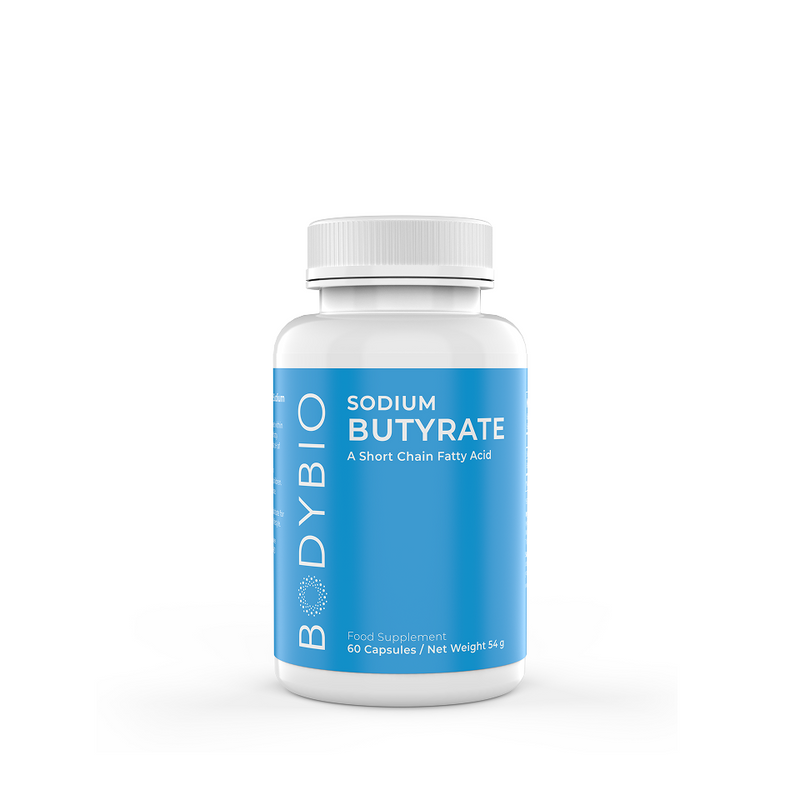
We created a supplement to support your faithful consumption of kefir and other probiotic foods. BodyBio Butyrate is an effective gut-supporting supplement for digestive wellness alongside a healthy diet.

See What 20+ Years of Research Can Do for Your Gut Health

Related Articles

Ashley Palmer | 06.16.2026

Comprehensive Guide to Butyrate: What it is, Benefits, Side Effects, & More

Butyrate is a necessary component to a balanced microbiome, also working as an inflammation guard*. One of several, short-chain fatty acids created from fermented resistant starches, low butyrate levels have been associated with serious health concerns.

Ashley Palmer | 04.24.2026

Butyrate and IBS: What Your Gut Cells Actually Need

You've tried the probiotics. You've cleaned up your diet. You're doing everything you're supposed to do, and your gut still isn't cooperating.

If you have IBS, that frustration is familiar. Bloating, urgency, unpredictable mornings, the constant guessing game of what's going to set things off.

What often gets missed in the conversation around IBS isn't a trendy new supplement or a stricter elimination diet. It's something more foundational: what your gut's own cells actually need to function.

Here's a closer look at what butyrate does, why IBS and low butyrate levels are closely linked, and how supporting the gut at the cellular level can make a difference.

Table of Contents:

  • Understanding Butyrate

  • How Butyrate Works in the Gut

  • Why This Becomes an Issue for People With IBS

  • Supporting the Body More Effectively

  • Butyrate, IBS, and the Cellular Health Connection

  • How Butyrate Supports IBS Comfort Long-Term

Understanding Butyrate

Butyrate is a short-chain fatty acid (SCFA) produced in the colon when beneficial gut bacteria ferment dietary fiber, specifically resistant starch. It belongs to a class of compounds called postbiotics, the functional byproducts of a healthy microbiome.

Unlike probiotics, which are living bacteria, butyrate is a metabolite. It's a compound your body puts to work directly at the cellular level. Understanding the difference between probiotics and postbiotics, like butyrate, is a useful shift you can make when thinking about gut health.

Why the Body Relies on Butyrate

Your colon is lined with specialized cells called colonocytes. These cells run almost entirely on butyrate, providing up to 90% of their energy needs.

When colonocytes have what they need, they do their job well. They maintain the integrity of the gut lining, regulate what passes into the bloodstream, support a healthy inflammatory response, and help keep gut motility on track. Without enough butyrate, the gut’s main source of energy, the gut simply can't do its job well.

How Butyrate Works in the Gut

Butyrate supports three interconnected systems in the gut: the gut lining, the immune environment, and gut motility.

The gut lining is just one cell layer thick. Butyrate fuels those cells and supports the tight junctions between them, the structural connections that keep the barrier intact and functioning.

At the immune level, butyrate helps the body maintain a balanced inflammatory response in the colon without triggering overactivation. And because it directly influences the rhythmic contractions that move contents through the digestive tract, it plays a meaningful role in the irregular patterns that so many people with IBS experience.

What Happens When Butyrate Levels Are Supported vs. Strained

When butyrate is available in adequate amounts, the gut lining stays resilient, motility is more regular, and digestive comfort improves, whether you have a diagnosis of IBS or not.

If butyrate levels fall short, the gut barrier may become less stable, motility can become unpredictable, and the colon's immune environment may shift. How pronounced these patterns are varies from person to person. Diet, stress, genetics, and microbiome composition all play a role in your body’s patterns too.

Why This Becomes an Issue for People With IBS

Modern Stressors on Butyrate Production

Butyrate is made by gut bacteria that ferment resistant starch, a type of fiber found in foods like cooked and cooled potatoes, legumes, and underripe bananas. The modern diet is low in these foods. That means many people simply aren't giving their gut bacteria the raw materials they need to produce adequate butyrate levels.

Antibiotic use, chronic stress, and certain medications can also reduce the population of butyrate-producing bacteria in the colon. Over time, that compounds the butyrate production gap.

Why Common Approaches Often Fall Short

Probiotics can be a valuable part of gut health support, but most probiotic strains are not butyrate-producing species. They can shift the microbiome, but they don't directly address the fuel shortage that many IBS-related symptoms may stem from.

Fiber-based approaches come with a similar challenge. In some people with IBS, increasing fermentable fiber can worsen bloating and gas before it helps, because a disrupted microbiome may not efficiently use that fiber to make butyrate.

Since butyrate works at the cellular level, the signs of low butyrate can overlap common IBS symptoms, which is part of why the connection between the two gets overlooked.

Supporting the Body More Effectively

Foundational Support for Butyrate Production

Diet is the first step to improving the body's natural butyrate production. Foods high in resistant starch give butyrate-producing bacteria what they need to function properly.

Foods that naturally support butyrate production include cooked and cooled rice, potatoes, and legumes. A steady intake of resistant starch over time does more for the microbiome than occasional high-fiber days followed by low-fiber ones.

Stress management and adequate sleep can also support a more stable gut environment. Chronic stress directly affects microbiome composition and motility through the gut-brain axis. 

When Targeted Butyrate Support Makes Sense

For people whose microbiome is disrupted or whose diet can't consistently provide enough resistant starch, direct butyrate supplementation is another option for long-term support.*

Supplemental butyrate delivers the short-chain fatty acid directly to the colon, where colonocytes can put it to use.* Clinical research has shown that sodium butyrate supplementation is associated with improvements in abdominal comfort and bowel regularity in people with IBS.

Sodium butyrate and calcium magnesium butyrate are both effective options, and the differences between which works best for your body often come down to your individual health history and mineral needs.*

Butyrate, IBS, and the Cellular Health Connection

IBS is complex, and its causes vary from person to person. But one consistent finding in the research is that people with IBS tend to have lower levels of butyrate-producing bacteria and overall reduced short-chain fatty acids in the gut. That points to a cellular resource problem as much as a microbiome problem.

When the cells lining the colon are undersupported, the entire digestive environment becomes less stable. Gut barrier function, motility, immune signaling, and communication along the gut-brain axis all depend on colonocytes having what they need to function.

Supporting the gut at the cellular level is not a replacement for other gut health practices (whole food probiotics, exercise, etc.). It’s the foundation that makes those practices more effective. When your cells are supported, the body functions more efficiently as a whole.

How Butyrate Supports IBS Comfort Long-Term

IBS can feel like a moving target, and the path toward better digestive comfort is rarely a straight line or a quick fix. Supporting your gut at the cellular level creates a more stable foundation, and that starts with making sure colonocytes have the fuel they need.*

Butyrate works best as part of a consistent approach that includes diet, lifestyle, and targeted support where needed. Progress tends to be gradual, and that's expected. It reflects the time it takes for the gut lining to strengthen and the microbiome to rebalance.

IBS makes a lot more sense when you know what the gut's cells actually need. And that clarity is often where real progress begins.

Support your gut at the cellular level with BodyBio Butyrate.*

Ashley Palmer | 11.25.2025

How Sugar and Stress Impact Gut Health (and How to Support It During the Holidays)

Between the office party appetizers, your aunt's famous cookies, and that second or third glass of wine at dinner, your gut is working overtime this holiday season. Add in travel stress, family dynamics, and back-to-back celebrations, and you've got the perfect storm for digestive chaos. Your microbiome gets thrown off balance, bloating kicks in, and suddenly, you're fighting to recover while the next event looms ahead on the calendar.

But you don't have to choose between enjoying the holidays and feeling good. A few simple habits and smart supplement support like butyrate can keep your gut balanced and your energy steady, even when you're indulging more than usual.*

Table of Contents:

  • How Sugar Disrupts Gut Health

  • The Stress-Gut Connection

  • Alcohol's Role in Gut Imbalance

  • Supporting Your Gut During the Holidays

  • Butyrate Q&A: Your Holiday Gut Support Ally

  • Keep Your Gut (and Holidays) Happy

How Sugar Disrupts Gut Health

Sugar is everywhere during the holidays, from dessert spreads to seasonal lattes. And while your taste buds are celebrating, your gut (and metabolism) is dealing with the consequences.

Refined Sugar and the Microbiome

When you're eating more holiday cookies and desserts than usual, certain bacteria in your gut that love simple carbohydrates start to flourish. This temporary shift can show up as stronger cravings, more bloating, or mood changes, which may help explain why you keep going back to the cookie tray.

When this imbalance sticks around, it can affect your gut barrier (the protective lining that keeps your gut contents where they belong). When that barrier gets compromised, bacterial byproducts (waste and toxins produced by bacteria) slip into your bloodstream and trigger inflammation throughout your body. Since at least 70-80% of your immune system lives in your gut, keeping this barrier strong is especially important during the holidays when you're more susceptible to seasonal bugs. 

This systemic inflammation can even show up as breakouts or dull skin, another reminder of how deeply your gut health affects your whole body.

Sugar Spikes and Cellular-Level Stress

Those cookie-fueled blood sugar rollercoasters don't just zap your energy. They create stress at the cellular level. Your mitochondria have to work overtime to manage these ups and downs. The oxidative stress that results from these swings doesn't stay in your gut. It affects your whole body, compounding the stress you're already feeling and making recovery that much harder.

The Stress-Gut Connection

Between travel logistics, family gatherings, and year-end deadlines, the holidays can send your cortisol levels soaring. That stress response directly impacts how your gut functions.

The Gut-Brain Axis in Action

Your gut and brain are in constant conversation through the gut-brain axis. When stress rises (from travel chaos, family dynamics, or that never-ending to-do list), your body pumps out cortisol to help your body handle it. Cortisol slows digestion and weakens your gut barrier, exactly when you need them working their best.

Holiday Stress + Sugar = A Rough Combination

When emotional stress meets dietary stress, the side effects can multiply quickly. This is why bloating, constipation, and relentless sugar cravings often show up together during the busiest weeks of the year. Your gut is working overtime to keep up.

Alcohol's Role in Gut Imbalance

Holiday cocktails and wine (or your beverage of choice) add another layer of stress to an already taxed digestive system, particularly when it comes to gut barrier integrity.

How Alcohol Affects the Gut Barrier

Alcohol increases gut permeability, making that protective barrier more porous, and feeds inflammation in your digestive tract. It also depletes beneficial compounds like butyrate that your gut needs to stay strong.

The Next-Day Domino Effect

Ever notice how after a night with just one or two cocktails, you sleep poorly, crave sugar like crazy, and feel more stressed the next day? Each of these factors puts more strain on your microbiome, creating a cycle that's tough to break when holiday parties stack up week after week.

But that doesn’t mean you have to abstain from the fun altogether to shield your gut from harm. You just need a plan to minimize the side effects. 

Supporting Your Gut During the Holidays

You can protect your gut without skipping the celebrations with just a few, simple, strategic habits that make all the difference.

Lifestyle Swaps

You don't need to overhaul your entire holiday routine. A few small shifts make a real difference:

Hydrate between drinks. No seriously, alternate a tall glass of water after each drink, preferably with added electrolytes. Water + key minerals help your body process both sugar and alcohol more efficiently.

Pair sweets with protein or healthy fats. A handful of nuts with that cookie, or hard cheese with your dessert, slows glucose absorption and prevents wild blood sugar spikes.

Move daily. Even a 15-minute walk after meals helps regulate stress hormones and gets your digestion moving. Get the whole family involved for more quality time together!

Eat butyrate-rich foods. Foods like butter, ghee, and aged cheeses naturally contain some butyrate, while fiber-rich foods like cooked and cooled oats, slightly underripe bananas, and legumes help your gut bacteria produce more of it.

Smart Supplement Support: Butyrate

Butyrate is a postbiotic (a beneficial compound that your good gut bacteria naturally produce) that supports your gut lining, reduces inflammation, and helps keep your microbiome balanced. It's the perfect holiday event partner for your gut.*

During the holidays, butyrate helps you:

  • Skip the bloat with no more uncomfortable gas after meals*

  • Digest rich foods without the heavy, sluggish feeling*

  • Balance blood sugar after dessert (high spikes → gentle hills)*

  • Recover faster between celebrations by strengthening your gut barrier*

Butyrate is flexible. You can take it with or without food, and dose up or down based on your needs (up to six capsules per day). Already taking a probiotic that works for you? Butyrate works alongside it (more on that below).

Butyrate Q&A: Your Holiday Gut Support Ally

Q: Can I take butyrate with or without food?
A: Either way works. Take it however feels best for you. Some people prefer it with meals, others between. The most important thing is to stay consistent for gut protection.

Q: Is butyrate the same as a probiotic?
A: No, it's a postbiotic! Probiotics add beneficial bacteria to your gut. Butyrate is what healthy bacteria produce to keep your gut lining healthy and reduce inflammation.*

Q: Can I take butyrate with probiotics?
A: Absolutely. Probiotics repopulate the good bacteria, while butyrate strengthens the environment they need to thrive. They work well together. If probiotics are giving you some beneficial results but not all, butyrate can help bridge the gap.* 

Keep Your Gut (and Holidays) Happy

Sugar, stress, and alcohol are part of the holiday package, and that's okay (in moderation of course). They don't have to derail how you feel or leave you fighting to bounce back.

Your gut doesn't need perfection; it simply needs nutrition, hydration, movement, and smart support when things get hectic. Butyrate is the perfect holiday event partner to support your gut microbiome and gut lining through every celebration, so you can enjoy the season without total gut and metabolic disruption.

When sugar, stress, and alcohol impact your gut this season, support your microbiome with BodyBio Butyrate.*