






11 Best Fitness Supplements to Power Your Workouts


Key Takeaways:
Key Points:
- The right supplements can help boost energy, support muscle growth, and speed up fitness recovery without unnecessary additives or chemicals.
- Understanding how your body responds to exercise can help you choose supplements that improve endurance, reduce inflammation, and enhance overall performance.
- Whether you're lifting weights, running long distances, or simply staying active, incorporating key nutrients into your routine can help prevent fatigue, strengthen muscles, and promote long-term health.
Finding the right supplements can be overwhelming with so many options on the market. Whether you're looking to build muscle, increase endurance, or speed up recovery, natural supplements can provide the support your body needs without artificial additives or harmful chemicals. This guide will break down the best high-quality workout supplements, helping you choose the right options for pre-workout energy, post-workout recovery, and overall athletic performance.
Table of Contents:
What Happens to the Body During Exercise?
Before diving into supplements, it's important to understand what happens to your body during exercise. When you work out, your muscles experience microscopic tears, which trigger inflammation and require repair. This process, known as muscle protein breakdown, is a natural response that ultimately leads to stronger muscles — but it requires adequate nutrition to rebuild effectively.
Your body also depletes essential nutrients during exercise, and without proper replenishment, this can lead to muscle fatigue, longer recovery times, and decreased performance in your following workouts. Exercise also places stress on your nervous system, increases cortisol levels, and generates oxidative stress, all of which can hinder recovery and increase inflammation if left unaddressed. This is why recovery post-workout is just as important or even more important than the workout itself.
Why Choose Specific Workout Supplements?
Unlike low-quality supplements, which often contain artificial ingredients, fillers, and potentially harmful chemicals, intentionally formulated supplements provide essential nutrients in their most bioavailable forms.
By harnessing the power of whole foods, plant-based compounds, and naturally occurring minerals, vitamins and supplements support optimal performance without the risk of unwanted additives. Choosing these options means fueling your body with ingredients that work in harmony with its biological processes, enhancing muscle recovery, endurance, and overall well-being in a sustainable and health-conscious way.
Pre-Workout Supplements: Boosting Energy & Endurance
A well-formulated pre-workout regimen helps prime your body to perform at its absolute best. The right supplements, taken at the right times, can improve blood flow, optimize energy levels, and reduce muscle fatigue — allowing you to push harder and train longer. Whether you're lifting heavy, running long distances, or engaging in high-intensity workouts, the right pre-workout supplements can make a noticeable difference in your performance and results.
1. Creatine Monohydrate
Creatine boosts energy production, allowing for increased strength, endurance, and muscle growth. It helps muscles retain water, which can improve overall workout performance and support recovery.
- Best Sources: Red meat, fish, pure creatine monohydrate supplements
- How to Use: Take 3-5g daily, preferably pre- or post-workout.
Pro tip: Since creatine causes the body to retain water, it’s extremely important to stay well hydrated when supplementing with creatine.
2. Electrolytes
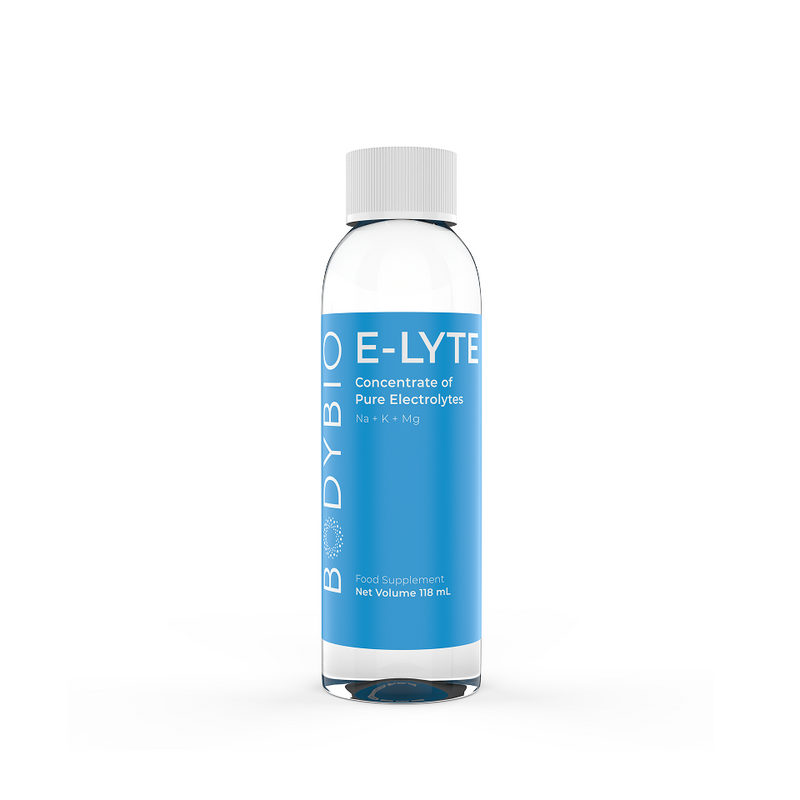
Electrolytes (sodium, potassium, magnesium) help regulate nerve function, muscle contractions, and fluid balance, ensuring that your body functions efficiently even on rest days. They maintain hydration and balance throughout your body — dehydration during workouts can lead to cramps and reduced performance.
- Best Sources: Coconut water, Himalayan salt, clean electrolyte powders/concentrates
- How to Use: Drink before and during workouts to stay hydrated and maintain performance.
Pro Tip: Electrolytes aren't just beneficial for intense workouts — they’re essential for everyday hydration and health. Balanced electrolyte levels can reduce fatigue, prevent headaches, and support better focus throughout the day. For those who sweat more, drink a lot of coffee, or live in hot dry climates, replenishing electrolytes consistently can improve energy levels and prevent dehydration-related sluggishness.
3. Coenzyme Q10 (CoQ10)
CoQ10 is an essential antioxidant that plays a critical role in mitochondrial function, helping cells generate energy more efficiently. It enhances endurance by improving oxygen utilization and reducing muscle fatigue — making it beneficial for high-intensity workouts. CoQ10 also combats oxidative stress, which is a major contributor to muscle damage and inflammation after exercise.
- Best Sources: Fatty fish, organ meats, CoQ10 supplements
- How to Use: Take 100-200mg daily.
Post-Workout Supplements: Enhancing Recovery & Growth
After an intense workout, your body enters a crucial recovery phase where muscle repair, nutrient replenishment, and overall healing take place. The right post-workout supplements help accelerate recovery, reduce soreness, and support muscle growth by providing essential proteins, amino acids, and key nutrients. Without proper recovery, muscles remain fatigued, performance declines, and the risk of injury increases.
4. Whey Protein & Plant-Based Protein
Protein is crucial for repairing and building muscles post-exercise. When you engage in strength training or endurance activities, muscle fibers undergo stress and experience micro-tearing. Consuming high-quality protein after workouts enhances muscle recovery and synthesis by providing the essential amino acids needed to rebuild and strengthen muscle fibers. Protein intake after exercise helps regulate blood sugar levels, supports immune function, and reduces overall muscle soreness — ensuring quicker recovery and improved performance in your next workouts.
- Best Sources: Whey, beef isolate, pea, rice, hemp, pumpkin seed protein powders (Look for a full range of complete amino acids.)
- How to Use: Mix a scoop (20-30g protein) with water, milk, or a smoothie post-workout.
5. Branched-Chain Amino Acids (BCAAs)
BCAAs play a vital role in muscle protein synthesis, helping to repair and rebuild muscle fibers damaged during exercise. They also act as an energy source during prolonged workouts, reducing the risk of muscle breakdown and promoting faster recovery. BCAAs also help decrease post-workout soreness by mitigating exercise-induced muscle damage and lowering levels of muscle fatigue. This makes them especially beneficial for athletes and fitness enthusiasts who engage in high-intensity or endurance training, as they can improve recovery time and overall performance.
- Best Sources: Eggs, chicken, fish, dairy, BCAA powders
- How to Use: Consume 5-10g before, during, or after workouts.
6. L-Glutamine
Glutamine plays a vital role in muscle repair, reducing soreness by replenishing depleted amino acids and accelerating tissue recovery after intense workouts. It’s particularly beneficial for athletes who engage in high-intensity training, because it helps minimize muscle breakdown and supports endurance. Glutamine also strengthens gut health and immune function, making it an essential supplement for those who train frequently, since intense exercise can temporarily suppress the immune system.
- Best Sources: Bone broth, eggs, beef, tofu, L-glutamine powder
- How to Use: Take 5-10g post-workout or before bed.
Supplements for Runners: Stamina & Joint Health
Running is one of the most physically demanding forms of exercise, requiring endurance, strength, and resilience. Unlike strength training, which focuses on building muscle mass, running places significant stress on the joints, cardiovascular system, and muscles over extended periods. Runners rely heavily on efficient energy production, muscle recovery, and hydration to sustain performance and prevent injuries.
7. Omega-3 Fatty Acids
Omega-3 fatty acids play a crucial role in reducing inflammation, supporting joint health, and promoting endurance by improving cardiovascular function. They help decrease muscle stiffness and soreness, making recovery more efficient after intense training sessions. Additionally, they contribute to overall mobility and flexibility, which are essential for long-term athletic performance.
- Best Sources: Fatty fish, flaxseeds, walnuts, fish oil supplements
- How to Use: Consume 1-3g of EPA/DHA daily.
8. Magnesium
Magnesium plays a crucial role in muscle relaxation, helping to prevent cramps by regulating muscle contractions and nerve function. It also aids in reducing post-exercise soreness and supports recovery by decreasing inflammation and improving sleep quality, which is essential for muscle repair.
- Best Sources: Leafy greens, nuts, seeds, dark chocolate, magnesium supplements
- How to Use: Take 200-400mg daily before bed.
9. Phosphatidylcholine (PC)
Phosphatidylcholine (PC) plays a crucial role in muscle function, recovery, and brain health by supporting cell membrane integrity and promoting efficient communication between cells. It aids in reducing exercise-induced inflammation, enhances cognitive function, and supports liver health, which is essential for overall endurance and recovery.* This makes it particularly valuable for athletes who require sustained energy, mental clarity, and optimal muscle performance.
- Best Sources: Eggs, soybeans, sunflower lecithin, true liposomal PC supplements
- How to Use: Take 1300mg daily. (Liquid PC ½ tsp up to 1 tbsp)
Reminder: When it comes to building muscle on a cellular level, you don’t just need protein, you need phosphatidylcholine too.
Best Vitamins for Muscle Growth & Performance
Muscle growth and peak physical performance require more than just consistent training; they depend on proper nutrition and supplementation. While intense workouts create the necessary stimulus for muscle adaptation, they also place large demands on the body, requiring essential nutrients for recovery, repair, and strength gains. Vitamins and minerals play a key role in energy metabolism, protein synthesis, and overall muscle function, making them a key part of any fitness regimen.
10. Vitamin B12
Vitamin B12 is essential for converting food into usable energy, supporting red blood cell formation, and facilitating protein metabolism. It also plays a vital role in neurological function, helping to maintain nerve health and cognitive performance. A deficiency in B12 can lead to fatigue, weakness, and impaired muscle recovery, making it especially important for active individuals.
- Best Sources: Meat, eggs, dairy, fortified plant-based foods, B complex supplements
- How to Use: Take daily as needed, especially for vegans.
Pro Tip: Since B12 is primarily found in animal products, vegans and vegetarians are at a higher risk of deficiency. A lack of B12 can lead to fatigue, weakness, nerve damage, and even anemia. Supplementing with B12 or a full B complex ensures that individuals following plant-based diets maintain healthy energy levels, proper brain function, and optimal red blood cell production — no animal products needed!
11. Vitamin D
Vitamin D is essential for maintaining bone density, supporting muscle function, and regulating hormone levels, including testosterone. It enhances calcium absorption, which is crucial for strong bones and injury prevention, especially in athletes. Additionally, low vitamin D levels have been linked to decreased muscle strength, slower recovery times, and increased risk of fatigue.
- Best Sources: Sunlight, fatty fish, egg yolks, vitamin D supplements
- How to Use: Take at least 1,000-5,000 IU daily.
How to Choose the Right High-Quality Fitness Supplements
When choosing your supplements, it’s important to prioritize quality, efficacy, and safety. Supplements should complement a balanced diet and exercise routine rather than serve as a substitute. The best choices will support your body’s needs without unnecessary additives or fillers, ensuring maximum benefit. Here’s what to look for:
- Minimal additives and artificial ingredients
- Organic and non-GMO options
- Third-party testing for purity and potency
- Whole-food-based ingredients wherever possible
Whether you're looking for pre-workout energy, post-workout recovery, or endurance support, high-quality supplements can optimize your performance safely and effectively.
The Power of Fitness Supplements for Performance & Recovery
The right supplements can make a noticeable difference in muscle growth, endurance, and recovery. When used strategically, they enhance performance and support muscle repair. Pre-workout supplementation can help sustain energy and endurance, while post-workout recovery aids in rebuilding muscle and reducing soreness. Incorporating key nutrients into your routine supports overall health, ensuring your body has everything it needs to perform at its best. By choosing high-quality, natural supplements, you can fuel your body to complement your fitness goals while maintaining long-term well-being.
Maughan, R. J., Burke, L. M., Dvorak, J., Larson-Meyer, D. E., Peeling, P., Phillips, S. M., Rawson, E. S., Walsh, N. P., Garthe, I., Geyer, H., Meeusen, R., van Loon, L. J. C., Shirreffs, S. M., Spriet, L. L., Stuart, M., Vernec, A., Currell, K., Ali, V. M., Budgett, R. G., Ljungqvist, A., … Engebretsen, L. (2018). IOC consensus statement: dietary supplements and the high-performance athlete. British journal of sports medicine, 52(7), 439–455. https://doi.org/10.1136/bjsports-2018-099027
Moghetti, P., Bacchi, E., Brangani, C., Donà, S., & Negri, C. (2016). Metabolic Effects of Exercise. Frontiers of hormone research, 47, 44–57. https://doi.org/10.1159/000445156
Nichele, S., Phillips, S. M., & Boaventura, B. C. B. (2022). Plant-based food patterns to stimulate muscle protein synthesis and support muscle mass in humans: a narrative review. Applied physiology, nutrition, and metabolism = Physiologie appliquee, nutrition et metabolisme, 47(7), 700–710. https://doi.org/10.1139/apnm-2021-0806
Ramezani Ahmadi, A., Rayyani, E., Bahreini, M., & Mansoori, A. (2019). The effect of glutamine supplementation on athletic performance, body composition, and immune function: A systematic review and a meta-analysis of clinical trials. Clinical nutrition (Edinburgh, Scotland), 38(3), 1076–1091. https://doi.org/10.1016/j.clnu.2018.05.001
Reno, A. M., Green, M., Killen, L. G., O'Neal, E. K., Pritchett, K., & Hanson, Z. (2022). Effects of Magnesium Supplementation on Muscle Soreness and Performance. Journal of strength and conditioning research, 36(8), 2198–2203. https://doi.org/10.1519/JSC.0000000000003827
Reynolds, S. (2024, May 14). Understanding how exercise affects the body. National Institutes of Health. https://www.nih.gov/news-events/nih-research-matters/understanding-how-exercise-affects-body
Ribeiro, F., Longobardi, I., Perim, P., Duarte, B., Ferreira, P., Gualano, B., Roschel, H., & Saunders, B. (2021). Timing of Creatine Supplementation around Exercise: A Real Concern?. Nutrients, 13(8), 2844. https://doi.org/10.3390/nu13082844
Ruegsegger, G. N., & Booth, F. W. (2018). Health Benefits of Exercise. Cold Spring Harbor perspectives in medicine, 8(7), a029694. https://doi.org/10.1101/cshperspect.a029694
Sarmiento, A., Diaz-Castro, J., Pulido-Moran, M., Kajarabille, N., Guisado, R., & Ochoa, J. J. (2016). Coenzyme Q10 Supplementation and Exercise in Healthy Humans: A Systematic Review. Current drug metabolism, 17(4), 345–358. https://doi.org/10.2174/1389200216666151103115654
Shimomura, Y., Murakami, T., Nakai, N., Nagasaki, M., & Harris, R. A. (2004). Exercise promotes BCAA catabolism: effects of BCAA supplementation on skeletal muscle during exercise. The Journal of nutrition, 134(6 Suppl), 1583S–1587S. https://doi.org/10.1093/jn/134.6.1583S