


Bone Broth for Gut Health: Is It Really Everything Your Body Needs to Heal? background image
August 18, 2023

Bone Broth for Gut Health: Is It Really Everything Your Body Needs to Heal?

Key Takeaways:

Key Points:

  • Bone broth is an alleged superfood rich in natural collagen, minerals, and glycine. Sourced from beef or chicken bones, it’s reported to boost gut health and fight against leaky gut.
  • How can you use bone broth for gut health? Bone broth may help to reduce inflammation, improve gut motility, and decrease abdominal discomfort. We recommend one cup a day warmed in a mug or added to soups and stews.
  • You can use either chicken or beef bone broth for nutritional benefits. However, beef is better known for its ability to recharge the gut, while chicken bone broth is often recommended for skin health.
  • Although bone broth may have remarkable benefits, it’s often not a one-shot solution for totally healing your gut. Feel free to use it as a supplemental therapy and a nutrient-dense snack any time of day or night.

Ah, bone broth. The health solution that does it all… supposedly.

Assuming you don’t live under a rock, you’ve probably heard numerous claims about the benefits of bone broth. It’s supposed to be a superfood — a game changer for gut health, glowing skin, weight management, and hair and nail growth.

But is it, really?

Maybe you’ve dealt with uncomfortable gut symptoms for too long. The bloating, gas, and unpleasant bathroom trips are driving you to try any intervention, even bone broth. And the truth is, you’re a little skeptical…

Let’s explore the potential benefits of bone broth for the gut and the pros and cons of adding this nutrient-dense resource to your wellness routine.

Table of Contents:

Why Is Bone Broth Good for the Gut?

Whether you enjoy it in a homemade stew or in a warm mug each day, bone broth is rightly considered a superfood. Its savory goodness is filled with vitamins, minerals, and amino acids that are amazing for restoring the body.

Why is bone broth good for the gut? These three ingredients, primarily:

  • Collagen. Gelatin (the jelly-like substance that floats up when bone broth is cooled), is an easier-to-digest type of collagen. Found in ligaments and connective tissue, collagen is essential for human health — and when consumed from an animal-based product, it’s a bioavailable source of nutrients. 
    • Your body can use the gelatin found in bone broth to create or repair its own connective tissue (particularly those associated with the gut).
    • Collagen is the most abundant protein in the human body — and it’s responsible for about 30% of your body’s protein content. It also plays a role in calming and soothing the gut lining — so food can pass through easier, with less bloating and discomfort. Since Western cultures primarily consume high-quality beef cuts (muscle meats), we typically miss out on the collagen protein and other nutrients found in beef tissue and bones.
  • Minerals. If you want to boost your cellular and gut health, healthy mineral consumption is a must. Bone broth contains abundant phosphorus, calcium, and magnesium — which can feed your gut, targeting the root problem of symptoms, while hydrating and strengthening your cells. Magnesium, specifically, helps with gut motility. You can infuse additional minerals into your bone broth by simmering it with mineral-rich veggies, such as kale, herbs, or other greens.
  • Glycine. An essential amino acid, glycine keeps your hormones functioning optimally — while adding to overall tissue, ligament, and muscle health (specifically the ones in control of your digestive system). High levels of glycine are typically found in bone broth and are needed for your body to produce the master antioxidant glutathione. Glycine is also a calming amino acid, helping to soothe anxiety and promote restful sleep.

Bone Broth for Leaky Gut

The gut lining of your small intestine is semi-permeable — which means it can filter microscopic nutrients out of your digestive system and into your bloodstream. However, the modern diet, trauma, chronic illness, and lifestyle factors can damage this sensitive gut lining — allowing larger food particles to pass into the bloodstream and create inflammation.

If you want to reverse leaky gut symptoms, the best course of action is to repair the gut lining. Conveniently, bone broth has a lot of nutrients that are directly focused on building and repairing that gut lining: collagen, glycine, glutamine, proline, and minerals.

While it shouldn’t be the only remedy you use for leaky gut, a daily cup of bone broth may help you reach your goals faster.

Bone Broth to Reduce Inflammation

In a recent study, amino acids were found to be the main nutritional component of bone broth. When administered to patients with ulcerative colitis, the bone broth was shown to decrease inflammatory markers significantly.

Since leaky gut allows food particles to enter the bloodstream, it can be a large cause of gut inflammation for some people. Bone broth contains a number of healing components that act like glue that seals and strengthens the intestinal wall. This is why it’s so commonly associated with inflammation reduction and gut health.

Bone Broth for Improved Digestion

For most people, bone broth is easy to digest since it is a warm liquid slow-cooked over a period of several hours. Gelatin is known to help increase the balance of stomach acid and digestive enzymes.

With a rich supply of healthy minerals, proteins, glycine, and other amino acids, it’s a great option for people who struggle with nausea or a sensitive stomach and can only eat so much without feeling ill. Over time, the nourishing components of bone broth can help your digestive system get back on track with improved motility and a stronger gut lining.

What’s the Best Bone Broth for Gut Health?

Homemade bone broth is the best source of natural bone broth. You know exactly what goes into your recipe, and there are no preservatives or additives. You can easily make bone broth in an instant pot with chicken or beef bones alongside veggie cuttings, herbs, and seasoning. Make a big batch seasoned to your liking — and then freeze leftovers in ice cube trays for easy access.

If homemade bone broth isn’t an option, purchase your bone broth from a local farmer’s market or from an organic grocery store. Grass-fed beef or chicken with no added hormones or preservatives is best.

Bone Broth Supplements

If you don’t like the taste of bone broth, you can consume it in capsule form. Choose a high-quality organic capsule with grass-fed beef or free-range chicken. If you need a more accessible option with a longer shelf life, try a bone broth protein powder. It can be added to a smoothie or a sports drink before a workout.

How Fast Does Bone Broth Heal the Gut?

Most people notice a difference in their digestion after just a few days of bone broth consumption (optimally, we recommend 1-2 cups per day — but you may need to start slow).

Although bone broth contains a myriad of nutrients and has studies to back its anti-inflammatory properties, it shouldn’t be your only solution to gut dysbiosis. Alongside bone broth, we recommend supplements to correct any nutritional deficiencies and working to investigate the root cause of your illness.

BodyBio Tip: We have lots of resources on gut conditions like silent reflux, gut permeability, the gut-brain connection, gut dysbiosis, and more. Empower yourself to be your own primary health provider and start investigating the source of your gut imbalance!

Should You Use Chicken or Beef Bone Broth for Gut Health?

Chicken and beef bone broth have different nutritional profiles — but don’t get too mixed up in the details. Both contain a healthy level of collagen, glycine, and minerals.

Beef bone broth is a little better known for its gut-healing benefits, while chicken is recommended for electrolytes and skin health. Many opt to mix the two together to soak up optimal nutrition benefits.

If that’s not an option, we recommend switching it up every few weeks. Try beef bone broth for a few weeks, then switch over to chicken. If you find that your gut responds better to one type of bone broth, consume that one primarily.

Other Important Benefits of Bone Broth

Think you’re just using bone broth to heal your gut? Think again.

Bone broth has many other benefits and is known to:

  • Improve acne and uneven skin
  • Minimize wrinkles
  • Improve hydration for the body and cells
  • Manage weight
  • Optimize the immune system
  • Build muscle
  • Improve hair and nail growth
  • Support healthy joints and ligaments

You’re your own best judge of the benefits of bone broth! Start drinking it daily and document your results.

We Believe in a Whole Body Approach to Healing the Gut

Most likely, bone broth isn’t exclusively going to heal your leaky gut. It’s not a magic potion. While it is dense in minerals and collagen, bone broth is just one resource you can use to mitigate symptoms and take control of your wellness.

Overhaul your diet, choose an exercise routine that works for you, reduce stress, keep up with your supplements, invest in your microbiome, and remove toxins from your environment. Although they aren’t always easy, these key habits can really make a difference in your symptoms.

Sure, have a warm cup of bone broth every morning and reap the nutritional benefits. But invest in other holistic health habits, too. (It’s never just one thing that makes a difference, is it?)

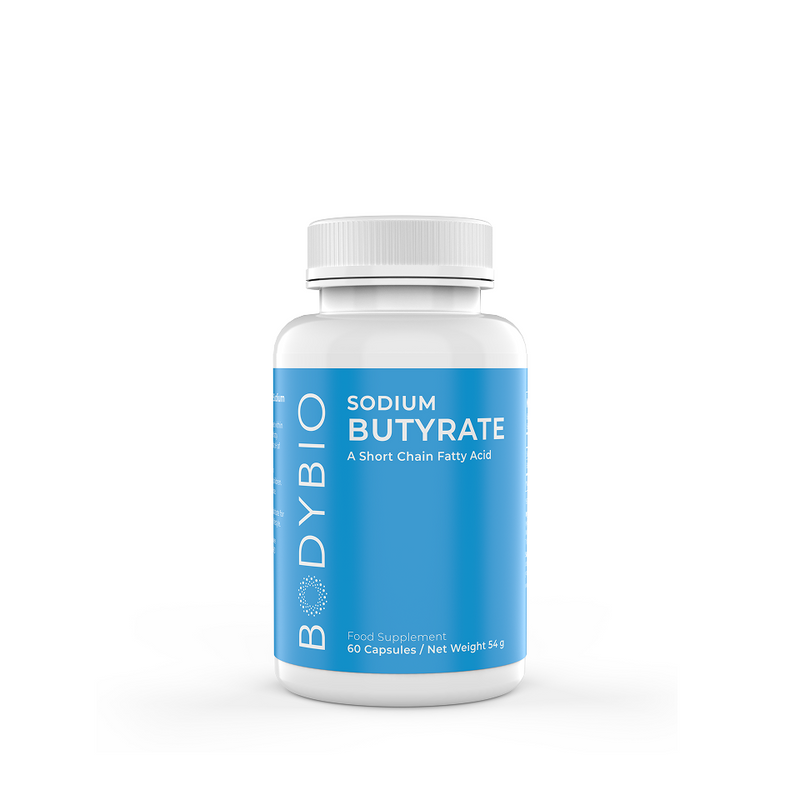
One of our favorite resources for gut health is BodyBio Butyrate, a customer-favorite that helps to rebuild the microbiome while repairing gut permeability.

Combine Your Bone Broth Routine with a Butyrate Supplement for Optimal Gut Restoration

Related Articles

Ashley Palmer | 04.24.2026

Butyrate and IBS: What Your Gut Cells Actually Need

You've tried the probiotics. You've cleaned up your diet. You're doing everything you're supposed to do, and your gut still isn't cooperating.

If you have IBS, that frustration is familiar. Bloating, urgency, unpredictable mornings, the constant guessing game of what's going to set things off.

What often gets missed in the conversation around IBS isn't a trendy new supplement or a stricter elimination diet. It's something more foundational: what your gut's own cells actually need to function.

Here's a closer look at what butyrate does, why IBS and low butyrate levels are closely linked, and how supporting the gut at the cellular level can make a difference.

Table of Contents:

  • Understanding Butyrate

  • How Butyrate Works in the Gut

  • Why This Becomes an Issue for People With IBS

  • Supporting the Body More Effectively

  • Butyrate, IBS, and the Cellular Health Connection

  • How Butyrate Supports IBS Comfort Long-Term

Understanding Butyrate

Butyrate is a short-chain fatty acid (SCFA) produced in the colon when beneficial gut bacteria ferment dietary fiber, specifically resistant starch. It belongs to a class of compounds called postbiotics, the functional byproducts of a healthy microbiome.

Unlike probiotics, which are living bacteria, butyrate is a metabolite. It's a compound your body puts to work directly at the cellular level. Understanding the difference between probiotics and postbiotics, like butyrate, is a useful shift you can make when thinking about gut health.

Why the Body Relies on Butyrate

Your colon is lined with specialized cells called colonocytes. These cells run almost entirely on butyrate, providing up to 90% of their energy needs.

When colonocytes have what they need, they do their job well. They maintain the integrity of the gut lining, regulate what passes into the bloodstream, support a healthy inflammatory response, and help keep gut motility on track. Without enough butyrate, the gut’s main source of energy, the gut simply can't do its job well.

How Butyrate Works in the Gut

Butyrate supports three interconnected systems in the gut: the gut lining, the immune environment, and gut motility.

The gut lining is just one cell layer thick. Butyrate fuels those cells and supports the tight junctions between them, the structural connections that keep the barrier intact and functioning.

At the immune level, butyrate helps the body maintain a balanced inflammatory response in the colon without triggering overactivation. And because it directly influences the rhythmic contractions that move contents through the digestive tract, it plays a meaningful role in the irregular patterns that so many people with IBS experience.

What Happens When Butyrate Levels Are Supported vs. Strained

When butyrate is available in adequate amounts, the gut lining stays resilient, motility is more regular, and digestive comfort improves, whether you have a diagnosis of IBS or not.

If butyrate levels fall short, the gut barrier may become less stable, motility can become unpredictable, and the colon's immune environment may shift. How pronounced these patterns are varies from person to person. Diet, stress, genetics, and microbiome composition all play a role in your body’s patterns too.

Why This Becomes an Issue for People With IBS

Modern Stressors on Butyrate Production

Butyrate is made by gut bacteria that ferment resistant starch, a type of fiber found in foods like cooked and cooled potatoes, legumes, and underripe bananas. The modern diet is low in these foods. That means many people simply aren't giving their gut bacteria the raw materials they need to produce adequate butyrate levels.

Antibiotic use, chronic stress, and certain medications can also reduce the population of butyrate-producing bacteria in the colon. Over time, that compounds the butyrate production gap.

Why Common Approaches Often Fall Short

Probiotics can be a valuable part of gut health support, but most probiotic strains are not butyrate-producing species. They can shift the microbiome, but they don't directly address the fuel shortage that many IBS-related symptoms may stem from.

Fiber-based approaches come with a similar challenge. In some people with IBS, increasing fermentable fiber can worsen bloating and gas before it helps, because a disrupted microbiome may not efficiently use that fiber to make butyrate.

Since butyrate works at the cellular level, the signs of low butyrate can overlap common IBS symptoms, which is part of why the connection between the two gets overlooked.

Supporting the Body More Effectively

Foundational Support for Butyrate Production

Diet is the first step to improving the body's natural butyrate production. Foods high in resistant starch give butyrate-producing bacteria what they need to function properly.

Foods that naturally support butyrate production include cooked and cooled rice, potatoes, and legumes. A steady intake of resistant starch over time does more for the microbiome than occasional high-fiber days followed by low-fiber ones.

Stress management and adequate sleep can also support a more stable gut environment. Chronic stress directly affects microbiome composition and motility through the gut-brain axis. 

When Targeted Butyrate Support Makes Sense

For people whose microbiome is disrupted or whose diet can't consistently provide enough resistant starch, direct butyrate supplementation is another option for long-term support.*

Supplemental butyrate delivers the short-chain fatty acid directly to the colon, where colonocytes can put it to use.* Clinical research has shown that sodium butyrate supplementation is associated with improvements in abdominal comfort and bowel regularity in people with IBS.

Sodium butyrate and calcium magnesium butyrate are both effective options, and the differences between which works best for your body often come down to your individual health history and mineral needs.*

Butyrate, IBS, and the Cellular Health Connection

IBS is complex, and its causes vary from person to person. But one consistent finding in the research is that people with IBS tend to have lower levels of butyrate-producing bacteria and overall reduced short-chain fatty acids in the gut. That points to a cellular resource problem as much as a microbiome problem.

When the cells lining the colon are undersupported, the entire digestive environment becomes less stable. Gut barrier function, motility, immune signaling, and communication along the gut-brain axis all depend on colonocytes having what they need to function.

Supporting the gut at the cellular level is not a replacement for other gut health practices (whole food probiotics, exercise, etc.). It’s the foundation that makes those practices more effective. When your cells are supported, the body functions more efficiently as a whole.

How Butyrate Supports IBS Comfort Long-Term

IBS can feel like a moving target, and the path toward better digestive comfort is rarely a straight line or a quick fix. Supporting your gut at the cellular level creates a more stable foundation, and that starts with making sure colonocytes have the fuel they need.*

Butyrate works best as part of a consistent approach that includes diet, lifestyle, and targeted support where needed. Progress tends to be gradual, and that's expected. It reflects the time it takes for the gut lining to strengthen and the microbiome to rebalance.

IBS makes a lot more sense when you know what the gut's cells actually need. And that clarity is often where real progress begins.

Support your gut at the cellular level with BodyBio Butyrate.*

Ashley Palmer | 11.25.2025

How Sugar and Stress Impact Gut Health (and How to Support It During the Holidays)

Between the office party appetizers, your aunt's famous cookies, and that second or third glass of wine at dinner, your gut is working overtime this holiday season. Add in travel stress, family dynamics, and back-to-back celebrations, and you've got the perfect storm for digestive chaos. Your microbiome gets thrown off balance, bloating kicks in, and suddenly, you're fighting to recover while the next event looms ahead on the calendar.

But you don't have to choose between enjoying the holidays and feeling good. A few simple habits and smart supplement support like butyrate can keep your gut balanced and your energy steady, even when you're indulging more than usual.*

Table of Contents:

  • How Sugar Disrupts Gut Health

  • The Stress-Gut Connection

  • Alcohol's Role in Gut Imbalance

  • Supporting Your Gut During the Holidays

  • Butyrate Q&A: Your Holiday Gut Support Ally

  • Keep Your Gut (and Holidays) Happy

How Sugar Disrupts Gut Health

Sugar is everywhere during the holidays, from dessert spreads to seasonal lattes. And while your taste buds are celebrating, your gut (and metabolism) is dealing with the consequences.

Refined Sugar and the Microbiome

When you're eating more holiday cookies and desserts than usual, certain bacteria in your gut that love simple carbohydrates start to flourish. This temporary shift can show up as stronger cravings, more bloating, or mood changes, which may help explain why you keep going back to the cookie tray.

When this imbalance sticks around, it can affect your gut barrier (the protective lining that keeps your gut contents where they belong). When that barrier gets compromised, bacterial byproducts (waste and toxins produced by bacteria) slip into your bloodstream and trigger inflammation throughout your body. Since at least 70-80% of your immune system lives in your gut, keeping this barrier strong is especially important during the holidays when you're more susceptible to seasonal bugs. 

This systemic inflammation can even show up as breakouts or dull skin, another reminder of how deeply your gut health affects your whole body.

Sugar Spikes and Cellular-Level Stress

Those cookie-fueled blood sugar rollercoasters don't just zap your energy. They create stress at the cellular level. Your mitochondria have to work overtime to manage these ups and downs. The oxidative stress that results from these swings doesn't stay in your gut. It affects your whole body, compounding the stress you're already feeling and making recovery that much harder.

The Stress-Gut Connection

Between travel logistics, family gatherings, and year-end deadlines, the holidays can send your cortisol levels soaring. That stress response directly impacts how your gut functions.

The Gut-Brain Axis in Action

Your gut and brain are in constant conversation through the gut-brain axis. When stress rises (from travel chaos, family dynamics, or that never-ending to-do list), your body pumps out cortisol to help your body handle it. Cortisol slows digestion and weakens your gut barrier, exactly when you need them working their best.

Holiday Stress + Sugar = A Rough Combination

When emotional stress meets dietary stress, the side effects can multiply quickly. This is why bloating, constipation, and relentless sugar cravings often show up together during the busiest weeks of the year. Your gut is working overtime to keep up.

Alcohol's Role in Gut Imbalance

Holiday cocktails and wine (or your beverage of choice) add another layer of stress to an already taxed digestive system, particularly when it comes to gut barrier integrity.

How Alcohol Affects the Gut Barrier

Alcohol increases gut permeability, making that protective barrier more porous, and feeds inflammation in your digestive tract. It also depletes beneficial compounds like butyrate that your gut needs to stay strong.

The Next-Day Domino Effect

Ever notice how after a night with just one or two cocktails, you sleep poorly, crave sugar like crazy, and feel more stressed the next day? Each of these factors puts more strain on your microbiome, creating a cycle that's tough to break when holiday parties stack up week after week.

But that doesn’t mean you have to abstain from the fun altogether to shield your gut from harm. You just need a plan to minimize the side effects. 

Supporting Your Gut During the Holidays

You can protect your gut without skipping the celebrations with just a few, simple, strategic habits that make all the difference.

Lifestyle Swaps

You don't need to overhaul your entire holiday routine. A few small shifts make a real difference:

Hydrate between drinks. No seriously, alternate a tall glass of water after each drink, preferably with added electrolytes. Water + key minerals help your body process both sugar and alcohol more efficiently.

Pair sweets with protein or healthy fats. A handful of nuts with that cookie, or hard cheese with your dessert, slows glucose absorption and prevents wild blood sugar spikes.

Move daily. Even a 15-minute walk after meals helps regulate stress hormones and gets your digestion moving. Get the whole family involved for more quality time together!

Eat butyrate-rich foods. Foods like butter, ghee, and aged cheeses naturally contain some butyrate, while fiber-rich foods like cooked and cooled oats, slightly underripe bananas, and legumes help your gut bacteria produce more of it.

Smart Supplement Support: Butyrate

Butyrate is a postbiotic (a beneficial compound that your good gut bacteria naturally produce) that supports your gut lining, reduces inflammation, and helps keep your microbiome balanced. It's the perfect holiday event partner for your gut.*

During the holidays, butyrate helps you:

  • Skip the bloat with no more uncomfortable gas after meals*

  • Digest rich foods without the heavy, sluggish feeling*

  • Balance blood sugar after dessert (high spikes → gentle hills)*

  • Recover faster between celebrations by strengthening your gut barrier*

Butyrate is flexible. You can take it with or without food, and dose up or down based on your needs (up to six capsules per day). Already taking a probiotic that works for you? Butyrate works alongside it (more on that below).

Butyrate Q&A: Your Holiday Gut Support Ally

Q: Can I take butyrate with or without food?
A: Either way works. Take it however feels best for you. Some people prefer it with meals, others between. The most important thing is to stay consistent for gut protection.

Q: Is butyrate the same as a probiotic?
A: No, it's a postbiotic! Probiotics add beneficial bacteria to your gut. Butyrate is what healthy bacteria produce to keep your gut lining healthy and reduce inflammation.*

Q: Can I take butyrate with probiotics?
A: Absolutely. Probiotics repopulate the good bacteria, while butyrate strengthens the environment they need to thrive. They work well together. If probiotics are giving you some beneficial results but not all, butyrate can help bridge the gap.* 

Keep Your Gut (and Holidays) Happy

Sugar, stress, and alcohol are part of the holiday package, and that's okay (in moderation of course). They don't have to derail how you feel or leave you fighting to bounce back.

Your gut doesn't need perfection; it simply needs nutrition, hydration, movement, and smart support when things get hectic. Butyrate is the perfect holiday event partner to support your gut microbiome and gut lining through every celebration, so you can enjoy the season without total gut and metabolic disruption.

When sugar, stress, and alcohol impact your gut this season, support your microbiome with BodyBio Butyrate.*

Ashley Palmer | 08.19.2025

The Gut-Brain Axis: How Your Gut Health Shapes Mood, Mind, and More

If you're struggling with brain fog, poor focus, or mood swings, you might think the problem is in your head. But the real culprit is likely sitting about three feet lower, in your gut. Your digestive system is constantly communicating with your brain through the gut-brain axis, and when that communication breaks down, your mental clarity and mood suffer.

At BodyBio, we've strived to create products that support this connection for over 25 years because it perfectly demonstrates our core philosophy: cellular health is the foundation of every system in your body. When you support the cellular function of both your gut and brain (and the nervous system that connects them), you're optimizing a communication network that determines how you feel every single day.

Table of Contents:

  • What Is the Gut-Brain Axis?

  • How Gut Bacteria Control Your Brain Chemistry

  • Why Cellular Health Determines Gut-Brain Communication

  • Butyrate Benefits for Gut-Brain Health

  • Supporting Your Gut-Brain Highway

  • Why BodyBio Butyrate Addresses the Root Cause

  • Recognizing Gut-Brain Disconnection

  • Your Gut-Brain Connection Determines Your Daily Experience

What Is the Gut-Brain Axis?

The gut-brain axis is a bidirectional (two-way) communication network. When this communication breaks down, you get symptoms like brain fog, mood swings, and cognitive issues. Your digestive system faces constant exposure to environmental toxins and harmful microbes that your brain never encounters directly, so these communication breakdown symptoms typically start there and travel upward.

Your gut contains over 500 million neurons (more than your spinal cord!) and produces about 90% of your body's serotonin (the "happiness hormone"). With all this neural activity, scientists actually call the gut your "second brain," and your gut communicates with the brain in your head through several fascinating pathways.

The most important connection is the vagus nerve, which acts like a major highway between your gut and brain, carrying messages in both directions within milliseconds. When your gut detects problems, the vagus nerve is often the first messenger to alert your brain, which explains why digestive issues so quickly affect mood and cognition.

Your gut also houses about 70% of your immune system, and these immune cells constantly monitor what's happening in your digestive tract. They’re constantly sending inflammatory or anti-inflammatory signals directly to your brain. Meanwhile, the trillions of bacteria in your gut are producing metabolites 24/7 (compounds created during digestion, such as SCFAs) that can cross into your bloodstream and influence your brain chemistry.

Your gut health also determines how well you absorb the vitamins, minerals, and healthy fats your brain needs to function. This is why bioavailable supplements are so important. When gut function is compromised, even a perfect diet may not deliver the nutrients your brain needs.

How Gut Bacteria Control Your Brain Chemistry

Your gut microbiome consists of different bacterial species producing compounds that directly influence your mental state. When this system is working well, you feel mentally sharp and emotionally balanced. When it's disrupted, you may experience signs of poor gut health that affect both digestion and mental function.

Your gut bacteria are manufacturing these brain chemicals:

Neurotransmitter

What It Controls

When It’s Balanced

Warning Signs of Deficiency

Serotonin

Mood, sleep, appetite, gut motility

Happy, calm, sleeping well, good digestion

Anxious, depressed, insomnia, digestive issues

GABA (gamma-aminobutyric acid)

Nervous system calming, anxiety control

Relaxed, focused, stress-resilient

Anxious, overwhelmed, racing thoughts

Dopamine

Motivation, pleasure, reward processing

Motivated, satisfied, energized

Unmotivated, anhedonia, chronic fatigue

Acetylcholine

Memory, attention, learning

Sharp thinking, good focus, clear memory

Brain fog, poor concentration, memory lapses

Modern life constantly disrupts this bacterial balance. Processed foods, antibiotics, chronic stress, artificial sweeteners, and environmental toxins can wipe out beneficial bacteria while allowing harmful species to proliferate.

Recent research from 2023 consistently shows that people with anxiety and depression have distinctly different gut bacteria patterns compared to mentally healthy individuals, specifically, fewer beneficial bacteria and more inflammatory species.

When your gut barrier becomes compromised, inflammatory molecules escape into your bloodstream and can reach your brain. This neuroinflammation interferes with normal neurotransmitter function and has been directly linked to depression, anxiety, brain fog, and cognitive decline.

Why Cellular Health Determines Gut-Brain Communication

The gut-brain connection works at the cellular level. Your gut lining consists of epithelial cells that are absolutely remarkable. These cellular guardians completely regenerate every 3-5 days while maintaining sophisticated tight junctions that control what gets through, allowing beneficial nutrients in while blocking harmful substances.

Cell health determines barrier integrity. When these epithelial cells (the cells that form protective barriers) are healthy and well-nourished, they maintain strong barrier function. When cellular health is compromised, you get increased intestinal permeability (leaky gut), and that's when problems cascade upward, to the brain.

The cellular problem cascade works like this:

  1. Healthy gut cells → Strong barrier function → Optimal nutrient absorption → Good brain function

  2. Compromised gut cells → Leaky gut → Poor nutrient absorption + inflammation → Brain fog, mood issues, cognitive problems

The cellular nutrients that support gut health also support brain cell function (and vice versa). Phospholipids are essential for both intestinal cell membranes and neural cell membranes. Mitochondria (the power house of the cell) in both gut and brain cells require identical nutrients to produce energy efficiently.

This is why our approach focuses on providing fundamental cellular building blocks rather than just targeting isolated symptoms. When you nourish your cells, you nourish every system, including this crucial gut-brain communication network.

Some of the most important nutrients for optimal gut-brain function include:

  • Phospholipids for healthy cell membranes and communication

  • Quality fats for mitochondrial function and hormone production

  • B vitamins for energy production and neurotransmitter synthesis

  • Minerals for enzymatic processes and cellular repair

Butyrate Benefits for Gut-Brain Health

Among all the compounds your gut bacteria produce, butyrate stands out as perhaps the most important for both digestive and neurological health. This short-chain fatty acid serves as premium fuel for colonocytes (gut lining cells), providing up to 70% of their energy needs.*

Butyrate's multifaceted benefits:

For cellular gut health: Butyrate directly fuels the epithelial cells that maintain your intestinal barrier. It strengthens the tight junction proteins that connect cells together, reduces local inflammation, and supports the protective mucus layer that shields your gut lining.*

For brain function: Recent studies from 2024 demonstrate that butyrate can cross the blood-brain barrier and provide direct neuroprotective benefits (brain-protecting benefits). It acts as a histone deacetylase inhibitor (a compound that influences which genes are active), influencing gene expression in ways that support neuroplasticity, stress resilience, and cognitive function.*

For healthy inflammation responses: Butyrate works with your body's natural processes to support balanced inflammation, creating the right environment for optimal gut-brain signaling.*

Modern butyrate deficiency is widespread. Our ancestors consumed much more resistant starch (the specific fiber that feeds butyrate-producing bacteria), but modern diets are heavily processed and fiber-poor. Alongside poor dietary fiber, stress, medications, and environmental toxins are constantly working against beneficial bacteria.

Even when people eat more fiber, it can take months to rebuild the bacteria that produce butyrate. Fortunately, studies suggest that direct butyrate supplementation can provide immediate support for both gut barrier function and neurological health.*

Supporting Your Gut-Brain Highway

The right foods can boost butyrate-producing bacteria naturally. These beneficial species thrive on resistant starches found in cooked and cooled potatoes, rice, and legumes. The cooling process creates starch that becomes more digestible to bacteria. Unripe bananas, certain whole grains, and Jerusalem artichokes also provide resistant starch.

Your stress levels directly impact gut bacteria composition. Chronic stress literally reshapes your microbiome and increases intestinal permeability. Since the vagus nerve carries stress signals directly to your gut, managing stress protects this crucial communication pathway.

Quality sleep matters more than most people realize. Your gut bacteria have their own daily cycles that align with your sleep patterns. Poor sleep disrupts bacterial metabolism and increases intestinal permeability, affecting both ends of the gut-brain axis.

Regular movement supports the entire system. Exercise promotes beneficial bacteria diversity, supports healthy gut motility, and activates the vagus nerve in positive ways. You don't need intense workouts — even consistent walking makes a measurable difference.

Why BodyBio Butyrate Can Support the Gut

Most people can't produce a therapeutic amount of butyrate naturally, even with improved diet and lifestyle. Damaged gut cells can't effectively utilize the butyrate that bacteria do produce, while compromised bacterial populations can't manufacture sufficient amounts in the first place.

BodyBio Butyrate provides direct cellular support by:

  • Delivering butyrate directly to gut epithelial cells for immediate barrier repair*

  • Supporting tight junction integrity that prevents harmful substances from reaching your brain*

  • Promoting a balanced inflammation response throughout the gut-brain axis*

  • Optimizing the cellular environment for improved nutrient absorption and neurotransmitter production*

Recognizing Gut-Brain Disconnection

Since gut problems usually initiate the cascade, recognizing early warning signs can help you address issues before they significantly impact brain function.

Digestive symptoms often appear first: bloating, gas, irregular bowel movements, food sensitivities, or that heavy feeling after eating. These early signs can indicate developing digestive gastrointestinal diseases that affect gut-brain communication.

More advanced gut-brain disruption shows up as persistent brain fog, memory issues, chronic anxiety or depression, autoimmune symptoms, or frequent illness. Problems with nutrient absorption can cause fatigue despite a good diet, slow wound healing, brittle nails, thinning hair, or persistent nutritional deficiencies despite supplementation.

If you're experiencing several of these symptoms, your gut-brain axis may need cellular level support to restore optimal communication.

Your Gut-Brain Connection Determines Your Daily Life

Your gut-brain connection affects how you feel every day. When your microbiome composition and your gut lining break down, communication with your brain gets disrupted, leading to brain fog, mood issues, and cognitive problems.

Supporting this system at the cellular level makes the biggest difference. While dietary and lifestyle changes help, many people benefit from targeted gut health supplements to optimize their second brain.*

Your gut really is your second brain. When you take care of both systems at the cellular level, you're setting yourself up for clearer thinking, better mood stability, and improved overall health.

Support your gut-brain axis with BodyBio Butyrate →*