

Butyrate Foods: Its Role in the Body & Top Foods With Butyrate background image
August 28, 2024

Butyrate Foods: Its Role in the Body & Top Foods With Butyrate

Key Takeaways:

Key Points:

  • Butyrate is a postbiotic short-chain fatty acid, a beneficial metabolite created by a healthy microbiome to support gut health, especially the gut lining. 
  • Butyrate can be produced naturally in the gut by a healthy microbiome, but most of us aren’t eating the right kind of fiber (resistant starch) needed for the microbiome to make butyrate. 
  • Some foods that boost butyrate production include cooked and cooled potatoes, rice, and beans, butter and dairy products, underripe bananas and plantains, and some whole grains.

 In the health and wellness community, butyrate has become a household name seemingly overnight as more awareness is surfacing surrounding its benefits for our microbiome.

People who want the health benefits of short-chain fatty acids may be wondering how they can increase butyrate levels in the gut. This can be achieved through supplementation as well as increased intake of specific butyrate-rich foods.

Table of Contents:

What is Butyrate?

Butyrate is a short-chain fatty acid (SCFA) produced by your microbiome within the colon. It is made by the bacterial fermentation of resistant starch in your gut. Optimal levels of butyrate in the gut promote a balanced microbiome, boost gut health and function, encourage a healthy inflammation response, and support genetic expression by protecting DNA.*

See our guide on the basics of butyrate for more information.

Protect the Gut, Protect the Whole Body

Your digestive tract, from your mouth through the stomach, small intestine, large intestine, and all the way to the rectum, is the only place we intake substances from outside the body. Because of this, it is the most susceptible part of the body to inflammation and disease (especially with all of the pollutants and toxins in our modern world).

Accordingly, most of our immune cells and the microbes that regulate those immune responses live in our digestive tract. The microbiome is responsible for creating the right immune cells and cell responses to different threats, maintaining the integrity of the intestinal wall, and producing the right nutrients to maintain homeostasis in the gut.

Butyrate is especially important because it helps to repair the damage that pesticides, toxins, processed foods, drugs, and more have done to the lining of the gut. Research shows that the right levels of butyrate can help to support a healthy gut lining, reinforce the mucosal barrier, and keep you regular, moving those toxins and metabolic waste out of the body.*

Benefits of Butyrate-Rich Foods

Butyrate plays a crucial role in maintaining gut health and offers a range of amazing benefits:

  • Promotes gut/microbiome health*
  • Reinforces the mucosal barrier and modulates motility*
  • Functions as an HDAC inhibitor, meaning that it supports a healthy inflammation response by suppressing the activity of specific cells*
  • Supports healthy insulin response and healthy blood sugar regulation*
  • Promotes a healthy gut mucosa — butyrate serves to close tight junctions and prevent the modern phenomenon commonly known as leaky gut*

Learn more about the benefits of butyrate here.

How is Butyrate Produced in the Body?

We get butyrate and other short-chain fatty acids from eating foods that are high in resistant starch. Resistant starch is a type of starch that’s quite literally “resistant” to digestion — meaning your body can’t break it down. Instead, butyrate is produced in the colon via the fermentation of these resistant fibers by gut bacteria.

There are four types of resistant starch:

  • RS Type 1 is physically inaccessible, bound within the fibrous cell walls of plants. Note that only plants have cell walls surrounding their membranes; animals have only cell membranes. This type of resistant starch is embedded in the coating of seeds, nuts, grains, and legumes.
  • RS Type 2 is a starch with a high amylose content that is indigestible in its raw state. Potatoes, unripe bananas, and plantains reside in this group (until they’re cooked). 
  • RS Type 3 is retrograde, called this because it transforms into resistant starch when cooked and then cooled. This occurs with foods like white potatoes and white rice. If reheated to a temperature lower than 130° F, it maintains its resistant nature and is able to feed colonocytes.
  • RS Type 4 does exist, but it’s synthetic and not recommended for human ingestion.

Butyrate-Producing Bacteria

There are a few different types of gut bacteria in the colon that produce butyrate (that we know of so far). The main strains that account for our butyrate production are:

  • Faecalibacterium prausnitzii
  • Eubacterium rectale/Roseburia spp

The groups of bacteria that these strains belong to (think genus and species) make up between 5 and 10 percent of the total healthy gut bacteria in the stool samples of healthy people.

SCFAs & the Microbiome

Butyrate is both a short-chain fatty acid made by the microbiome, as well as fuel for the gut microbiome, in a sense. When the good bacteria (specifically the Faecalibacterium and Eubacterium strains mentioned above) munch on those resistant starches, they create the butyrate that feeds our gut lining. Therefore, we can refer to butyrate and SCFAs as postbiotics, or a product created by bacteria in the microbiome that nourishes our cells.

A healthy gut lining is free from chronic inflammation and able to easily manage nutrient absorption and electrolyte balance, which equates to a healthier microbiome. Butyrate is a key player in this delicate ecosystem of a healthy microbiome.

Maintaining a Balanced Diet for Gut Microbiome Health

The old school of thought was focusing on supporting our body with our diet — the micro and macronutrients we need to run our cells. This is still the case, but now we know that we should always be thinking about supporting our microbiome as well when it comes to our dietary choices.

We know now that we share our bodies with the billions of bacteria, fungi, and even viruses and their health is just as crucial to our well-being as the health of our cells. They are important messengers and endogenous creators of compounds like butyrate that support our bodily processes. 

In many cases, dietary fiber is what feeds the microbiome, what you might have heard referred to as prebiotics. Prebiotic dietary fiber is what feeds our probiotics, which then create postbiotics, like butyrate.

Best Butyrate-Rich Foods 

butyrate foods

There are certain foods you can add or increase in your diet that either contain butyrate already or help the microbiome produce more butyrate in your gut.

Butter & Dairy

Butter and dairy products are not a direct source of butyrate. However, they can be helpful for increasing butyrate levels in the body because they contain probiotic bacteria like Lactobacillus and Bifidobacterium, which are beneficial for gut health. These can help maintain a balanced gut microbiome, which is crucial for the growth and activity of butyrate-producing bacteria.

  • Butter
  • Cheese
  • Milk (cow, goat, or sheep)
  • Ghee

As tasty as it is, overindulging on dairy and butter is not recommended — but it can be part of a balanced diet to support your gut health! 

Cold Rolled Oats

For additional resistant starch in your regimen, try overnight cold rolled oats. Cold-rolled oats, like other types of oats, contain some dietary fiber (particularly beta-glucans) which can contribute to the production of butyrate in the gut. Here’s an easy way to make them at home:

  1. Put the oats into a mason jar or other suitable glass container and cover them with non-dairy milk (but not soy) or plain water.
  2. Refrigerate overnight. 
  3. Add berries and/or cinnamon, if you like. 

This cold recipe will give you eight grams of resistant starch while cooked oatmeal eaten hot offers about half a gram of RS.

Legumes

Butyrate is produced during the fermentation of undigested dietary fibers like galacto-oligosaccharides (GOS) found in legumes. As with many foods in this category, their butyrate levels increase when cooled after cooking. These include:

  • Beans
  • Peas
  • Lentils

If you’re starting to add more legumes to your diet, remember to go slow and notice how your body responds. Due to their complex carbohydrate and fiber content, legumes can be challenging for some digestive systems. Even starting with a spoonful or two a day at first is a good introduction. Interestingly, beans are the only food that all “blue zone” diets have in common, making them a dramatically undervalued superfood.

Cooled Potatoes

Eating cooked and cooled potatoes can increase butyrate levels in the gut due to the formation of resistant starches during the cooling process. When potatoes are cooked and then allowed to cool, the starches in them undergo a phenomenon called retrogradation which transforms into a more resistant form, bolstering butyrate production.

Cooled Rice

Similar to potatoes, when rice is cooked and then cooled, it undergoes retrogradation and the starches become more resistant. By consuming these resistant starches, you can support the growth of butyrate-producing bacteria, ultimately leading to increased production in the gut. 

Underripe Bananas & Plantain Flour

When choosing bananas, go for the green for more butyrate production. They may taste less sweet but they are higher in resistant starch. Plantains are more resistant to digestion as well, so trying plantain flour in your baked goods may help increase butyrate levels further.

Whole Grains & Prebiotic Fibers

You can also get resistant starch from whole grains, fibrous vegetables, and other cellulose sources:

  • Brown rice
  • Whole wheat
  • Barley
  • Asparagus
  • Broccoli stems
  • Leafy greens (kale, Brussels sprouts, etc.)
  • Apple/pear peels

 As always with any new food you incorporate into your diet, it’s important to observe your body carefully and notice how your digestion reacts. Remember, fiber-rich foods can be challenging for some digestive systems if introduced too quickly. 

Is It Possible to Get Enough Butyrate Through Diet Alone?

Unfortunately, all gut microbiomes are not created equal. That means we can’t necessarily make the same butyrate levels as our friends. Trying to get 25 grams of fiber a day is a noble venture, but one that seems elusive to even the best intentions. Fortunately, you can increase your butyrate production with butyrate supplements

Butyrate Can Make a Difference in Your Health

Butyrate is a therapeutic postbiotic that is growing in popularity for its incredible impact on digestive health — reducing bloating, speeding up transit time, lowering inflammation, and more incredible systemic effects.* If you’re dealing with digestive symptoms or disease, you can increase your butyrate levels through a combination of diet and supplementation.

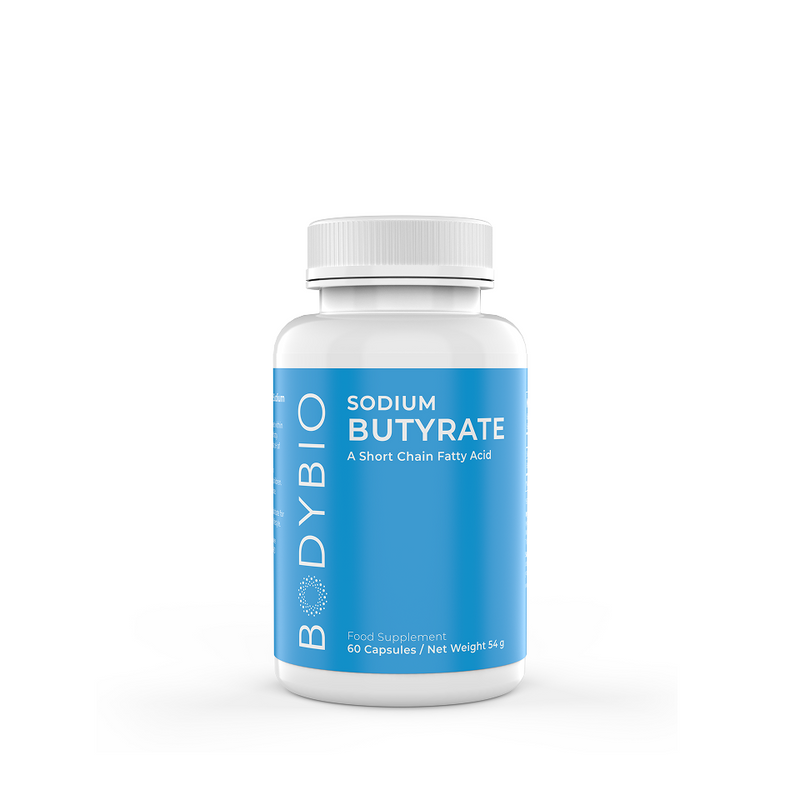
At BodyBio, our supplements have been trusted by practitioners for decades — and best of all, they’ve helped so many people remember what life was like before gut symptoms. If you’ve tried everything to support your gut, without any results, then we have the perfect butyrate supplement for you! Check out our Butyrate Gut Health Supplements or learn more with our Butyrate/Gut+ Get Started Guide!

Related Articles

Ashley Palmer | 06.16.2026

Comprehensive Guide to Butyrate: What it is, Benefits, Side Effects, & More

Butyrate is a necessary component to a balanced microbiome, also working as an inflammation guard*. One of several, short-chain fatty acids created from fermented resistant starches, low butyrate levels have been associated with serious health concerns.

Ashley Palmer | 04.24.2026

Butyrate and IBS: What Your Gut Cells Actually Need

You've tried the probiotics. You've cleaned up your diet. You're doing everything you're supposed to do, and your gut still isn't cooperating.

If you have IBS, that frustration is familiar. Bloating, urgency, unpredictable mornings, the constant guessing game of what's going to set things off.

What often gets missed in the conversation around IBS isn't a trendy new supplement or a stricter elimination diet. It's something more foundational: what your gut's own cells actually need to function.

Here's a closer look at what butyrate does, why IBS and low butyrate levels are closely linked, and how supporting the gut at the cellular level can make a difference.

Table of Contents:

  • Understanding Butyrate

  • How Butyrate Works in the Gut

  • Why This Becomes an Issue for People With IBS

  • Supporting the Body More Effectively

  • Butyrate, IBS, and the Cellular Health Connection

  • How Butyrate Supports IBS Comfort Long-Term

Understanding Butyrate

Butyrate is a short-chain fatty acid (SCFA) produced in the colon when beneficial gut bacteria ferment dietary fiber, specifically resistant starch. It belongs to a class of compounds called postbiotics, the functional byproducts of a healthy microbiome.

Unlike probiotics, which are living bacteria, butyrate is a metabolite. It's a compound your body puts to work directly at the cellular level. Understanding the difference between probiotics and postbiotics, like butyrate, is a useful shift you can make when thinking about gut health.

Why the Body Relies on Butyrate

Your colon is lined with specialized cells called colonocytes. These cells run almost entirely on butyrate, providing up to 90% of their energy needs.

When colonocytes have what they need, they do their job well. They maintain the integrity of the gut lining, regulate what passes into the bloodstream, support a healthy inflammatory response, and help keep gut motility on track. Without enough butyrate, the gut’s main source of energy, the gut simply can't do its job well.

How Butyrate Works in the Gut

Butyrate supports three interconnected systems in the gut: the gut lining, the immune environment, and gut motility.

The gut lining is just one cell layer thick. Butyrate fuels those cells and supports the tight junctions between them, the structural connections that keep the barrier intact and functioning.

At the immune level, butyrate helps the body maintain a balanced inflammatory response in the colon without triggering overactivation. And because it directly influences the rhythmic contractions that move contents through the digestive tract, it plays a meaningful role in the irregular patterns that so many people with IBS experience.

What Happens When Butyrate Levels Are Supported vs. Strained

When butyrate is available in adequate amounts, the gut lining stays resilient, motility is more regular, and digestive comfort improves, whether you have a diagnosis of IBS or not.

If butyrate levels fall short, the gut barrier may become less stable, motility can become unpredictable, and the colon's immune environment may shift. How pronounced these patterns are varies from person to person. Diet, stress, genetics, and microbiome composition all play a role in your body’s patterns too.

Why This Becomes an Issue for People With IBS

Modern Stressors on Butyrate Production

Butyrate is made by gut bacteria that ferment resistant starch, a type of fiber found in foods like cooked and cooled potatoes, legumes, and underripe bananas. The modern diet is low in these foods. That means many people simply aren't giving their gut bacteria the raw materials they need to produce adequate butyrate levels.

Antibiotic use, chronic stress, and certain medications can also reduce the population of butyrate-producing bacteria in the colon. Over time, that compounds the butyrate production gap.

Why Common Approaches Often Fall Short

Probiotics can be a valuable part of gut health support, but most probiotic strains are not butyrate-producing species. They can shift the microbiome, but they don't directly address the fuel shortage that many IBS-related symptoms may stem from.

Fiber-based approaches come with a similar challenge. In some people with IBS, increasing fermentable fiber can worsen bloating and gas before it helps, because a disrupted microbiome may not efficiently use that fiber to make butyrate.

Since butyrate works at the cellular level, the signs of low butyrate can overlap common IBS symptoms, which is part of why the connection between the two gets overlooked.

Supporting the Body More Effectively

Foundational Support for Butyrate Production

Diet is the first step to improving the body's natural butyrate production. Foods high in resistant starch give butyrate-producing bacteria what they need to function properly.

Foods that naturally support butyrate production include cooked and cooled rice, potatoes, and legumes. A steady intake of resistant starch over time does more for the microbiome than occasional high-fiber days followed by low-fiber ones.

Stress management and adequate sleep can also support a more stable gut environment. Chronic stress directly affects microbiome composition and motility through the gut-brain axis. 

When Targeted Butyrate Support Makes Sense

For people whose microbiome is disrupted or whose diet can't consistently provide enough resistant starch, direct butyrate supplementation is another option for long-term support.*

Supplemental butyrate delivers the short-chain fatty acid directly to the colon, where colonocytes can put it to use.* Clinical research has shown that sodium butyrate supplementation is associated with improvements in abdominal comfort and bowel regularity in people with IBS.

Sodium butyrate and calcium magnesium butyrate are both effective options, and the differences between which works best for your body often come down to your individual health history and mineral needs.*

Butyrate, IBS, and the Cellular Health Connection

IBS is complex, and its causes vary from person to person. But one consistent finding in the research is that people with IBS tend to have lower levels of butyrate-producing bacteria and overall reduced short-chain fatty acids in the gut. That points to a cellular resource problem as much as a microbiome problem.

When the cells lining the colon are undersupported, the entire digestive environment becomes less stable. Gut barrier function, motility, immune signaling, and communication along the gut-brain axis all depend on colonocytes having what they need to function.

Supporting the gut at the cellular level is not a replacement for other gut health practices (whole food probiotics, exercise, etc.). It’s the foundation that makes those practices more effective. When your cells are supported, the body functions more efficiently as a whole.

How Butyrate Supports IBS Comfort Long-Term

IBS can feel like a moving target, and the path toward better digestive comfort is rarely a straight line or a quick fix. Supporting your gut at the cellular level creates a more stable foundation, and that starts with making sure colonocytes have the fuel they need.*

Butyrate works best as part of a consistent approach that includes diet, lifestyle, and targeted support where needed. Progress tends to be gradual, and that's expected. It reflects the time it takes for the gut lining to strengthen and the microbiome to rebalance.

IBS makes a lot more sense when you know what the gut's cells actually need. And that clarity is often where real progress begins.

Support your gut at the cellular level with BodyBio Butyrate.*

Ashley Palmer | 11.25.2025

How Sugar and Stress Impact Gut Health (and How to Support It During the Holidays)

Between the office party appetizers, your aunt's famous cookies, and that second or third glass of wine at dinner, your gut is working overtime this holiday season. Add in travel stress, family dynamics, and back-to-back celebrations, and you've got the perfect storm for digestive chaos. Your microbiome gets thrown off balance, bloating kicks in, and suddenly, you're fighting to recover while the next event looms ahead on the calendar.

But you don't have to choose between enjoying the holidays and feeling good. A few simple habits and smart supplement support like butyrate can keep your gut balanced and your energy steady, even when you're indulging more than usual.*

Table of Contents:

  • How Sugar Disrupts Gut Health

  • The Stress-Gut Connection

  • Alcohol's Role in Gut Imbalance

  • Supporting Your Gut During the Holidays

  • Butyrate Q&A: Your Holiday Gut Support Ally

  • Keep Your Gut (and Holidays) Happy

How Sugar Disrupts Gut Health

Sugar is everywhere during the holidays, from dessert spreads to seasonal lattes. And while your taste buds are celebrating, your gut (and metabolism) is dealing with the consequences.

Refined Sugar and the Microbiome

When you're eating more holiday cookies and desserts than usual, certain bacteria in your gut that love simple carbohydrates start to flourish. This temporary shift can show up as stronger cravings, more bloating, or mood changes, which may help explain why you keep going back to the cookie tray.

When this imbalance sticks around, it can affect your gut barrier (the protective lining that keeps your gut contents where they belong). When that barrier gets compromised, bacterial byproducts (waste and toxins produced by bacteria) slip into your bloodstream and trigger inflammation throughout your body. Since at least 70-80% of your immune system lives in your gut, keeping this barrier strong is especially important during the holidays when you're more susceptible to seasonal bugs. 

This systemic inflammation can even show up as breakouts or dull skin, another reminder of how deeply your gut health affects your whole body.

Sugar Spikes and Cellular-Level Stress

Those cookie-fueled blood sugar rollercoasters don't just zap your energy. They create stress at the cellular level. Your mitochondria have to work overtime to manage these ups and downs. The oxidative stress that results from these swings doesn't stay in your gut. It affects your whole body, compounding the stress you're already feeling and making recovery that much harder.

The Stress-Gut Connection

Between travel logistics, family gatherings, and year-end deadlines, the holidays can send your cortisol levels soaring. That stress response directly impacts how your gut functions.

The Gut-Brain Axis in Action

Your gut and brain are in constant conversation through the gut-brain axis. When stress rises (from travel chaos, family dynamics, or that never-ending to-do list), your body pumps out cortisol to help your body handle it. Cortisol slows digestion and weakens your gut barrier, exactly when you need them working their best.

Holiday Stress + Sugar = A Rough Combination

When emotional stress meets dietary stress, the side effects can multiply quickly. This is why bloating, constipation, and relentless sugar cravings often show up together during the busiest weeks of the year. Your gut is working overtime to keep up.

Alcohol's Role in Gut Imbalance

Holiday cocktails and wine (or your beverage of choice) add another layer of stress to an already taxed digestive system, particularly when it comes to gut barrier integrity.

How Alcohol Affects the Gut Barrier

Alcohol increases gut permeability, making that protective barrier more porous, and feeds inflammation in your digestive tract. It also depletes beneficial compounds like butyrate that your gut needs to stay strong.

The Next-Day Domino Effect

Ever notice how after a night with just one or two cocktails, you sleep poorly, crave sugar like crazy, and feel more stressed the next day? Each of these factors puts more strain on your microbiome, creating a cycle that's tough to break when holiday parties stack up week after week.

But that doesn’t mean you have to abstain from the fun altogether to shield your gut from harm. You just need a plan to minimize the side effects. 

Supporting Your Gut During the Holidays

You can protect your gut without skipping the celebrations with just a few, simple, strategic habits that make all the difference.

Lifestyle Swaps

You don't need to overhaul your entire holiday routine. A few small shifts make a real difference:

Hydrate between drinks. No seriously, alternate a tall glass of water after each drink, preferably with added electrolytes. Water + key minerals help your body process both sugar and alcohol more efficiently.

Pair sweets with protein or healthy fats. A handful of nuts with that cookie, or hard cheese with your dessert, slows glucose absorption and prevents wild blood sugar spikes.

Move daily. Even a 15-minute walk after meals helps regulate stress hormones and gets your digestion moving. Get the whole family involved for more quality time together!

Eat butyrate-rich foods. Foods like butter, ghee, and aged cheeses naturally contain some butyrate, while fiber-rich foods like cooked and cooled oats, slightly underripe bananas, and legumes help your gut bacteria produce more of it.

Smart Supplement Support: Butyrate

Butyrate is a postbiotic (a beneficial compound that your good gut bacteria naturally produce) that supports your gut lining, reduces inflammation, and helps keep your microbiome balanced. It's the perfect holiday event partner for your gut.*

During the holidays, butyrate helps you:

  • Skip the bloat with no more uncomfortable gas after meals*

  • Digest rich foods without the heavy, sluggish feeling*

  • Balance blood sugar after dessert (high spikes → gentle hills)*

  • Recover faster between celebrations by strengthening your gut barrier*

Butyrate is flexible. You can take it with or without food, and dose up or down based on your needs (up to six capsules per day). Already taking a probiotic that works for you? Butyrate works alongside it (more on that below).

Butyrate Q&A: Your Holiday Gut Support Ally

Q: Can I take butyrate with or without food?
A: Either way works. Take it however feels best for you. Some people prefer it with meals, others between. The most important thing is to stay consistent for gut protection.

Q: Is butyrate the same as a probiotic?
A: No, it's a postbiotic! Probiotics add beneficial bacteria to your gut. Butyrate is what healthy bacteria produce to keep your gut lining healthy and reduce inflammation.*

Q: Can I take butyrate with probiotics?
A: Absolutely. Probiotics repopulate the good bacteria, while butyrate strengthens the environment they need to thrive. They work well together. If probiotics are giving you some beneficial results but not all, butyrate can help bridge the gap.* 

Keep Your Gut (and Holidays) Happy

Sugar, stress, and alcohol are part of the holiday package, and that's okay (in moderation of course). They don't have to derail how you feel or leave you fighting to bounce back.

Your gut doesn't need perfection; it simply needs nutrition, hydration, movement, and smart support when things get hectic. Butyrate is the perfect holiday event partner to support your gut microbiome and gut lining through every celebration, so you can enjoy the season without total gut and metabolic disruption.

When sugar, stress, and alcohol impact your gut this season, support your microbiome with BodyBio Butyrate.*