

How to Lower Cortisol (Naturally) for Less Stress & a Healthier Life background image
August 15, 2024

How to Lower Cortisol (Naturally) for Less Stress & a Healthier Life

Key Takeaways:

Key Points:

  • High cortisol levels result from physical and emotional stress on the body and can lead to symptoms such as fatigue, brain fog, irritability, weight gain, inflammation, and more.
  • Practices for lowering cortisol include stress identification and reduction, eating a whole foods diet, prioritizing minerals, supplementing when needed, etc.
  • With dedication to diet and stress management, regulating cortisol is absolutely possible.

We often think of “stress” as a key contributor to developing disease, but that isn’t the most accurate word to describe the mechanism behind what’s actually happening in the body.

Instead, we should turn our attention to our cortisol, the stress-adapting hormone produced by the adrenal glands. Cortisol is released in response to threatening situations when the body’s survival mechanisms kick in. In acute stress situations, cortisol can help you run faster or fight off an attacker, heightening your senses and putting you on alert (learn more about cortisol’s role in the body here). When the danger has passed, cortisol levels drop, allowing you to rest.

But modern life, where stressors are constant and surround us in many different forms, has made many of us overproduce cortisol. This overproduction results in fatigue, brain fog, mood issues, hormonal dysregulation, and eventually adrenal burnout.

Fortunately, there are steps you can take to reduce your body’s cortisol production and restore balance to the stress response.

Table of contents:

What Causes High Cortisol Levels?

Imagine the body as a finely tuned orchestra, where cortisol plays the role of the lead conductor. However, like any conductor, cortisol can become overzealous. Several factors can lead to this heightened activity, turning the once harmonious melody into an uproar of stress hormones. Let's delve into some of the common culprits:

  • Chronic Stress: Constant and prolonged exposure to physical, emotional, or psychological stress prompts the hypothalamus (a part of the brain) to stimulate cortisol production via the adrenal glands. This sustained activation can lead to overproduction, even when there are no immediate threats.
  • Psychological Factors: Conditions like anxiety, depression, and trauma can further disrupt the brain's stress response system, sending distorted signals to the hypothalamus that trigger too much cortisol release. These conditions often involve negative thought patterns and heightened perception of threat, even in peaceful environments.
  • Medical Conditions: Certain medical issues directly disrupt the hormonal feedback loops governing cortisol production. Examples include Cushing's syndrome (pituitary gland overstimulation), adrenal tumors, and thyroid disorders. These can cause independent cortisol overproduction — regardless of actual stress levels.
  • Lifestyle Factors: Poor sleep is another factor that disrupts the natural cortisol rhythm, leading to elevated daytime and reduced nighttime levels. Excessive alcohol consumption puts stress on the body and impairs cortisol breakdown, contributing to accumulation. Chronic inflammation, often linked to an unhealthy diet and lack of exercise (we’ll discuss this more later), can also stimulate stress hormone release.

High Cortisol Symptoms

So now that we know what leads to high cortisol levels, what are the biological consequences of this imbalance? Constantly high cortisol levels can cause a whole host of malfunctions and dysregulation in the body. You might have heard of the hypothalamic-pituitary-adrenal, or HPA axis; this team of glands regulates the release of cortisol, along with a few other hormones. When the demand for cortisol remains high and the body is not able to keep up with production, the HPA axis becomes dysregulated.

From there, many symptoms can start to manifest, including:

  • Fatigue and trouble sleeping: Feeling exhausted during the day and revved up at night indicates that the normal rhythm of cortisol production has been altered (it normally peaks in the morning and falls throughout the day, allowing you to fall asleep easily at night).
  • Brain fog: Inability to think clearly and/or hold attention for long periods of time.
  • Mood imbalances: Including depression, anxiety, irritability, and cognitive impairment.
  • Weight gain: High cortisol levels can cause weight gain in the face and abdomen. This is also associated with synthetic steroid use (prednisone, hydrocortisone), which is essentially artificial cortisol and is often used as a temporary treatment for various autoimmune diseases.
  • Impaired immunity: High cortisol suppresses the immune system in favor of supporting the systems needed for immediate survival. In other words, your body is thinking “who needs an immune system when you’re being attacked by a dangerous predator?”
  • Bone and muscle weakness: High cortisol levels can also lower bone mineral density and induce muscle breakdown, further contributing to fatigue.
  • Inflammation: Cortisol itself is an anti-inflammatory hormone — however, in excess, it can actually cause additional inflammation over time, particularly in the central nervous system.

Unless you are providing an abundance of nutrients and rest for your body while in a constant high-stress lifestyle, your adrenals will burn out from constantly churning out cortisol, and then you’ll underproduce cortisol. This is what people refer to when they talk about “adrenal fatigue.”

How to Lower Cortisol Levels Naturally

Fortunately, there are many ways to reduce your cortisol levels if they are chronically elevated (which is probably the case for just about everyone at some point in their lives). Here are some natural methods to lower your cortisol over time:

Reduce Stress

Stress is the number one cause of high cortisol levels. This can look like financial anxiety, overworking, relationship issues, health concerns for ourselves or loved ones, and all of the many worries that we deal with on a daily basis. It also can come from physical sources too, like chronic pain or over-exercising.

Reducing stress is definitely easier said than done, but you can’t let it fall to the bottom of your to-do list. Schedule time for activities that help you unwind and release those worries (examples below!), even if it's only temporary. Your adrenals will thank you.

Prioritizing Minerals, Macronutrients, & Eating Regularly

Nutrition is often overlooked in the discussion around stress management and lowering cortisol. But your adrenals need certain nutrients to be able to produce cortisol and the other glucocorticoid hormones. For lowering and stabilizing cortisol levels, we have to fuel the body with an appropriate balance of macronutrients: protein, carbs, and healthy fats from whole foods. But, it’s also important to eat regular meals. For a body under stress with high cortisol output, fasting has been shown to be quite detrimental and promotes the release of more cortisol.

Ensuring an adequate (or higher) intake of minerals is also extremely important to manage and lower cortisol. Magnesium, in particular, is very helpful for lowering cortisol, and is also rapidly used up by the adrenals. Magnesium supports over 300 reactions in the human body, and our soils are chronically depleted of this key mineral.

High cortisol also depletes potassium and sodium, so supplementing with electrolytes added to your daily water intake may help stabilize and regulate your cortisol levels.*

Foods that Lower Cortisol

With those key vitamins, minerals, and nutrients in mind, there are some particular foods that you can prioritize in your diet to get more of these and lower cortisol levels:

  • Bananas, citrus, berries, and many other fruits (high in minerals and vitamin C)
  • Avocados (healthy fat + potassium)
  • Dark chocolate (high in magnesium)
  • Green or black tea
  • Probiotic foods (yogurt, kimchi, sauerkraut)
  • Complex carbs, aka carbs with nutrients and fiber (potatoes, whole grains, root vegetables, etc.)
  • Eggs (good source of choline, which supports brain function — where two-thirds of the HPA axis lives)

Supplements to Lower Cortisol

After you have your foundation of diet and stress reduction practices, there are many supplements you can add for a little extra support. Some of these include:

  • Adaptogens: Certain mushrooms and herbs that have a modulatory effect on cortisol and other hormones.* This means that they raise it when it’s low or lower it when it’s high, depending on what your body needs. These include ashwagandha, rhodiola, schisandra, and others.
  • Amino acids: Certain amino acids, the building blocks of proteins, have calming effects, such as taurine, glycine, tyrosine, and tryptophan.*
  • Herbs: Well-known plant extracts like chamomile and lavender can calm you down and lower the cortisol response, whether in the form of tea, a tincture, or essential oil.*
  • Fish oil: A great source of omega-3 fatty acids, which have been shown to reduce cortisol levels, fish oil is an easy supplement to add — the key is finding a supplement that’s processed correctly so it retains these benefits.

These are just a few options for cortisol-lowering supplements. You could also consider mineral supplementation, as many people find they can not get enough in their diet, especially magnesium.

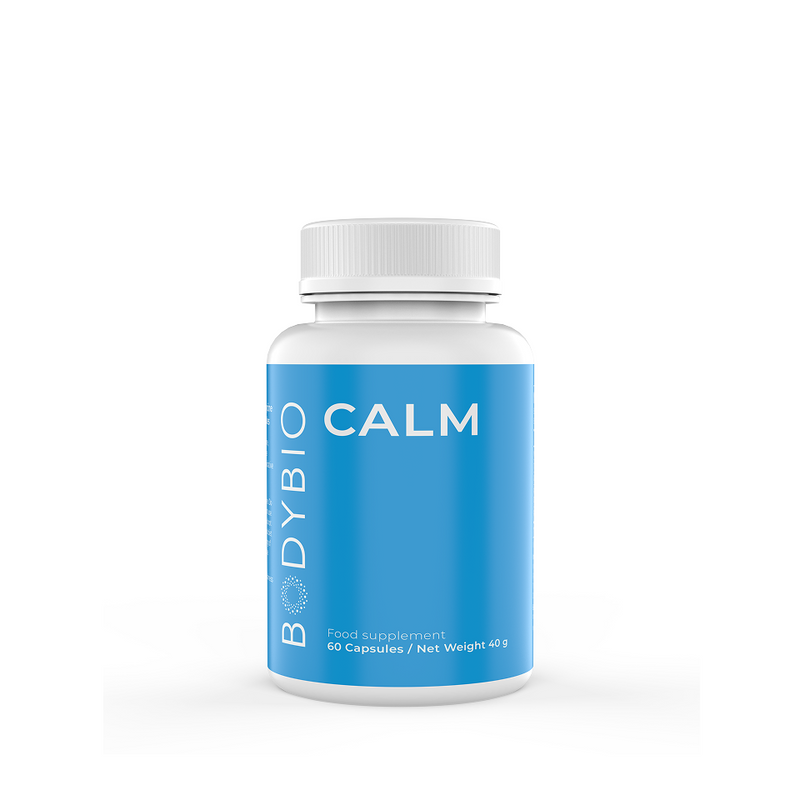
Our BodyBio Calm is formulated with 5 specific stress-reducing ingredients, designed to balance the production, distribution, and metabolism of cortisol for a healthy stress response.*

Read more about Calm in our blog here.

Go Outside

There’s something about the great outdoors that naturally puts us at ease and takes the stress response down a notch or two. A 2019 study showed that people who walked for 15 minutes in a forest were able to lower their cortisol levels. The study took inspiration from the Japanese concept of forest bathing, which is said to promote well-being.

Earthing, being connected to the earth through the soles of the feet or otherwise in direct contact with the ground, has also been shown in research to lower and stabilize the body’s natural cortisol production rhythm.

Exercise

Exercise can have great stress-reducing effects, but only at a moderate intensity. Research finds that high-intensity exercise will actually increase cortisol levels, because the body is physically under stress. However, low intensity (40% of max output) will actually lower cortisol levels. Activities that fit this type of exercise include yoga, walking, casual recreational sports, or maybe just playing with your dog in the yard.

Unplug

Electronics use, especially at night, can dysregulate your cortisol production. A 2018 study on rats found that exposure to cell phone radiofrequency increases cortisol and ACTH (adrenocorticotropic) hormones. Another similar study found that radiofrequency electromagnetic field exposure from mobile phones induces oxidative stress, inflammatory response, and HPA axis dysregulation.

This is a great method to pair with grounding or earthing to mitigate these harmful effects, — so stop scrolling and get outside!

Meditation & Mindfulness

A meditation practice can also lower cortisol and relieve stress, especially for those with a somatic illness and those living in stressful life situations.

Meditation does not have to look like sitting in silence with your legs crossed and eyes closed. You can try a guided meditation that takes you through a calming scenario like a walk along the ocean or has you focus on thoughts of gratitude. Meditation can even be a walk through the park as you intentionally take notice of the nature around you. Find a form of mindfulness meditation that suits you.

Lowering & Regulating Cortisol for a Healthier You

High cortisol levels, caused by high stress, lack of nutrition from whole foods, and even over-exercising, can be seriously damaging to your body over time. With these kinds of patterns, burnout is inevitable.

But there are steps you can take immediately to start lowering your cortisol levels and reducing daily stress.

If you decide that supplementation is part of your stress reduction strategy, check out our BodyBio Calm supplement for foundational support, and pair it with E-Lyte to replenish key stress-relieving minerals like potassium, sodium, magnesium, and more.*

Related Articles

Ashley Palmer | 12.03.2025

Cold Plunging and Women’s Health: What to Know Before You Try It

You've seen the videos: influencers stepping out of ice baths looking energized, refreshed, ready to conquer their day. Cold plunges are everywhere now, from gyms to wellness centers to your social media feed. They're touted as the ultimate hack for energy, mental clarity, and resilience.

So you try it yourself. The result? Your heart races. Your muscles tense. Three hours later, you're still jittery, anxious, unable to focus. Meanwhile, your male gym buddy who did the same protocol feels amazing.

So what happened? Your body responded exactly as it should have, like a woman's body, not a man's. And that difference changes everything.

Most cold exposure research has been conducted on men, creating protocols that don't account for female physiology. Women regulate temperature differently, process stress signals differently, and respond to cold exposure across a shifting hormonal landscape that men simply don't experience.

This guide shows you how cold exposure actually affects women's bodies and how to know whether cold, heat, or something else entirely will serve you best.

Table of Contents:

  • Why Women Respond Differently to Cold

  • Cold Exposure Across Your Cycle

  • How Cold Exposure May Support Women (When Done Right)

  • Cold Plunging Risks for Women (When to Skip It)

  • Supporting Your Nervous System (With or Without Cold)

Why Women Respond Differently to Cold

When you step into cold water, your body initiates a cascade of responses designed to protect your core temperature and vital organs. In women, this cascade unfolds differently than in men, not because of “weakness,” but because female physiology has evolved distinct thermal regulation strategies.

Women maintain slightly higher core temperatures than men (women average ~0.4°C warmer) and have several key differences that affect cold tolerance:

  • 5-10% more subcutaneous fat (the layer of fat beneath your skin), which insulates the body but slows rewarming

  • Smaller muscle mass relative to body size, reducing heat generation capacity

  • Blood vessels that constrict more aggressively in response to cold

  • Different peripheral blood flow patterns tied to reproductive physiology

Exercise physiologist Dr. Stacy Sims summarizes these differences, stating "women are not small men." The protocols establishing "optimal" cold exposure (typically 50-55°F for 3-5 minutes) were developed studying male subjects. When women follow these protocols, their bodies often interpret the cold very differently. For many women, sauna therapy aligns more naturally with female thermoregulation and stress response patterns.

Here’s where it all comes to a head: your hypothalamus acts as your body's thermostat and stress coordinator (it's a small region in your brain that regulates both temperature and your stress response). In women, this brain region responds more sensitively to energy availability, circulating hormone levels, and environmental stressors. When it detects cold exposure in an already-stressed system, it may prioritize protection over adaptation, which shows up as prolonged sympathetic activation (your fight-or-flight system staying on too long), suppressed thyroid function (feeling cold for hours afterward), disrupted sleep (wired but exhausted), or elevated stress hormones that leave you feeling drained rather than energized.

On top of that, estrogen and progesterone directly influence vascular tone, core temperature set points, stress hormone sensitivity, and inflammatory responses. The same 50°F plunge that feels invigorating on day 7 of your cycle might feel punishing on day 21. Your body hasn't changed; its hormonal context has shifted.

What women often need:

  • Warmer water: 55-60°F vs. 45-50°F
  • Shorter durations: 30-90 seconds vs. 3-5 minutes
  • More gradual progression to colder temps: over weeks, not days
  • Cycle-aware timing: easier in follicular phase
  • Lower frequency: 2-3x/week vs. daily

These aren't limitations to cold therapy, they're optimizations you can incorporate into your routine that actually benefit your physiology, rather than working against it.

Cold Exposure Across Your Cycle

Your menstrual cycle isn't just about whether you're menstruating or not. It creates a constantly shifting landscape for how your body experiences and recovers from stress—and cold exposure is certainly no exception.

Follicular Phase (Days 1-14): Your Best Window

As estrogen rises steadily during the first half of your cycle, so does your resilience. You'll typically notice higher pain tolerance, better stress response, and more efficient thermoregulation (your body's ability to regulate temperature). 

For many women, this is when cold exposure feels invigorating rather than punishing. If you're going to experiment with colder temperatures or longer durations, this is your window.

Luteal Phase (Days 15-28): Proceed with Caution

After ovulation, progesterone takes over and raises your core body temperature by 0.5-1°F. This isn't subtle; you might notice you're warmer at night, more sensitive to heat, and yes, more sensitive to cold extremes too. That same 55°F plunge that felt refreshing on day 10 might feel shocking and depleting on day 23.

Many women report that cold exposure during late luteal phase (the last 7-10 days before menstruation) feels harder to recover from. Your body isn't wrong; your hormonal context has genuinely changed. Try warmer water (60-65°F), shorter durations (30-60 seconds), or skip cold entirely in favor of heat therapy during this phase. There's no prize for pushing through when your body is signaling it needs something different.

Menstruation (Days 1-5): Highly Individual

This window varies dramatically from woman to woman. Some find that cold exposure triggers endorphin release that genuinely reduces cramping. Others experience the opposite: vasoconstriction (when blood vessels narrow, reducing blood flow) intensifies cramping and discomfort.

If you typically experience moderate to severe cramping, heat therapy often provides more reliable, consistent relief. But if you're someone who finds cold helpful during menstruation, trust that response.

The Most Important Thing: Track Your Own Patterns

Track your response to cold exposure across 2-3 cycles. Note your cycle day, the cold exposure details (temperature, duration), and how you felt both during the plunge and 1-3 hours afterward. Patterns typically emerge that show you your optimal timing. What works for your friend or the woman on Instagram might not match your physiology, and that's not just okay—it's expected.

How Cold Exposure May Support Women (When Done Right)

Cold exposure isn't always harmful to women. But the standard protocols weren't designed with female physiology in mind, which is why following them can feel like forcing your body into someone else's optimization plan.

Stress Resilience and Nervous System Response

When you step into cold water, your sympathetic nervous system (your fight-or-flight response) activates immediately. Your body releases norepinephrine (a brain chemical that increases focus and alertness), and with practice, you build "vagal tone" (your ability to shift smoothly from stressed to calm).

Research shows repeated, brief cold exposure can improve stress resilience, but only when baseline cortisol isn't already elevated, exposure doesn't exceed your tolerance, and you allow adequate recovery between sessions.

For women, cold exposure may support resilience IF you're not dealing with chronic sleep deprivation, undereating, high baseline anxiety, or HPA axis dysregulation. If those factors are present, cold adds stress rather than building capacity. In this case, other therapies such as sauna, consistent nutrition, and stress-regulation techniques like diaphragmatic breathing are recommended instead of cold exposure, at least for a time. 

Circulation and Muscle Recovery

A 2015 meta-analysis found cold water immersion can reduce muscle soreness after exercise. However, studies including women show more variable responses, particularly across cycle phases. Shorter durations (1-2 minutes) and warmer temperatures (55-60°F) appear sufficient.

Building Your Foundation First

Before experimenting with cold, focus on the basics: consistent nutrition (eating enough, prioritizing protein and healthy fats), quality sleep (7-9 hours nightly), and daily stress regulation like breathwork or gentle movement.

Your nervous system needs specific nutrients to handle stress. Magnesium is critical for nervous system function and parasympathetic activation (your body's rest-and-digest mode). Many women are deficient due to soil depletion, chronic stress, and hormonal fluctuations.

BodyBio Calm combines five key nutrients to support stress resilience, giving your nervous system the raw materials it needs to adapt to any daily life stressor.*

How to Know If Cold Is Working for You

Your 1-3 hour post-exposure window tells you everything. Healthy adaptation looks like: alert but calm, energized without jitteriness, sustained calm for hours. Your nervous system transitioned smoothly from sympathetic activation to parasympathetic recovery (rest-and-digest mode).

Unhealthy adaptation looks like: continued activation for hours, difficulty settling, new anxiety, or disrupted sleep. This isn't a character flaw or lack of toughness. It's your hypothalamus signaling that the stressor exceeded your current capacity. Return to habits that build up your stress capacity rather than challenging it for a few weeks before revisiting cold exposure.

Cold Plunging Risks for Women (When to Skip It)

Cold exposure isn't for everyone, and knowing when to skip it is a sign of wisdom, not weakness.

If You're Pregnant

During pregnancy, your body's priority is maintaining consistent blood flow to your baby. Cold exposure causes the uterine artery to constrict, which reduces blood flow to the placenta. While some women swim in cold water throughout pregnancy without issues, a 2025 study discovered that we simply don't have enough research to know if cold plunging is safe during pregnancy, especially during the critical first trimester. Skip cold exposure throughout pregnancy and breastfeeding to be safe.

If You're in Perimenopause or Menopause

Temperature regulation becomes more reactive during hormonal transitions, you know this if you've experienced hot flashes or night sweats. For some women navigating this phase, cold exposure feels crisp and grounding. For others, it triggers heightened blood pressure responses and feels destabilizing rather than centering.

Heat therapy may feel more supportive during these years, working with your shifting physiology rather than against it. Trust what your body is telling you.

If You Have Certain Health Conditions

Some conditions make cold exposure genuinely risky, not just uncomfortable.

  • Cardiovascular conditions like high blood pressure, irregular heartbeat, or heart disease. Cold water immersion creates significant cardiovascular stress, triggering rapid changes in heart rate and blood pressure that can be dangerous.

  • Raynaud's phenomenon, where your fingers and toes feel numb and cold in response to temperature changes. Cold plunging can trigger painful episodes.

  • Thyroid disorders, particularly hypothyroidism (underactive thyroid). Cold exposure can further suppress thyroid function when it's already struggling.

  • Autoimmune conditions, where your immune system is already in a heightened state of activation.

  • Eating disorders or a history of disordered eating. The control and punishment dynamics around cold exposure can feed unhealthy patterns.

  • Anxiety disorders, PTSD, or poorly controlled depression. The intense activation of cold exposure can feel destabilizing rather than regulating.

A Gentler But Still Effective Alternative

If cold exposure feels too activating or you're in one of these categories, heat therapy like sauna often provides similar circulation and stress-regulation benefits without the sharp sympathetic spike. There's no shame in choosing the path that supports your body where it is right now.

Supporting Your Nervous System (With or Without Cold)

Think of your stress capacity like a cup. Daily stressors fill it: work pressure, poor sleep, intense exercise, undereating, hormonal fluctuations. When your cup is 80% full, adding cold exposure causes overflow (more anxiety, poor sleep, irritability). When your cup is only 30% full, that same cold fits comfortably within your capacity.

Cold plunging may be trending, but true nervous system regulation and creating safety in the body is the first step, regardless of which temperature therapy you choose.

Looking for nutrient-focused stress support? BodyBio Calm can help you stay balanced, grounded, and stress-free throughout the different seasons of life.*

Ashley Palmer | 09.16.2025

How the Feedback Loop of Chronic Stress and Inflammation Is Damaging Your Cells

Stress has become so woven into modern life that many people accept it as inevitable. Yet emerging research reveals something remarkable: the connection between chronic stress and inflammation runs deeper than most realize, operating at the very foundation of cellular health.

When stress becomes chronic, it doesn't just affect your mood or energy levels. It triggers a cascade of inflammatory responses that can compromise your immune system, disrupt cellular repair mechanisms, and accelerate aging from the inside out. Understanding this stress-inflammation connection—and more importantly, how to interrupt it—may be one of the most powerful steps you can take for long-term health.

In this blog, we’ll examine how chronic stress transforms into systemic inflammation at the cellular level, why this matters for your 40 trillion cells, and evidence-based strategies to help your body build resilience against daily stressors while supporting optimal cellular function.

Table of Contents:

  • What Is Inflammation?

  • The Hidden Stress-Inflammation Connection

  • The Real Health Cost of Stress-Driven Inflammation

  • How to Reduce Stress-Related Inflammation

  • Breaking the Stress-Inflammation Cycle

What Is Inflammation?

Inflammation is your body's natural defense mechanism. When you cut your finger or catch a cold, inflammation rushes in to clear out damaged cells and fight off invaders. In the short term, it’s actually a good thing—this acute inflammatory response keeps you alive and healthy.

But chronic inflammation works differently; instead of responding to a real threat and then settling down, the immune system gets stuck in "on" mode. Immune cells start attacking healthy tissues, repair systems can't keep up, and the body begins aging faster than it should.

Recognizing chronic inflammation can be challenging. Unlike the obvious swelling and heat of acute inflammation, this persistent type often flies under the radar for years. By the time many people recognize the symptoms, it may have already set the stage for heart disease, diabetes, autoimmune conditions, or cognitive decline.

However, if you know what to look for, you can stop and reverse chronic inflammation before it leads to these adverse downstream consequences. 

The Hidden Stress-Inflammation Connection

The human body can't tell the difference between a charging lion and a demanding boss. Both flip the same ancient survival switches that jumpstart inflammation in the body.

Whether it's work deadlines, relationship drama, or financial worries, stress activates survival systems that kick into high gear. The same biological pathways that kept our ancestors alive during actual life-or-death situations now respond to modern stressors that never really go away.

This constant "go" signal creates real damage to the foundation of health, even down to the level of individual cells.

How Chronic Stress Hijacks Your Immune System

The moment the brain senses stress, it starts a complex chain reaction that was never designed to run 24/7. First, the hypothalamus releases a hormone called corticotropin-releasing factor (CRF). This tells the pituitary gland to release another hormone (ACTH), which then signals the adrenal glands to pump out stress hormones like cortisol and adrenaline. You may know this process as the “HPA axis.” 

In the short term, your immune system works beautifully. It sharpens focus, boosts energy, and temporarily dials down inflammation so the body can handle whatever's coming at it.

But when stress becomes a daily reality, this perfectly designed system starts to malfunction. The immune system gets its wires crossed. Recent research published in Frontiers in Science shows that chronic stress creates "inflammatory stress" that can spread through populations and mess with our ability to think clearly.

How Cortisol Affects Cellular Health

In the right amounts, cortisol helps regulate metabolism, keeps inflammation in check, and gets you out of bed each morning. But when ongoing stress keeps cortisol levels sky-high for weeks, months, or years, it starts damaging cells at the most basic level.

Here's what too much cortisol does to cell-level health:

  • Damages protective membranes: The phospholipid layers around each of your 40 trillion cells get worn down when constantly exposed to stress hormones

  • Sabotages energy production: Cellular power plants (mitochondria) produce less energy while cranking out more cell-damaging free radicals

  • Speeds up aging: Chronic cortisol exposure actually shortens telomeres, those protective caps on chromosomes that determine how fast you age

  • Confuses immune responses: This is why persistent stress makes you more likely to get sick AND more prone to autoimmune issues

A 2019 study found that chronic stress creates persistent low-grade inflammation that affects multiple body systems. Even after the initial stress ends, this inflammation can stick around for months, creating a cycle where the inflammation itself becomes a source of stress.

Cell membranes take a major hit. Membranes are made mostly of phospholipids, with phosphatidylcholine (PC) being the star player. When ongoing stress damages these membrane fats, cells can't properly transport nutrients in or waste out, compromising health at the most fundamental level.

Gut Health and the Stress-Inflammation Cycle

Your gut health might be the most underrated player in the stress-inflammation game. Scientists call it your "second brain" because of all the nerve cells packed in there, but it's also where stress often transforms into body-wide inflammation. 

Persistent stress triggers several damaging processes in the digestive system:

1. The gut barrier breaks down, potentially causing “leaky gut,” or intestinal permeability. The tight connections between intestinal cells normally act like club bouncers, deciding what gets into the bloodstream. Under stress, these connections loosen up, allowing food particles, toxins, and bacteria to slip through and trigger immune reactions throughout the body.
Researchers at the University of Pennsylvania recently figured out exactly how ongoing stress talks to gut inflammation. They found that support cells (glial cells) relay stress signals from the brain to the gut's nervous system, directly triggering inflammatory responses in the intestines.

2. Gut bacteria shift toward troublemakers. Ongoing stress changes the mix of bacteria in the gut, reducing the helpful species while allowing inflammatory bacteria to take over. These shifts don’t just affect digestion; they can also show up in other areas of health, including the skin.

Studies show that stress-altered gut bacteria actually send signals back to the brain that fuel anxiety and depression, creating a nasty feedback loop.

3. Gut neurochemical production gets disrupted. The intestinal tract makes many of the same brain chemicals as the actual brain, including serotonin, GABA, and dopamine. When stress messes with gut bacteria, production of these mood-regulating chemicals goes haywire.

The stress-gut-inflammation cycle also hits butyrate production, a critical short-chain fatty acid that helps keep the intestinal barrier intact and reduces inflammation throughout the body. When stress kills off the good bacteria, butyrate levels drop, making gut problems even worse.

The Real Health Cost of Stress-Driven Inflammation

At the cell level, ongoing stress creates something scientists call "inflammaging." This is where cells stay constantly inflamed and age way faster than they should.

Mitochondrial function declines rapidly. These cellular powerhouses are incredibly sensitive to stress hormones. When cortisol levels stay high, these energy-producing engines produce less fuel while churning out more cell-damaging free radicals. The specialized fats in mitochondrial membranes (like cardiolipin) get damaged and can't do their jobs properly.

Autophagy systems become overwhelmed. Cells have effective systems for clearing out damaged proteins and worn-out parts through a process called autophagy. Persistent inflammation overwhelms these cleanup systems, allowing cellular junk to pile up—a hallmark of faster aging.

Cell membrane composition changes. The phospholipids that make up cell membranes control membrane flexibility, nutrient transport, and how cells talk to each other. Ongoing stress and inflammation mess with membrane composition, reducing the essential fats that keep membranes working properly.

Cellular repair mechanisms slow down. Cells are constantly fixing minor DNA damage that happens naturally. Studies show that chronic stress hormones interfere with these repair systems, potentially raising cancer risk and speeding up aging.

Heat shock proteins begin malfunctioning. These molecular helpers normally keep other proteins folded correctly during stressful times. But when stress becomes chronic, these protective proteins can get released outside cells, where they actually trigger more inflammation and create cycles of cellular damage.

Why Autoimmune Conditions Are Skyrocketing

Autoimmune diseases have been rising by 3-12% every year for decades now, and stress-induced inflammation appears to be a major reason why.

When the immune system stays constantly activated by stress hormones and inflammatory signals, it starts losing its ability to tell the difference between foreign invaders and healthy tissues. This happens through a process called molecular mimicry. Stress-generated inflammatory proteins look similar enough to cellular proteins that the immune system attacks both.

A 2023 study in Immunity found that cellular stress in the gut lining directly promotes production of specific immune cells that strongly correlate with autoimmune conditions like rheumatoid arthritis, multiple sclerosis, and inflammatory bowel disease.

When gut cells experience a particular type of stress, they start producing molecules that basically train immune cells to be more inflammatory and reactive. These overactive immune cells then travel throughout the body, potentially attacking healthy tissues in joints, organs, and other systems.

Your Heart and Metabolism Under Attack

Heart disease remains the leading cause of death worldwide, and persistent inflammation plays a starring role. Beyond cholesterol issues, stress-induced inflammation directly damages blood vessels and throws metabolism off track.

Inflammation damages artery walls. When inflammatory chemicals circulate through the bloodstream, they make the cells lining arteries sticky and dysfunctional. This attracts immune cells, which burrow into artery walls and create unstable plaques that can rupture and cause heart attacks.

Recent studies show that people with ongoing stress and high inflammatory markers have a 40-60% higher risk of heart problems, even when accounting for traditional risk factors like cholesterol and blood pressure.

Persistent cortisol makes cells resistant to insulin, causing your metabolism to go haywire, which can potentially set your body up for type 2 diabetes. Stress hormones also tell the liver to make more glucose, promote belly fat storage, and mess with the hormones that control hunger and fullness.

The inflammatory chemicals released during ongoing stress directly interfere with how insulin works, making it harder for cells to absorb glucose from the bloodstream. This creates a cycle: high blood sugar, insulin resistance, and persistent inflammation, all reinforcing each other.

When Stress Rewires Your Brain

Perhaps the most concerning effect of ongoing stress-induced inflammation is what it does to the brain. The brain should be protected by the blood-brain barrier, which carefully controls what gets into brain tissue. But persistent inflammation can breach this protective wall.

Inflammatory chemicals interfere with the production and function of serotonin, dopamine, and other neurotransmitters that regulate mood, motivation, and thinking. This explains why chronic stress and inflammation are so tightly linked to depression and anxiety.

Persistent cortisol exposure can actually shrink the hippocampus and impair the ability to form new memories. The hippocampus (the brain's main memory center) is especially vulnerable to stress hormones. Meanwhile, inflammation disrupts the creation of neural connections essential for learning and adapting to change.

Brain tissue is packed with phospholipids, especially PC and PE (phosphatidylethanolamine), which are essential for making brain chemicals and helping neurons communicate. Ongoing stress depletes these critical membrane fats, hurting brain function at the most basic level.

Chronic stress can also encourage your brain to age faster. Brain inflammation contributes to neurodegenerative diseases like Alzheimer's and Parkinson's. Studies suggest that persistent stress-induced inflammation may speed up the buildup of harmful proteins in the brain while impairing the systems that clear cellular waste, potentially raising dementia risk.

How to Reduce Stress-Related Inflammation

Unlike many health threats, stress is something you have real power to influence. While you might not be able to eliminate every stressor from life, you can absolutely change how the body responds to them.

Reducing stress-induced inflammation takes a multi-angle approach that supports the foundation of health at the cell level. The goal is to tackle inflammation head-on, support the body's natural stress-management systems, and strengthen the processes that ongoing stress has been undermining.

Foods That Help Your Body Fight Stress

Your diet is one of the strongest weapons against inflammation. The key is strategically choosing foods that help build stress resilience while actively cooling down inflammatory processes at the cell level.

Omega-3 and omega-6 fatty acids are the building blocks for specialized molecules called resolvins and protectins, which actively help the body resolve inflammation and get back to a healthy baseline. People with higher essential fatty acid levels consistently show lower inflammatory markers and better stress resilience.

The ratio between these fats matters a lot. A 4:1 omega-6 to omega-3 ratio can positively impact brain function, digestive health, immune support, liver function, and heart health. This specific balance affects membrane properties like flexibility and permeability, crucial factors for stress resilience at the cell level.*

Focus on fatty fish like salmon, sardines, and mackerel, or high-quality fish oil supplements. These essential fats work best when they're properly incorporated into cell membranes, which requires adequate phospholipids for transport and integration.*

Colorful plants offer natural anti-inflammatory compounds. The polyphenols in berries, leafy greens, and herbs do more than just act as antioxidants; they actually modulate your immune system's inflammatory responses at the cell level.

  • Turmeric curcumin can block NF-κB, a protein complex that acts like a master switch for inflammatory gene expression. 

  • Anthocyanins in berries help stabilize the blood-brain barrier, protecting the brain from inflammation. 

  • Quercetin in onions and apples helps control mast cell reactions, reducing histamine-driven inflammation.

Remember that gut-brain connection? Fiber feeds anti-inflammatory bacteria. The beneficial bacteria in the gut make short-chain fatty acids like butyrate when they break down a certain type of fiber from food. Butyrate is one of the body's most powerful anti-inflammatory molecules, directly helping heal the gut lining and reducing inflammation throughout the body.*

Focus on diverse, fiber-rich foods: vegetables, legumes, and whole grains provide the variety of fibers that different beneficial bacteria species need to thrive.

While food is important, meal timing is equally important because the time between meals helps support your body’s natural rhythms. Eating within consistent time windows helps regulate circadian rhythms, which optimizes cortisol patterns and reduces inflammatory stress. Consider giving the digestive system a 12-hour overnight break; this supports the body's natural cleanup processes at the cell level.

Lifestyle Strategies That Actually Work

The most effective approaches to lower your cortisol and build "stress resilience," the ability to maintain stable inflammatory responses even when facing challenges, help rewire the stress response system over time.

4 simple, effective lifestyle tips you can incorporate into your daily routine:

  1. Breathwork helps reset the nervous system. Breathing gives you direct access to the autonomic nervous system. Slow, deep breathing (especially extending the exhale) activates the parasympathetic nervous system and signals the body to shift out of stress mode.

    Try the 4-7-8 technique: breathe in for 4 counts, hold for 7, breathe out for 8. This pattern stimulates the vagus nerve, which helps regulate inflammatory responses and improves gut-brain communication.

  2. Movement is medicine. Exercise creates an interesting paradox: it's acute stress that actually makes you more resilient to ongoing stress. Regular physical activity lowers baseline inflammatory chemical levels, improves the body's ability to clear cortisol, and promotes the production of anti-inflammatory molecules.

    Consistency beats intensity. A daily 20-30 minute walk can be better for stress-induced inflammation than sporadic high-intensity workouts that might add more stress to an already overwhelmed system.

  3. Sleep quality is non-negotiable. Poor sleep is both a result of ongoing stress and a major driver of inflammation. During deep sleep, the brain activates its waste removal system (the glymphatic system) that clears inflammatory proteins and cellular debris.

    Focus on sleep basics: consistent bedtime, cool dark room, and no screens an hour before bed. If stress keeps the mind spinning, try a "brain dump,” write down worries and tomorrow's tasks before sleep to signal the brain it can stop processing them.

  4. Cold exposure provides beneficial stress. Controlled cold exposure creates what's called hormetic stress: brief, beneficial stress that actually strengthens the stress-response system. Regular cold exposure can help regulate cortisol patterns, reduce inflammatory markers, and improve stress resilience. (Note: research about cold exposure is ongoing, and we are still learning about the different effects of cold exposure for women vs men. Don’t force yourself to do cold exposure if you feel it’s not right for you.)

    Start small: 30 seconds of cold water at the end of a shower, building up gradually over time.

Strategic Supplement Support

While lifestyle changes form the foundation of stress and inflammation management, certain supplements can provide targeted support for the specific pathways that ongoing stress disrupts, particularly at the membrane level.

Adaptogens like ashwagandha, rhodiola, and holy basil work by fine-tuning the HPA axis, can help regulate your body’s cortisol response by normalizing cortisol patterns, and reducing stress-induced inflammation.

Amino acids support brain chemical balance. Persistent stress depletes key amino acids the brain needs to make calming neurotransmitters. L-theanine (found in green tea) promotes relaxation without drowsiness by boosting GABA activity. Taurine helps regulate stress responses and supports energy production at the cell level by stabilizing membranes.

Phospholipids are the most fundamental level of support. Ongoing stress damages membranes and disrupts communication throughout the body. Phospholipids like PC and PS (phosphatidylserine) provide the raw materials cells need to repair and maintain healthy membranes, improving everything from energy production to neurotransmitter function.*

These nutrients are especially important for brain health, since neurons depend on healthy membrane function for proper signaling and communication. PC makes up the majority of membrane building blocks, helping nutrients get into cells while escorting waste and debris out, directly supporting better metabolism and overall health at the cell level.*

Essential fatty acid balance supports membrane health. Beyond individual phospholipids, maintaining proper essential fatty acid ratios helps ensure optimal membrane function. This foundation supports the ability to resist stress-induced damage and maintain appropriate inflammatory responses.*

We include key phospholipids, amino acids, minerals and adaptogens in BodyBio Calm that support a balanced stress response—helping you blunt the chronic stress cycle that comes with raising kids, work deadlines, and the chaos of modern life.*

Breaking the Stress-Inflammation Cycle

The science is crystal clear: stress isn't just an unavoidable part of modern life. It's a serious health threat, but one that you have real power to address at the cell level. Unlike genetic factors or environmental toxins you can't always control, stress response is something you can actively reshape by supporting the foundation of health—your cells.

The human body has a remarkable healing capacity. The same systems that ongoing stress can damage also have incredible potential for repair and regeneration when given the right support. Every anti-inflammatory meal you eat, every deep breath you take, every quality night of sleep you get sends powerful signals to your 40 trillion cells that it's safe to heal and thrive.

When you optimize health at the cellular level, you're setting yourself up for longevity and healthy aging. The stress-inflammation cycle doesn't have to derail your health and wellness. 

To support your body's natural stress response, BodyBio Calm provides adaptogenic herbs, calming amino acids, and phospholipids that support balance at the cellular level.*