
Natural Ways to Cleanse and Restore Your Gut background image
May 02, 2025

Natural Ways to Cleanse and Restore Your Gut

Key Takeaways:

  • Gut health influences digestion, immunity, mood, and inflammation
  • Signs of gut imbalance include bloating, brain fog, and irregularity
  • Detoxing the gut naturally involves fiber, hydration, and reducing toxins
  • Lifestyle habits like sleep and stress management support gut repair
  • Butyrate is a key postbiotic that strengthens the gut lining and supports detox

Table of Contents

Why Gut Health Matters

Your gut does more than digest food—it acts as a command center for many vital functions in your body. With 70–80% of immune cells residing in the gut, there is a powerful connection between gut health, the microbiome, and both local and systemic immune responses. Emerging science shows that nutrition directly influences the composition of the gut microbiota, thereby impacting immunity and the body's ability to fend off infectious diseases.

However, when the gut is strained by toxins, poor diet, or chronic stress, the delicate balance can be disrupted, leading to "leaky gut"—a condition where the intestinal lining becomes permeable. This allows harmful substances to enter the bloodstream, triggering widespread inflammation and potentially weakening the body's immune defenses.

Supporting your gut through natural detoxification approaches is a powerful way to reset digestion, reduce inflammation, and rebuild the microbiome that keeps you thriving.

Signs Your Gut Needs a Detox

Your gut might be crying out for support if you're experiencing symptoms like:

  • Persistent bloating or gas
  • Irregular bowel movements
  • Food intolerances or sensitivities
  • Brain fog or fatigue
  • Skin breakouts or dull complexion
  • Chronic inflammation or autoimmune flare-ups

These signs may indicate that your gut is struggling to manage the toxins and inflammatory inputs it faces daily. Luckily, with the right tools, your gut can recover.

How Do You Detox Your Gut Naturally?

Contrary to trendy detoxes that rely on juice fasts or extreme elimination diets, real gut detoxification happens through daily habits that support your body's natural processes. 

Here are the foundational strategies:

The Role of Fiber-Rich Foods in Gut Cleansing

Fiber acts like a broom for your intestines. It helps move waste and toxins out of your digestive tract while feeding beneficial gut bacteria that produce anti-inflammatory compounds like butyrate. Aim for a variety of soluble and insoluble fibers from sources like flaxseeds, chia, oats, lentils, and leafy greens.

Hydration and Its Impact on Digestion

Water plays a critical role in the body's detoxification processes. It facilitates the elimination of metabolic waste products through urine and sweat, promotes healthy bile production for effective fat digestion and toxin excretion, and supports optimal gastrointestinal motility to prevent stagnation in the digestive tract. Try starting your day with warm lemon water and sipping mineral-rich water throughout the day (check out our E-lyte to supporting electrolyte balance).

The Importance of Probiotics and Prebiotics

Probiotics (beneficial bacteria) and prebiotics (the nutrients that feed them) work together to support a resilient and balanced gut microbiome—an essential foundation for overall health. Probiotics are found in fermented foods like sauerkraut, kimchi, kefir, yogurt, and miso, while prebiotics come from fiber-rich plant foods such as garlic, onions, leeks, asparagus, bananas, oats, and Jerusalem artichokes. 

When your gut bacteria are nourished and balanced, you can experience improved digestion, a more robust immune response, and greater emotional well-being. Probiotics are especially known for reducing issues like diarrhea, constipation, and inflammation, while enhancing nutrient absorption, supporting bile salt metabolism, and producing protective compounds that deter harmful microbes. Their wide-ranging benefits may also extend to conditions like allergies, infections, fatigue, obesity, and metabolic disorders by strengthening the gut barrier, modulating immune function, and neutralizing toxins—making both probiotics and prebiotics vital allies in your wellness routine.

Eliminating Toxins and Inflammatory Foods

Gut healing often starts with what you remove:

  • Cut back on added sugars, processed foods, refined oils, and alcohol.
  • Avoid common irritants like gluten and dairy (at least temporarily).
  • Reduce exposure to environmental toxins like pesticides, plasticizers (BPA), and heavy metals.

What Foods Cleanse the Gut?

The foods you eat can directly influence how effectively your gut performs these functions. Incorporating specific whole foods into your diet can help naturally cleanse and support your digestive system:

  • Cruciferous vegetables (such as broccoli, cauliflower, and cabbage): These are rich in sulfur-containing compounds like glucosinolates, which enhance liver enzyme activity and support the detoxification of harmful substances.
  • Leafy greens (like spinach, kale, and chard): Packed with magnesium and fiber, these help regulate bowel movements and maintain healthy gut motility.
  • Beets: A natural source of betaine, beets stimulate bile production, which aids in the breakdown and elimination of fats and toxins.
  • Apples: Contain pectin, a soluble fiber that helps sweep waste through the digestive tract and supports beneficial gut bacteria.
  • Bone broth: Rich in collagen and amino acids such as glutamine, which help repair and strengthen the gut lining, especially in cases of leaky gut.
  • Fermented foods (such as sauerkraut, kimchi, kefir, and yogurt): These introduce beneficial probiotics that restore and maintain a healthy gut microbiome.

Consuming a colorful, varied diet of whole, unprocessed foods gives your body the essential nutrients and fiber it needs to support natural detoxification pathways and promote long-term gut health.

Lifestyle Habits That Support Gut Detoxification

Managing Stress for Better Gut Health

The gut-brain connection is real. Chronic stress can alter your gut microbiome and increase intestinal permeability. Incorporate mindfulness practices like breathwork, meditation, or journaling to support a balanced nervous system—and gut.

The Role of Sleep in Digestion and Detox

The body's detoxification and gut repair processes are governed in part by the circadian rhythm, a biological clock that regulates physiological functions over a 24-hour cycle. During deep sleep, the liver ramps up detoxification activity, the glymphatic system clears metabolic waste from the brain, and the gut lining undergoes critical cellular repair and regeneration. Consistently achieving 7–9 hours of uninterrupted sleep helps synchronize hormonal signals like melatonin and cortisol, which are essential for maintaining gut barrier integrity, reducing inflammation, and optimizing microbial balance within the gastrointestinal tract.

How Long Does It Take to Detox the Gut?

There's no one-size-fits-all answer. Some people notice changes within a few days of implementing a gut-supportive routine—less bloating, more energy, clearer skin. But real healing takes time. Depending on the severity of symptoms and your overall health, gut detox can take anywhere from two weeks to three months.

Consistency is key. Think of gut detox not as a one-time event but a lifestyle of supporting your body's natural rhythms.

Final Thoughts: Maintaining a Healthy Gut Long-Term

Gut detox isn't about quick fixes—it's about creating a foundation for lifelong vitality. By focusing on nourishment, hydration, stress management, and microbiome balance, you give your gut the environment it needs to thrive.

Where Butyrate Comes In

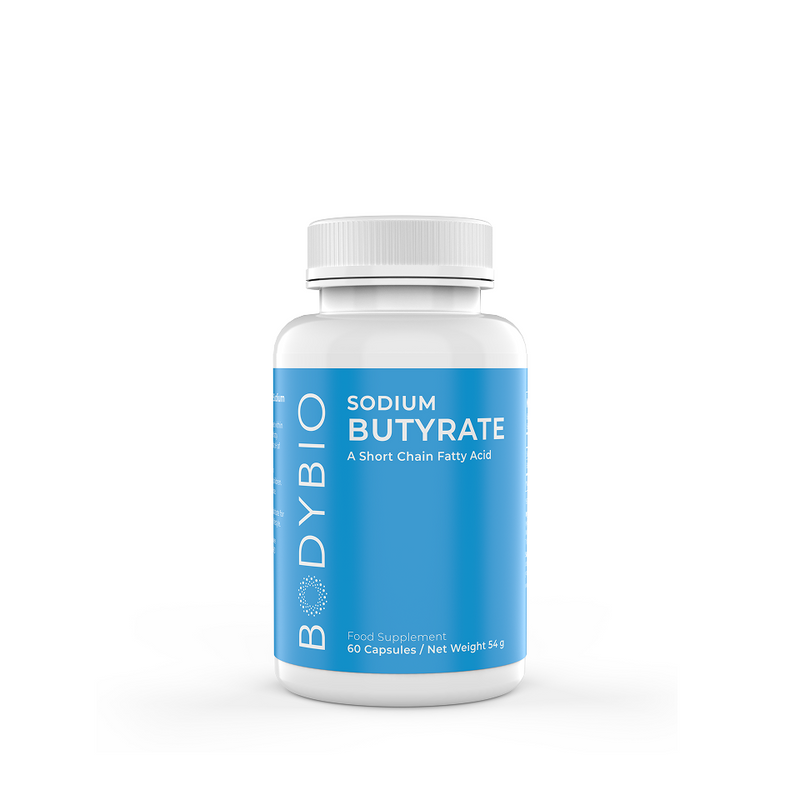
At BodyBio, we're passionate about restoring gut health at the cellular level—and one of the most powerful tools in our arsenal is BodyBio Butyrate, a vital short-chain fatty acid (SCFA) produced in the colon through the fermentation of dietary fiber. As we age, the diversity and abundance of beneficial gut bacteria that naturally produce butyrate tend to decline due to factors like poor diet, medications, and physiological stress. This reduction can compromise intestinal barrier function, immune regulation, and overall digestive resilience, making supplemental butyrate increasingly important for maintaining gut health over time.

Butyrate plays a multifaceted role in digestive health:

While fiber feeds butyrate-producing bacteria, modern diets and stress often reduce natural production. Supplementing with Butyrate can help bridge the gap—supporting your detox pathways and keeping your gut environment strong.

It's not a cleanse. It's a reset from the inside out.

Related Articles

Ashley Palmer | 06.16.2026

Comprehensive Guide to Butyrate: What it is, Benefits, Side Effects, & More

Butyrate is a necessary component to a balanced microbiome, also working as an inflammation guard*. One of several, short-chain fatty acids created from fermented resistant starches, low butyrate levels have been associated with serious health concerns.

Ashley Palmer | 04.24.2026

Butyrate and IBS: What Your Gut Cells Actually Need

You've tried the probiotics. You've cleaned up your diet. You're doing everything you're supposed to do, and your gut still isn't cooperating.

If you have IBS, that frustration is familiar. Bloating, urgency, unpredictable mornings, the constant guessing game of what's going to set things off.

What often gets missed in the conversation around IBS isn't a trendy new supplement or a stricter elimination diet. It's something more foundational: what your gut's own cells actually need to function.

Here's a closer look at what butyrate does, why IBS and low butyrate levels are closely linked, and how supporting the gut at the cellular level can make a difference.

Table of Contents:

  • Understanding Butyrate

  • How Butyrate Works in the Gut

  • Why This Becomes an Issue for People With IBS

  • Supporting the Body More Effectively

  • Butyrate, IBS, and the Cellular Health Connection

  • How Butyrate Supports IBS Comfort Long-Term

Understanding Butyrate

Butyrate is a short-chain fatty acid (SCFA) produced in the colon when beneficial gut bacteria ferment dietary fiber, specifically resistant starch. It belongs to a class of compounds called postbiotics, the functional byproducts of a healthy microbiome.

Unlike probiotics, which are living bacteria, butyrate is a metabolite. It's a compound your body puts to work directly at the cellular level. Understanding the difference between probiotics and postbiotics, like butyrate, is a useful shift you can make when thinking about gut health.

Why the Body Relies on Butyrate

Your colon is lined with specialized cells called colonocytes. These cells run almost entirely on butyrate, providing up to 90% of their energy needs.

When colonocytes have what they need, they do their job well. They maintain the integrity of the gut lining, regulate what passes into the bloodstream, support a healthy inflammatory response, and help keep gut motility on track. Without enough butyrate, the gut’s main source of energy, the gut simply can't do its job well.

How Butyrate Works in the Gut

Butyrate supports three interconnected systems in the gut: the gut lining, the immune environment, and gut motility.

The gut lining is just one cell layer thick. Butyrate fuels those cells and supports the tight junctions between them, the structural connections that keep the barrier intact and functioning.

At the immune level, butyrate helps the body maintain a balanced inflammatory response in the colon without triggering overactivation. And because it directly influences the rhythmic contractions that move contents through the digestive tract, it plays a meaningful role in the irregular patterns that so many people with IBS experience.

What Happens When Butyrate Levels Are Supported vs. Strained

When butyrate is available in adequate amounts, the gut lining stays resilient, motility is more regular, and digestive comfort improves, whether you have a diagnosis of IBS or not.

If butyrate levels fall short, the gut barrier may become less stable, motility can become unpredictable, and the colon's immune environment may shift. How pronounced these patterns are varies from person to person. Diet, stress, genetics, and microbiome composition all play a role in your body’s patterns too.

Why This Becomes an Issue for People With IBS

Modern Stressors on Butyrate Production

Butyrate is made by gut bacteria that ferment resistant starch, a type of fiber found in foods like cooked and cooled potatoes, legumes, and underripe bananas. The modern diet is low in these foods. That means many people simply aren't giving their gut bacteria the raw materials they need to produce adequate butyrate levels.

Antibiotic use, chronic stress, and certain medications can also reduce the population of butyrate-producing bacteria in the colon. Over time, that compounds the butyrate production gap.

Why Common Approaches Often Fall Short

Probiotics can be a valuable part of gut health support, but most probiotic strains are not butyrate-producing species. They can shift the microbiome, but they don't directly address the fuel shortage that many IBS-related symptoms may stem from.

Fiber-based approaches come with a similar challenge. In some people with IBS, increasing fermentable fiber can worsen bloating and gas before it helps, because a disrupted microbiome may not efficiently use that fiber to make butyrate.

Since butyrate works at the cellular level, the signs of low butyrate can overlap common IBS symptoms, which is part of why the connection between the two gets overlooked.

Supporting the Body More Effectively

Foundational Support for Butyrate Production

Diet is the first step to improving the body's natural butyrate production. Foods high in resistant starch give butyrate-producing bacteria what they need to function properly.

Foods that naturally support butyrate production include cooked and cooled rice, potatoes, and legumes. A steady intake of resistant starch over time does more for the microbiome than occasional high-fiber days followed by low-fiber ones.

Stress management and adequate sleep can also support a more stable gut environment. Chronic stress directly affects microbiome composition and motility through the gut-brain axis. 

When Targeted Butyrate Support Makes Sense

For people whose microbiome is disrupted or whose diet can't consistently provide enough resistant starch, direct butyrate supplementation is another option for long-term support.*

Supplemental butyrate delivers the short-chain fatty acid directly to the colon, where colonocytes can put it to use.* Clinical research has shown that sodium butyrate supplementation is associated with improvements in abdominal comfort and bowel regularity in people with IBS.

Sodium butyrate and calcium magnesium butyrate are both effective options, and the differences between which works best for your body often come down to your individual health history and mineral needs.*

Butyrate, IBS, and the Cellular Health Connection

IBS is complex, and its causes vary from person to person. But one consistent finding in the research is that people with IBS tend to have lower levels of butyrate-producing bacteria and overall reduced short-chain fatty acids in the gut. That points to a cellular resource problem as much as a microbiome problem.

When the cells lining the colon are undersupported, the entire digestive environment becomes less stable. Gut barrier function, motility, immune signaling, and communication along the gut-brain axis all depend on colonocytes having what they need to function.

Supporting the gut at the cellular level is not a replacement for other gut health practices (whole food probiotics, exercise, etc.). It’s the foundation that makes those practices more effective. When your cells are supported, the body functions more efficiently as a whole.

How Butyrate Supports IBS Comfort Long-Term

IBS can feel like a moving target, and the path toward better digestive comfort is rarely a straight line or a quick fix. Supporting your gut at the cellular level creates a more stable foundation, and that starts with making sure colonocytes have the fuel they need.*

Butyrate works best as part of a consistent approach that includes diet, lifestyle, and targeted support where needed. Progress tends to be gradual, and that's expected. It reflects the time it takes for the gut lining to strengthen and the microbiome to rebalance.

IBS makes a lot more sense when you know what the gut's cells actually need. And that clarity is often where real progress begins.

Support your gut at the cellular level with BodyBio Butyrate.*

Ashley Palmer | 11.25.2025

How Sugar and Stress Impact Gut Health (and How to Support It During the Holidays)

Between the office party appetizers, your aunt's famous cookies, and that second or third glass of wine at dinner, your gut is working overtime this holiday season. Add in travel stress, family dynamics, and back-to-back celebrations, and you've got the perfect storm for digestive chaos. Your microbiome gets thrown off balance, bloating kicks in, and suddenly, you're fighting to recover while the next event looms ahead on the calendar.

But you don't have to choose between enjoying the holidays and feeling good. A few simple habits and smart supplement support like butyrate can keep your gut balanced and your energy steady, even when you're indulging more than usual.*

Table of Contents:

  • How Sugar Disrupts Gut Health

  • The Stress-Gut Connection

  • Alcohol's Role in Gut Imbalance

  • Supporting Your Gut During the Holidays

  • Butyrate Q&A: Your Holiday Gut Support Ally

  • Keep Your Gut (and Holidays) Happy

How Sugar Disrupts Gut Health

Sugar is everywhere during the holidays, from dessert spreads to seasonal lattes. And while your taste buds are celebrating, your gut (and metabolism) is dealing with the consequences.

Refined Sugar and the Microbiome

When you're eating more holiday cookies and desserts than usual, certain bacteria in your gut that love simple carbohydrates start to flourish. This temporary shift can show up as stronger cravings, more bloating, or mood changes, which may help explain why you keep going back to the cookie tray.

When this imbalance sticks around, it can affect your gut barrier (the protective lining that keeps your gut contents where they belong). When that barrier gets compromised, bacterial byproducts (waste and toxins produced by bacteria) slip into your bloodstream and trigger inflammation throughout your body. Since at least 70-80% of your immune system lives in your gut, keeping this barrier strong is especially important during the holidays when you're more susceptible to seasonal bugs. 

This systemic inflammation can even show up as breakouts or dull skin, another reminder of how deeply your gut health affects your whole body.

Sugar Spikes and Cellular-Level Stress

Those cookie-fueled blood sugar rollercoasters don't just zap your energy. They create stress at the cellular level. Your mitochondria have to work overtime to manage these ups and downs. The oxidative stress that results from these swings doesn't stay in your gut. It affects your whole body, compounding the stress you're already feeling and making recovery that much harder.

The Stress-Gut Connection

Between travel logistics, family gatherings, and year-end deadlines, the holidays can send your cortisol levels soaring. That stress response directly impacts how your gut functions.

The Gut-Brain Axis in Action

Your gut and brain are in constant conversation through the gut-brain axis. When stress rises (from travel chaos, family dynamics, or that never-ending to-do list), your body pumps out cortisol to help your body handle it. Cortisol slows digestion and weakens your gut barrier, exactly when you need them working their best.

Holiday Stress + Sugar = A Rough Combination

When emotional stress meets dietary stress, the side effects can multiply quickly. This is why bloating, constipation, and relentless sugar cravings often show up together during the busiest weeks of the year. Your gut is working overtime to keep up.

Alcohol's Role in Gut Imbalance

Holiday cocktails and wine (or your beverage of choice) add another layer of stress to an already taxed digestive system, particularly when it comes to gut barrier integrity.

How Alcohol Affects the Gut Barrier

Alcohol increases gut permeability, making that protective barrier more porous, and feeds inflammation in your digestive tract. It also depletes beneficial compounds like butyrate that your gut needs to stay strong.

The Next-Day Domino Effect

Ever notice how after a night with just one or two cocktails, you sleep poorly, crave sugar like crazy, and feel more stressed the next day? Each of these factors puts more strain on your microbiome, creating a cycle that's tough to break when holiday parties stack up week after week.

But that doesn’t mean you have to abstain from the fun altogether to shield your gut from harm. You just need a plan to minimize the side effects. 

Supporting Your Gut During the Holidays

You can protect your gut without skipping the celebrations with just a few, simple, strategic habits that make all the difference.

Lifestyle Swaps

You don't need to overhaul your entire holiday routine. A few small shifts make a real difference:

Hydrate between drinks. No seriously, alternate a tall glass of water after each drink, preferably with added electrolytes. Water + key minerals help your body process both sugar and alcohol more efficiently.

Pair sweets with protein or healthy fats. A handful of nuts with that cookie, or hard cheese with your dessert, slows glucose absorption and prevents wild blood sugar spikes.

Move daily. Even a 15-minute walk after meals helps regulate stress hormones and gets your digestion moving. Get the whole family involved for more quality time together!

Eat butyrate-rich foods. Foods like butter, ghee, and aged cheeses naturally contain some butyrate, while fiber-rich foods like cooked and cooled oats, slightly underripe bananas, and legumes help your gut bacteria produce more of it.

Smart Supplement Support: Butyrate

Butyrate is a postbiotic (a beneficial compound that your good gut bacteria naturally produce) that supports your gut lining, reduces inflammation, and helps keep your microbiome balanced. It's the perfect holiday event partner for your gut.*

During the holidays, butyrate helps you:

  • Skip the bloat with no more uncomfortable gas after meals*

  • Digest rich foods without the heavy, sluggish feeling*

  • Balance blood sugar after dessert (high spikes → gentle hills)*

  • Recover faster between celebrations by strengthening your gut barrier*

Butyrate is flexible. You can take it with or without food, and dose up or down based on your needs (up to six capsules per day). Already taking a probiotic that works for you? Butyrate works alongside it (more on that below).

Butyrate Q&A: Your Holiday Gut Support Ally

Q: Can I take butyrate with or without food?
A: Either way works. Take it however feels best for you. Some people prefer it with meals, others between. The most important thing is to stay consistent for gut protection.

Q: Is butyrate the same as a probiotic?
A: No, it's a postbiotic! Probiotics add beneficial bacteria to your gut. Butyrate is what healthy bacteria produce to keep your gut lining healthy and reduce inflammation.*

Q: Can I take butyrate with probiotics?
A: Absolutely. Probiotics repopulate the good bacteria, while butyrate strengthens the environment they need to thrive. They work well together. If probiotics are giving you some beneficial results but not all, butyrate can help bridge the gap.* 

Keep Your Gut (and Holidays) Happy

Sugar, stress, and alcohol are part of the holiday package, and that's okay (in moderation of course). They don't have to derail how you feel or leave you fighting to bounce back.

Your gut doesn't need perfection; it simply needs nutrition, hydration, movement, and smart support when things get hectic. Butyrate is the perfect holiday event partner to support your gut microbiome and gut lining through every celebration, so you can enjoy the season without total gut and metabolic disruption.

When sugar, stress, and alcohol impact your gut this season, support your microbiome with BodyBio Butyrate.*