



Prebiotics, Probiotics, and Postbiotics: Why You Need The Trifecta of Good Gut Health

Key Takeaways:
Key Points:
- You need three main “biotics” for good gut health: prebiotics, probiotics, and postbiotics.
- Probiotic supplements can be difficult to get right for your individual microbiome, and they often simply do not work for those with specific and significant gut issues. They may even contribute to worse dysbiosis in some cases.
- With that in mind, we recommend consuming fermented foods for your probiotics (to tolerance) and nurturing your total gut ecosystem with pre- and postbiotics, such as butyrate.
It’s no secret that the health world has been obsessed with probiotics for over the last decade now. So much research and investment has gone into developing and testing different strains, seeing how they change our microbiome and influence the all-important gut ecosystem.
Prebiotics are the next most popular, as we’ve learned that certain foods and compounds support probiotics to do their jobs for us. And what are those jobs? Probiotics make postbiotics, the newest “biotic” on the block. As it turns out, postbiotics might be the most revolutionary of them all for our health and wellbeing.
Here’s an in-depth look at prebiotics, probiotics, and postbiotics — three P’s in a fermented pod.
Table of Contents:
- Prebiotics vs. Probiotics vs. Postbiotics
- Why You Need Pre, Pro, and Postbiotics for Better Health
- Examples of Prebiotics
- Types of Probiotics
- Types of Postbiotics
- Are Postbiotics the New Probiotics?
- Get a Postbiotic Boost with Butyrate
Prebiotics vs. Probiotics vs. Postbiotics
Prebiotic, probiotic, and postbiotic: Now that’s a lot of biotics. And we’re not even going into synbiotics and psychobiotics!
The first thing to know about these three main biotics is that they work in a continuum: prebiotics feed probiotics, which create postbiotics. And only one of these, probiotics, are living organisms. The prebiotics and postbiotics are the nutrient imports and exports that feed and are produced by probiotics. Still with us? Let’s dig into each of these equally important biotics separately.
What Are Prebiotics?
Prebiotics are the fuel for the probiotics and mostly take the form of certain whole foods we eat, but we can also synthesize certain prebiotic compounds and add them to supplements or processed foods. The whole-food prebiotic sources are usually plant foods high in fiber, which probiotics love to feast on.
What are Probiotics?
The word “probiotic” comes from Greek, meaning literally “for life.” That alone gives you an idea of how important probiotics are for our health.
In expanded terms, a probiotic is a beneficial microscopic organism, usually bacteria but also some species of fungi, that live within or on our bodies and confer a health benefit to us, its host. Basically, we give the probiotics a place to live, and they give us nutrients and maintain their environment, whether that’s our skin, gut, sinuses, etc. It’s a win-win for both of us.
What Are Postbiotics?
Postbiotics are what probiotics make when they consume prebiotics. While research is still developing around this brand-new subject, postbiotics are generally classified as beneficial substances to both the host and the microbes that produce them. So we definitely want to keep postbiotics around and encourage our probiotics to make more of them.
So far, the most popular postbiotic for its health-promoting effects is butyrate. Butyrate is a short-chain fatty acid (SCFA) that has been shown to have a range of benefits such as immunomodulatory and protective effects on the gut lining.* It may also help to maintain normal inflammation levels.*
You can check out our full blog on Butyrate here.
Why You Need Pre, Pro, and Postbiotics for Better Health
Okay, now that we have the basics down, let’s review why you need pre, pro, and postbiotics for outstanding health — and how you can get them.
Examples of Prebiotics
As we mentioned above, prebiotics are mostly plant foods high in fiber. The fiber content means that we can’t actually digest these foods, but the probiotics can. So when you hear that you need to get more fiber into your diet, that’s why. You feed your probiotics fiber, and they give you postbiotics that benefit your health. Let’s take a look at a few prebiotic foods you can incorporate into your diet regularly.
Prebiotic Foods
Delicious and nutritious prebiotic foods include:
- Apples
- Almonds
- Artichoke
- Barley
- Beets
- Beans
- Broccoli
- Chicory root
- Dandelion greens
- Garlic
- Mushrooms
- Oats
- Onions
- Whole grains
This isn’t an exhaustive list, but you get the idea. Which of these foods are you already eating regularly, and which can you try to add? For even more benefit, try to rotate the foods you eat to get a variety of colors and textures, which will not only keep your meals interesting but also contain different nutrients, like polyphenols and antioxidants.
Health Benefits of Prebiotics
Along with their high fiber content, prebiotic foods provide a number of different health benefits as they are digested by probiotics in the colon.
Foods like dandelion greens, artichoke, and garlic have shown antipathogenic effects, helping to protect the GI tract and maintain a healthy microbiome. Almonds contain magnesium and vitamin E and can be a great healthy fat source. When chia seeds absorb liquid, they form a mucus-like consistency that can support peristalsis and gut lining integrity.
Some prebiotics also increase calcium absorption in the body. They can help reduce allergies and inflammation due to their modulation of the microbiome and probiotics. They can also help stabilize blood sugar and regulate hormones.
How Do You Know If You Need Prebiotics?
If you’re wondering if you need prebiotics, the most common signs your gut is out of sync are constipation, diarrhea, bloating, and excessive gas. But there are other potential signs that point to needing prebiotic support:
- Digestion Issues: As mentioned, if you experience frequent digestion issues or discomfort, you might need prebiotics to promote the growth of beneficial bacteria and rebalance your gut microbiome, which can alleviate those symptoms.
- Weakened Immunity: Your gut plays a huge role in supporting your immune system, so if you are sick frequently or it’s difficult to recover from illnesses, it could be a sign of an imbalance in your gut microbiota where prebiotics could help to strengthen it.
- Sugar Cravings: If you’re constantly craving sugary foods, that might be a sign of an imbalance in your gut, feeding harmful bacteria that thrive on sugar. Since prebiotics feed on fibers and not sugar, they have the potential to reduce sugar cravings.
- Frequent Antibiotic Use: Multiple rounds of antibiotics disrupt the balance of gut bacteria, harming both harmful and beneficial microbes so a prebiotic can be used to help restore beneficial bacteria.
Types of Probiotics
Types of probiotics commonly include bifidobacteria and lactobacillus, and less commonly lactococcus, streptococcus, and enterococcus. Saccharomyces is a beneficial yeast strain also commonly found in probiotic supplements.
Common strains you’ll see in probiotic supplements and probiotic-enriched foods include:
- L. acidophilus
- L. casei
- L. gasseri
- L. plantarum
- L. reuteri
- L. rhamnosus
- B. bifidum
- B. breve
- B. infantis
- B. longum
- Lactococcus lactis
- Streptococcus thermophilus
- Saccharomyces cerevisiae (boulardii)
Soil-Based Probiotics
Soil-based probiotics have been touted as superior to other probiotics due to their survivability through the stomach and small intestine as well as their sourcing from nutrient-rich soil, where we naturally should be getting our probiotics on the food we consume.
Soil-based probiotics form spores, which are able to resist the harsh acidic environment of your stomach and make it all the way to your colon, where they can actually go to work making those beneficial postbiotics for you.
There’s no definitive answer on whether soil-based probiotics are better or worse for you; the response is individual. One person may respond well to a soil-based probiotic, while another may have GI-related side effects like bloating.
Probiotic Safety
While probiotics are safe for most, including babies, there are exceptions. People with severe illness or compromised immunity should consult a doctor before taking probiotics due to the potential for unintended consequences. For everyone else, probiotics are a generally safe way to support gut health, but consulting a doctor can help you choose the right strain for your needs.
Suppose you are immunocompromised or already dealing with significant health issues. In that case, you may be better off focusing on eating the prebiotic and probiotic foods that work for you to increase the probiotics in your gut.
Probiotic Foods
Then there are certain foods we can eat that already contain the beneficial probiotics we need. These are called fermented foods and may include:
- Yogurt
- Kefir
- Kimchi
- Sourdough
- Sauerkraut
- Kombucha
- Raw cheese
- Miso
- Tempeh
What probiotic foods are in your diet?
Should You Take a Probiotic Supplement for Gut Health?
In our opinion, probiotic supplements are often more trouble than they’re worth.
Most probiotic supplements operate under one of two models:
- The “throw every strain at the gut and see what sticks” model (multi-species probiotic)
- Or “use this very targeted strain and hope it’s what your individual gut ecosystem needs” model (single species probiotic)
This often leads to a lot of trial and error with different probiotics, and you might end up worse off (more dysbiosis) than where you started. More often than not they simply don’t work — leaving you frustrated, wasting money, and still dealing with whatever gut issues you were trying to fix in the first place.
Probiotics work best when you know exactly which species/strains your microbiome needs — which is still pretty hard to test for and inaccessible for most people. Even if a certain strain or multiple strains have good research backing them, it’s hard to know whether the intended effects will apply to YOU and your microbiome.
Instead of appointing yourself the probiotic supplement tester, we suggest finding a few probiotic foods that taste and feel good to you and incorporating them regularly. Only use probiotic supplements when medically necessary, such as during/after a course of antibiotics.
Can You Take Prebiotics and Probiotics Together?
Absolutely! In fact, taking prebiotics and probiotics together can be quite beneficial to the health of your gut and help ease IBS symptoms. Some research has found that combining prebiotics and probiotics (called a synbiotic) may be more effective than taking either one alone. This could be because the prebiotics provide a targeted food source for the specific probiotic strains, enhancing their effectiveness.
To encourage a long-term positive shift in the gut ecosystem (which is more than just your microbiome), we prefer to prioritize prebiotic and postbiotic foods to nurture the commensal bacteria in your gut.
Types of Postbiotics
Now for the new kid on the block: postbiotics. There are several types of postbiotics, including exopolysaccharides (EPS), enzymes, short-chain fatty acids (SCFAs), vitamins, aromatic amino acids, and more. Since the research is still relatively new (and complex), we’ll mostly focus on the category of SCFAs.
Health Benefits of Postbiotics
Short-chain fatty acids, including acetate, propionate, and butyrate, are postbiotics with incredible health benefits. In general, SCFAs have anti-microbial, anti-inflammatory, and anti-tumor effects. They modulate cellular activity and the immune response. They help control glucose stability, appetite, and cardiovascular effects.
While acetate is the most abundant SCFA in the human body, butyrate has been studied the most due to its presence in the gut as the primary fuel source for the colonocytes, cells in the lining of the colon. Butyrate has been found to enhance intestinal barrier structure and function as well as mucosal immunity, which is great news for anyone with a leaky gut.
Postbiotic Foods
Just like prebiotics and probiotics, you can get some postbiotics from the foods you eat. There aren’t a lot of foods that contain postbiotics (SCFAs) themselves, but there are many foods that provide the fuel for probiotics to produce postbiotics, especially SCFAs.
Some postbiotic foods are:
- Dairy, including butter and cheese (contain postbiotics)
- Cooked, cooled oats
- Cooked, cooled rice
- Cooked, cooled potatoes
- Legumes
- Bananas, especially underripe ones
- Onions
- Asparagus
All of these foods except for dairy are postbiotic fuel for your microbiome. The grains, potatoes, and legumes contain resistant starch, which ferments in the colon and produces SCFAs. The bananas, onions, and asparagus contain fructo-oligosaccharides, which also fuel butyrate production.
For more explanation on these butyrate-producing foods, check out our article here.
Postbiotics Supplements
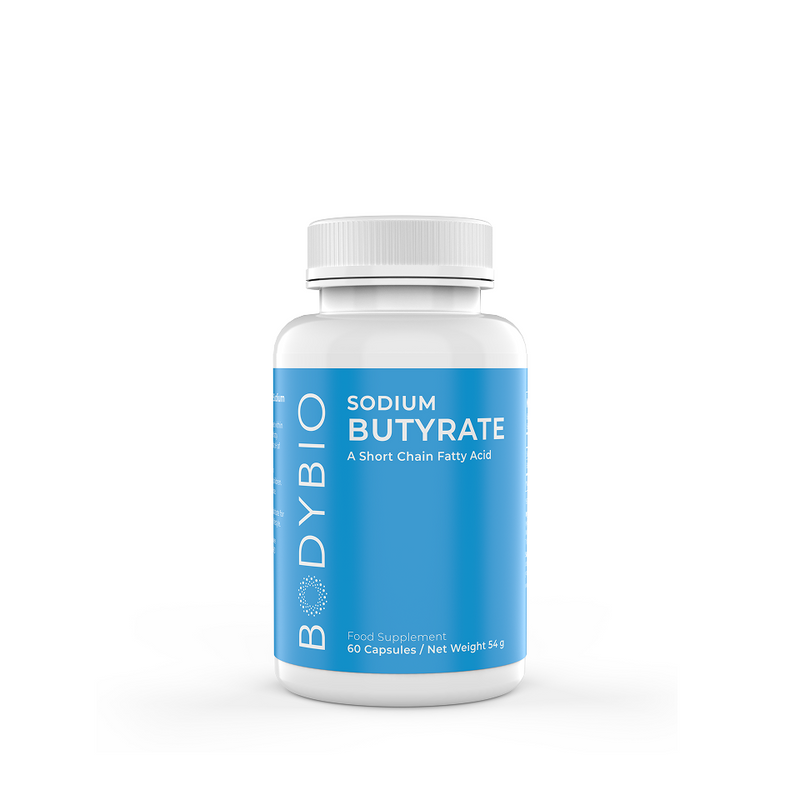
Finally, you can get postbiotics from high-quality supplements. So far the postbiotic market is focused on butyrate for its gut-protective effects, which we could all use in our high-stress, toxic world.
A butyrate supplement might be helpful for you if:
- You have IBS or another gut-related illness
- You struggle with constipation
- Your digestion is weakened and you can’t digest fiber well
- You want added immune and anti-inflammatory protection.
Still, this category of supplements is relatively new, and there are many unreliable products out there. At BodyBio, we have been making BodyBio Butyrate for 25 years, and we always prioritize quality in all of our supplements, leaving out fillers or additives.
Are Postbiotics the New Probiotics?
For now, postbiotics are relatively undefined and a bit of a dark horse in the health and wellness and supplement world. As an end product of probiotics, the question naturally arises: should you skip probiotics altogether and go straight for the postbiotics?
The answer, as you might expect, is not cut and dry. If you are using a probiotic supplement or regularly incorporating probiotic foods and find that it is helping you, by all means, continue. But if you are one of the many who have not found relief from digestive issues using probiotics, postbiotics may be a better option.
Since everyone’s microbiome is unique, probiotics can sometimes make digestion worse by adding the wrong kind of probiotic bacteria to an already imbalanced microbiome. But everyone needs postbiotics, especially SCFAs like butyrate, for gut health. So, for most people, postbiotic supplementation or increasing postbiotic-rich foods may be more beneficial for their personal microbiome and gut environment.
Get a Postbiotic Boost with Butyrate
Postbiotics are a new frontier in the alternative health space. With so much more research to be done, we’ve barely scratched the surface of these remarkable probiotic-made compounds. We can’t wait to see how the world of postbiotics continues to grow and evolve!
Now that you know the differences between prebiotics and probiotics and postbiotics, you can start taking advantage of their power through your diet and supplements like Bodybio Butyrate!https://www.ncbi.nlm.nih.gov/pmc/articles/PMC5622781/
https://www.mdpi.com/2072-6643/12/8/2189
https://www.ncbi.nlm.nih.gov/pmc/articles/PMC8002343/
https://www.ncbi.nlm.nih.gov/pmc/articles/PMC5554123/
https://www.ncbi.nlm.nih.gov/pmc/articles/PMC6801921/
https://www.ncbi.nlm.nih.gov/pmc/articles/PMC4903954/
https://pubmed.ncbi.nlm.nih.gov/30451441/


