






7 Powerful Supplements for Energy + Lifestyle for Energy Every Day


Key Takeaways:
Key Points:
- Before exploring the best energy supplements, it’s important to understand the root cause of low energy. Everything from hormone imbalances to gut dysbiosis and toxic burden can impact how you feel on a day-to-day basis. Find your root cause and choose supplements for energy that target it.
- Turn to minerals and vitamins for energy. Nutrient insufficiency is fairly common and impacts your body more than you think. Both vitamins and minerals play key roles in the health and vitality of the cells — which in turn, impact your overall energy.
- There are many lifestyle habits that could impact your energy levels and sleep quality. Make sure you’re getting adequate sleep throughout the night and calming your nervous system with easy exercises like yoga or sunset walks.
You’ve become the friend who never has enough energy for a brisk summer hike, even though the weather is beautiful…
Afternoon slumps have you desperately reaching for snacks and coffee — anything to relieve that feeling of dragging yourself through your tasks.
You often push aside chores and fun activities alike in favor of a daily nap or TV show binge — and wonder how your children could possibly keep running around in the backyard for hours when you’re drained.
You’re coming to terms with the facts: your energy levels simply aren’t what they used to be.
The good news is, chronic fatigue doesn’t have to be your story. There are a number of lifestyle hacks and supplements for energy that can help you reverse feelings of sluggishness.
In this blog, we’re exploring the best supplements for energy, plus root causes that might be making you tired in the first place.
Should You Take Energy Supplements? Exploring the Root Causes of Fatigue
Before we dive into the best supplements for energy, let’s explore what could be making you tired. Supplements are a great resource to help you feel like yourself again — but they won’t be as effective if there’s a chronic underlying issue that’s causing your symptoms.
Here are some root cause issues we commonly see associated with low energy levels:
- Gut dysbiosis
- Hormone imbalance
- High toxic burden
- Poor sleep quality
- Nervous system dysregulation
- Mycotoxin/biotoxin illness
- Allergies
- Food sensitivities
- Low caloric/nutrient intake
- Mineral and vitamin deficiency
If you suspect one of these issues is driving your fatigue, we recommend researching a more permanent solution and potentially finding a practitioner who can help guide you. Whatever energy supplements you choose, make sure they align with the recommended treatment for your root cause issue, too.
The Disadvantages of Caffeine
When the afternoon slump kicks in, you may want to reach for another cup of coffee. While caffeine is known for boosting energy levels, it’s only a band-aid solution. Plus, it’s more likely to disrupt your sleep when you consume it later in the day.
What you might not know about your favorite morning beverage is that it can actually modify neurotransmitters, in both positive ways (increasing dopamine for motivation) and negative ones (suppressing GABA, which may lead to anxiety). Plus, if you experience jittery and anxious feelings after a cup of coffee, you’re probably feeling an increase in cortisol (the stress hormone) and adrenaline. Make no mistake, caffeine is putting your adrenals to work.
It’s okay to turn to coffee for an occasional afternoon energy boost, but long-term overuse isn’t recommended — especially for those with nervous system issues and hormone imbalances. Try something else instead, like these natural supplements for energy.
7 Supplements for Energy
Supplements can be a great tool for restoring energy in the body and helping your body adapt to producing more energy itself. But where do you start? We recommend choosing from these seven reliable supplements that help to nourish your whole body and increase energy levels over time. Let’s explore the unique benefits of these supplements for energy.
1. Vitamin B for Energy
Vitamin B12 and vitamin B6, specifically, are used by the cells for energy production. One job of vitamin B is to convert food molecules (fats, proteins, and carbs) into usable glucose for the body. It’s also known to help increase red blood cell counts.
One research review shows that vitamin B deficiency plays a role in cognitive decline — and even advises, in certain cases, that patients take more than the recommended amount of daily vitamin B (aka the amount to keep you functioning at baseline, not necessarily optimal health). B’s are water soluble, so any excess is filtered out through the kidneys.
2. Magnesium
Mineral deficiency is a common cause of low energy, and magnesium especially plays a key role in cellular function, blood sugar balance, energy production, and nervous system wellness.
If you’re constantly in a state of fight-or-flight or you have trouble sleeping at night, see if magnesium can optimize your sleep and wake patterns — while adding a sense of calm to your life. For those who have experienced chronic illness or long-term emotional stress, magnesium stores may already be depleted.
We recommend taking magnesium before bed since it has a calming and relaxing effect on the body — and that way you’ll wake up well-rested and ready for the day ahead!
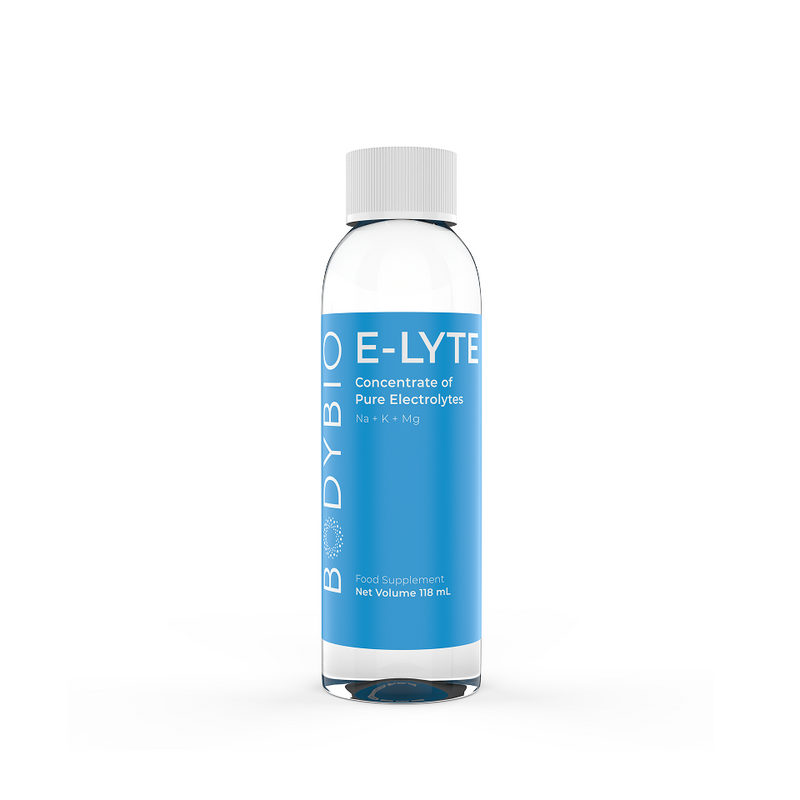
3. Electrolytes
Electrolytes are in charge of electrical charges and impulses in the body. They’re a combination of minerals and water that work to hydrate cells and control muscle contractions.
While they don’t produce energy alone, electrolytes help nourish the cells and synthesize Adenosine triphosphate (ATP) — supercharging this energy molecule for optimal energy release from your mitochondria. Electrolytes also maintain a careful balance of fluids in the body, which is important for exercise and many other molecular processes.
4. Adaptogens
If stress is causing your unstable energy levels and you can’t overhaul your lifestyle overnight to reduce that stress, it might be time to try adaptogens while you put more stress-reducing habits in place. Adaptogens are natural herbs and mushrooms that help your body “adapt” to the stress around you, boosting your energy when needed and calming you down when it’s time to relax.
According to one study, “Adaptogens increase the state of non-specific resistance in stress [aka, resilience] and decrease sensitivity to stressors, which results in stress protection, and they prolong the phase of resistance. Instead of exhaustion, a higher level of equilibrium (the homeostasis) is attained.”
Adaptogens are great for those with nervous system disruption — and can help to steady your energy levels throughout the day.
5. Creatine
Another nutrient connected with increased ATP levels in the mitochondria, creatine helps to boost energy at the cellular level. This amino acid provides fuel to the brain and also helps increase dopamine (boosting energy through risk and reward).
If your muscles and brain feel sluggish after a workout, creatine may help to revive and redistribute energy throughout your body.
6. Butyrate
Okay, this one might seem unexpected but hear us out: butyrate can directly impact the gut lining, decrease gut permeability, and balance blood sugar levels. If the gut isn’t properly breaking down food, it takes extra energy for your metabolism to run properly.
Additionally, a leaky gut can release food particles and other toxins into the bloodstream, which increases the risk of inflammation. Finally, blood sugar highs and lows can directly impact energy levels — no matter your lifestyle or daily routines.
If you suffer from gut dysbiosis of any kind and regularly feel tired, butyrate could be a key supplement for energy.
7. Vitamin C
You probably know that vitamin C is great for the immune system and it’s packed full of antioxidants. But did you also know that vitamin C is a key player in transporting essential fatty acids into the mitochondria? Yep, your daily dose of vitamin C is powering your everyday energy at a cellular level.
Vitamin C is also essential for healthy adrenals, and the extra boost to your immune system can help you fight off germs and pathogens that may be consuming your energy without your permission.
Find Ways to Restore Energy Naturally
When it comes to energy regulation, it’s important to take a look at your lifestyle patterns. If you’re only sleeping six hours a night, a supplement won’t replace your body’s desperate need for more sleep.
If an imbalanced nervous system or consistently high levels of cortisol (the stress hormone) and adrenaline are contributing to your insomnia, you must reevaluate your lifestyle habits alongside supplements to restore energy levels.
Low-impact exercises like yoga, pilates, and light nature walks can bring a sense of peace and tranquility to your body. Non-Sleep Deep Rest (NSDR) meditation and EFT tapping are great strategies, too.
At the end of the day, simple changes could supercharge your healing — and could even become more powerful than supplements in the right context. Make sure you’re eating enough, exercising, sleeping enough, and getting enough soul nourishment in your day-to-day activities. That way, supplements become the cherry on top that give you an extra pep in your step instead of another crutch you need to get through the day.
BodyBio's Secret to Stable Energy? Supercharged Cells
Alasmari F. (2020). Caffeine induces neurobehavioral effects through modulating neurotransmitters. Saudi pharmaceutical journal : SPJ : the official publication of the Saudi Pharmaceutical Society, 28(4), 445–451. https://doi.org/10.1016/j.jsps.2020.02.005
Kennedy D. O. (2016). B Vitamins and the Brain: Mechanisms, Dose and Efficacy--A Review. Nutrients, 8(2), 68. https://doi.org/10.3390/nu8020068
David G. Whitehouse, Benjamin May, Anthony L. Moore. (2019). Respiratory Chain and ATP Synthase. Reference Module in Biomedical Sciences. https://doi.org/10.1016/B978-0-12-801238-3.95732-5
Panossian, A., & Wikman, G. (2010). Effects of Adaptogens on the Central Nervous System and the Molecular Mechanisms Associated with Their Stress-Protective Activity. Pharmaceuticals (Basel, Switzerland), 3(1), 188–224. https://doi.org/10.3390/ph3010188
Tardy, A. L., Pouteau, E., Marquez, D., Yilmaz, C., & Scholey, A. (2020). Vitamins and Minerals for Energy, Fatigue and Cognition: A Narrative Review of the Biochemical and Clinical Evidence. Nutrients, 12(1), 228. https://doi.org/10.3390/nu12010228