


Fat Facts: Understanding Omega-3 & Omega-6 for Better Health background image
December 17, 2025

Fat Facts: Understanding Omega-3 & Omega-6 for Better Health

Key Takeaways:

  • Omega-3 and omega-6 fats work together in the body — not against each other — to build healthy cell membranes, support mitochondrial energy, and regulate inflammation.
  • Quality matters: fresh, unheated essential fats nourish cellular function, while highly processed or oxidized oils impair it.
  • Don’t overcomplicate it — BodyBio Balance Oil was designed to give your cells the foundation of omegas they need to thrive, while BodyBio Resolvin adds extra omega-3 support when needed.

Essential fatty acids are among the most influential nutrients in human biology — yet they’re also some of the most misunderstood. Omega-3s tend to get all the attention, while omega-6 fats are often labeled as inflammatory or harmful. But the truth is far more nuanced, and fortunately, far more empowering. 

Both families of fats are essential for building healthy cell membranes, powering mitochondrial energy production, supporting cognition, regulating inflammation, and guiding how the body responds to stress and recovers from it.

If you’re someone who’s curious about how nutrition shapes your biology — and how to use targeted supplements to feel and function better — understanding essential fatty acids (EFAs) opens a powerful door. This blog breaks down the science of omega-3 and omega-6 fats in a clear, accessible way and introduces two key BodyBio formulas — Balance Oil and Resolvin — designed to support healthy cellular function in a modern world that often works against it.

Table of Contents:

  • Omega-3 & Omega-6 101: What They Are and Why They Matter

  • Membranes, Mitochondria & the Importance of Balance

  • Modern Fat Challenges: Quality, Oxidation & Cooking Oils

  • Resolution Biology: Why Omega-3s Do More Than “Fight Inflammation”

  • BodyBio’s Targeted Fatty Acid Solutions

    • BodyBio Balance Oil

    • BodyBio Resolvin

  • How to Build a Simple, Effective Fatty Acid Routine

  • Bringing It All Together: Nourish Your Cells, Support Your Whole Body

  • References

Omega-3 & Omega-6 101: What They Are and Why They Matter

Omega-3 and omega-6 fatty acids are called “essential” because your body cannot manufacture them on its own — you must get them through diet or supplementation. These fats influence everything from how your cell membranes are built to how your brain communicates, how your heart responds to stress, and how your body produces and resolves inflammation. If you want to understand these pathways more deeply, you can read more about what cell membranes are made of and how the omega-3 and omega-6 families function.

The omega-6 family begins with linoleic acid (LA), which can convert into gamma-linolenic acid (GLA), DGLA, and eventually arachidonic acid (AA), each playing a unique role in cell signaling and membrane structure. 

The omega-3 family begins with alpha-linolenic acid (ALA), which can convert into EPA and DHA — the long-chain omega-3s that support heart health, cognition, and inflammatory balance. Instead of viewing these families as opposing forces, it’s more accurate — and more empowering — to understand them as partners. Your body relies on both to function at its best.

Membranes, Mitochondria & the Importance of Balance

Healthy cells depend on healthy membranes, and those membranes are largely constructed from essential fats. Omega-6s, especially linoleic acid, are fundamental for membrane structure and for producing cardiolipin, a specialized mitochondrial lipid that helps generate ATP. You can explore more about how membranes repair themselves and how healthy fats fuel your brain to understand why these fats matter so much.

Omega-3s, in contrast, help regulate how cells respond to stress, repair themselves, and recover after inflammation. When the balance between these two families becomes disrupted — whether from a diet low in fresh omega-6s or from overusing generic fish oils — the result is often reduced membrane resilience. 

Many people feel this imbalance as lower energy, a foggy mind, dry or reactive skin, or slower recovery after exercise. Restoring essential fatty acid balance is one of the most effective ways to improve how your cells function on a daily basis. 

Modern Fat Challenges: Quality, Oxidation & Cooking Oils

One of the biggest challenges today isn’t a lack of dietary fats — it’s the quality of the fats we consume. Many commercial seed oils are highly processed and repeatedly heated, which damages their structure and produces harmful byproducts that can incorporate into cell membranes. You can learn more about these distinctions in our guide to healthy vs. harmful fats.

Even oils once naturally high in linoleic acid are now bred into “high-oleic” versions, altering their nutritional profile. At the same time, omega-6 fats have been widely misunderstood and unfairly labeled as inflammatory, when in reality the harm comes from consuming damaged, oxidized versions of these oils — not from fresh, unheated sources. 

Choosing unprocessed oils, storing them properly, and avoiding high-heat cooking with delicate polyunsaturated fats are simple but powerful ways to protect your cellular health. 

Resolution Biology: Why Omega-3s Do More Than “Fight Inflammation”

Inflammation is a normal, necessary biological response, but it becomes a problem when the body cannot complete the healing cycle. High quality omega-3s play a key role here because they provide specialized pro-resolving mediators, or SPMs — molecules that help your body shut off the inflammatory response once it has done its job. 

Resolution is an active, intentional process. It helps clear inflammatory byproducts, repair tissues, and restore balance. Many people think of omega-3s only as “anti-inflammatory,” but their true power lies in helping the body navigate stress, recover effectively, and maintain long-term resilience on the cellular level.

BodyBio’s Targeted Fatty Acid Solutions

Simplify your intake of healthy fats and make sure your cells get the resources they need every day.

BodyBio Balance Oil

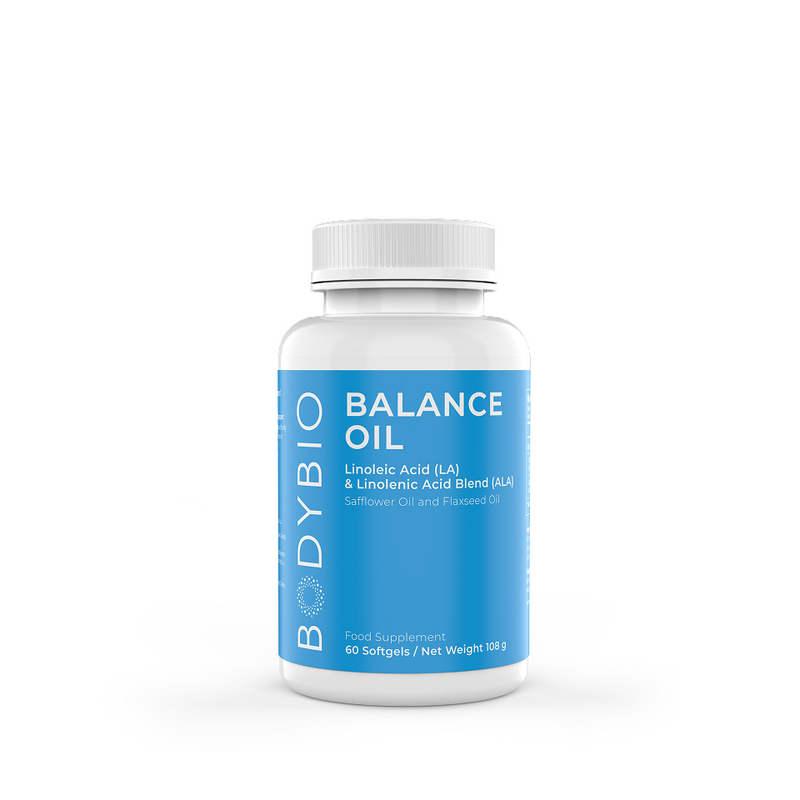
BodyBio Balance Oil is a pure, plant-based blend of linoleic acid (LA) and alpha-linolenic acid (ALA) in a 4:1 ratio designed to support the foundational fatty acids your cells use every day. This ratio nourishes the structure and fluidity of your cell membranes, supports mitochondrial energy production, and helps maintain healthy inflammatory signaling.*

Balance Oil is ideal as a daily essential fatty acid supplement because it aligns with how your body is naturally built to use omega-6 and omega-3 fats.*

BodyBio Resolvin

BodyBio Resolvin provides omega-3s and naturally occurring SPMs from herring roe extract, offering targeted support for recovery, immune balance, and the resolution phase of inflammation. Unlike generic fish oils, Resolvin supplies not just EPA and DHA, but also the downstream mediators your body needs to complete the healing process. This makes it especially supportive during periods of high stress, intense exercise, or increased inflammatory demand.*

How to Build a Simple, Effective Fatty Acid Routine (option 2)

You don’t need dozens of oils or megadoses of fish oil. A balanced, membrane-first routine is both simple and powerful:

1. Start with Balance Oil

  • Pure, non-oxidized organic safflower and flaxseed oils.
  • Restores essential omega-6 and omega-3 building blocks.*
  • Supports membrane structure, resilience, and energy production.*

2. Add Resolvin as needed

  • Supports resolution, recovery, and targeted omega-3 pathways.*

3. Choose high-quality whole-food fats

  • Egg yolks, cold-water fish, raw seeds, unheated cold-pressed oils.

Consistency — not high doses — is what creates measurable change in your cells. If you’re building a broader cellular wellness routine, you may also enjoy our guide to the science behind cellular health supplements. Combining these tools with nutrient-dense whole-food fats is a reliable, sustainable way to keep your cells nourished and functioning optimally.*

Bringing It All Together: Nourish Your Cells, Support Your Whole Body

Essential fatty acids shape nearly every aspect of your biology, from membrane structure to mitochondrial performance to inflammation resolution. When you understand how omega-3 and omega-6 fats work together, you can support your health at the cellular level — where true resilience begins.

Start with BodyBio Balance Oil to restore foundational fatty acids and support stronger, more flexible cell membranes. Add BodyBio Resolvin when you need targeted omega-3 and SPM support for recovery, immune balance, or periods of increased stress.

Your cells are always working for you — give them what they need to thrive.

Related Articles

Ashley Palmer | 05.21.2026

What is Methylene Blue? Cellular Energy and Nootropic Benefits

Have you noticed the recent health trend of people drinking a bright blue liquid and claiming it improves their brain function? That blue liquid is actually called methylene blue, a synthetic pharmaceutical dye, and biohackers are now promoting it as a fast-acting nootropic to clear their brain fog and force their mitochondria to produce more energy.

It sounds a little strange, sure, but the science behind this temporary energy boost is real. There’s one problem, though—relying on a single ingredient to force cellular respiration completely ignores the actual architecture of cellular health. In this article, we’ll explore what methylene blue is, how it alters your biology, and why true, long-term cellular restoration requires a foundational focus on your cell membranes rather than isolated quick fixes.

Table of Contents:

  • What Is Methylene Blue and Why Is It Trending?

  • Does Methylene Blue Actually Improve Mitochondrial Health?

  • The Hidden Problem With Biohacking Your Mitochondria

  • How to Support Cellular Energy Without Synthetic Dyes

  • True Energy Starts With Proper Cellular Support

  • Building Lasting Metabolic Resilience

What Is Methylene Blue and Why Is It Trending?

Before we understand why this compound is gaining popularity, let’s look at its origins and how it alters cellular function. Many people, maybe even including you, are searching for an immediate solution to chronic fatigue. This pursuit can often lead people to experiment with substances outside the realm of traditional nutrition, like methylene blue, which has become a prominent tool to help manage chronic fatigue. However, if you’re going to use methylene blue, it’s important to understand its original application and how it interacts with our human biology.

The Basics Of Methylene Blue As A Pharmaceutical Dye

Methylene blue originated in the 1800s as a textile dye before becoming the first fully synthetic medicine used to treat malaria. Today, doctors use it primarily as an FDA-approved treatment in hospitals for a rare blood disorder called methemoglobinemia, a condition where the red blood cells struggle to deliver oxygen to the body’s tissues. Because of methylene blue’s intense coloring, surgeons also use it as a dye to identify lymph nodes and map tissues during cancer procedures.

While it has legitimate medical uses, experimenting with it casually can come with significant risks. Purity is a major concern. Many people looking for a quick energy fix accidentally end up purchasing industrial or fish tank-grade methylene blue, which is often contaminated with toxic heavy metals. Even pharmaceutical-grade formulations can interact dangerously with certain daily medications. For example, combining this dye with common antidepressants can trigger serotonin syndrome, a potentially life-threatening biological reaction.

How Methylene Blue Acts As A Nootropic For Brain Fog

So why are people drinking a hospital-grade dye to clear their minds? It comes down to how methylene blue interacts with your mitochondria. When taken in very low, highly controlled doses, methylene blue acts as an alternative electron carrier. This means it directly donates electrons to your mitochondria, allowing them to bypass some of the normal biological steps required for cellular respiration, aka energy production.

This direct electron donation helps your cells produce adenosine triphosphate (ATP) much faster. ATP is the primary energy molecule that fuels your cells. By temporarily increasing cellular oxygen consumption and rapidly increasing energy production in the brain, low-dose methylene blue can help clear mental fatigue and sharpen focus. It provides a rapid surge of biological energy, which is exactly why it has earned a reputation as a fast-acting nootropic in the wellness space.

Does Methylene Blue Actually Improve Mitochondrial Health?

When fatigue sets in, it’s natural to want a quick solution to help your body produce more energy, and methylene blue targets specific internal structures to increase your output temporarily. While the science behind how it works is valid, isolating this single pathway only tells part of the story when it comes to your overall cellular health.

The Cellular Respiration And Energy Connection

Methylene blue specifically targets your mitochondria, the microscopic structures that generate the energy required for every physiological process in your body. When you take low doses of this compound, it easily crosses your cell membranes and accumulates right inside the mitochondria. Once there, it acts as an alternative electron carrier, and instead of going through the normal, sequential steps of cellular respiration, methylene blue shuttles electrons directly to the final stages of energy production. 

This biological shortcut increases your cellular oxygen consumption, reduces the accumulation of harmful free radicals, and rapidly stimulates energy output. Because of these unique cellular properties, it may also act as an effective antiviral agent, but research is still developing on this.

Short-Term Energy vs Long-Term Strain on Your Cells

When your mitochondrial health is naturally supported, your body maintains a steady, reliable output of energy. Using an isolated compound like methylene blue creates a temporary surge in that output. This functional boost feels highly effective in the short term, but you run into problems when you force your mitochondria to work harder without supporting their physical structure.

Your mitochondria actually have their own delicate membranes made up of specialized phospholipids. For energy production to work safely and efficiently, these membranes must remain fluid and flexible. If your body lacks the essential fatty acids required to maintain these boundaries, the mitochondrial membranes become rigid. Forcing a surge of energy through stiff, unsupported mitochondria using a synthetic dye only masks your fatigue while completely ignoring the foundational health of your cells.

The Hidden Problem With Biohacking Your Mitochondria

Relying exclusively on isolated compounds to address deep fatigue ignores the fundamental biology of how human cells operate. Most biohacking advice tends to treat the body like a collection of parts that can be individually upgraded. However, biological systems are deeply interconnected, and forcing one structure to overperform without supporting its surrounding environment eventually leads to systemic strain.

Why You Need to Address the Cell Membrane

Maintaining optimal health is difficult when dealing with intense environmental and nutrient stress. Chronic psychological and physiological demands drain the body of its natural resources, and people frequently attempt to address this exhaustion by reaching for single ingredients to force a specific physiological reaction. It’s no different than taking a prescribed medication to mask a symptom without treating the root cause of that symptom.

These single ingredients do help boost mitochondrial health temporarily. However, focusing only on the final step of the energy-making process is like putting new windows on a burning house. You aren’t addressing the body’s architecture itself, which is the cell membrane.

If either the outer cell membrane or mitochondrial membrane is stiff and lacks proper nutrients, the cellular structures can’t receive the support they need to function safely over time. A forced surge of energy can’t resolve the underlying structural deficiency.

How to Support Cellular Energy Without Synthetic Dyes

True cellular support requires shifting away from quick fixes and prioritizing the foundational components your cells actually need to regulate themselves. Instead of bypassing your natural energy pathways with a synthetic dye, you can provide the structural materials your biology requires to produce energy efficiently and safely.

Rebuilding Your Lipid Bilayer With Phospholipids

Long-term restoration of your cells and your mitochondria requires a deep focus on phospholipids. Phospholipids are specialized fat molecules that form the boundary of every single cell in your body. This boundary is known as the lipid bilayer. Crucially, phospholipids also form the protective membranes that wrap around your mitochondria.

Phospholipids, particularly phosphatidylcholine, act as the gatekeepers of your cells. They create a highly fluid, semi-permeable barrier that allows vital nutrients and oxygen to flow in while letting cellular waste flow out. When your body lacks these lipids, the cellular environment becomes rigid and compromised. Bypassing a stiff, unhealthy cell membrane to force energy production inside the mitochondria is simply unsustainable for the long term. You have to rebuild the architecture first.

Essential Fatty Acids For Mitochondrial Health

To keep those phospholipids healthy and your cell membranes fluid, you also need essential fatty acids. Specifically, your body requires linoleic acid (omega-6) and alpha-linolenic acid (omega-3). Your body can’t produce these fatty acids on its own, meaning you have to get them consistently through your diet or targeted supplementation.

These essential fatty acids provide the exact structural materials your body uses to construct healthy cell membranes. When you supply your cells with the right ratio of unoxidized linoleic and alpha-linolenic acids, your cellular boundaries remain flexible and highly oxygenated. You know what that means—more energy.

Because your mitochondria require a constant supply of oxygen to create sustained energy, maintaining a fluid, healthy membrane is the most effective way to support your daily energy levels naturally. When you address the architecture of your cells, you don’t have to rely on forced, synthetic stimulation.

True Energy Starts With Proper Cellular Support

At BodyBio, we operate on a very simple principle: when your cells are properly supported, your entire body functions more efficiently. The growing trend of using isolated biohacks like methylene blue perfectly illustrates why skipping your foundational health never works in the long run. True vitality does not come from forcing a temporary biological reaction; it comes from nourishing your body at the cellular level so you can remain healthy for the long term.

Why Your Structural Lipids Matter Most

You simply can’t force your cellular structures to work harder without supporting the membranes that protect them. When you prioritize healthy cell membranes, you allow for seamless communication between all your systems.

A fluid, well-structured lipid membrane ensures that vital nutrients flow in and cellular waste flows out efficiently. If you ignore these structural lipids, your cells become sluggish and unresponsive, no matter what supplements you take. By protecting and rebuilding this cellular boundary first, you optimize your entire physiological system from the ground up, giving you the natural, sustained energy you’ve been searching for.*

Building Lasting Metabolic Resilience

Understanding the limitations of isolated compounds changes the way we approach systemic health. While methylene blue may offer a temporary surge in focus, chronic fatigue is a clear signal that your cells require more systemic support to function correctly.

Establishing a resilient metabolism requires a balanced, foundational approach. Support your mitochondria and cell membranes with the essential fatty acids they need to stay flexible and function well.

Explore BodyBio Balance Oil for Cellular Support and Energy Production*

Daniela Lawler | 02.24.2026

Inflammation Is Not the Enemy: Why Membrane Integrity Determines Immune Balance

Inflammation has become one of the most overused—and misunderstood—terms in modern health. It is blamed for everything from occasional fatigue and muscle weakness to brain fog and weight gain. Patients are told they “have inflammation” as though it were a diagnosis. Diets and supplements promise to “stop inflammation,” often without any explanation of what that actually means. 

Somewhere along the way, inflammation stopped being understood as a biological process and became a pathology, a dirty word to suppress, silence, or eliminate. 

But inflammation is not the enemy. It is not a mistake. And it is not something the body “gets wrong.”

The real issue is not inflammation itself, but the loss of context around it: why it occurs, how it is regulated, and what the body requires to resolve it appropriately — including the cell membrane structure. 

Table of Contents:

  • What Inflammation Actually Is

  • Acute vs. Chronic Inflammation

  • Why Suppression Misses the Point

  • Inflammation as a Lipid-Mediated Process

  • Phospholipids are Structural, Not Optional

  • Omega Balance Requires Membrane Integrity

  • Immune Regulation Starts at the Cell Membrane

  • What Inflammation is Actually Telling Us

What Inflammation Actually Is 

Inflammation is a protective, adaptive response. It is how the immune system responds to physical, environmental, and/or psychological stress. When stressors are detected, the body increases blood flow, mobilizes immune cells, and activates signaling pathways designed to restore balance. 

This response is essential for survival. 

Without inflammation: 

  • Exercise would not lead to adaptation 

  • Normal tissue repair processes in the body would not occur 

Inflammation is not inherently damaging. It is purposeful, targeted, and meant to be temporary.  

Inflammation is also not inherently associated with disease states. The body’s inflammatory response to occasional, normal stressors is important for optimal health. 

Acute vs. Chronic: A Failure of Resolution, Not Excess 

Acute inflammation is intelligent and time-limited. It turns on when needed and turns off when the job is done. Chronic inflammation, by contrast, reflects a failure of resolution—a system that initiates signaling but cannot complete the cycle. 

This distinction matters. 

Chronic inflammation‡ does not necessarily mean the immune system is overactive. More often, it means the immune system is stuck signaling without the structural support required to resolve. Resolution is not passive. It is an active, energy-dependent process that requires intact cellular infrastructure.  

And that infrastructure begins with the cell membrane.

‡Chronic inflammation is not often self-diagnosable, as it can be complex and may mimic or be associated with other health concerns. Dietary supplements are not intended to treat, cure, or prevent disease, be substitutes for a drug or other therapy for disease, or augment or enhance therapies or drug actions intended for a particular disease. We always encourage reaching out to your healthcare practitioner as they know your health history and would be best at selecting the correct course of action.

Why “Stopping Inflammation” Misses the Point 

Modern approaches to inflammation often focus on suppression, including even “anti-inflammatory” diets, with little attention to why inflammation is present in the first place. 

While suppression may reduce symptoms temporarily, it does not restore immune intelligence. In many cases, it interferes with the body’s ability to complete the inflammatory process properly. 

This is why so many people experience: 

  • Recurring or shifting symptoms 

  • Increasing sensitivity over time 

When inflammatory signaling is silenced without regard for the system that generated it, the body adapts by amplifying signals elsewhere. Inflammation is not asking to be shut down. It is asking to be resolved. 

And normal resolution at the cellular level requires optimal cell structure.

Inflammation Is a Lipid-Mediated Process 

Inflammation is often discussed as if it exists in isolation, but in reality it is a lipid-driven process rooted in the structure of the cell membrane. Inflammatory and resolving signals—including prostaglandins, leukotrienes, resolvins, and protectins—are generated from fatty acids embedded within the membrane itself, where they are initiated, communicated, and brought to resolution. 

Cell membranes are not passive barriers. They are dynamic signaling platforms. 

The integrity and composition of the membrane determine: 

  • How inflammatory signals are initiated 

  • How intense those signals become 

  • How efficiently they are resolved 

When membrane architecture is compromised, immune signaling loses precision—not because the immune system is faulty, but because the messaging system is distorted. 

Phospholipids Are Structural, Not Optional 

At the core of membrane integrity are phospholipids—the structural lipids that form the bilayer of every cell membrane in the body. Among these, phosphatidylcholine (PC) plays a central role. 

Phosphatidylcholine maintains membrane fluidity and stability, anchors fatty acids in the correct orientation, enables proper receptor signaling, and supports normal membrane repair and turnover.* 

Without sufficient phospholipid availability, membranes become fragile, disorganized, and less responsive. Fatty acids may be present, but they are not properly integrated. Signals initiate, but they do not resolve cleanly. 

This distinction is critical. 

Inflammation is not regulated by fatty acids alone—it is regulated by fatty acids embedded within functional phospholipid membranes.

Omega Balance Requires Membrane Integrity 

Much of the public conversation around inflammation focuses on omega fats, often framed as “omega-6 bad, omega-3 good.” This oversimplification has led to aggressive omega-3 supplementation and avoidance of omega-6 fats, often without improvement—and sometimes with worsening outcomes. 

This framing does not reflect how lipid biology actually works. 

Omega-6 fatty acids are essential for initiating inflammation. Omega-3 fatty acids are essential for modulating and resolving it. Both are required. The issue is not presence, but balance, placement, and membrane integration of these two essential fatty acids. 

When phospholipid availability is insufficient, increasing fatty acid intake alone may further destabilize membranes. The result is louder signaling, not better signaling. 

Immune Regulation Starts at the Cell Membrane 

A resilient immune system is not defined by the absence of inflammation, but by the ability to initiate inflammatory signals when required and bring them to resolution efficiently. 

Inflammatory signaling does not happen in isolation. It is initiated, communicated, and brought to resolution within the physical structure of the cell membrane. When membrane integrity is compromised, signaling loses precision. The immune system may activate appropriately, but resolution becomes inefficient. 

What Inflammation Is Actually Telling Us 

Inflammation has become something to fear, yet the biology is far more nuanced. Inflammation does not usually reflect a failing immune system, but a system working without the structural support it needs to resolve signals properly.

When the focus shifts from suppressing inflammation to restoring membrane integrity, the narrative changes. The body is no longer treated as something to quiet, but as something to support. In this context, inflammation regains its rightful role as a temporary, adaptive response rather than a problem to manage.

As noted earlier, chronic inflammation is not often self-diagnosable, as it can be complex and may mimic or be associated with other health concerns. We always encourage reaching out to your healthcare practitioner as they know your health history and would be best at selecting the correct course of action.

Ultimately, inflammation is not the enemy. Instead of fighting inflammation, we can switch our focus to supporting cell membranes and cellular communication with phospholipids and essential fatty acids in the right balance. When the membrane is supported, immune regulation and a return homeostasis follows naturally. 


Learn more about phospholipids and essential fatty acids for health at the cellular level.*

Ashley Palmer | 09.24.2025

PCOS as a Metabolic Disorder: How Cellular Health and Healthy Fats Support Hormonal Balance

You're sitting in another doctor's office, hearing the same old advice about PCOS. "Lose weight, go on birth control, maybe try metformin." You nod politely, but inside you're thinking, "There has to be more..." And you're absolutely right.

What if everything you've been told about PCOS is only scratching the surface? What if those irregular periods, stubborn weight gain, and energy crashes aren't just "hormonal issues" but actually signs that something deeper is going on, right down to your cells?

The truth is that PCOS isn't just a hormonal condition. It's fundamentally a metabolic disorder rooted in how your cells function, communicate, and produce energy. And once you understand this, everything changes, including how you approach healing.

We're going to explore how PCOS actually starts with disrupted cellular communication and damaged mitochondria, and why the right healthy fats might be key to helping your cells heal from the inside out.

Table of Contents:

  • What Is PCOS?

  • Why PCOS Is Really a Metabolic Issue

  • What's Actually Happening Inside Your Cells

  • How Mitochondrial Dysfunction Drives PCOS Symptoms

  • How Healthy Fats Support Cellular Repair in PCOS

  • Simple Steps That Support Real Healing

  • Supporting PCOS Recovery Through Cellular Health

What Is PCOS?

Polycystic ovary syndrome, or PCOS, affects somewhere between 5-20% of women of reproductive age, making it one of the most common hormonal conditions women face today. Yet despite how prevalent it is, many women struggle for years to get a clear diagnosis, often visiting multiple doctors and feeling dismissed or misunderstood.

PCOS gets its name from the appearance of the ovaries on ultrasound, which often show multiple small cysts (though not all women with PCOS have these). But the condition is much more complex than just ovarian cysts.

The Traditional PCOS Diagnosis

Doctors typically diagnose PCOS using what's called the Rotterdam criteria. This diagnostic framework requires at least two of these three symptoms:

  1. Irregular or absent periods: This might mean cycles longer than 35 days, fewer than 8 periods per year, or periods that are unpredictable in timing and flow.

  2. Signs of excess androgens: This can show up as acne, excess hair growth on the face or body (hirsutism), male-pattern hair loss, or elevated testosterone levels in blood tests.

  3. Polycystic ovarian morphology: Multiple small follicles visible on an ovarian ultrasound, giving the ovaries a "string of pearls" appearance.

The Symptoms Women Actually Experience

Beyond the official diagnostic criteria, women with PCOS often deal with symptoms that significantly impact daily life: weight gain or difficulty losing weight, intense sugar and carb cravings, persistent fatigue, brain fog, mood swings, skin issues, sleep problems, and fertility challenges when trying to conceive.

What's frustrating is that these symptoms often develop gradually and can be dismissed as "normal" parts of being busy or stressed.

Why PCOS Is Really a Metabolic Issue

Conventional, Western medicine typically approaches PCOS as a reproductive disorder with some metabolic side effects. Birth control is often prescribed to regulate cycles, metformin for insulin resistance, and spironolactone for excess hair growth. While these treatments can help manage symptoms, they don't address why PCOS develops in the first place.

This is where the cellular health perspective becomes so important. When we understand PCOS as fundamentally a metabolic condition that affects cellular function, we can start to address the root causes rather than just manage the symptoms.

A key cellular marker of PCOS is elevated leptin. Studies have found that substantially elevated serum leptin is significantly associated with PCOS, and this isn't just a random association. Leptin is supposed to help your body understand when you have enough energy stored away. But when leptin signaling gets disrupted, your body essentially becomes deaf to its own fullness cues.

This creates a domino effect:

  • Your appetite regulation goes haywire

  • Energy storage becomes inefficient

  • Reproductive hormones get confused

  • Weight management becomes increasingly difficult

What's Actually Happening Inside Your Cells

Let’s keep diving into the cellular biology of PCOS. To really understand PCOS, we need to look at what's happening at the cellular level. Your cells contain mitochondria that produce energy and cell membranes that control what gets in and out. When these cellular components aren't functioning properly, your whole body feels it.

When Cellular Communication Breaks Down

Research reveals that hyperandrogenism and sympathetic overactivation disrupt hypothalamic-adipose signaling, ultimately contributing to PCOS pathophysiology. Simply put: the conversation between your brain and your fat cells gets seriously scrambled.

When your brain can't properly "hear" what your fat cells are saying about energy storage, it makes poor decisions about:

  • How much food you need

  • Where to store incoming calories

  • When to release stored energy

  • How to regulate reproductive hormones

This broken game of telephone between your cells explains why traditional "eat less, move more" advice often falls flat for women with PCOS. You're not fighting against willpower; you're fighting against confused cellular communication.

The Cell Membrane Connection

Your cell membranes are like the gatekeepers of cellular health, controlling what gets in and what stays out. These phospholipid-rich barriers are crucial for proper cellular function, but they're often overlooked in PCOS treatment.

When cell membranes become rigid (lose their ability to let nutrients through) or damaged:

  • Nutrients struggle to get into cells where they're needed

  • Hormonal signals get distorted or blocked entirely

  • Cellular waste builds up like traffic in a tunnel

  • Energy production becomes sluggish and inefficient

How Mitochondrial Dysfunction Drives PCOS Symptoms

Mitochondrial dysfunction, increased oxidative stress, and disrupted glucose metabolism (blood sugar dysregulation) are frequently observed in individuals with PCOS. Several factors in PCOS, including androgen excess and insulin resistance, collectively enhance oxidative stress, which subsequently leads to mitochondrial dysfunction. This creates a vicious cycle where damaged mitochondria produce more oxidative stress, which damages mitochondria even further.

When your mitochondria malfunction, you experience persistent fatigue that sleep doesn't fix, brain fog that makes simple tasks overwhelming, sluggish metabolism that makes weight management difficult, and mood swings as your brain struggles with inconsistent energy supply.

Studies show that significantly higher levels of oxidative stress markers and abnormal mitochondrial function have been found in patients with PCOS compared to healthy subjects. This isn't just about loading up on antioxidants—the real solution involves rebuilding the cellular infrastructure that supports optimal function.

How Healthy Fats Support Cellular Repair in PCOS

While PCOS has complex cellular roots, there are powerful nutritional tools to support healing. The key lies in understanding which nutrients actually reach and repair your cells, and healthy fats are absolutely central to this process.

Essential Fatty Acids: Your Cellular Repair Crew

A study of women with PCOS and healthy controls showed that women in the highest tertile of serum phospholipid omega-3 fatty acids were 40% less likely to have PCOS compared to those in the lowest tertile. This isn't just a correlation, these fats are actively involved in cellular repair and function.

Omega-3 fatty acids may work their magic by:

  • Cooling down inflammation at the cellular level

  • Supporting the production of hormones and signaling molecules

  • Improving how cells respond to insulin and other hormones

  • Helping repair damaged cell membranes

The source of your healthy fats matters. Omega-6 fats from processed seed oils are oxidized and inflammatory, but the same fats from whole foods or high-quality supplements actually support cellular health.*

Phospholipids: The Cellular Rebuilding Blocks

While everyone talks about omega-3s, phospholipids often fly under the radar, but they shouldn't. Phospholipids are the building blocks of cell membranes, and when your cellular walls are strong yet flexible, everything else works better.

Phospholipids (including phosphatidylcholine, phostphatidylserine and others) may help by:

  • Rebuilding damaged cell membrane structure*

  • Supporting cellular communication pathways*

  • Supporting mitochondrial function and energy production*

  • Supporting the body's natural detoxification processes*

Simple Steps That Support Real Healing

If PCOS really does stem from cellular dysfunction, then supporting your cellular health becomes a priority. Instead of only focusing on symptoms, you can address what might be driving them in the first place.

Prioritize Cellular Nutrition

The foods you eat directly impact your cellular health, so choosing nutrient-dense options becomes especially important when you're dealing with PCOS. Egg yolks, organ meats, wild-caught fish, and high-quality dairy and soy provide phospholipids that serve as building blocks for your cell membranes. These foods help rebuild the cellular infrastructure that supports optimal function.

Anti-inflammatory fats from wild-caught fatty fish, avocados, olives, and nuts provide essential fatty acids that may help cool cellular inflammation while supporting hormone production. Rather than following restrictive diets that can stress your system further, focus on balanced meals with protein, healthy fats, and complex carbohydrates. This approach helps stabilize blood sugar and reduces the oxidative stress burden on already-compromised mitochondria.

Many women with PCOS also struggle with mineral deficiencies that directly impact cellular function. Magnesium supports mitochondrial energy production and helps regulate insulin sensitivity. Zinc is essential for hormone production and cellular repair processes. Chromium helps improve how cells respond to insulin. These mineral deficiencies are particularly common in PCOS and can worsen the cellular dysfunction that drives symptoms.

Support Mitochondrial Health

Quality sleep is crucial for leptin signaling and mitochondrial repair. Aim for 7-9 hours of consistent, restorative sleep each night. When it comes to movement, exercise stimulates the creation of new mitochondria, but overdoing it can create more oxidative stress. Focus on strength training, walking, and activities you genuinely enjoy rather than punishing workout routines.

Chronic stress compounds existing cellular dysfunction, so finding stress management techniques that work for you becomes essential. Whether that's meditation, time in nature, or connecting with supportive people, managing your stress response helps protect your cellular health.

Supporting PCOS Recovery Through Cellular Health

PCOS isn't just a hormone problem; it's a cellular health issue that requires addressing the underlying dysfunction rather than just managing symptoms. When you support your cells with the right nutrition, proper sleep, and stress management, you're giving your body the tools to restore balance naturally.

BodyBio PC and Balance Oil help provide the foundational building blocks your cells need to rebuild membranes, support metabolism, and promote hormone balance.*