


Folinic Acid Benefits for Cognitive Health and Development background image
October 03, 2025

Folinic Acid Benefits for Cognitive Health and Development

Key Takeaways:

  • Folinic acid is a more bioavailable and effective form of vitamin B9 than folic acid.
  • Unlike folic acid, folinic acid bypasses enzyme roadblocks (like MTHFR variants) for better absorption and utilization.
  • Folinic acid supports neurotransmitter synthesis, cognitive function, mood regulation, and healthy brain development.
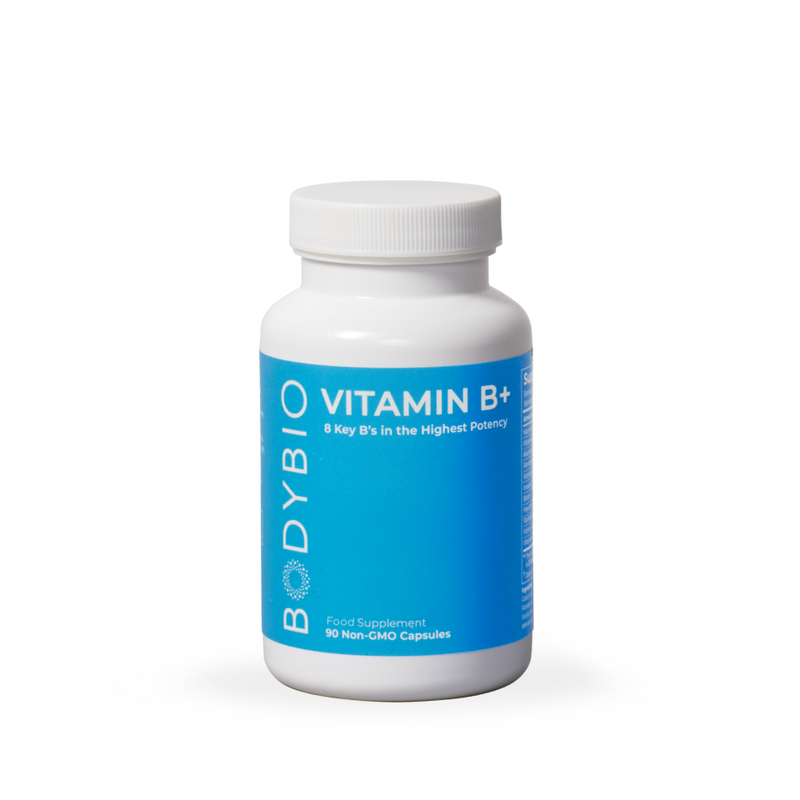
  • BodyBio has always used folinic acid in Vitamin B+ for optimal bioavailability and health outcomes.*

Lately, you may have noticed folinic acid sweeping the headlines for its cognitive, mood, and overall wellness support. While it might sound like the “new kid on the block,” the truth is that folinic acid has been a trusted, superior form of vitamin B9 for decades. 

At BodyBio, we’ve known this all along. That’s why our Vitamin B+ complex has always contained folinic acid (instead of folic acid)—because we’re committed to using the forms of nutrients that truly work with your body.

In this post, we’ll break down why folinic acid is different from the more common folic acid, why it’s a game-changer for brain and metabolic health, and why choosing the right form of vitamin B9 makes all the difference in your health and well-being.

Table of Contents:

  • What Is Folinic Acid?

  • Folinic Acid vs. Folic Acid: Key Differences

  • Why Folinic Acid Matters for Cognitive Health

  • Folinic Acid Benefits for Brain Development and Pregnancy

  • How Folinic Acid Works With All B Vitamins for Metabolic and Cognitive Support

  • BodyBio’s Commitment to Folinic Acid in Vitamin B+

  • Why You Need Folinic Acid

What Is Folinic Acid?

Vitamin B9 is one of the most essential nutrients in the body. It helps regulate methylation—the biochemical process that makes vitamins, amino acids, and lipids usable by your cells. It also supports neurotransmitter production, cardiovascular health, and cellular repair.

But not all forms of B9 are created equal.

Folinic acid, also called 5-formyl tetrahydrofolate, is an active metabolite of folic acid and a highly bioavailable form of vitamin B9. Unlike synthetic folic acid, folinic acid doesn’t need to go through complex enzyme conversions to become usable by the body. That makes it more efficient, more reliable, and more effective at delivering the benefits of vitamin B9.

Folinic acid is so powerful that it’s often used in medicine as a “rescue therapy” for patients taking methotrexate in cancer treatments—because it bypasses the blocked pathways folic acid relies on, restoring folate to healthy cells. 

Folinic Acid vs. Folic Acid: Key Differences

Here’s where confusion often arises: folate, folic acid, and folinic acid are frequently used interchangeably, but they’re not the same.

  • Folic Acid: A synthetic form of B9, widely used in cheap supplements and food fortification. It requires multiple conversions in the liver through enzymes like DHFR before it can become biologically useful in the body. For up to 40% of the world’s population with MTHFR gene variants, this process doesn’t work efficiently, leading to poor absorption, unmetabolized folic acid buildup, and elevated homocysteine levels. 

  • Folinic Acid: Already biologically active, folinic acid bypasses these enzymatic roadblocks. It doesn’t rely on MTHFR to do its job, which means it can be absorbed and put to work immediately by your body.

  • Folate: The active form of vitamin B9 used in the body. By supplementing with folic acid or folinic acid, we are trying to get the body to make folate that is usable in our cells. 

TL;DR: folic acid is inefficient and problematic for many people, while folinic acid offers a direct, effective form of vitamin B9.

Why Folinic Acid Matters for Cognitive Health

Your brain depends on folate to function. Vitamin B9 is a cofactor in producing neurotransmitters like serotonin, dopamine, and norepinephrine—the chemical messengers that regulate mood, motivation, and focus.

When folic acid can’t be metabolized properly (such as in those with MTHFR variants), neurotransmitter production suffers. This can contribute to issues like brain fog, mood instability, and cognitive decline.

Folinic acid ensures your body gets the usable form of B9 it needs to:

  • Support healthy neurotransmitter synthesis.

  • Regulate homocysteine levels (elevated homocysteine is linked to neurodegeneration and poor cognition as well as cardiovascular issues).

  • Improve overall brain energy, focus, and mood.

By skipping the conversion bottlenecks, folinic acid helps your brain function more efficiently—something folic acid simply can’t guarantee.

Folinic Acid Benefits for Brain Development and Pregnancy

Pregnancy dramatically increases the body’s demand for folate. The developing fetus relies on vitamin B9 for rapid cell division and especially for neural tube development. Without adequate folate, risks for neural tube defects like spina bifida increase significantly.

For decades, folic acid supplementation has been recommended during pregnancy—but the problem is clear: many women can’t metabolize folic acid effectively, leaving a gap when nutrition matters most.

Folinic acid provides a solution:

  • It bypasses the need for enzymatic conversion.

  • It supports fetal brain and nervous system development directly.

  • It offers a safer, more reliable form of B9 for women with genetic predispositions like MTHFR.

In short, folinic acid doesn’t just support brain development—it helps ensure the most vulnerable stages of growth are nourished without compromise. This is why BodyBio healthcare practitioners have been recommending BodyBio Vitamin B+, which includes folinic acid alongside the full range of B vitamins, to their patients for years.

How Folinic Acid Works With All B Vitamins for Metabolic and Cognitive Support

Vitamin B9 doesn’t work in isolation—it’s part of the full family of B vitamins that act as coenzymes in nearly every major metabolic pathway. Folinic acid pairs especially closely with vitamin B12, helping convert homocysteine into methionine, an amino acid essential for methylation, energy production, and nervous system health. Without enough folate or B12, this process stalls, leaving homocysteine elevated—a risk factor for heart disease, cognitive decline, and mood imbalances.

But folinic acid’s teamwork extends beyond B12:

  • With B6 (pyridoxine): Together they help process amino acids, build neurotransmitters like serotonin, and support mood balance.

  • With B2 (riboflavin): Folinic acid relies on B2-dependent enzymes in one-carbon metabolism, which is central to DNA synthesis and repair.

  • With niacin (B3): Both contribute to redox reactions that generate ATP, the cellular energy currency your brain and body run on.

This synergy is why taking B vitamins in a balanced complex—rather than in isolation—can be so effective. In addition to its unique benefits, folinic acid helps optimize the performance of its neighboring B vitamins, ensuring your cells get the full spectrum of metabolic and cognitive support.

At the end of the day, the Bs are like a network. When one is missing—or present in the wrong form—the whole system struggles. Folinic acid helps keep that network running smoothly, protecting both your cellular energy and your mental clarity.*

BodyBio’s Commitment to Folinic Acid in Vitamin B+

At BodyBio, we’ve always believed in going beyond the cheap, easy, or conventional option to deliver supplements that truly work with human biology.

That’s why BodyBio Vitamin B+ has always contained folinic acid instead of folic acid. Long before it was widely recognized, we knew that folinic acid’s superior bioavailability made it the better form of B9 for long-term health, cognitive support, and prenatal care.*

This is part of our commitment to cellular health: choosing nutrient forms that make a real difference at the cellular level—because your body deserves the best, not the shortcut.

Why You Need Folinic Acid

Folinic acid isn’t just “another form” of vitamin B9—it’s a superior, bioavailable nutrient that supports your brain, your mood, and even the earliest stages of life. Unlike folic acid, it works reliably for everyone, including those with MTHFR variants, and it helps ensure that critical processes like methylation and neurotransmitter synthesis can run smoothly. Supporting brain function, energy, and cellular health for all ages. 

That’s why we’ve always included folinic acid in our Vitamin B+ complex—because your brain, your body, and your cells deserve the form of B9 that actually works.*

Related Articles

Ashley Palmer | 02.05.2026

B Complex Quality vs Quantity: What Your Cells Actually Need Every Day

There are a lot of B complex supplements on the market, and honestly, a lot of them do more harm than good. Some B vitamin forms, like B12 cyanocobalamin, require extra conversion steps in the body to be of any use.

Most people's livers can't handle this conversion very well, which is why you might take B vitamins faithfully for months and still feel tired by mid-afternoon.

When you give your cells the right forms of B vitamins in the right amounts, people often notice their energy stays steady all day long within just a few weeks.* How much vitamin B-complex you actually need depends on getting forms your body recognizes and amounts that match your individual cellular demands.

Table of Contents:

  • What Is a Vitamin B-Complex?

  • Why Take B Vitamins Together

  • How Much Vitamin B Do You Actually Need?

  • Why Your B-Complex Needs Are Unique (And Probably Higher Than You Think)

  • How To Avoid The B-Complex Quality Crisis

  • Quality B-Complex Matters More Than Dosage

What Is a Vitamin B-Complex?

Vitamin B-complex is a group of eight water-soluble vitamins that your body uses to create energy from food and keep your nervous system running smoothly. Your body can't store these vitamins like it does with fat-soluble ones, so you need to replenish them daily—any excess water-soluble vitamins get flushed out when you urinate.

Each of these eight vitamins acts as a helper molecule in thousands of chemical reactions happening in your cells every second. When you're running low on B vitamins in their active forms (the molecular shapes your cells can actually use), your cellular energy production slows down, and you feel it as fatigue, brain fog, or a general sense of "running on empty."

The Different Types of B Vitamins and Their Functions

B-complex works better than B12 alone because each vitamin has a unique job in your cells.

B Vitamin

Primary Function

Deficiency Signs

B1 (Thiamine)

Converts glucose into brain energy

Mental fog and difficulty concentrating

B2 (Riboflavin)

Powers cellular energy production in mitochondria

Persistent fatigue and light sensitivity

B3 (Niacin)

Supports DNA repair processes in every cell

Skin problems and cognitive decline

B5 (Pantothenic Acid)

Enables coenzyme A production for metabolism

Common in stressed individuals; burnout symptoms

B6 (Pyridoxine)

Creates neurotransmitters for mood and cognition

Mood changes and poor immune function

B7 (Biotin)

Maintains cellular membrane integrity

Hair loss, brittle nails, skin problems

B9 (Folate)

Drives DNA synthesis and cellular division

Fatigue and cognitive issues

B12 (Cobalamin)

Maintains nerve covering and blood cell formation

Nerve tingling, memory problems

Why Take B Vitamins Together

B vitamins share the same absorption pathways (the routes nutrients take to get into your bloodstream) in your gut and work together in overlapping cellular processes. This is why taking massive doses of individual B vitamins can create bottlenecks that actually worsen deficiency symptoms (like fatigue, brain fog, mood changes, and nerve problems) in other B vitamins.

When you take isolated megadoses like a 5,000 mcg B12 pill by itself or a 100mg B6 supplement, you're flooding one cellular pathway while potentially starving others. For example, high-dose folic acid (the synthetic form of folate, which is the natural B9 vitamin your body needs for DNA repair) can mask B12 deficiency, contributing to nerve problems. 

Your cells work best when they get balanced nutrients, not massive isolated doses of single vitamins.

How Much Vitamin B Do You Actually Need?

Government Recommended Dietary Allowance (RDA) guidelines represent what the average person needs to avoid obvious deficiency diseases like beriberi and pellagra. These recommendations assume you're a healthy adult with perfect digestion, no stress, taking no medications, and eating a nutrient-dense whole foods diet. How many people does that actually describe? 

The RDA represents the minimum amount recommended to prevent disease and mortality, not the amount you need for sustained energy and sharp mental function. Most people need significantly more than the RDA, especially when you consider how stress, medications, processed foods, and modern life in general deplete B vitamin stores faster than a basic diet can replace them.

B Vitamin

RDA

Optimal Range (dependant on health status)

Key Considerations

B1 (Thiamine)

1.1-1.2 mg

25-100 mg daily*

Higher needs with diabetes, alcohol, high-carb diets

B2 (Riboflavin)

1.1-1.3 mg

25-75 mg daily*

Need increases with exercise, stress, aging

B3 (Niacin)

14-16 mg

50-100 mg daily*

Use niacinamide form to avoid flushing

B5 (Pantothenic Acid)

5 mg

50-500 mg daily*

Higher demands during chronic stress

B6 (Pyridoxine)

1.3-1.7 mg

25-100 mg daily*

Use P5P or pyroxidine HCl form; higher needs for mood/hormone issues

B7 (Biotin)

30 mcg

300-5,000 mcg daily*

Supports hair, skin, and nail health

B9 (Folate)

400 mcg

800+ mcg daily*

Use methylfolate or folinic acid (a flexible and well-tolerated folate precursor) only; higher in pregnancy

B12 (Cobalamin)

2.4 mcg

100-1,000 mcg daily*

Use methylcobalamin form; much higher needs after age 50

Why Your B-Complex Needs Are Unique (And Probably Higher Than You Think)

Age, Lifestyle, and Dietary Habits

After age 50, your stomach doesn't make as much acid as it used to, which makes it harder to pull B vitamins out of the food you eat. This is especially true for vitamin B12, which needs plenty of stomach acid to separate from food proteins. So even if you're eating all the right foods, your body might not be getting what it needs.

Stress is another major factor. Chronic stress burns through pantothenic acid (B5) and pyridoxine (B6) faster than your morning coffee disappears. Now let’s add common medications to the mix. Acid blockers prevent B12 absorption, birth control pills deplete B6/B12/folate, and antibiotics wipe out the good gut bacteria that actually make some B vitamins for you.

Then there's the modern diet situation. Processed foods give you calories but none of the helper nutrients your body needs to actually use those calories effectively. High sugar intake? Your body needs extra thiamine just to process all that sweetness.

Pregnancy and Increased B-Vitamin Requirements

Pregnancy increases folate requirements dramatically for DNA synthesis and rapid fetal growth. Neural tube development (formation of the baby's brain and spinal cord) occurs during weeks 3-4, often before pregnancy is known. Inadequate folate during this critical window can have lasting consequences.

Vitamin B6 and B12 requirements also increase during pregnancy for neurotransmitter synthesis and red blood cell production, supporting both maternal nervous system function and fetal development.*

Signs Your Body Needs More Vitamin B

B vitamin deficiencies creep up slowly, with symptoms that can be easily mistaken for everyday life. But what if that 3 PM energy crash or the fact that you can't remember where you put your keys isn't just "getting older?" What if it's actually your cells running low on the nutrients they need to keep you sharp and energized?

Signs that often get brushed off but shouldn't be:

  • That tired feeling that gets worse as the day goes on (your cells aren't making energy efficiently)

  • Feeling like you need three cups of coffee just to function (riboflavin and thiamine deficiency)

  • Hair that's thinning or nails that break easily (biotin isn't doing its job)

  • Tingling in your hands or feet, or feeling "off balance" (B6 and B12 deficiency affecting your nerves) 

How To Avoid The B-Complex Quality Crisis

Most B vitamin supplements are made with cheap synthetic forms that don't work well with your cellular machinery. The synthetic versions might have the same chemical formula as natural B vitamins, but they often lack the three-dimensional structure your cells recognize.

The forms that work with your body:

  • Methylcobalamin or adenosylcobalamin (not cyanocobalamin) for vitamin B12

  • Methylfolate or folinic acid (not synthetic folic acid) for folate (the natural B9 vitamin your body needs for DNA repair)

  • P5P (pyridoxal-5-phosphate) for vitamin B6

Skip anything with synthetic folic acid, cyanocobalamin B12, or massive individual doses that throw everything out of balance. Look for formulas that give you all the B vitamins in optimized and balanced ratios, like Bodybio’s Vitamin B+.*

Quality B-Complex Matters More Than Dosage

Most people need more B vitamins than the RDA suggests, especially if you're stressed, over 50, taking medications, or eating processed foods. But taking massive doses of cheap synthetic forms won't help if your cells can't use them.

Quality matters more than quantity. Look for active forms like methylcobalamin B12 and folinic acid instead of synthetic versions (i.e. folic acid). Your cells will thank you with better energy and sharper thinking.

Timing can also make a difference in how well your body absorbs these nutrients, so consider when you're taking your B vitamins along with what forms you're choosing.

Support your cells with BodyBio Vitamin B+ and experience steady energy and mental clarity all day long.*