

The Glutathione Buyer's Guide: What You Should Look For In a Glutathione Supplement background image
March 18, 2026

The Glutathione Buyer's Guide: What You Should Look For In a Glutathione Supplement

Key Takeaways:

  • Glutathione is the body's primary antioxidant, produced naturally in the liver. Levels decline with age, chronic stress, and ongoing exposure to environmental demands.
  • The form of glutathione and how it's delivered determines how much actually reaches your cells. Standard oral supplements often break down before they get there.
  • Look for reduced glutathione in a true liposomal delivery system, third-party tested for purity and potency.

It's Thursday. You've slept, eaten, done everything right this week, and you still feel like you're running on the wrong fuel. That exhaustion and fatigue, you just can't shake it.

Most people chalk it up to stress, or a busy season, or just getting older. Sometimes that's true. But with so many supplements on the market making the same promises, it's hard to know what's actually worth trying, or why some products work and others don't.

A lot of that confusion clears up when you understand what's happening at the cellular level. That's where formulation starts to matter more than most labels will tell you.

Glutathione is a fragile molecule. What form it takes and how it is delivered to the body determines whether a supplement actually raises your cellular glutathione levels, or just gets broken down in your gut before it has a chance to do anything. In this blog, we'll cover what glutathione actually is, why your levels can change, and the specific factors that separate a supplement worth taking from one that isn’t.

Table of Contents:

  • What Is Glutathione?

  • How Glutathione Works in the Body

  • The Problem With Most Oral Glutathione Supplements

  • Signs Your Body May Be Running Low on Glutathione

  • The Difference Between True Liposomal and Liposomal-Labeled Products

  • Small Daily Decision, Real Cellular Difference

What Is Glutathione?

Glutathione is a small protein called a tripeptide, built from three amino acids your body already produces. The liver synthesizes it continuously, and it is present in virtually every cell in the body. Often called the body's master antioxidant, it is one of the few compounds the body makes specifically to manage oxidative stress.

Why The Body Relies on Glutathione

Glutathione’s primary job is protecting cells from oxidative damage (functional harm caused to your cells, proteins, and lipids). Free radicals are unstable molecules produced during normal metabolic processes. When free radicals accumulate faster than your body can neutralize them, they damage cellular structures.

Your body is designed to keep glutathione balanced. After glutathione neutralizes a free radical, the body can recycle it back into its active form and put it back to work. But these levels naturally decline with age and drop even further in response to chronic stress, inadequate sleep, poor dietary protein intake, heavy alcohol use, and prolonged exposure to environmental pollutants. 

On the dietary and lifestyle side, sulfur-rich foods can help support your body's natural glutathione production: garlic, onions, eggs, and cruciferous vegetables like broccoli and Brussels sprouts. Protein from meat, fish, and legumes helps provide the building blocks the liver needs. Getting consistent sleep matters too, as glutathione synthesis is particularly active overnight.

For many people, these foundational habits are enough to keep things in a good place. For others, especially those managing significant oxidative stress, following a detox protocol, or preparing for pregnancy, demand can outpace what diet and lifestyle alone can replenish.

How Glutathione Works in the Body

Glutathione doesn't work in just one place. It shows up wherever the body is under oxidative pressure, which means it's active across several systems at once.

In the liver, it binds to toxins, alcohol byproducts, heavy metals, and environmental chemicals so the body can process and clear them safely. Most people don't realize how much the liver's ability to do its job depends on having enough glutathione available.

Alongside the immune system, it supports white blood cell function and helps keep the body's response to threats measured and effective. Immune cells burn through glutathione quickly when they're active, which is part of why illness, stress, and poor sleep can all chip away at your levels at the same time.

In methylation, the process your body uses for detoxification, mood regulation, and cell repair, glutathione plays a supporting role. Each system helps sustain the other, so when one is under pressure, the other tends to feel it.

And at the level of cell membranes, glutathione helps protect the fatty layer that surrounds each cell, keeping it intact and able to absorb nutrients and communicate properly. When that layer takes on oxidative damage, a lot of things downstream start to suffer.

What Happens When This Process Is Supported vs. Strained

When glutathione levels are well supported, these systems tend to work in rhythm with each other. The liver clears efficiently. Immune responses resolve without dragging on. Mitochondria produce energy steadily. The body handles ordinary demands, a stressful week, a drink with dinner, a seasonal illness, without falling significantly behind.

When levels are chronically low, the shift tends to be gradual rather than dramatic. The liver works harder without keeping pace. Immune cells lose some responsiveness. Mitochondria become more vulnerable, which shows up as fatigue that sleep doesn't fully resolve. It tends to look like reduced resilience across the board: slower recovery, less bandwidth, a body working harder to maintain the same ground.

The Problem With Most Oral Glutathione Supplements

Glutathione is fragile, and most standard oral supplements won’t survive the digestive environment. When you swallow a standard glutathione capsule or tablet, stomach acid and digestive enzymes begin breaking it down into its amino acid building blocks before it can be absorbed as glutathione. That means the form of glutathione and the delivery system used to get it to the cells both matter enormously.

Reduced vs. Oxidized Glutathione

Glutathione exists in two states in the body: reduced glutathione, known as GSH, and oxidized glutathione, known as GSSG. Reduced glutathione is the active, usable form. It is what neutralizes free radicals and performs the protective work your cells depend on. Oxidized glutathione is the spent form, after it has done its job.

For a supplement to be effective, it needs to contain the reduced form. Look for "reduced glutathione," "L-glutathione (reduced)," or "GSH" on the label. A product that simply lists "glutathione" without specifying the form is worth a closer look before you buy.

What Liposomal Delivery Actually Means

Liposomal delivery is the most well-researched approach to solving the absorption problem. Liposomes are tiny spherical particles made of phospholipids, the same material that forms your own cell membranes. When glutathione is encapsulated inside a liposome, the phospholipid coating protects it through the digestive process.

The liposome is able to travel through your stomach and small intestine intact. When it reaches your gut lining, it releases its contents for absorption into the bloodstream, and from there, into the cells that need it. Because liposomes are made of the same phospholipid material as cell membranes, they are able to merge with the membrane and deliver glutathione directly inside the cell, something a standard oral supplement cannot do.

Signs Your Body May Be Running Low on Glutathione

Because glutathione works at the cellular level across so many systems, the signs of declining levels rarely point to one obvious cause. They tend to show up as a general daily drag: things that are easy to attribute to stress, aging, or just a rough stretch.

Some patterns worth paying attention to:

  • Fatigue that doesn't resolve with rest. When mitochondria can't produce energy efficiently, the tiredness is different. It sits underneath everything, even after a full night of sleep.

  • Getting sick more often, or taking longer to recover. Glutathione plays a direct role in immune cell function. When levels drop, the immune system loses some of its responsiveness.

  • Brain fog or difficulty concentrating. When antioxidant support in the brain drops, cognitive clarity tends to go with it. Slower thinking, harder to focus, harder to find words.

  • Skin that looks dull or is slower to heal. Cellular turnover depends on healthy oxidative balance.

  • Increased sensitivity to alcohol, medications, or environmental exposures. The liver works harder to compensate when it doesn't have enough glutathione to keep up with the detox demand.

None of these symptoms point to one clear answer on their own, and they overlap with plenty of other things. But when several show up together, especially in someone dealing with ongoing stress, significant toxic load, or the gradual changes that come with age, glutathione is worth factoring in, particularly for anyone navigating specific health demands like liver support, detox, or prenatal and preconception health.

The Difference Between True Liposomal and Liposomal-Labeled Products

Many products labeled as liposomal don’t actually use liposomal technology. Some products simply mix glutathione powder with lecithin or suspend it in oil. These formulations don’t form true liposomes. These kinds of mixtures can clump in the digestive tract. Without a true liposomal formula, the absorption advantage disappears entirely.

When looking for a glutathione supplement, look for specifics about how the delivery system works. Phospholipids derived from soy or sunflower are a common and well-tolerated source for true liposomal formulations. Products that list only "sunflower lecithin" or note that glutathione is "suspended in oil" (without evidence of liposome formation) may not be delivering the absorption benefit the label implies. Of course, glutathione injections are also an option for adequate delivery and absorption as well. 

What to Look for on the Label

Third-party testing is non-negotiable. Supplements aren't regulated with the same rigor as pharmaceuticals, which means the label doesn't always reflect what's actually in the capsule. Independent verification confirms potency, purity, and that what you're taking is free from contaminants; treat it as a baseline, not a bonus.

Beyond testing, look at the ingredient list. A product that relies on a long list of fillers and binders wasn't built with your cells in mind. And on dosage, most clinical research on glutathione supplementation sits in the 250 to 500 mg range. More isn't better if the delivery system can't support it.

Small Daily Decision, Real Cellular Difference

The supplement aisle is full of glutathione products that look the same on the outside. The label says liposomal, the price seems reasonable, the promises are familiar… But glutathione isn't complicated once you know what to look for. Your body already understands how to use it; the question is whether the supplement you choose can actually get this powerful nutrient to your cells. 

The four things that matter: reduced glutathione as the active form, true liposomal delivery that protects it through digestion and into your cells, third-party testing for purity and potency, and a clean ingredient list that supports rather than undermines the formula.

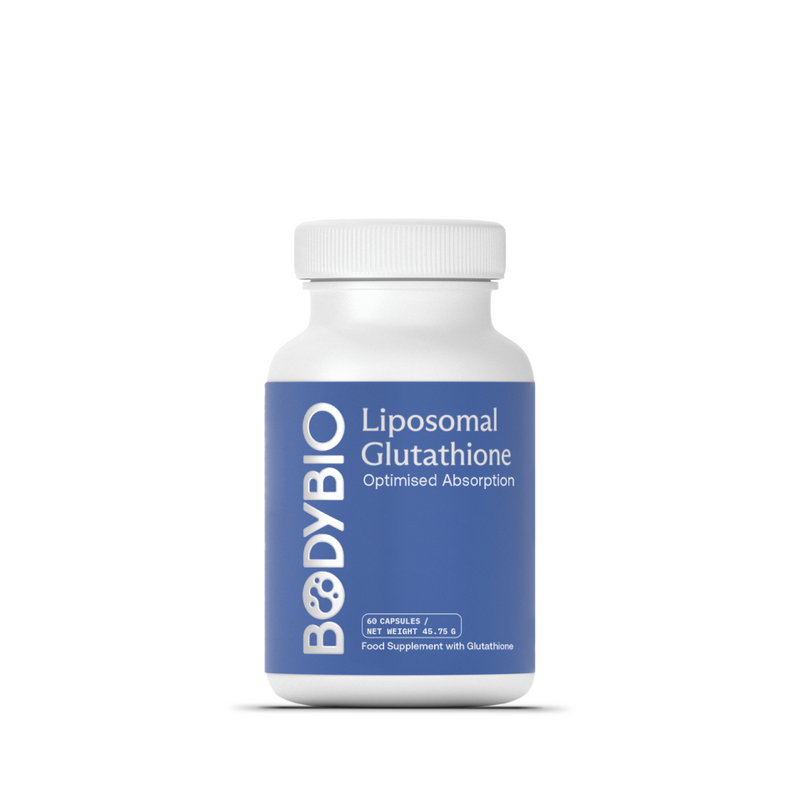
Support your body's antioxidant defenses with BodyBio Liposomal Glutathione.*

Related Articles

Ashley Palmer | 04.13.2026

What Every Athlete Should Know About Glutathione and Cellular Recovery

You train hard. You sleep, you eat, you follow a protocol. And still, there are weeks where recovery drags, energy stalls, and your body feels like it's working harder than the output justifies.

Most athletes trace that back to training volume, nutrition, or sleep. Glutathione rarely comes up, even though it's one of the most active compounds in your body during exercise and one of the first things to drop when training load gets heavy.

Glutathione is your body's primary antioxidant, produced naturally in the liver and present in every cell. During intense physical activity, your body burns through it quickly. When levels fall behind, the effects show up in the places athletes care about most: recovery time, sustained energy, muscle repair, and immune resilience.

This article covers what glutathione does during exercise, why it depletes, and what supporting your body at the cellular level can mean for how you train and recover.

Table of Contents:

  • Understanding Glutathione

  • How Glutathione Works During Exercise

  • Signs Your Glutathione May Be Running Low

  • Why Athletes Are Especially Vulnerable

  • Supporting Glutathione More Effectively

  • How This Fits Into a Bigger Cellular Health Picture

  • Train Hard, Recover at the Cellular Level

Understanding Glutathione

Glutathione is a tripeptide, a small molecule made from three amino acids: cysteine, glutamic acid, and glycine. Your liver produces it continuously, and it's present in virtually every cell in your body.

Unlike most antioxidants, which work only in specific environments, glutathione is active throughout the body. It neutralizes free radicals, supports detoxification, and helps regenerate other antioxidants including vitamin C and vitamin E after they've done their work.

Glutathione is the body's master antioxidant. It is just as crucial as compounds like glucose and potassium, two compounds your body works hard to keep in balance at all times.

Why the Body Relies on Glutathione

Every metabolic process that generates energy also generates oxidative byproducts. Glutathione's job is to manage that load, clearing reactive oxygen species (ROS) before they accumulate and damage your cells. When glutathione levels are adequate, this process runs efficiently in the background. When they fall, oxidative stress builds, and the effects build quickly from there.

For most people living sedentary or moderately active lives, the body's natural glutathione production keeps pace with demand. Athletes are a different case.

How Glutathione Works During Exercise

What Happens to Glutathione When You Train

Intense physical activity generates free radicals faster than the body can clear them, and that oxidative stress lands hardest on glutathione. Prolonged exercise draws down glutathione in the blood and muscle over time, and the harder you push, the less of the active form remains.

The harder and longer you train, the faster your glutathione depletes. During recovery, the body works to replenish it, but in athletes with high training loads, demand can consistently outpace production.

The Mitochondrial Connection

Research shows that oral glutathione supplementation doesn't just reduce oxidative damage during exercise, it actually triggers the body to build new mitochondria and increase mitochondrial activity in your muscles. 

Glutathione isn't only cleaning up oxidative damage after the fact. It's supporting the mitochondrial environment that determines how efficiently your cells produce energy in the first place. Better mitochondrial function means more aerobic energy production at the cellular level, less lactic acid buildup, and less muscle fatigue during sustained effort.

Glutathione also protects mitochondrial membranes from oxidative damage. Alongside phosphatidylcholine, both play a role in keeping those membranes structurally intact. When they are, ATP production runs more consistently, which directly supports endurance, power output, and the ability to sustain effort across a training block.

Signs Your Glutathione May Be Running Low

Athletes experiencing chronically low glutathione often notice a pattern rather than a single symptom:

  • Recovery that takes longer than it should, even with adequate sleep and nutrition. 

  • Muscle soreness that lingers beyond a normal window. Energy that feels flat mid-block, not at the start of a training cycle but several weeks in, when oxidative stress has had time to build. 

  • A tendency to get sick during the heaviest training periods, when immune cells are burning through glutathione quickly and production can't keep pace.

How pronounced these patterns appear can vary between athletes. Training history, physiology, diet, age, stress load, and environmental factors all influence your body’s baseline glutathione levels and how quickly they deplete under demand. 

Glutathione levels also decline naturally with age, which means life-long athletes and older active adults are working with a lower baseline before training load is even factored in.

Why Athletes Are Especially Vulnerable to Glutathione Depletion

The Demands of Modern Training

Competitive and serious recreational athletes train at very high volumes that consistently stress their body's antioxidant systems. High-intensity interval work (HIIT training), heavy resistance training, endurance blocks, and competition schedules can create large amounts of oxidative stress. 

Beyond training volume, other variables compound glutathione depletion in athletes’ bodies, including: chronic stress, disrupted sleep, dietary gaps, alcohol, and environmental exposure. Keeping glutathione levels where they need to be under that kind of combined demand doesn't happen by default.

Why Common Approaches Often Fall Short

Most athletes address muscle recovery through protein, sleep, and rest. While these routines definitely matter, they don't directly replenish glutathione.

Standard oral glutathione supplements are fragile in your body’s digestive system and often break down before they reach the bloodstream. Injectable glutathione bypasses your digestive system but may not be the most practical daily option for everyone.

This is why glutathione delivery in the body is extremely important. A supplement that doesn't survive digestion doesn't support cellular glutathione levels, regardless of the dose on the label.

Supporting Glutathione More Effectively

Foundational Support

On the dietary side, sulfur-rich foods (garlic, onions, eggs, and cruciferous vegetables) provide the building blocks the liver needs for glutathione synthesis, as does adequate protein intake (which most athletes already incorporate into their diet). 

Sleep matters for the same reason. The body steps up glutathione production overnight, meaning sleep quality directly affects how well glutathione replenishes. These foundational habits matter, but for athletes managing significant training loads, they rarely close the gap on their own. 

Targeted Support

Liposomal glutathione is the most practical and well-supported oral option. Liposomes are microscopic lipid spheres that encapsulate glutathione and protect it through the digestive process, allowing it to reach the bloodstream and cells intact. A clinical study found that taking liposomal glutathione raised glutathione levels in the blood by up to 40% within two weeks, and contributed to improvements in immune function and measurable drops in oxidative stress.

Many liposomal supplements simply combine glutathione with lecithin, which doesn’t form a true liposome. What separates a true liposomal delivery system from other formats matters more than the dose on the label.

How Glutathione Fits Into a Bigger Cellular Health Picture

Glutathione works alongside phosphatidylcholine, essential fatty acids, and other compounds that maintain cell membrane integrity and support efficient energy production at the cellular level. 

When the cellular environment is well-supported, antioxidant systems work more efficiently, energy production is more consistent, and the body recovers from physical demands without falling significantly behind.

Training adaptation (becoming stronger, faster, and more resilient) depends on cells that can absorb stress and respond to it. That process requires cell membranes that stay structurally intact, mitochondria that produce energy efficiently, and antioxidant systems that clear damage before it compounds. 

Train Hard and Recover at the Cellular Level

Glutathione won't replace smart training or a healthy diet, but it does support the cellular conditions that make smart training productive: efficient mitochondria, healthy cell membranes, cleared oxidative load, an immune system that holds up under a heavy schedule.

Most athletes overlook glutathione because it's not a performance enhancer in the conventional sense. Instead, glutathione provides the maintenance work that keeps your cells running the way they’re supposed to. When you build a solid cellular foundation, your body can do what your training asks of it. And the work you put in translates into real results.

Support your training and recovery at the cellular level with BodyBio Liposomal Glutathione.*

Ashley Palmer | 02.17.2026

Why Glutathione Matters for Chemical Sensitivity and MTHFR Variants

You walk into the store and immediately feel it. Cleaning product fumes hit first, then synthetic fragrances from the laundry aisle. Your sinuses burn, brain fog rolls in, and your body sounds every alarm while other shoppers browse normally.

There's a real, biological reason this is happening, and more importantly, there are solutions that don't require living in a bubble. Chemical sensitivity isn't a personal shortcoming; it's your body signaling that your detox defenses need support.

For people dealing with multiple chemical sensitivity, especially with MTHFR variants, this scenario points to something important about cellular health. Both chemical sensitivity and MTHFR challenges stem from the same fundamental issue: cellular processing capacity.

While most approaches treat chemical sensitivity and MTHFR variants as separate problems requiring different solutions, the cellular health perspective recognizes they're interconnected challenges. When your 40 trillion cells can't process environmental and metabolic demands efficiently, both chemical sensitivity and MTHFR-related symptoms emerge from the same overwhelmed cellular systems. 

In this blog, we'll explore how glutathione connects both conditions at the cellular level, why other approaches often fall short, and how supporting your cellular foundation can restore your body's natural resilience to environmental challenges.

Table of Contents:

  • Understanding Chemical Sensitivity

  • How Chemical Sensitivity Works in the Body

  • Signs Your Body May Be Struggling With Environmental Processing

  • Why Chemical Sensitivity Becomes an Issue for So Many People Today

  • Supporting Your Body's Environmental Processing More Effectively

  • How Glutathione Supports Cellular Function in Chemical Sensitivity and MTHFR

  • Restoring Your Natural Chemical Resilience

Understanding Chemical Sensitivity

If you react strongly to fragrances, cleaners, or other environmental exposures, the issue usually isn't the exposure itself; it's how well your body can process and clear those compounds (aka clearance). Chemical sensitivity happens when your body's processing systems get overwhelmed by everyday exposures. Every day, your cells handle thousands of different compounds, from the fragrances in your shampoo to exhaust fumes in traffic. When your cellular processing capacity gets maxed out, even normal exposures can trigger reactions that other people don't experience.

Multiple chemical sensitivity isn't about everyday chemicals being inherently dangerous. It's about your cells getting overloaded trying to process everything. Your body starts activating protective responses to prevent further overwhelm, which is actually a smart survival mechanism.

Why Your Body's Processing Efficiency Matters So Much

Your cells are constantly juggling multiple jobs: making energy, maintaining their protective barriers, communicating with neighboring cells, and dealing with whatever environmental challenges come their way. It's like running a busy household while also managing a full-time job, and still making time for self-care.

When everything runs smoothly, you maintain what we call chemical resilience. Your body processes, neutralizes, and eliminates compounds without getting overwhelmed. But when your cellular systems become strained, even small additional exposures can trigger system-wide stress responses that show up as chemical sensitivity symptoms.

How Chemical Sensitivity Works in the Body

Chemical sensitivity involves multiple body systems working together to process environmental exposures. When you understand how these systems coordinate, it becomes clear why supporting your body's natural processing capacity addresses the root cause rather than just managing symptoms.

How Your Body Processes Chemical Exposures

Here's what happens when your body encounters chemicals: Your liver works around the clock to break down everything from cleaning products to car exhaust to perfumes. Meanwhile, your cellular methylation cycle acts like a cellular maintenance crew, supporting both detox and repair processes. And throughout it all, glutathione works as your body's master antioxidant, protecting your cells from damage.

Think of these systems as a well-coordinated team. When this teamwork flows smoothly, your body can handle normal chemical exposures without breaking a sweat.

When Things Work vs. When They Don't

When your detox systems have what they need, chemical exposures get processed smoothly and you can walk through the cleaning aisle without your nervous system sounding alarms. But when these systems become overwhelmed, compounds start backing up, creating stress in your cells and triggering the inflammatory responses that make you feel awful around everyday chemicals.

Signs Your Body May Be Struggling With Environmental Processing

Chemical sensitivity symptoms often develop gradually as your detox capacity becomes overwhelmed. You might notice immediate reactions to fragrances, cleaning products, or building materials that didn't bother you before, plus increased sensitivity to multiple substances rather than just one trigger. 

Common symptoms following exposures include:

  • Brain fog

  • Headaches

  • Fatigue

  • Respiratory issues

  • Skin reactions 

  • Digestive disturbances

  • Sleep disruption 

These symptoms typically improve with avoidance but return quickly upon re-exposure, indicating system strain rather than true allergies. 

Why Chemical Sensitivity Becomes an Issue for So Many People Today

Modern Environmental Stressors

Today's chemical exposure differs dramatically from what human detox systems evolved to handle. We encounter synthetic compounds in air fresheners, building materials, personal care products, and cleaning supplies that didn't exist generations ago.

Many people also face nutritional deficiencies that impair detoxification function. Standard diets often lack the essential nutrients required for optimal cellular function and glutathione production, while processed foods often contain damaged fatty acids that can actually increase the toxic burden your body needs to process. 

Why Common Approaches Often Fall Short

Most conventional approaches treat chemical sensitivity and MTHFR variants as separate, unrelated problems requiring different solutions. This fragmented thinking misses the fundamental cellular health connection that links both challenges.

Symptom-focused strategies avoid triggers but don't address why cellular processing systems became overwhelmed initially. Similarly, standard MTHFR protocols often focus on isolated nutrients without considering how cellular capacity affects the body's ability to utilize those nutrients effectively.

The cellular health approach differs from targeting individual symptoms or pathways. When your cells can't process environmental and metabolic demands efficiently, simply avoiding triggers or adding isolated supplements doesn't restore the underlying processing capacity. This integrated approach addresses root causes rather than managing symptoms.

Supporting Your Body's Environmental Processing More Effectively

Foundational Support

Start with the nutrients your cells need: B vitamins for methylation support, minerals for enzyme function, and more sulfur-containing foods for gentle toxin binding and elimination. This foundational approach supports cellular communication networks that coordinate detoxification across all your body's systems. Of course, good sleep and daily stress management are also essential.

Reducing unnecessary burden helps prevent cellular overwhelm. Start with simple swaps: replace one fragranced product with a fragrance-free version each week, try wool dryer balls instead of scented dryer sheets, and stay adequately hydrated to support cellular waste elimination.

Targeted Support for Chemical Sensitivity and MTHFR

For people with MTHFR variants or chemical sensitivity, targeted support can restore processing capacity more effectively. Clinical research demonstrates that glutathione supplementation provides significant cellular protection and reduces oxidative damage throughout the body.*

MTHFR variants directly impair methylation efficiency, reducing each cell's capacity to produce adequate glutathione. BodyBio Liposomal Glutathione supports cellular health from the ground up, providing the antioxidant protection every cell needs to maintain its processing capacity.* The liposomal delivery ensures glutathione reaches cellular sites throughout your body, not just liver detox pathways.

How Glutathione Supports Cellular Function in Chemical Sensitivity and MTHFR

Chemical sensitivity and MTHFR variants both stem from the same cellular processing limitations rather than separate, unrelated problems. This connection reflects the fundamental truth behind BodyBio's philosophy: when cells are supported, the body functions more efficiently as a whole.

The Foundation That Connects Everything

Chemical sensitivity and MTHFR variants both come down to the same basic issue: your body's processing systems getting overwhelmed. Your trillions of cells work together like a massive team, where everything from cell membrane health to energy production affects how well you handle environmental exposures.

Cell membranes are your first line of defense. Glutathione protects these cellular barriers from oxidative damage during chemical processing, maintaining their ability to selectively filter what enters and exits your cells. When membranes function properly, they can efficiently eliminate toxins while protecting cellular contents.

Your ability to handle chemicals also depends heavily on having enough cellular energy. MTHFR variants can limit this energy production by affecting methylation, while chemical sensitivity often reflects your body running low on processing energy. Glutathione supports mitochondrial function, helping maintain the energy production that powers detoxification processes.*

Perhaps most importantly, glutathione enables communication between cellular systems. It protects the lipid membranes that allow cells to send signals throughout your body, coordinating detox efforts across different organs and systems. This cellular communication ensures your immune system can distinguish between actual threats and normal environmental exposures, reducing inappropriate reactions.

The result is positive feedback loops: better cellular health improves your body's ability to handle environmental stressors while reducing inflammatory responses. This integrated approach addresses root causes rather than managing individual symptoms.

Restoring Your Natural Chemical Resilience

Chemical sensitivity and MTHFR variants don't require separate treatment approaches when you understand their shared foundation. Let’s face it: avoiding chemicals in our modern world is nearly impossible. Instead, supporting cellular capacity helps restore your body's natural resilience to handle everyday environmental exposures.

Rather than requiring complete environmental control, the cellular approach focuses on strengthening the foundation that makes everything else work better. When cells are supported, the body functions more efficiently as a whole.

Support your cellular detox capacity with BodyBio Liposomal Glutathione.*