
What are Systemic Enzymes and Do You Need Them for Optimal Health? background image
December 09, 2025

What are Systemic Enzymes and Do You Need Them for Optimal Health?

Key Takeaways:

  • Systemic enzymes (aka proteolytic enzymes) work throughout your bloodstream to lower inflammation, clear cellular waste, and support tissue repair—unlike digestive enzymes that stay in your gut.
  • These enzymes are especially helpful for post-viral recovery and chronic infections when your body needs help clearing leftover debris from the immune response.
  • Your cell membranes need systemic enzyme support to function properly too.

You've probably heard about digestive enzymes, which help break down food. But there's another type of enzyme that works completely differently, and they might be exactly what your body needs.

Systemic enzymes don't stay in your gut. Once they hit your bloodstream, they travel throughout your body, breaking down inflammation, clearing cellular waste, and helping with tissue repair. If you're dealing with persistent inflammation or can't shake symptoms after being sick, they're worth knowing about.

Table of Contents:

  • What Are Systemic Enzymes?

  • How Systemic Enzymes Support Your Cells

  • 3 Popular Systemic Enzymes

  • When You Can't Seem to Shake Being Sick

  • Other Uses for Systemic Enzymes

  • How to Take Systemic Enzymes (Timing Matters)

  • Which Systemic Enzyme Is Right for You?

  • Pairing Enzymes with Cellular Support

What Are Systemic Enzymes?

Systemic enzymes are proteins that work throughout your body once they hit your bloodstream. Some are also called proteolytic enzymes (protein-breaking enzymes). They break down compounds that cause inflammation, damaged tissue, and cellular waste.

Your body makes its own systemic enzymes, but levels drop with age, stress, or illness. A few common ones in supplements include serrapeptidase, nattokinase, and bromelain.

Once in your system, these enzymes support your cellular health by breaking down inflammation, clearing scar tissue, and helping your immune system stay balanced.

How Systemic Enzymes Support Your Cells

Cellular health matters more than anything because that's where the root of health (or disease) begins. Your cell membranes, made of fats (phospholipids), let nutrients in and waste out. About 40 trillion cells make up the organism that is you.

When inflammation or cellular waste builds up, systemic enzymes break down inflammatory proteins and clear debris, supporting your cell membranes so they work properly. This becomes especially important during chronic infections and chronic illness, when waste often accumulates faster than your body can handle. Left unchecked, it turns into a vicious cycle of infection which leads to toxin buildup, which suppresses the immune system, which allows the infection to continue. 

Systemic enzymes help disrupt that downward spiral, allowing your detox and immune systems to recover and rebalance.

Three Popular Systemic Enzymes

A few popular, well-studied options to know.

Serrapeptidase

Discovered in silkworms (which use it to dissolve their cocoons), serrapeptidase breaks down scar tissue, fibrin (a stringy protein in blood clots), and thick mucus. Many people use it for reducing inflammation and pain, especially post-operative pain. Research shows it helps with joint discomfort, clears respiratory mucus, and supports tissue healing.

Nattokinase

From natto (a traditional Japanese fermented soybean food), nattokinase breaks down fibrin in your bloodstream, supporting healthy blood flow and cardiovascular function. It has also been used in post-COVID and post-viral treatment to degrade harmful spike proteins that cause ongoing systemic damage. 

IMPORTANT: This enzyme is not for everyone. Because it affects blood clotting, talk to your doctor before taking it, especially if you're on blood thinners.

Bromelain

Extracted from pineapple stems, bromelain fights inflammation, supports joint health, helps wound healing, and can ease sinus congestion and allergies. Some research shows it even supports immune function and exercise recovery.

Most people tolerate it well, but some people get upset stomachs from bromelain, while other enzymes are tolerated just fine. 

When You Can't Seem to Shake Being Sick

One area where systemic enzymes really help is when you're recovering from infections that just won't fully go away, things like long COVID, Epstein-Barr virus, or Lyme disease.

When your body's fighting something for a long time, your immune system creates a lot of inflammation from the gut to the brain. At the same time, the pathogens themselves release toxins and cellular junk. All of that can stick around and leave you feeling exhausted, foggy, and inflamed way after you're technically "recovered."

Systemic enzymes help break down those leftover inflammatory bits and clear out the cellular waste that built up while your body was in fight mode.

Other Uses for Systemic Enzymes

For pain and inflammation

Research shows systemic enzymes can help reduce pain and swelling from issues like osteoarthritis, sports injuries, post-surgical recovery, and sore muscles. Unlike NSAIDs (over-the-counter pain medications like ibuprofen), they're more selective, going after the bad inflammatory stuff while leaving your body’s healing alone.

Allergy and sinus support

Systemic enzymes like serrapeptidase and bromelain can help break down thick mucus and support your immune system, which means easier breathing during allergy season without feeling drowsy. These enzymes work particularly well when combined with other immune-supporting strategies like vitamin C, antioxidants, and healthy fats for cell membrane support.

Exercise recovery

A lot of athletes use systemic enzymes to help muscles repair quickly and reduce inflammation after hard workouts. Research suggests the enzymes clear out damaged proteins that build up from intense training.

How to Take Systemic Enzymes (Timing Matters)

Here's where timing makes all the difference. Take enzymes with food, and they'll work on digestion. Take them on an empty stomach, and they travel through your body, clearing debris and calming inflammation.

For systemic effects, take enzymes on an empty stomach, about an hour before eating or at least two hours after. This lets them get into your bloodstream instead of being used on food.

Which Systemic Enzyme Is Right for You?

Everyone will respond to systemic enzymes differently. Some people love serrapeptidase but get an upset stomach from bromelain. Others may do great with nattokinase but skip it because they're on blood thinners. Those with bleeding disorders should also be very careful with systemic enzymes and consult a doctor before trying them. 

Working with a practitioner who understands systemic enzymes helps. They can figure out which enzyme fits your situation, get the dosing right, watch how you respond, and make sure nothing's interacting with your medications.

Pairing Enzymes with Cellular Support

Systemic enzymes work their best when your cells have the nutrients they need. Your cell membranes need ongoing nourishment to stay strong and flexible. When your membranes are healthy, your cells can handle inflammation better, clear waste more efficiently, and really make the most of what systemic enzymes do best.

Systemic enzymes are gentle, natural tools that support your body's cleanup and repair work. They travel throughout your body, breaking down inflammation, clearing cellular waste, and helping with tissue healing.

Whether you're working through lingering symptoms, dealing with ongoing inflammation, or want extra support, systemic enzymes are worth exploring.

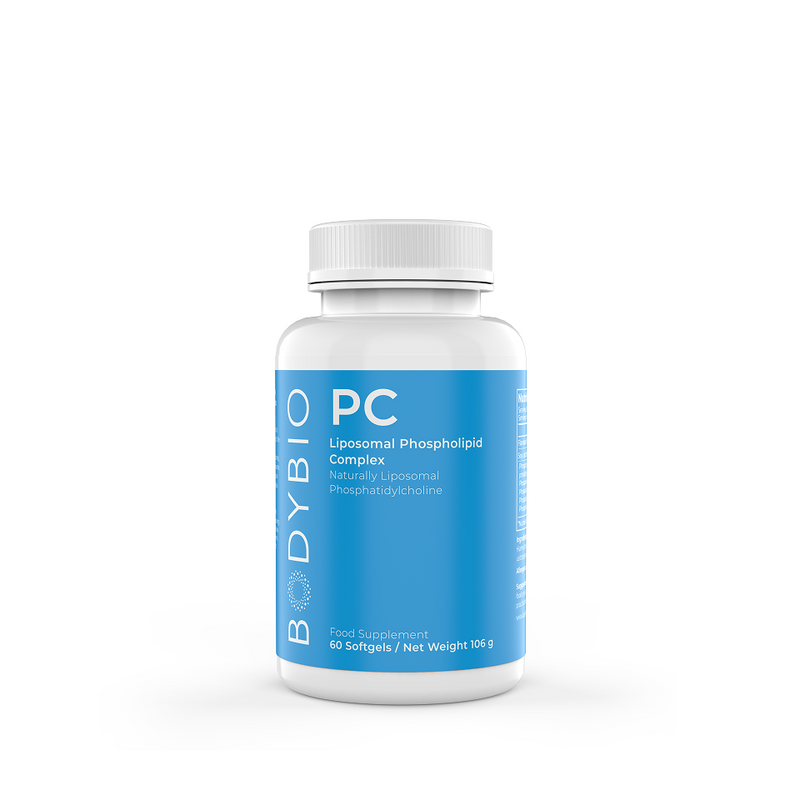
BodyBio PC supports healthy cells that can benefit from systemic enzyme cleanup and repair.*

Related Articles

Ashley Palmer | 06.08.2026

Toxin Binders and Cellular Health: What You Need to Know Before Detox

Detoxification has become one of the most talked-about strategies in modern health. From mold exposure to chronic infections, many people are looking for ways to help their bodies eliminate toxins more effectively.

Binders are often part of that conversation. They’re commonly used to “grab onto” toxins in the gut and carry them out of the body—instead of being reabsorbed again and again, increasing the body’s toxic load. In the right context, they can be helpful.

But there’s an important piece of the detox conversation that often gets overlooked: your cells.

Because detox isn’t just about removing toxins—it’s about whether your cells are strong enough to handle detoxification in the first place.

Table of Contents:

  • What Are Binders and How Do They Work?

  • When Binders May Be Helpful

  • The Hidden Downsides of Binders

  • Why Cellular Health Matters in Detox

  • Phospholipids and the Role of PC in Detoxification

  • Do You Always Need a Binder?

  • A Smarter Approach to Detox

What Are Binders and How Do They Work?

Binders are substances designed to attach to toxins in the digestive tract so they can be carried out of the body. Common examples include activated charcoal, bentonite clay, modified citrus pectin, and certain prescription agents that bind bile acids.

They work by physically binding compounds in the gut, reducing the likelihood that those substances are reabsorbed into circulation. This can be especially helpful in situations where toxins are being recirculated through bile reabsorption in the gut.

The key thing to understand is that many binders are not selective. They don’t distinguish between harmful toxins and beneficial compounds your body needs to function, meaning that you can become vulnerable to nutrient depletion with binder use. 

When Binders May Be Helpful

Binders can play a valuable role in specific situations where the body is dealing with a high toxic burden. This includes exposures that overwhelm the body’s natural detox pathways or create ongoing recirculation of toxins.

Some of the most common scenarios where binders are used include:

  • Mold and mycotoxin illness

  • Chronic infections such as Lyme or Epstein-Barr virus (EBV)

  • Chemical exposure

In these cases, short-term or targeted use of binders can help reduce the overall load on the body. They may provide relief while other systems—like the liver and gut—are being supported.

The important distinction is that binders are typically meant to be a tool, not a long-term solution.

The Hidden Downsides of Binders

While binders can be effective, their non-specific nature comes with trade-offs. In addition to binding toxins, they can also bind to nutrients your body depends on—especially lipids and minerals.

Phospholipids, including phosphatidylcholine (PC), are particularly vulnerable. These molecules are essential for building and repairing cell membranes, supporting mitochondrial function, and maintaining overall cellular integrity.

When binders reduce the availability of these lipids, they can unintentionally interfere with the very ingredients your body needs to heal. This becomes especially important if you are actively working to rebuild your cells through lipid support, also known as lipid replacement therapy.

Binders can also disrupt bile acid recycling, a process known as enterohepatic recirculation. Bile is not just a digestive fluid—it’s a key pathway for eliminating fat-soluble toxins. Interrupting this cycle with heavy binder use can impact lipid balance, cholesterol metabolism, and the body’s ability to process toxins efficiently.

Over time, excessive or prolonged binder use may contribute to nutrient depletion, slowed cellular repair, and a less resilient internal environment.

Why Cellular Health Matters in Detox

Detoxification is often framed as a process that happens in the liver or the gut. But at its core, detox is a cellular function.

Every cell in your body relies on its membrane to regulate what comes in and what goes out. These membranes are made largely of phospholipids, which determine their structure, flexibility, and function.

When membranes are damaged or depleted, toxins can enter cells more easily and exit less efficiently. At the same time, nutrient delivery and cellular communication begin to break down.

Mitochondria—the energy centers of your cells—are also highly dependent on healthy membrane composition. When lipid balance is disrupted, energy production and detox capacity can both suffer.

This is why effective detox doesn’t start with removing toxins. It starts with restoring the structure that allows your cells to handle them in the first place.

Phospholipids and the Role of PC in Detoxification

Phosphatidylcholine (PC) is one of the most important phospholipids in the body. It plays a central role in maintaining the integrity and function of cell membranes.

When you supply the body with adequate PC, you support membrane repair and improve membrane fluidity. This allows cells to better regulate the movement of nutrients and waste products, including toxins.

PC is also deeply involved in liver function and bile production. Healthy bile is essential for digesting fats, absorbing fat-soluble nutrients, and eliminating toxins that the body has already processed.

In this way, PC supports detoxification on multiple levels. It helps package and transport toxins through bile, supports their elimination through the digestive tract, and strengthens the cellular structures that manage these processes.

Rather than forcing detox on an already overburdened system, phospholipids help restore the body’s natural ability to do it well and at the body’s own pace.

Do You Always Need a Binder?

It’s easy to assume that detox always requires a binder. But that approach doesn’t address the underlying condition of your cells.

If cell membranes are compromised, adding a binder may reduce toxin load temporarily without actually improving your ability to process and eliminate those toxins long-term. In some cases, it may even slow progress by depleting the lipids needed for repair.

For many people, focusing on restoring phospholipid levels can improve detox efficiency enough that binders become less necessary or can be used more sparingly.

This doesn’t mean binders don’t have a place. It means they should be used strategically, with an understanding of what toxins they target—and nutrients they may take with them. For individuals aiming to rebuild and stabilize cellular health through lipid replacement therapy, the use of binders should be carefully monitored by an experienced healthcare practitioner to avoid unintended depletion of these vital molecules.

A Smarter Approach to Detox

A more effective approach to detoxification starts by supporting the systems that make detox possible.

That often means prioritizing cellular health before introducing more activating interventions that push the body to release toxins. When membranes are strong and bile flow is supported, the body is better equipped to process and eliminate toxins on its own.

A balanced strategy may include rebuilding phospholipid stores, supporting liver and digestive function, and using binders only when appropriate and under guidance.

This approach doesn’t push the body harder. It gives the body what it needs to function the way it was designed to—and detox follows naturally.

Detox Starts With the Cell, Not the Binder

Detoxification isn’t just about pulling toxins out of the body—it’s about restoring the systems that know how to handle them.

Binders can play a role, especially in cases of high toxic burden. But without strong, healthy cell membranes, detox becomes inefficient, incomplete, and sometimes counterproductive.

When you focus on rebuilding your cells—starting with phospholipids—you support detoxification at its source. You’re not forcing the process. You’re restoring it at the root level.

Support detox at the cellular level with BodyBio PC to help rebuild your membranes and promote natural toxin elimination.*

Alex Manos | Ryan Carter | 05.11.2026

Understanding Mould Exposure: A Cellular Perspective on Supporting Health During Environmental Exposure

What is Mould Exposure?

Mould exposure is sometimes associated with health concerns reported after time spent in water-damaged environments, where individuals may encounter mycotoxins—compounds that can interact with biological systems. Individual responses may vary based on a range of factors.

When susceptible individuals are exposed to water-damaged buildings, they may encounter mycotoxins—secondary metabolites produced by certain mould species—which may interact with normal biological responses. 

Responses to environmental exposures can vary and may involve multiple systems in the body. This complexity may stem from the fact that symptoms associated with mould exposure may involve processes occurring within the body, including changes at the level of cellular function.

Table of Contents:

  • Cellular and mitochondrial impacts of mycotoxins

  • The phospholipid connection

  • Phospholipid support for cellular health

  • Additional supportive interventions

  • Gut Health and Barrier Integrity

  • Cellular Function and Hydration

Cellular and Mitochondrial Impacts of Mycotoxins

Mycotoxins are lipophilic compounds, meaning they have an affinity for fats. This characteristic is important when considering their biological effects, as cell membranes—composed primarily of phospholipids—may interact with lipophilic compounds such as mycotoxins.

When mycotoxins interact with cell membranes, they may influence mitochondrial function. Mitochondria, the powerhouses of your cells, rely on intact membrane structures to maintain the electrochemical gradients necessary for ATP production. Disruptions to these membranes may contribute to:

Changes in energy production: Alterations in mitochondrial membrane structure may influence ATP production and overall cellular energy processes. 

Increased oxidative stress: Disruptions in the electron transport chain may increase the production of reactive oxygen species, which can contribute to oxidative stress within cells.

Altered cellular signalling: Changes in membrane structure may influence receptor sensitivity and ion channel activity, which may affect normal cellular communication.

The result may be increased cellular stress, which can influence how efficiently cells carry out normal metabolic functions.

The Phospholipid Connection

Understanding phospholipids is important when considering cellular health in the context of mould exposure. These molecules form the bilayer structure of every cell membrane in your body, creating the selective barrier that helps determine what enters and exits your cells. The most abundant phospholipids—phosphatidylcholine (PC), phosphatidylserine (PS), and phosphatidylethanolamine (PE)—each play distinct roles in membrane fluidity, signalling, and structural integrity.

When membrane structures are disrupted, the consequences can extend beyond the initial stress. Compromised membranes may exhibit:

Reduced fluidity: Making it more difficult for nutrients to enter and waste products to exit

Impaired receptor function: Potentially affecting how cells respond to hormones and neurotransmitters

Changes in membrane properties: Alterations that may affect normal cellular function

These changes in membrane structure may help explain why symptoms associated with mould exposure can involve multiple body systems—from neurological function to immune response to normal metabolic and elimination processes.

Phospholipid Support for Cellular Health

Supporting membrane integrity is an important aspect of maintaining cellular health, particularly during periods of environmental stress. This is where phospholipid nutrition may play a supportive role.

BodyBio PC (Phosphatidylcholine) provides a major structural phospholipid found in cell membranes. PC comprises approximately 50% of the phospholipids in many cell membranes and is particularly concentrated in the brain, liver, and gut lining—tissues involved in numerous metabolic and cellular processes. By supplying high-quality, bioavailable phosphatidylcholine, you are providing nutrients that contribute to maintaining healthy cellular membrane structure.

Research suggests that phosphatidylcholine supplementation may help support membrane fluidity, mitochondrial function, and aspects of gut and liver health, partly through its role in supporting normal bile flow.

BodyBio Balance Oil also plays an important role in supporting cellular health. Essential fatty acids are important for maintaining healthy cell membranes. This carefully formulated blend of omega-3 and omega-6 fatty acids in a 4:1 ratio provides fatty acids that are incorporated into membrane phospholipids. Because lipid balance and oxidative stress can influence membrane structure, maintaining a healthy fatty acid composition is an important part of supporting cellular function. Balance Oil supports:

  • Membrane integrity and fluidity

  • Normal inflammatory signaling

  • Cellular communication

  • Protection against oxidative stress

The specific ratio in Balance Oil reflects a balance designed to support cellular health, particularly during periods of increased cellular stress when fatty acid balance may be affected.

Additional Supportive Interventions

While membrane integrity plays an important role in cellular health, supporting overall wellness in the context of mould exposure may involve a broader approach that considers multiple systems.

Gut Health and Barrier Integrity

The gut lining may be affected during periods of environmental stress. Some research suggests that mycotoxins may influence intestinal barrier function. BodyBio Sodium Butyrate provides butyrate, a short-chain fatty acid involved in supporting gut barrier health.

Butyrate is a primary fuel source for colonocytes—the cells lining your colon. By providing concentrated butyrate, you’re supporting:

  • The energy needs of gut barrier cells

  • Structure of the gut lining

  • Balanced immune responses in the gut

  • Healthy intestinal function

A healthy gut barrier plays an important role in maintaining digestive and immune health.

Cellular Function and Hydration

BodyBio e-lyte electrolyte concentrate provides electrolytes that support the ionic gradients essential for normal cellular function. Cell membranes rely on proper sodium–potassium balance for processes ranging from nerve signaling to nutrient transport. By providing a balanced, bioavailable source of electrolytes without added sugars or artificial ingredients, e-lyte helps support hydration and the cellular environment needed for normal physiological function.

Proper cellular hydration and electrolyte balance also support:

  • Normal metabolic processes

  • Mitochondrial energy production

  • Neurotransmitter signaling

  • Muscle and nerve function

Conclusion

Mould exposure may place stress on normal cellular processes, particularly those involving cell membranes and mitochondrial activity. Supporting cellular health may involve more than simply removing exposure—it can also include providing nutrients that contribute to healthy cellular structure and function.

Phosphatidylcholine, essential fatty acids, butyrate, and electrolytes each play roles in supporting normal cellular function.

This perspective focuses on providing the nutrients and building blocks cells rely on to maintain structure, function, and overall resilience. Understanding the role of cell membranes and phospholipids highlights the importance of supporting foundational aspects of cellular health.

This content is for educational purposes only and is not intended to diagnose, treat, cure, or prevent any disease.

Ashley Palmer | 04.13.2026

Why PC is at the Core of Mitochondrial Health — Fix the Membrane, Energy Follows

You can spend months doing the right things for your energy, cleaning up your diet, prioritizing sleep, building a supplement stack backed by real research, and still feel like you're running below your potential.

When that happens, the instinct is usually to add more: more CoQ10, more NAD precursors, more biohacks. But more often than not, the issue isn't which supplements you're taking. It's the foundation those supplements rely on to actually work.

Your mitochondria are enclosed in membranes. Those membranes are built from phospholipids. When the phospholipid foundation isn't in place, other supplements are spinning their wheels without the structural foundation they need, regardless of how well-researched they are.

Phosphatidylcholine (PC) is the phospholipid your body depends on most to maintain that structure. This blog explains what that means for your mitochondria, and why membrane integrity is the step that has to come before everything else.

Table of Contents:

  • What Is Phosphatidylcholine

  • How Phosphatidylcholine Works in Your Mitochondria

  • Signs Your Mitochondria May Need Support

  • Supporting Your Mitochondrial Membrane

  • How This Fits Into a Bigger Cellular Health Picture

  • Better Mitochondrial Function Starts With the Membrane

What Is Phosphatidylcholine

Phosphatidylcholine (PC) is the primary phospholipid in your cell membranes, making it one of the main structural materials your body uses to build and maintain them. It's present in every cell, and its role in mitochondrial membrane health is where it has the most direct impact on how your body produces energy. Eggs and liver are the main food sources, though getting enough through diet alone to support cellular function is difficult for most people.

PC is also not the same as choline, even though they are related. Choline is a nutrient the body puts to work in specific metabolic and nervous system processes. PC is a structural molecule, one that the body incorporates directly into membrane tissue. 

How Phosphatidylcholine Works in Your Mitochondria

Mitochondria are your cells' energy producers. They generate ATP, the molecule that powers everything your body does, from contracting muscles and firing neurons to repairing tissue and running immune responses. You have thousands of them in nearly every cell, and when they're working well, it shows: steady energy, clear thinking, a body that recovers without much effort.

Most people who know about PC associate it with outer cell membranes. What gets considerably less attention is what it does inside the mitochondria, and for energy and long-term cellular health, that's actually where it matters most.

Where Energy Production Actually Happens

Mitochondria have two membranes. The outer membrane acts as a general boundary, while the inner membrane is where energy is actually generated, through a series of protein complexes that work together to produce ATP.

ATP production depends on the inner membrane holding its precise structure. The complexes responsible for generating energy are embedded in that membrane, and their function is directly tied to the phospholipid environment around them. When that composition shifts, efficiency drops: not dramatically, not all at once, but gradually, in ways that tend to show up over time.

Mitochondria Depend on an Outside Supply

Mitochondria can't produce their own phospholipids, so they rely entirely on the cell to supply and transport what their membranes need to stay intact.

When that supply is adequate, both the outer and inner mitochondrial membranes maintain the composition and fluidity needed for efficient energy production. The protein complexes embedded in the inner membrane stay in their correct positions, ATP synthesis runs the way it's supposed to, and the system keeps up with the demands placed on it.*

PC is the primary phospholipid that the cell contributes to that supply. Without enough PC available, the mitochondrial membrane system becomes harder to maintain and efficiency follows.

Signs Your Mitochondria May Need Support

Persistent fatigue that sleep doesn't fully resolve, brain fog that settles in by midday, and a general sense that your body is working harder than it should for the output you're getting. These are common signs that cellular energy production isn't running as efficiently as it could be.

Because the shift in mitochondrial membrane composition happens gradually, it often goes unaddressed. Energy production doesn't stop; it just becomes less efficient over time. For many people, the only signal is a quiet erosion of performance: less stamina, slower recovery, harder mornings, even forgetting things you used to recall at a snap.

These patterns don't always point to a single cause, and they vary from person to person. But when they persist despite doing “all the right things,” the membrane itself is worth considering.

Supporting Your Mitochondrial Membrane

PC gives your mitochondrial membranes the phospholipids they need to maintain their structure and function well.* When that's in place, the ATP generation process has what it needs to run efficiently, and everything else you're doing for your cellular health has more to work with.*

This is also why PC makes sense as a starting point before adding other mitochondria-focused supplements like CoQ10 or methylene blue. Those compounds do meaningful work, but they work within the mitochondrial membrane environment. When the cell membrane is supported, everything has a better chance of functioning properly.

How This Fits Into a Bigger Cellular Health Picture

Cellular health starts at the membrane. When cell membranes have what they need, the body is better equipped to produce energy, manage stress, recover, and maintain balance over time. Both how PC is structured at the phospholipid level and the broader cellular foundation it supports point back to the same place: the membrane.

Phosphatidylcholine is the primary phospholipid in every cell membrane in your body. When you give your cell membranes what they need, everything works better. If you're good to your cells, your cells will be good to you.

Better Mitochondrial Function Starts With the Membrane

The mitochondrial membrane is where mitochondrial health begins. When it has the phospholipids it needs, the body has a real foundation for efficient energy production, and everything else you're doing has somewhere solid to land.

Supporting that foundation takes consistency more than complexity. BodyBIo PC works at the structural level, and the benefits build over weeks and months rather than overnight. That's how true cellular support works.

Support your mitochondrial membranes with BodyBio PC.*