

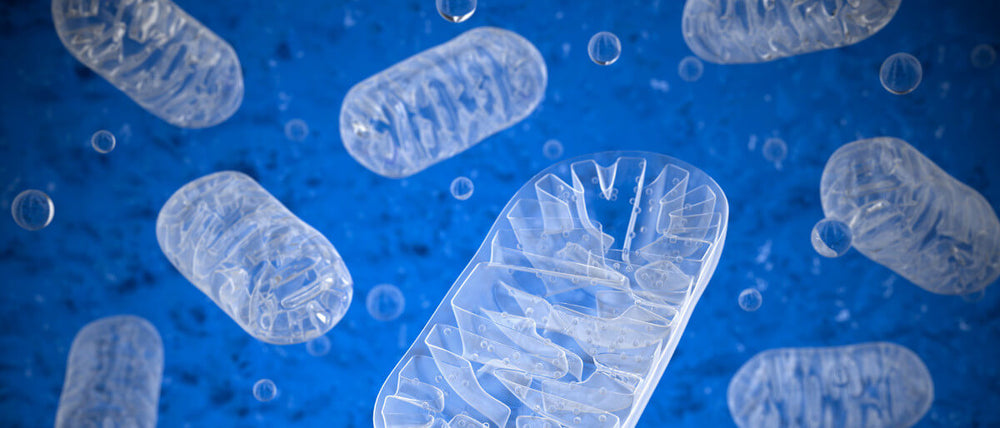
Toxin Binders and Cellular Health: What You Need to Know Before Detox background image
June 08, 2026

Toxin Binders and Cellular Health: What You Need to Know Before Detox

Featured Product:

Key Takeaways:

  • Binders can help remove toxins, but they are non-specific and may also deplete essential nutrients like phospholipids and minerals.
  • Overuse or long-term use of binders may disrupt cellular membrane integrity, mitochondrial function, and bile acid recycling.
  • Supporting the body’s detox systems at the cellular level with phospholipids and minerals may reduce the need for aggressive or prolonged binder use.
  • A balanced approach—focused on restoring cellular health first—is key for safe and effective detoxification.

Detoxification has become one of the most talked-about strategies in modern health. From mold exposure to chronic infections, many people are looking for ways to help their bodies eliminate toxins more effectively.

Binders are often part of that conversation. They’re commonly used to “grab onto” toxins in the gut and carry them out of the body—instead of being reabsorbed again and again, increasing the body’s toxic load. In the right context, they can be helpful.

But there’s an important piece of the detox conversation that often gets overlooked: your cells.

Because detox isn’t just about removing toxins—it’s about whether your cells are strong enough to handle detoxification in the first place.

Table of Contents:

  • What Are Binders and How Do They Work?

  • When Binders May Be Helpful

  • The Hidden Downsides of Binders

  • Why Cellular Health Matters in Detox

  • Phospholipids and the Role of PC in Detoxification

  • Do You Always Need a Binder?

  • A Smarter Approach to Detox

What Are Binders and How Do They Work?

Binders are substances designed to attach to toxins in the digestive tract so they can be carried out of the body. Common examples include activated charcoal, bentonite clay, modified citrus pectin, and certain prescription agents that bind bile acids.

They work by physically binding compounds in the gut, reducing the likelihood that those substances are reabsorbed into circulation. This can be especially helpful in situations where toxins are being recirculated through bile reabsorption in the gut.

The key thing to understand is that many binders are not selective. They don’t distinguish between harmful toxins and beneficial compounds your body needs to function, meaning that you can become vulnerable to nutrient depletion with binder use. 

When Binders May Be Helpful

Binders can play a valuable role in specific situations where the body is dealing with a high toxic burden. This includes exposures that overwhelm the body’s natural detox pathways or create ongoing recirculation of toxins.

Some of the most common scenarios where binders are used include:

  • Mold and mycotoxin illness

  • Chronic infections such as Lyme or Epstein-Barr virus (EBV)

  • Chemical exposure

In these cases, short-term or targeted use of binders can help reduce the overall load on the body. They may provide relief while other systems—like the liver and gut—are being supported.

The important distinction is that binders are typically meant to be a tool, not a long-term solution.

The Hidden Downsides of Binders

While binders can be effective, their non-specific nature comes with trade-offs. In addition to binding toxins, they can also bind to nutrients your body depends on—especially lipids and minerals.

Phospholipids, including phosphatidylcholine (PC), are particularly vulnerable. These molecules are essential for building and repairing cell membranes, supporting mitochondrial function, and maintaining overall cellular integrity.

When binders reduce the availability of these lipids, they can unintentionally interfere with the very ingredients your body needs to heal. This becomes especially important if you are actively working to rebuild your cells through lipid support, also known as lipid replacement therapy.

Binders can also disrupt bile acid recycling, a process known as enterohepatic recirculation. Bile is not just a digestive fluid—it’s a key pathway for eliminating fat-soluble toxins. Interrupting this cycle with heavy binder use can impact lipid balance, cholesterol metabolism, and the body’s ability to process toxins efficiently.

Over time, excessive or prolonged binder use may contribute to nutrient depletion, slowed cellular repair, and a less resilient internal environment.

Why Cellular Health Matters in Detox

Detoxification is often framed as a process that happens in the liver or the gut. But at its core, detox is a cellular function.

Every cell in your body relies on its membrane to regulate what comes in and what goes out. These membranes are made largely of phospholipids, which determine their structure, flexibility, and function.

When membranes are damaged or depleted, toxins can enter cells more easily and exit less efficiently. At the same time, nutrient delivery and cellular communication begin to break down.

Mitochondria—the energy centers of your cells—are also highly dependent on healthy membrane composition. When lipid balance is disrupted, energy production and detox capacity can both suffer.

This is why effective detox doesn’t start with removing toxins. It starts with restoring the structure that allows your cells to handle them in the first place.

Phospholipids and the Role of PC in Detoxification

Phosphatidylcholine (PC) is one of the most important phospholipids in the body. It plays a central role in maintaining the integrity and function of cell membranes.

When you supply the body with adequate PC, you support membrane repair and improve membrane fluidity. This allows cells to better regulate the movement of nutrients and waste products, including toxins.

PC is also deeply involved in liver function and bile production. Healthy bile is essential for digesting fats, absorbing fat-soluble nutrients, and eliminating toxins that the body has already processed.

In this way, PC supports detoxification on multiple levels. It helps package and transport toxins through bile, supports their elimination through the digestive tract, and strengthens the cellular structures that manage these processes.

Rather than forcing detox on an already overburdened system, phospholipids help restore the body’s natural ability to do it well and at the body’s own pace.

Do You Always Need a Binder?

It’s easy to assume that detox always requires a binder. But that approach doesn’t address the underlying condition of your cells.

If cell membranes are compromised, adding a binder may reduce toxin load temporarily without actually improving your ability to process and eliminate those toxins long-term. In some cases, it may even slow progress by depleting the lipids needed for repair.

For many people, focusing on restoring phospholipid levels can improve detox efficiency enough that binders become less necessary or can be used more sparingly.

This doesn’t mean binders don’t have a place. It means they should be used strategically, with an understanding of what toxins they target—and nutrients they may take with them. For individuals aiming to rebuild and stabilize cellular health through lipid replacement therapy, the use of binders should be carefully monitored by an experienced healthcare practitioner to avoid unintended depletion of these vital molecules.

A Smarter Approach to Detox

A more effective approach to detoxification starts by supporting the systems that make detox possible.

That often means prioritizing cellular health before introducing more activating interventions that push the body to release toxins. When membranes are strong and bile flow is supported, the body is better equipped to process and eliminate toxins on its own.

A balanced strategy may include rebuilding phospholipid stores, supporting liver and digestive function, and using binders only when appropriate and under guidance.

This approach doesn’t push the body harder. It gives the body what it needs to function the way it was designed to—and detox follows naturally.

Detox Starts With the Cell, Not the Binder

Detoxification isn’t just about pulling toxins out of the body—it’s about restoring the systems that know how to handle them.

Binders can play a role, especially in cases of high toxic burden. But without strong, healthy cell membranes, detox becomes inefficient, incomplete, and sometimes counterproductive.

When you focus on rebuilding your cells—starting with phospholipids—you support detoxification at its source. You’re not forcing the process. You’re restoring it at the root level.

Support detox at the cellular level with BodyBio PC to help rebuild your membranes and promote natural toxin elimination.*

Related Articles

Kristine L. Profeta, MD | 07.20.2026

As Summer Winds Down: Lyme, Tick-Borne Illness, and Rebuilding Cellular Resilience

As the long, warm days of summer begin to wind down, many of us are still trying to soak up the last moments of the season: hiking, gardening, walking outside, traveling, and spending more time in nature. But with that time outdoors comes something many people do not think about until it happens: tick exposure, whether the bite is seen or never noticed at all.

Tick-borne illness can be subtle in the beginning. A person may feel like they have a summer flu, a few days of fatigue, a headache, body aches, swollen glands, or vague joint pain, and then feel well enough to move on. Because the early symptoms can be nonspecific, many people never connect them to a tick bite.

Lyme Disease Is Only One Part of the Tick-Borne Picture

Lyme disease is a bacterial infection caused by Borrelia bacteria and spread through the bite of an infected blacklegged tick, often called a deer tick. In the United States, Lyme disease most commonly refers to infection with Borrelia burgdorferi. However, other Borrelia species and related tick-borne infections also exist, which is one reason a thoughtful exposure history and a physician who understands the broader tick-borne landscape can be so important.

Lyme is not the only illness clinicians consider after tick exposure. Depending on geography, symptoms, immune status, and the type of tick involved, evaluation may also include other tick-borne or vector-associated infections such as babesiosis, anaplasmosis, ehrlichiosis, Rocky Mountain spotted fever, Powassan virus, and, when clinically appropriate, Bartonella or other co-factors.

Lyme Disease Acute and Chronic Symptoms

Early Lyme symptoms may include fatigue, fever, headache, body aches, swollen lymph nodes, and sometimes an expanding rash. The classic target-like or “bull’s-eye” rash is well known, but not everyone develops it, and not everyone notices it. That is one of the reasons Lyme disease can be missed in the early stages.

When Lyme disease is not recognized and treated appropriately, it can progress beyond the initial flu-like phase and may affect the joints, nervous system, heart, and overall energy regulation. This is why so many patients associate Lyme and tick-borne illness with fatigue, brain fog, pain, migratory symptoms, inflammation, and a sense that their body no longer feels like their own.

In my own practice, I have seen many patients with persistent joint pain, neurologic symptoms, or unexplained inflammatory patterns whose tick-borne evaluation had been delayed or never considered. Not every orthopedic or neurologic symptom is infectious, of course. But persistent, unexplained symptoms deserve a complete history, appropriate testing, and a clinician willing to look at the whole picture.

My Personal Experience with Lyme

I have personally had Lyme disease. At the time I was diagnosed, nothing dramatic was happening. I was exhausted at night, but I had two young children, so that seemed easy to explain. I had joint pain that came and went, but it did not stop me from exercising. I also had a history of headaches that I had learned to manage.

After treatment, which took about a month, those symptoms resolved and have not returned. That experience shaped the way I listen to patients. Sometimes the body whispers before it screams. The earlier we listen, the more opportunity we have to intervene before the system becomes deeply dysregulated.

The Cellular Terrain Matters

After more than 20 years of treating complex chronic illness, including thousands of patients with Lyme and tick-borne illness, one lesson has become very clear to me: recovery is not only about fighting a pathogen. It is also about restoring the terrain.

The body is made of trillions of cells, and each cell is surrounded by a membrane composed largely of specialized fats called phospholipids. These membranes are not passive walls. They help regulate what enters and leaves the cell, how cells communicate, how inflammatory signals are transmitted, and how mitochondria function.

I often describe DNA as the hard drive and the cell membrane as the keyboard. If the hard drive contains the instructions but the keyboard is damaged, the message can become distorted. In the same way, when cell membranes are stressed, inflamed, oxidized, or depleted, the body’s communication system can become less efficient.

Borrelia and other chronic infections can interact with the body’s lipid and membrane systems in complex ways. In clinical practice, this helps explain why some patients experience neurologic symptoms, brain fog, nerve irritation, hypersensitivity, and nonspecific symptoms even when the question is no longer simply, “Is there active infection?” The deeper question becomes: “How do we repair the system that has been under stress?”

From Fighting Infection to Rebuilding the Body

A great deal of the conversation around Lyme disease focuses on killing or suppressing the infection. That can be necessary. But if we only focus on the pathogen and ignore the terrain - the cells, membranes, mitochondria, nervous system, immune system, detoxification pathways, and inflammatory signaling — then full recovery may remain incomplete.

I often compare it to a battlefield. Once the battle is over, even if the offenders are gone, the field still needs to be cleaned, repaired, and restored. The same is true of the body. The body needs support. It needs nourishment. It needs the right building blocks to restore balance.

This is where phospholipids and balanced essential fatty acids can become a valuable part of a comprehensive recovery and maintenance plan.

The Role of Phospholipids in Cellular Support

BodyBio PC is one of the foundational supplements I use for cellular support. It is a full-spectrum phospholipid complex that provides essential lipids such as phosphatidylcholine and phosphatidylethanolamine, which help support healthy cell membrane structure and function.

Phospholipids are essential for maintaining strong, fluid, responsive cell membranes. We can obtain some phospholipids through foods such as egg yolks and sunflower seeds, but the body’s need may be higher after prolonged illness, inflammation, oxidative stress, or cellular depletion.

BodyBio Balance Oil is another important tool because it provides a thoughtful balance of omega-6 and omega-3 essential fatty acids. Omega-6 is often misunderstood, but certain omega-6 fatty acids are necessary for healthy membrane function and mitochondrial support, including the production and maintenance of cardiolipin, a key phospholipid found in mitochondrial membranes.

Healthy membranes support clearer cellular communication. Clearer cellular communication supports immune balance, nervous system resilience, mental clarity, mitochondrial function, and the body’s ability to return to homeostasis.

Reclaiming Vitality

Living with the lingering effects of Lyme or tick-borne illness can feel isolating. Fatigue and brain fog can make you feel disconnected from your body, your routines, and even your sense of self. Patients often say, “I just do not feel like myself.” I understand that. I have lived it, and I have treated it for decades.

But your body is not broken. It is asking for support.

As summer winds down, take a moment to listen to what your body may be asking for. If you have had a tick bite, unexplained flu-like symptoms, a new rash, migratory joint pain, neurologic symptoms, or lingering fatigue, do not dismiss it. Seek evaluation from a clinician who understands Lyme disease, tick-borne illness, and the importance of rebuilding the whole system.

True health is not simply the absence of illness. It is the return of vitality, clarity, energy, and the feeling of being fully present in your own body again.

In my practice, BodyBio PC and Balance Oil are part of the cellular support and maintenance programs I use to help patients rebuild resilience at every stage of life.* Because healing is not only about what we remove, it is also about what we restore.

Important Note:

This article is for educational purposes only and is not a substitute for individualized medical care. Tick-borne illness requires proper clinical evaluation, testing when appropriate, and physician-guided treatment decisions.

Ashley Palmer | 06.29.2026

How Mold and Mycotoxins Damage Your Cells (and What to Do About It)

Most conversations about mold toxicity focus on the environment—water damage, air quality, or visible growth in your home or workplace. The mold itself isn’t the only problem. It’s what happens days, weeks, or even months after exposure, deep inside your body.

Mycotoxins, the toxic compounds released by mold, don’t just irritate your system. They interfere with how your cells function. And when your cells are compromised, everything from energy to detoxification begins to break down.

To understand why mold illness can feel so persistent and complex, you have to look at two critical structures: the cell membrane and the mitochondria. These are the foundation of cellular health—and two of the primary targets of mycotoxin damage.

Table of Contents:

  • What Are Mycotoxins—and Why Are They So Disruptive?

  • How Mycotoxins Damage the Cell Membrane

  • Mitochondria Under Attack

  • Why Detox Feels So Hard with Mold Exposure

  • Rebuilding the Cell Comes First

  • Additional Support for Mold Recovery

  • A Smarter Approach to Mold Recovery

  • Repair the Cell, Restore the System

What Are Mycotoxins—and Why Are They So Disruptive?

Mycotoxins are toxic substances produced by certain types of mold. They can enter the body through inhalation, ingestion, or even skin contact, especially in water-damaged environments.

Once inside, they don’t just pass through. Many mycotoxins are fat-soluble, which allows them to embed themselves in tissues and interact directly with cellular structures. This makes them harder for the body to eliminate.

Rather than acting like simple irritants, mycotoxins behave more like cellular disruptors. They interfere with normal biological processes, particularly those that depend on healthy membranes and energy production.

How Mycotoxins Damage the Cell Membrane

Every cell in your body is surrounded by a membrane made primarily of phospholipids. This membrane acts as both a protective barrier and a communication hub, controlling what enters and exits the cell.

Mycotoxins increase oxidative stress, which leads to a process called lipid peroxidation. This is where the fats that make up the cell membrane become damaged and unstable—something your body has to deal with rather than healthy fats that support function.

As this damage accumulates, the membrane begins to lose its structure and flexibility. Instead of being fluid and responsive, it becomes rigid and dysfunctional.

This has widespread effects on cellular function:

  • Nutrients have a harder time entering the cell

  • Waste and toxins struggle to leave

  • Cellular signaling becomes less efficient

When the membrane is compromised, the cell loses its ability to regulate and protect itself. Over time, this contributes to a cascade of dysfunction throughout the body.

Mitochondria Under Attack

The damage doesn’t stop at the membrane. It extends inward to the mitochondria, which are responsible for producing energy in the form of ATP.

Just like the larger cell structure, mitochondria rely on healthy membranes to function properly too. When mycotoxins disrupt membrane integrity and increase oxidative stress, mitochondrial performance begins to decline.

This leads to a noticeable drop in energy production. Cells become less efficient, and the body starts to feel it.

Common symptoms linked to mitochondrial dysfunction include fatigue, brain fog, muscle weakness, and reduced resilience to stress. These are some of the most frequently reported complaints in people dealing with mold exposure.

Why Detox Feels So Hard with Mold Exposure

One of the most frustrating aspects of mold illness is how difficult detoxification can feel. Even when you’re doing all the “right” things, progress may be slow or inconsistent.

This often comes back to the condition of the cell.

When membranes are damaged, toxins can become trapped inside cells. At the same time, mitochondrial dysfunction reduces the energy needed to power detox pathways in the liver and digestive system.

This creates a bottleneck. The body wants to detox, but it doesn’t have the structural integrity or energy to do it effectively.

This is why aggressively pushing detox without supporting the cell can sometimes make symptoms worse rather than better.

Rebuilding the Cell Comes First

Before the body can detox efficiently, the cell needs to be restored.

Phospholipids, especially phosphatidylcholine (PC), are a key component of cell membranes. They help maintain structure, flexibility, and proper function.

When you supply the body with high-quality phospholipids, you support the repair and rebuilding of damaged membranes.* This helps restore fluidity and improves the cell’s ability to regulate what comes in and out.

As membrane integrity improves, so does overall cellular function. Nutrient transport becomes more efficient, waste removal improves, and detox pathways can begin to work more effectively.

This is the foundation of a more sustainable approach to mold recovery.

Additional Support for Mold Recovery

Rebuilding the membrane is the priority, but additional support can help the process along.

Antioxidants play an important role in protecting cells from ongoing damage. Liposomal glutathione, in particular, helps neutralize oxidative stress and supports the body’s natural detox systems.*

Fatty acid balance also matters. The ratio of omega-6 to omega-3 fatty acids influences membrane structure and flexibility. A balanced intake helps maintain the integrity of newly rebuilt membranes.*

Toxin binders can be useful in certain cases to help remove toxins from the body. Common options include modified citrus pectin, zeolite, and diatomaceous earth.

However, binders should be used strategically. Overuse or improper timing can interfere with the absorption of essential nutrients, including the lipids needed to rebuild the cell.

A Smarter Approach to Mold Recovery

Mold recovery isn’t always about doing more. It’s about doing things in the right order.

When you focus on restoring the structure of the cell first, everything else becomes more effective. The body regains its ability to produce energy, regulate itself, and eliminate toxins naturally.

A more supportive framework looks like this:

  • Rebuild the cell membrane

  • Support mitochondrial function

  • Then enhance detox pathways

This approach aligns with how the body is designed to heal—by restoring function at the most foundational level.

Repair the Cell, Restore the System

Mold illness can feel overwhelming because it affects so many systems at once. But at its core, much of the disruption begins at the cellular level.

When the membrane is damaged and energy production is compromised, the body loses its ability to function efficiently. Symptoms follow close behind.

By focusing on rebuilding the cell membrane, you address one of the root causes of dysfunction. From there, the body is better equipped to detox, repair, and regain balance.

Healing that lasts doesn’t start by pushing harder. It starts by restoring the cellular structure that makes healing possible.

Support your cellular foundation with BodyBio PC, a targeted phospholipid formula designed to help rebuild cell membranes and restore healthy cellular function.

Ashley Palmer | 06.29.2026

What Are Heavy Metals and Do You Really Need to Detox?

Every wellness trend today seems to promise a quick fix—a juice cleanse, a 3-day detox, or a binder that claims to scrub your body clean. But while the buzz around heavy metal detoxing is louder than ever, the real story is about what is happening microscopically inside your cells. 

Before you wonder if you should try another trendy detox, let’s explore what heavy metals actually are, how they compromise your health from the inside out, and why true, lasting detoxification starts with structural cellular repair.

Table of Contents:

  • Where Do Heavy Metal Exposures Come From?

  • The Difference Between Healthy Minerals and Toxic Heavy Metals

  • How Do Heavy Metals Affect Your Body?

  • What Do Heavy Metals Do to Your Cells?

  • Can Your Body Naturally Detox from Heavy Metals?

  • How Do You Safely Remove Heavy Metals from Your Cells?

  • The Result: Building Long-Term Cellular Resilience

Where Do Heavy Metal Exposures Come From?

You might think heavy metal exposure only happens in industrial jobs, but the reality is much closer to home. In our modern world, we encounter low levels of these compounds every day. 

These tiny amounts of heavy metals accumulate over time from common, everyday sources like:

  • Aluminum cans and modern food packaging: Aluminum is frequently used in beverage cans and as a lining for various food containers to prevent spoilage, but it can leach into the contents over time.

  • Older water pipes in homes and buildings: Many aging structures still utilize lead or copper piping, which can corrode and release heavy metal particles directly into your drinking and bathing water.

  • Certain types of large seafood that absorb ocean pollution: Apex predators like tuna, swordfish, and king mackerel tend to bioaccumulate significant levels of methylmercury from the surrounding ocean environment.

  • Traditional dental work: Silver amalgam fillings are composed of roughly 50% elemental mercury, which is why many individuals now explore the benefits of holistic dentistry to safely replace or manage these materials.

  • General environmental and air pollution: Industrial emissions and vehicle exhaust contribute to a constant, low-grade inhalation of particulate matter containing metals like cadmium and lead.

While a single exposure is rarely an issue, the slow buildup of these compounds adds to the overall way environmental toxins affect our health over years and decades. 

The Difference Between Healthy Minerals and Toxic Heavy Metals 

While the word “metal” tends to cause panic in some wellness spaces, it’s important to know that not all metals are harmful to our bodies. In fact, our system relies on certain essential trace minerals to function well.

Some minerals are vital for creating cellular energy and supporting your immune system, such as: 

  • Magnesium (supports ATP/energy production)

  • Selenium (supports antioxidant function)

  • Zinc (supports immune health)

  • Copper

  • Iron

  • Calcium

However, there are certain heavy metals that your body simply wasn’t designed to handle, including:

  • Lead

  • Mercury

  • Arsenic

  • Cadmium

  • Aluminum

How Do Heavy Metals Affect Your Body?

When toxic heavy metals enter your system, they compete with your healthy minerals for absorption. Because heavy metals and essential minerals often share similar chemical properties, your body can mistakenly absorb a toxic metal in place of a vital nutrient. 

For example, lead often mimics calcium in the body, while cadmium can displace zinc, further disrupting enzyme function and cellular stability. This competition means that even if you have a mineral-rich diet, the presence of heavy metals can still lead to functional deficiencies. 

Because these metals have a strong affinity for fatty tissues, including your brain, an unresolved buildup can cause a wide variety of systemic symptoms and issues, such as:

  • Persistent fatigue and a general sense of sluggishness

  • A hard time concentrating or holding focus

  • Changes in memory or cognitive decline

  • Disruptions in hormone signaling, which can even play a role in both female and male fertility and reproductive health

What Do Heavy Metals Do to Your Cells?

To truly understand how these compounds affect you, we have to look closely at your cells. Every cell in your body is wrapped in a protective outer layer called the lipid bilayer. When toxic metals enter your system, they often lodge themselves directly into this fatty boundary.

Once trapped there, they generate unstable molecules called free radicals, which cause oxidative stress and set off a process called lipid peroxidation. In simple terms, this means the healthy fats in your cell membrane become damaged and stiff. Instead of a fluid and flexible outer layer, your cells develop a rigid shell. This stiffness prevents essential nutrients from getting in and stops cellular waste from getting out.

Can Your Body Naturally Detox from Heavy Metals?

The good news is that your body can naturally detox from heavy metals and has built-in systems to handle waste, which are your liver, kidneys, and digestive system. These systems are always working to filter and clear out harmful substances from your body. They use powerful internal antioxidants such as glutathione, often referred to as the body’s “master antioxidant,” to bind to toxins and safely remove them.

Learning how to detox organs naturally usually involves supporting these innate pathways with good nutrition and hydration. However, there is a catch. For your liver and kidneys to successfully flush out these metals, the toxins must first be able to exit the individual cells. If your cell boundaries are rigid and damaged from oxidative stress, those natural detox pathways are blocked at the starting line.

How Do You Safely Remove Heavy Metals from Your Cells?

You cannot effectively clear heavy metals from your tissues without first addressing the core of your cellular health. True detoxification from these pollutants starts by rebuilding a fluid, healthy outer layer of your cell membranes, so the toxins can pass through more easily. 

This is where specialized fats, called phospholipids, come into play. Phosphatidylcholine, or PC, is the primary building block of your cell boundaries. By supplying your body with pure, unoxidized PC, your cells can begin to replace those damaged, stiffened fats with fresh, flexible ones.* This restorative process returns fluidity to the lipid bilayer, finally allowing trapped metals to be released into the bloodstream and processed by your liver.

The Result: Building Long-Term Cellular Resilience

Removing heavy metals is not something that should be handled by using aggressive cleanses or trendy, overnight fixes. It’s a slow, steady process of supporting your cellular health from the ground up. By focusing on the integrity of the cell membrane, you give your body the essential structural materials it needs to repair oxidative damage and naturally flush out accumulated waste. Encouraging this continuous renewal is also a core part of supporting your body as you age, as resilient cells are far better equipped to handle environmental stressors over a lifetime.

So, how do you detox from heavy metals? You must be patient with your body, prioritize reducing your environmental and dietary exposure, and trust that your natural detoxification pathways work beautifully when your body has the right support.

Support your cellular detoxification from heavy metals with the pure phospholipids in BodyBio PC.*