

The Lipid Membrane: The Unsung Hero of Cellular Health
Featured Article

The Lipid Membrane: The Unsung Hero of Cellular Health

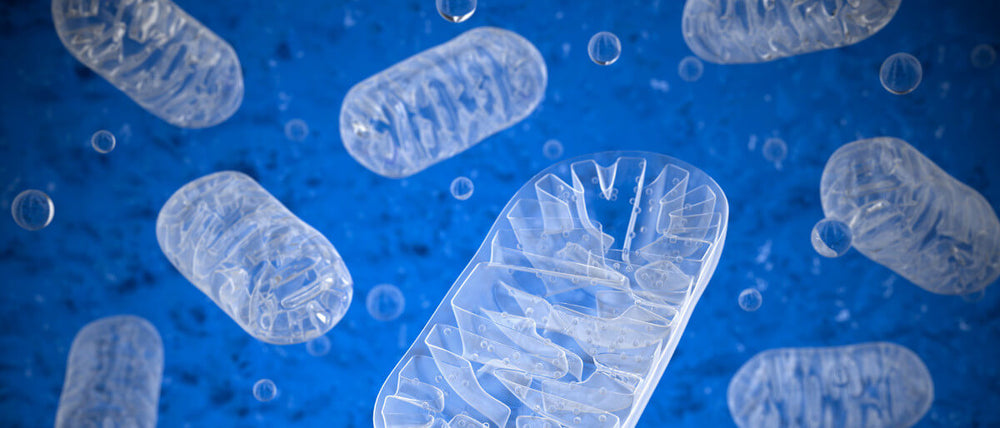
The cell membrane, a lipid bilayer just a few nanometers thick, plays a critical role in cellular function by regulating nutrient transport, immune signaling, and maintaining overall cell integrity. Essential fatty acids, like omega-3 and omega-6, are crucial for maintaining membrane fluidity and functionality, which supports energy production, cellular communication, and resistance to degenerative disease.

colorful brain and puzzle pieces
Featured Article

The Top Brain Exercises to Improve Cognitive Function

In this article, we’ll cover ten enjoyable and effective brain exercises that enhance cognitive function.
brain illustration and food
Featured Article

Best Foods for Brain Health: Support Memory, Concentration, & Anti-Aging

A balanced diet filled with antioxidants and healthy fats supplies the brain with the necessary building blocks to operate efficiently.
Environmental Toxins & Their Effects on Health
Featured Article

Environmental Toxins & Their Effects on Health

On both a personal and environmental level, we can reverse toxicity and restore good health.
woman dejected at computer
Featured Article

How to Navigate Election Anxiety & Support Your Mental Health Through Election Season

While participating in the democratic process is important, it's equally vital to take care of your mental health.
  • Podcasts
Dr. Thomas Wnorowski | 10.19.2020

How to Improve Fat Digestion and Absorption

While fat has been villainized in the past, fat digestion is actually a very important bodily function. Still, many people suffer from an inability to absorb fat properly. Let’s look a little closer at fat digestion, fat absorption, and symptoms and causes of fat malabsorption.
AndrewDurot Collaborator | 08.19.2020

Mold Uncovered: How to Protect Yourself From Mold in Your Food and Home

Caring for our bodies and our brains takes a great deal of effort, and it starts with a nourishing, healthy diet. Consuming tasty, nutrient-dense foods is crucial to supporting and optimizing our cellular function, which in turn builds a strong foundation for overall wellness.
Dr. Thomas Wnorowski | 03.03.2020

Antibiotics and Gut Health : The Effects of Antibiotics on your Digestion

Key Takeaways: 

  • Antibiotics not only act on bacteria that cause infections but also affect the resident microbiota
  • Resident microbia play crucial roles in digestion, immunity, metabolism, and mental health. They maintain the integrity of the gut mucosa and protect us from pathogens.
  • Supplementing with Butyrate during and after antibiotic treatment creates an environment where good bacteria can flourish at which time probiotics can be introduced*
  • Not all probiotics are created equal. A gut test like Viome can help identify optimal strains for your body

When you’re feeling ill and looking to get better, how often do you take the time to ask your doctor about the side effects of the medication they prescribed? And if you do ask, you’re most likely looking at understanding the big side effects of the medication, you know, the ones you hear listed in rapid succession at the end of drug commercials. The truth is, the one medication that we rely on, that has saved millions of lives since its discovery by Alexander Fleming in 1929, can devastate the one part of your body you don’t often think about, the gut. We’re talking about antibiotics.

Antibiotics can devastate, destroy, reduce, lay waste to and ravage the gut microbiome. It is estimated that in our gut we carry a hundred trillion microbes from more than a thousand species and more than seven thousand strains. Debatable or not, that’s a tremendous number. These microbes play crucial roles in digestion, immunity, metabolism, and mental health. They maintain the integrity of the gut mucosa and protect us from pathogens. Supporting the proper balance of bacteria and other microorganisms in your gut are imperative to your digestion as well as to your overall health and wellbeing.

How do Antibiotics Impact the Microbiome?

When the doctor prescribes an antibiotic for a diagnosed need, the gut microbiome is affected either directly or indirectly. The job of antibiotics is to deplete/neutralize pathogenic bacteria. Because their character is broad-spectrum, many/most antibiotics will indiscriminately kill subsets of commensal (meaning co-existing without harming us)  bacteria. That action will change the microbiome. This is the point where the prescriber needs to weigh the benefit of the drug against the possible side effects, even those that might appear down the road. But physicians lack the time to investigate every adverse effect of every drug they prescribe. Some antibiotics reduce the activity of gut-friendly bacteria while others might reduce their numbers. 

Beyond a direct effect, antibiotics can impair the microbiome indirectly by upsetting its homeostasis. Some microbiota species might play a role in the development of butyrate as a secondary characteristic, while metabolizing other nutrients as the primary. Others might protect their comrades from attack by something we eat. Depletion of commensal bacteria by antibiotics can lead to a decrease in the butyrate that is manufactured by bacterial fermentation of resistant starch. Concurrently, that may introduce gut inflammation and reduce not only the volume of butyrate, but also its capacity to clear unwanted bacterial invaders (Bhaskaran, 2018)*.  Look out for dysbiosis, that microbial imbalance that now features the unwanted bacterial strains on the marquee (Lakhan, 2010)*. It’s important to find and to take measures to restrict the overuse of antibiotics, despite that some have the potential to act positively on gut biota by increasing the abundance of beneficial strains (Ianiro, 2016).   

Antibiotics and Diarrhea

Antibiotics are non-selective - they kill the good with the bad, leaving the gut lacking in the bacterial strains it needs to extract water from foods and to form a solid stool. Without a body to a stool, diarrhea (which means “flowing through”) follows. Depending on diet, and especially fiber intake, not everyone gets diarrhea from an antibiotic. The course of the drug will determine the course of diarrhea, occasionally lasting a few days to a few weeks longer. For this reason, it has been advised to take a probiotic while on the drug. Consuming dairy with some antibiotics is not recommended because calcium binds with the drug and reduces uptake and efficacy. Not to seem impertinent, but the CDC announced that about thirty percent of antibiotic prescriptions are unnecessary, reminding that they have no effect on viral infections.

Can Other Medications Affect Gut Health?

Bacterial infections are not the only reason we swallow pills. Believe it or not, over-the-counter medicines are still drugs. NSAIDS (Nonsteroidal anti-inflammatory drugs) are widely used to control pain, but may induce adverse events in various body systems, most occurring in the GI tracts. NSAIDS, such as ibuprofen, aspirin and naproxen, shut off pro-inflammatory chemicals called cyclo-oxygenases (COX-1 and COX-2). The job of COX-1 is to protect gastric mucus layers and to maintain normal kidney function.  COX-2 synthesizes prostaglandins that produce pain and inflammation. NSAIDS can shut down COX-1 as well as COX-2 and allow gastric distress to follow, including the stomach bleeds that affect some aspirin users. 

What we especially like to learn about is the development of new COX inhibitors that deal with inflammation but do not interfere with the protection of anti-inflammatory prostaglandins. Some of these new NSAIDS contain phosphatidylcholine (PC). There are nitric-oxide-NSAIDS in the pipeline, too. These two types spare the cardiovascular system from the insults that plagued the “coxibs” that were pulled from the market for causing cardiac episodes, including heart attacks (Garcia-Tayado, 2018). As gastric insults, the NSAIDS available now harass specific strains of gut bacteria. Not only NSAIDS but also proton-pump inhibitors (Prevacid, Prilosec) modify intestinal microbiota, affecting sensory and nerve functions. Overzealous supplementation with potassium chloride may cause small bowel ulcerations and stenosis, while contraceptives are associated with intestinal ischemia (Scarpignato, 2019). Unfortunately, not many are aware of these other drug “personalities”. 

Reducing levels of native microbes jeopardizes their ability to prevent invasion by harmful ones, such as C. diff and some salmonella. And if carbohydrates are not adequately broken down by indigenous strains, too much water may be absorbed and cause diarrhea, a lack of butyrate, and a misstep in the metabolism of bile acids. Additionally, tight junctions suffer adversity and allow undigested food particles to invade the bloodstream. 

Restoring Your Gut Flora After Taking Antibiotics and Other Medications

If left alone after a course of antibiotics, the body may not recover in the time we think it should take. Long-term use of an antibiotic will possibly develop erosion of the glycocalyx that normally coats the microvilli.  Loss of the brush border is attendant, reducing secretory IgA.  The glycocalyx may be compromised by the drug or by the original infection.  Either way, the outcome is the same dismal circumstance, challenging commensal bacteria to repopulate their community.  In such instances, the probiotic yeast, Saccharomyces boulardii, can pave the way for Lactobacilli and Bifidobacteria to re-establish their realm.  True, Saccharomyces is not a commensal entity, but it’s a potent promoter of glycocalyx production and enhanced IgA secretion.  The right diet can do wonders in hastening the restoration process, being sure to minimize sugars and refined grains, like white bread and white rice.  Not all probiotics are accepted by all microbiomes.  There are myriad bacterial strains occupying one’s gut, so it is no surprise that all don’t get along with each other.  Resolution may be expected in six weeks to six months.

Eat a Prebiotic-Rich Diet

Prebiotics are carbohydrates, such as inulin, that are nearly or completely indigestible.  When consumed, they promote the growth of beneficial bacteria as food. Naturally found in fruits and vegetables, they are commonly obtained from artichokes, bananas, chicory, garlic, asparagus, leeks, dandelions, apples, barley, berries, greens, tomatoes, soybeans, flaxseeds, and onions. 

Prep for Probiotics with Gut Health Supplements

Before we think of gut restoration with probiotics, we need to consider providing them a nice place to reside. That is the work of butyrate, an endogenous short-chain fatty acid of myriad talents, but famous for being the main source of energy for colonocytes, the cells that line the colon and give biota a happy place to live*. Butyrate closes tight junctions, supports a healthy inflammation response, sequesters ammonia from faulty protein metabolism and protects the gut from attack by malformed DNA*. The mucus layer is the place where the bacteria live, and more than seventy percent of it is made from PC. Once we get past thirty years of age, our capacity to make enough endogenous PC to serve our trillions of cells is limited, leaving PC supplementation a good idea*. 

Head over to our gut health page to find our range of products that will help improve your digestion.

Choose the Right Probiotic for You

Do you know if you really need a probiotic?  If antibiotics have been in your recent past, you likely do.  If you feel well and your vitals are in range, you might not.  While foods can’t always give you what you need in the way of minerals and vitamins, some can provide probiotics—sauerkraut and pickles, fermented kim chi, yogurt and kefir.  Probiotics are nutraceuticals that contain live bacteria that match those in one’s gut microbiome.  Their therapeutic goal is to normalize a prior disturbance.  Not everyone shares a microbiome, with the possible exception of those living in the same household.  That means the bacteria in your gut belong to you, and unless your probiotic is tailor-made, you could be wasting time and money.  It is agreed that everyone could benefit from the species, Lactobacilli and Bifidobacteria, but some strains of those may not be ideal for you.  Lactobacilli help to control bad bacteria and help the body to absorb minerals.  Bifidobacteria support the immune system and help to break down some nutrients into forms we can use. 

Not all probiotics are created equal - what works for you might not work for your twin. We can’t say which strains are best for you without identifying which occupy your gut.  Here, your physician can help by guiding a stool test or perhaps try a test like Viome

Consider Natural Alternatives to Antibiotics When Possible

Livestock and poultry live in such proximity to each other that they share more than food. They stand in it, they wallow in it, and they breathe it.  How does the farmer in the dell protect his animals from catching each other’s sicknesses and diseases?  From cattle to chickens, and probably even to farmed fish, antibiotics have been necessary evils, having resulted in tremendous increases in animal production and protection of human health.  (Hume. 2011)  It’s been a rare case when these drugs weren’t used.  Some factory farms that swore they were antibiotic free were later found to be in violation of the truth.  Primary care physicians prescribe antibiotics to satisfy their patients’ false beliefs that this class of drug will cure their common cold and remove symptoms of influenza.  (Smucny. 2000) What’s wrong with this? Antibiotic resistance is the concern, an issue that develops almost too quickly for science to keep ahead of the pathogens. (Hall. 2004)

Enter the alternatives—the natural antibiotics.

For a reason not yet identified, bacteria have a tough time becoming resistant to natural substances.  Maybe we shouldn’t look a gift horse in the mouth.  Because they are natural, these alternative antibiotics / antivirals cannot be patented.  They are dose-dependent, as well, meaning that you might need more of a substance than your twin brother or sister.  The bacteria we face today are the same ones we faced in past decades, but they don’t die at the hands of the miracle drugs that worked sixty years ago.  These potential killers have been found to fall at the hands of some pretty innocuous characters.  Here are a few.

Goldenseal

Goldenseal, the most active compound of which is called berberine, is a supplement that reduces the ability of some streptococcus bacteria to adhere to epithelial cells, the covering of organs that compares to skin.  Berberine is bactericidal and bacteriostatic, killing and preventing bacterial multiplication. (Sun. 1988) (Amin. 1969) In tests at California’s Veterans Affairs Medical Center at San Diego, staff discovered that goldenseal was able to increase antigen-specific immunoglobin (Ig) production, namely IgM, the immunoglobin that responds first to intrusion by pathogens in the bloodstream.  In combination with echinacea (angustifolia), an augmentation of IgG response was noted, thus making invaders subject to destruction by macrophages. (Rehman. 1999)

Essential Oils

Essential oils and extracts from plants have been recognized as being antimicrobial for many years.  They haven’t been studied extensively because there is little profit in substances that can’t be patented.  Pharmaceutical companies have major dollars available for research, but not for anything that grows in your yard.  In 1999, the University of Western Australia pulled out all the stops and investigated more than fifty plant oils and extracts for their efficacy as antimicrobial agents.  No less than ten common bacteria strains fell prey to oils lemongrass, oregano, and bay, including E. coli, Candida albicans, Staphylococcus aureus, and two pneumonia bacteria.  The remaining oils and extracts showed variable activity, but the notion of using plant oils as pharmaceutical agents was supported.  (Hammer. 1999)  A year later, in the UK, Scots found that “volatile oils exhibited considerable inhibitory effects against all the organisms under test…” (Dorman. 2000)

Garlic

A perpetual favorite, garlic is one of the better-known and more frequently enlisted of the antiviral compounds.  One of the neatest stories about this plant is that the crooks who wandered Europe during the Black Death rampage of the 14th century survived the plague only because garlic was a mainstay of their diets.  At the end of the last century it was ascertained effective against E.coli in work conducted at Hirosaki University in Japan.  (Sasaki. 1999)   Fresh garlic was used in those tests and in earlier American studies at Brigham Young University, where garlic thiosulfates demonstrated virucidal properties against every strain of virus tested. (Weber. 1992)  Even MRSA is controllable with garlic given at twelve-hour intervals. (Tsao. 2007) 

The Bottom Line on Antibiotics and Gut Health

Antibiotics, as helpful as they are to quell a bacterial assault (remember that they do not affect viruses), interact with our cells, particularly immune cells, in ways that we really don’t understand.  The biochemical changes matter when the outcome is uncertain and the possibility of spawning antibiotic resistance is real.  To help resurrect cells that have been denigrated by their rescuer(s), pre- and probiotics have the means.

Dr. Thomas Wnorowski | 10.31.2019

Vegans Need Fatty Acids Too

KEY TAKEAWAYS

  • Produce can be labeled as “organic” if it is grown in soil that has been untouched by any man-made chemicals for at least three years prior to its harvest.
  • Although those following a vegan lifestyle can get many of the necessary nutrients the body needs from plants, there are some nutrients, such as B12, that are not easily extracted from plants.
  • Vitamin D, iron, calcium and zinc should also be deficiency concerns for those following a plant-based diet, especially women.
  • Supplementing these nutrients alone, however, is not enough. Being devoid of animal products or by-products, Balance Oil encourages the uptake of fat-soluble nutrients, assuages inflammation and reorganizes an aberrant cell membrane.

First, let’s talk about our food sources…

The organic, non-GMO status of practically everything is questioned these days.  Well, not everything, but enough to deserve at least a little attention.  That itself is a problem because there is no accepted definition of ‘organic.’  Chemically, the term refers to any substance that contains carbon, meaning that it comes from a living thing, whether presently, like you, or formerly, like a dinosaur.  Motor oil, then, is organic, as is gasoline, transmission fluid and mastodon hair. In deciphering the wonderful world of marketing, ‘organic’ carries more weight than ‘natural,’ because n really knows what ‘natural’ means. 

Produce can be labeled as “organic” if it is grown in soil that has been untouched by any man-made chemicals for at least three years prior to its harvest. This applies not only to soil, but also to animal rearing practices, pest and weed control and the use of additives (if you’re interested, or just plain nosy, the USDA has a list of prohibited and permitted substances on their website). You can rest assured that at Bodybio, we are intentional about sourcing the finest organic ingredients to use in our supplements.

Genetic modification came about when some overly-friendly chemical company decided that insects should not eat food intended for humans.  So, they injected alien genes into a plant’s chromosomes that would render bugs infertile, sterile or dead, all by neutering, starvation, poisoning or central nervous system discombobulation, if they snacked on a crop.  The concern is that some of these alien genes come from organisms that do not belong in the same country as people, such as bacterial organisms that eat insects from the inside out. Although this may not be harmful to a human body, it can wreak havoc with a human gut microbiome and wipe out the health-giving bacterial population that helps to make an immune system and that masterminds the manufacture of some vitamins, including vitamin K.  These knights in rusted armor also decided that food needs to carry more nutrition than Mother Nature gave it. This is comparable to asking an eight-ounce cup to hold 10 ounces of coffee.  

Not all food purveyors are less-than-righteous in their offerings, but those that are might disguise harmful substances behind a mask, such as labeling FD&C Yellow #5, suspected of causing hyperactivity, asthma and migraines, among a few other maladies, as tartrazine.  GMO ingredients are disallowed if the ‘organic’ designation appears on a label.  

No one has the license to fault another for choosing a plant-based lifestyle.  The inverse also applies to omnivores. But there is a legitimate concern that vegans get all the nutrients they need from the foods they do consume. But, not all the nourishment we need is easily extracted from plants, like vitamin B12 and a few fellow travelers.  

Plant Based Diets and Vitamin Deficiencies 

Vitamin B12

Vegetarians are at risk for vitamin B12 deficiency because of suboptimal intake.  It’s not their fault because that vitamin is historically derived from animal sources.  But notice the qualifier: historically. That means there might be an exception – Streptomyces griseus and an extended family of cousins, mostly soil-dwelling organisms, the fermentation of which produces (cyano)cobalamin. (Pappworth, 1950).  So, yes, there are B12 supplements available to vegans.. Because of leafy greens, legumes and assorted other plants, vegans have a high intake of folate.  In itself, that’s fine, but too much masks a B12 deficiency, so be mindful to supplement to avoid anemia. If you get cut shaving, and if your blood is water clear, it’s time to think about your diet, despite the fact that B12 can be stored for months.  Red blood cells need B12 to form and to grow. As we age, we often become deficient in the gastric intrinsic factor that assures uptake of B12 from foods, so supplementation is a good idea.  

Vitamin D 

Vitamin D can be a deficiency concern in omnivores as well as vegans.  People are afraid of the sun. Fifteen minutes of bared wrists and neck exposed to a summer sun will encourage the endogenous manufacture of about 20,000 IU of vitamin D, so slather on the SPF afterward.  However, the farther from the equator you are, the less you will make. Other than fortified beverages, mostly cow’s milk, this vitamin, which is more a steroidal hormone, is not easy to get from plant food.  Supplements that are not made from lanolin likely come from irradiated edible fungus or from lichens. Those who are allergic to molds might have a problem.  

Iron, Calcium, Zinc

Iron, calcium and zinc deficits are real threats to the overall health of plant-based diets as well, especially to females in their reproductive years.  Menstruation causes a loss of iron. Slapdash diets, eaten on the run, away from the kitchen table in a household where no one cooks, can reduce stores of all minerals.  Heme iron, from flesh, is readily taken up and used to build hemoglobin, the O2-carrier in blood. Non-heme iron can be found in fortified foods and dark green leaves, such as kale and spinach, in dried raisins and apricots and in some beans. To bolster uptake, vitamin C might help.

Omegas and Fats 

The carbon groups found in carbohydrates and proteins help to supply the raw materials for the human body to manufacture some saturated and unsaturated fatty acids.  Missing, however, is the enzyme needed to insert the bond that creates omega-6 and omega-3 essential fatty acids (EFAs), meaning they must be obtained from the diet. Along the n-6 side, linoleic acid (LA) is the mother, common to high-linoleic safflower oil.  (High-linoleic acid sunflower oil has gone the way of the dinosaurs.) The parent n-3 fatty acid is alpha-linolenic acid (ALA), found in flaxseed or its oil. The EFAs are important structural elements of all cell membranes and, when incorporated into phospholipids, provide the membrane with fluidity, flexibility and permeability.  

The typical Western diet has drifted far away from the ideal physiological ratio of the essential fats.  It’s much too common to see a ratio of n-6 to n-3 fats as high as 30 to 1, coming largely from bastardized supermarket oils that have been insulted from seed to bottle by heat, time, contamination, bleaching, deodorizing and fluorescent lamps, and from processed foods.   Determined as the most beneficial, a ratio of n-6 to n-3 fats of 4 to 1 was discovered by researchers in Israel and Washington, D.C., independent of each other’s intentions and ultimate goals.  

BodyBio Balance Oil is made from non-GMO, organically cultivated safflower and flaxseed oils. These are extracted in the absence of deleterious temperatures and are neither bleached nor deodorized. The body’s conversion factors required to elongate the omega-6 fats downstream to the ultimate arachidonic acid, and the omega-3 fats to EPA and DHA, are decreased in adults, leaving the healing characteristics of these mother fatty acids, LA and ALA, to their anti-inflammatory nature.  Although minimal conversion may occur, it is often sufficient to countervail any pronounced deficit of the long-chain fatty acids, and thus afford the ameliorative effects of anti-inflammatory prostaglandins, resolvins and protectins. To help guarantee optimal benefit from n-6 and n-3 fats, it is prudent for adults to get a jump start by using evening primrose oil for the n-6, GLA and Kirunal fish oil for EPA and DHA, the precursors to those protectins and resolvins mentioned.  

The straight linoleic acid supplied by safflower oil in BodyBio Balance Oil is the direct predecessor of cardiolipin (CL), the signature phospholipid of major significance that lines the mitochondrial membrane.  CL serves as a signaling molecule by transferring protons from one side of the cell membrane to the other. It constitutes about twenty percent of the total lipid composition of the inner mitochondrial membrane, where it is required for the optimal function of numerous enzymes involved in mitochondrial energy metabolism and in mitochondria-induced apoptosis.  The overzealous use of cheap, oxidized fish oils will raise DHA levels and push linoleic acid out of CL, causing a host of physiological maladies.

The maligning of n-6 fats should focus on the commodity polyunsaturated oils that peroxidize and typically harbor free fatty acids, alcohols, aldehydes (think formaldehyde, especially in the fast-food deep fryer), ketones, hydrocarbons, trans-isomers, cyclic and epoxy compounds.  This damage to oil architecture, especially after heating and reheating (as done in restaurant fryers) impairs cell membrane function (restorable by BodyBio Balance Oil)—it disturbs membrane permeability and disrupts cell receptor activity.  Being devoid of animal products or by-products, Balance Oil encourages the uptake of fat-soluble nutrients, assuages inflammation and reorganizes an aberrant cell membrane.  It is the membrane that orchestrates the activity of the cell by telling it what to do and when to do it. The sixty trillion cell membranes we host direct the dance of life, making the EFA’s the most essential of all nutrients. 

Dr. Thomas Wnorowski | 10.17.2019

Understanding the Microbiome

KEY TAKEAWAYS:

  • The over 100 trillion microbes that constitute the body’s defense against disease can be negatively affected by the food we consume, such as processed foods and excess sugar.
  • Microbes start to colonize us the moment we are born.  Depending on how and where we were born, we’re colonized by different types.
  • By the time a child is three years old, their microbiome resembles an adult’s and becomes more stable, though still influenced by sickness, antibiotics, stress, injury and diet. 
  • Of the several hundred species of bacteria that inhabit the gut, only a fraction has been identified, largely because most cannot be cultured, and identification is a challenge (Shanahan, 2002).
  • Some of the carbohydrate/fiber we eat is resistant to digestion, but butyrate enhances healthy tissue turnover and maintenance, aiding with this issue. It’s unlikely that we eat enough resistant starch to be physiologically beneficial, making butyrate supplementation a prudent habit.
  • A substantial volume of intestinal mucus depends on phosphatidylcholine (PC) for its structural integrity and function.  PC accounts for more than seventy percent of its makeup.

The Microbiome and Bacteria 

There are ten times more microbes in and on the body than there are cells in the body.   A hundred trillion plus microbes (a debatable number) constitutes quite a fan club, which happens to do more than merely hang out – it fights disease, supports the immune system, detoxifies and even helps to maintain a trim waistline.  But this all depends on housing the right microbes. Every neighborhood seems to have its rebel inhabitants. So too does the gut, where we can find hostile micro-organisms that initiate inflammation, play a role in obesity and instigate chronic disease. 

It’s important to know that some foods interfere with the balance of microbes that occupy the body.  Processed foods, products full of GMOs, sugar and heavily hybridized wheat and moldy grains may introduce irritants and pro-inflammatory characters that none of us needs.  Instead of nourishing the body, they set us up for a host of chronic nightmares and they certainly fail to support the microbiome that nature fought so hard to provide and develop.  Those tiny friends sitting on and about the body enhance immunity and that is the reason using anti-bacterial soaps and lotions is a bad idea. Plain, old-fashioned soap will sanitize your hand enough to be able to safely eat with them.  By limiting exposure to a diversity of microbes, we’re making ourselves less capable of fighting sickness. 

Playing in dirt is not a common adult pastime, but it does have benefits.  Planting flowers, cutting grass and pulling weeds introduces us to micro-organisms that are on our side.  Soil microbes are even recruited to manufacture natural medicines and supplements. Curious scientists noticed that billions of diverse microbes occupy just a teaspoon of soil, competing for nutritional support.  It was a eureka moment in realizing that some of the triumphant compounds might combat human infections. Actinomycin, neomycin and streptomycin are but a few. And vancomycin is one of those used as a last resort against refractory bacterial infections.  “-mycin” is the suffix for antibiotics produced from Streptomyces strains of bacteria.  Whether any of the soil microbes enter the colonic biome makes little matter because all are members of a larger army designed to support human life. 

The gut microbiome is populated by bacteria, archaea, fungi, protists and viruses.  Bacteria and archaea are single-celled organisms that do not enclose their genetic material in a nucleus, making them prokaryotes, also known as monerans.   Fungi and protists are eukaryotes, having a membrane-bound nucleus and organelles. Viruses are neither because they lack all the characteristics of living things.  They reproduce, for example, only inside living cells where they hijack cytosolic materials to grow and to perform respiration. Every guest we host plays a role in life’s processes. 

The Development of Bacteria Over a Lifetime 

Microbes start to colonize us the moment we are born. Depending on how and where we were born, we’re colonized by different types.  While still in the womb, we’re a hundred percent human. That changes after the journey through the birth canal and the first taste of mother’s milk. C-section babies are colonized mostly by skin microbes—a vastly different set of species (Dominguez-Bello, 2010). So different are they that the door to future health risks, such as diabetes, celiac disease and obesity, may have been opened (Neu, 2011). Babies acquire microbes from every person and thing they touch.  Those born at home get a different collection from those born in a hospital. The vertical and horizontal transmission of bacteria to the neonate appears in feces in a few hours after parturition and reaches 108 – 1010 per gram of feces in a few days, at which point the mucosal immune response is shaped.  

The microbial communities that reside in the gut and their impact on human health comprise one of the more intricate areas of research. A balanced intestinal community in early post-natal life is needed for the development of innate and adaptive immunity and the establishment of immune homeostasis later in life.  Emerging evidence indicates that gut microbiota modulators, such as probiotics, prebiotics and synbiotics, may support disease prevention, particularly for caesarean and premature babies (Miniello, 2015). The first bacteria to inhabit the neonatal gut are usually aerobic or facultative anaerobic bacteria that include Enterobacteria, Enterococci and Staphylococci.  As the microbiota complexity increases and more oxygen-sensitive species are established, the aerobic and facultative populations decline (Adlerberth, 2008).  A range of factors influences the intestinal biota and its creation, including the mode of delivery and feeding, antibiotic exposure and contacts with parents, siblings and hospital personnel.  From age ten days to four months, Staphylococci decline, while Bifidobacteria and Bacteroides peak (Øien, 2006) (Vebø, 2011) (Gueimonde, 2006).   

 Species compete for space and resources.  Those best equipped to live in a specific environment will flourish, the dry oxygen-rich environs of the skin harboring a population different from the dark, watery environs of the mouth.  More subtle variations in the environment can shape microbe populations as well, where buccal communities differ from those of the dorsal tongue. 

 The fecal bacteria of breast-fed infants are vastly different from those of formula-fed babies. The only similarity is that Streptococcus is the primary genus in both groups (Fan, 2013). The dynamic composition of human milk is exclusive in growth factors, cytokines, immunoglobins and digestive enzymes. Moreover, it’s associated with a lower incidence of necrotizing enterocolitis and diarrhea early in life, and in IBD, type 2 diabetes and obesity later in life (Le Huerou-Luron, 2010) (Øien, 2006). Where formula is fed, intestinal hypertrophy, intestinal permeability and bacterial translocation rise (Le Huerou-Luron, 2010). Where cow’s milk is fed, iron deficiency anemia may ensue from calcium/casein inhibition of non-heme iron absorption. Because the alien proteins increase the risk of allergy and induce a greater response to gastric inhibitory peptide and insulin, avoidance of cow’s milk during the first year is important (Alexander, 2003). 

By the time a child is three years old, their microbiome resembles an adult’s and becomes more stable, though still influenced by sickness, antibiotics, stress, injury and diet.  Of the several hundred species of bacteria that inhabit the gut, only a fraction has been identified, largely because most cannot be cultured, and identification is a challenge (Shanahan, 2002). 

Diet and the Microbiome 

Dietary habits may determine gut microbial composition, but the association of microbiota with different diets is yet to be completely understood. Comparing and contrasting diets of cultures from third-world and first-world countries, it can be seen that differences in gut microbes are substantial.  Where Bacteroidetes flourish in the high-fiber diets of undeveloped societies, Firmicutes thrive in their counterparts.  Studies conducted on mice found that obese animals have higher levels of Firmicutes than Bacteroidetes. In non-obese mice, the opposite is true. Transplanting the microbes from the obese group to the normal group resulted in weight gain among the normals, leading researchers to conclude that Firmicutes are better at extracting energy from food when contrasted to Bacteroidetes.  This means that a strong Firmicute population will convert more food to energy, either to be used or to be stored as fat.  Perhaps modulating the baseline microbiome population to include a higher percentage of Bacteroidetes by eating more fiber can induce weight loss (Kallus, 2012). 

Some of the carbohydrate/fiber we eat is resistant to digestion. These resistant starches are fermented by specific gut bacteria to become substances known as short-chain fatty acids (SCFA’s), notably butyrates (Topping, 2001) (Wong, 2006).   SCFA’s are the primary substrate for energy metabolism of colonocytes and they act as growth factors to the epithelium. Butyrate enhances healthy tissue turnover and maintenance*.  It stimulates regeneration of the lining of the gut in diseased states and inhibits proliferation of neoplasms to impede potential tumor development*.  Where faulty protein metabolism may eventuate to a buildup of ammonia, butyrate intercedes to sequester it and prevent neurotoxicity*. Generally, butyrate can alter gene expression by inhibiting an enzyme cascade known as HDAC, thereby modulating DNA replication and boosting wellness, especially in the pancreas, liver and brain (Davie, 2003)*.  Where histone acetylation is dysregulated in conditions such as Alzheimer’s disease, butyrate has shown its capacity to treat memory impairment by mitigating amyloid pathology (Govindarajan, 2011)*. Should concerns about leaky gut/intestinal permeability abound, butyrate is able to close tight junctions and enhance the intestinal barrier (Peng, 2009)*. 

Which Butyrate Should You Take?

Sodium Butyrate would be used by those who sweat profusely, such as marathoners, cyclists, people working in hot environments and those who exercise longer than an hour, as well as by persons with low blood sodium levels*.  

Sodium Potassium Butyrate meets the needs of the same population, but accommodates those with sodium-sensitive hypertension, whereby potassium antagonizes and controls sodium*.  

Calcium Magnesium Butyrate is the only butyrate supplement that is compounded to calcium-magnesium, instituted to meet the needs of an American populace terribly deficient in those minerals*. 

It’s unlikely that we eat enough resistant starch to be physiologically beneficial, making butyrate supplementation a prudent habit. 

How Does the Microbiome Protect Against Disease? 

The body invests considerable effort in keeping the gastrointestinal tract protected against insults and invasions.  The apical (top) surfaces of enterocytes are coated with glycosylated proteins commonly called mucus. In the small intestine there is a single layer; the stomach and colon have two. In the colon, the outer layer provides accommodation for commensal bacteria.  The inner layer is impervious to bacteria and is renewed about every hour by what are called goblet cells, so called because they become distended with an accumulation of mucin granules that give them the appearance of a goblet. If bacteria ever reach this layer, an infection of some sort is suspected…or a really bad diet.  A substantial volume of intestinal mucus depends on phosphatidylcholine (PC) for its structural integrity and function. PC accounts for more than seventy percent of its makeup. The exogenous administration of PC reinforces the mucus layer and is of therapeutic benefit in chronic intestinal disorders, such as ulcerative colitis (Diebel, 2014) (Olson, 2015).   Mucus is made from a combination of several ingredients that work together to keep itself healthy, so it’s to our benefit to attend to its needs.

BodyBio PC provides a liposomal phospholipid complex that is well-known for its capacity to enhance central nervous function, to add surfactant to respiratory tissue, to augment cell membrane fluidity and permeability and to stabilize metabolic processes*. Also among its other multifarious characteristics, is improvement of gut function and homeostasis*. 

For a long time, people have played with our food, adding colorants, preservatives, texturizers and whatever else it takes to keep it on the shelf, attractive and flavorful. 

A few foods have achieved near perfection because of chemicals called emulsifiers, substances that help different things mix together when they normally would not.  To their discredit, emulsifiers have shown themselves to alter gut microbiota and to incite an inflammatory response that promotes the development of disease and metabolic syndrome (Nguyen, 2015).  Because it doesn’t hurt, we pay no attention to it, which is why being proactive with butyrate and phosphatidylcholine is vital. Before it does, to indicate that something could be wrong, it seems like a good idea to be proactive with butyrate and phosphatidylcholine.

Do Probiotics Help? 

Probiotics?  The most successful have documented clinical effects in large-scale consumption trials.  Of these, L. acidophilus NFCB 1748, L. casei Shirota, L. GG (ATCC 53103) and L. acidophilus LA1 have durable reputations for efficacy.  But there are others, as well (Holzapfel, 2001). To work as intended, probiotics need to adhere to the gut wall and to demonstrate high levels of colonization, meaning they need a nice place to live.  Butyrate and PC provide that. However, we must beware of the use of medications that would wreak havoc within the microbiome — NSAIDS, oral contraceptives, corticosteroids and other pharmaceutical preparations.  Antacids, H2 receptor antagonists and proton pump inhibitors threaten probiotics because they reduce stomach acid, allowing influx of pathogens that otherwise would be neutralized. 

Because knowledge of the microbiome is not a settled issue, there is no conclusive maxim to which one may subscribe.  Eating for the gut seems just as important as eating for the soul, as well as the body. As we strive to avoid physical and emotional conflict, so should we do for the gut’s sake, considering that one’s state of mind affects the biome on a bidirectional highway.

Dr. Thomas Wnorowski | 09.13.2019

Could Phosphatidylcholine (PC) be the key to a sharp memory?

Key Takeaways: 

  • The deterioration of cell membranes can be attributed to memory loss
  • PC has been shown to support a healthy cell membrane, and in turn better brain functioning as we age*
  • PC serves as a reservoir for the choline needed to make the neurotransmitter Acetylcholine

Some captivating movies have been made about people whose memory loss takes them on curious meanderings. These episodes of amnesia, usually the result of some kind of physical, emotional or psychological trauma, are short-lived on the silver screen and almost always resolve themselves to a sigh of relief. In real life, memory loss can range from a mere annoyance or a serious impediment. Occasional forgetfulness, such as entering a room and wondering why you went there or misplacing your car keys for the second time today, becomes increasingly common with age. In most cases, that’s no cause for alarm, at least not unless it interferes with everyday activities.  

Memory loss can be caused by a litany of triggers. Medications, including antidepressants, antihistamines, anti-anxiety medications, muscle relaxants, tranquilizers and pain medicines are a major cause of memory debilitation. Alcohol and drugs do the same, as may tobacco, which reduces the amount of oxygen that gets to the brain. Sleep deprivation, depression, stroke, head injury, and nutritional deficiency affect memory as well. The hormone imbalances that plague women near and at menopause wreak havoc on memory function in varying degrees. If you find that you are increasingly forgetful, you might want to talk with your doctor to determine the cause. Then you can pursue a line of treatment if one is deemed necessary. The efficacy of different treatments available will surprise you.  

Diseases and Memory Loss 

The two kinds of serious memory fault that people face are Alzheimer’s disease and vascular dementia, the latter distinguished from the former by sudden onset instigated by small strokes or changes in blood supply to the brain. In the former, memory loss begins slowly and worsens over time. Prevention, interruption of disease progress, and treatment are legitimate topics of discussion within the medical community.

Hippocampus and Memory Loss 

Besides being a mythological creature with a horse’s front hooves and the tail of a fish, the hippocampus is a major component of the brain that plays a vital role in the formation of memories, particularly moving them from short-term to long-term. It also serves as a guide for spatial memory, which is responsible for realizing one’s whereabouts and the relationship to them.  Learning, reasoning and comprehension develop from this point and work to process information gathered by the senses. The decline in memory associated with hippocampus dereliction accounts for the inability to retain newly acquired data. 

The Source of Memory Degradation 

Ever wonder why it seems Grandpa can only talk about the past? One condition that helps to explain this is the deterioration of cellular membranes—in this case, those of the neurons. If phosphatidylcholine (PC), the major structural and functional phospholipid of a cell membrane, is absent or in meager supply, noticeable memory shortfall will appear (Crespo, 2004)*. Long-term, sustained use of a PC supplement helps to prevent memory deficits that accompany old age (Teather, 2006)*.  

How Does Phosphatidylcholine Help Memory?

PC can also have a positive effect on some of the mechanisms involved in the manufacture of acetylcholine (a chemical found throughout the nervous system). Acetylcholine is liberated at nerve endings as a neurotransmitter, wherein it sends messages from one nerve cell to another and plays a prominent role in nervous system function by enhancing sensory perception. Alzheimer’s disease involves damage to the cells in the brain that manufacture acetylcholine. The damage to these all important cells also affects the manner of electrical movement across the synapse. Thus it influences the stages of memory function—encoding (making) of a memory, creation of a long-term memory from a short-term memory (consolidation), and recall (retrieval) of a memory. Acetylcholine has a more profound effect on encoding than on the other two actions. PC serves as a reservoir for the choline needed to make the neurotransmitter, so it doesn’t go directly to its manufacture. Instead, it goes directly to the maintenance and support of the cell membrane, thereby allowing the free travel of nutrients and energy into the cell and the passage of waste and debris out.  

Not all PC (Phosphatidylcholine) is Created Equal

PC may be extracted from egg yolks, but that contains an overload of saturated fat that encourages rancidity.  Commercial PC comes from soybeans instead. However, very few true phospholipid PC products are available. Most commercial phosphatidylcholine products consist of triple lecithin, getting the pseudo-PC designation because it contains PC as a major constituent, but at a fraction of the amount in true phosphatidylcholine. The remaining fraction includes ancillary fats and impedimentary nutrients that stop the authentic phospholipid from traveling past the digestive system. It never reaches the cell membranes and hence defeats the entire purpose of taking PC.  True phospholipid PC maintains its integrity as a liposome, allowing it to reach and take up residence in the cell membrane and therefore improve memory.

If you need further proof of the efficacy of PC, deficiencies as early as utero can lead to lifelong cognitive deficiencies.  The bottom line of PC intake entails DNA methylation, gene expression and changes in stem cell proliferation and differentiation (Zeisel, 2006)*.  Hippocampus development appears to depend on it*.  

If supplementation for cerebral support is in the near future, we need to understand choline is not the same thing as phosphatidylcholine.  Though held to be a required nutrient, choline, whether from an animal source, from greens, or otherwise, has been implicated in cardiovascular issues.  It is not a phospholipid and cannot restore, support and maintain the cell membrane, whose orderly function animates the whole person.

Jessica Kane | 03.15.2019

MCT Oil - Game Changer or an Oil Spill of Hype?

The media blast on MCT oil is mind boggling. You see it poured into coffee, added to smoothies, mixed into oatmeal. We are told that MCT’s suppress hunger, increase energy and boost mental clarity. Sound too good to be true? Let’s take a closer look at the impact of loading MCT’s into your diet.

Just the Facts on MCT  

Medium-chain triglycerides (MCTs) are fat molecules with 3 saturated fats attached to a glycerol backbone.  MCTs contain between 6 and 12 carbons in their fatty acid chain and are commonly found in coconut oil, palm kernel oil and dairy products.  The main MCTs are caproic, caprylic, capric and lauric acids. Coconut oil has the greatest percentage of these, at >60%, followed by palm kernel oil at >50%, and dairy with only about 10%.  Straight MCT oil has a higher concentration of the shorter-chain fats that are more efficiently converted to ketones, with caprylic in the lead. Standard MCT’s are liquid at room temperature, while coconut oil is usually solid or semi-solid.

MCTs serve us exclusively with energy and calories; they do not contain essential fatty acids nor are they bioactive lipids. MCTs are broken down and absorbed rapidly, going straight to the liver, where they can be used as instant energy sources or turned into ketones, which can cross to the brain and supplant the carbohydrates/glucose that are normally used for fuel.  Additionally, the calories in MCTs are so efficiently utilized that they are less apt to be stored as fat.

Scientific Deep Dive

A shot of MCT oil can give rise to ketone manufacture in liver cells, even when there is ample glycogen availability.  This occurs because medium-chain fatty acids can stream into mitochondria in the liver efficiently and get converted either to ketone bodies or to carbon dioxide.  The half-life of medium-chain fatty acids is such that they demonstrate a high oxidative metabolism and trigger thermogenesis, reducing the potential for weight gain.

The Ketogenic Diet, a very high fat diet, has been used to help control seizure activity since the 1920s, prior to the development of anticonvulsant drugs. However, when children did not respond to medications and developed ‘intractable’ seizures, the classic therapeutic ketogenic diet (90% fat) was introduced in a clinical setting at Johns Hopkins.  In the mid-1990s, when a movie producer’s son responded to the extreme ketogenic diet, the concept became more popular, and eventually more moderate approaches were used, such as the ‘Modified Ketogenic Diet’. Since that time, thousands of medical papers have emerged on the subject to attempt to create a ‘ketogenic pill’.

More currently, MCTs have been reported to enhance memory in mild cognitive impairment (Krikorian, 2012) (Veech, 2004).  These observations, then, support rationale for a ketone fuel replacement. However, medical diets attempting to use MCT oil exclusively for seizures failed and they had to go back to the drawing board.

MCTs are unlikely to exacerbate obesity; they do not give rise to ectopic fat metabolites that mediate metabolic syndrome; and they have little adverse impact on serum lipid profiles, despite an increase in total cholesterol.

The idea behind adding MCT’s to your coffee is that it converts the human body into a fat-burning instrument, thus promoting healthy weight loss and eliminating hunger pangs. Proponents argue that this is because the MCT oil in coffee turns to ketones instantly and boosts your metabolic rate.

Energy from MCT is more readily available than from butter or other fats or oils (saturated, unsaturated, monounsaturated).  Furthermore, MCT does not require bile (released from the gall bladder), as other fats do, to be digested. So for those who struggle with fat intolerance, MCT oil is easier for the body to use as a source of calories, energy and satiety.

On the Down Side

MCTs are nothing more than a storehouse of calories and coincident energy.  They do not, and cannot, support cellular health because they lack essential fatty acids, making them non-bioactive lipids.  Overwhelming the system with a surge of MCTs is apt to cause diarrhea, nausea and vomiting.

Though it is possible to obtain MCT oil from coconuts, it is more likely derived from less costly palm oil or palm kernel oil, thereby raising harmful levels of palmitic acid.  It is prudent to proceed with caution, as this ingredient that is contained in some processed foods and the fat calories that are touted as grandly “healthy fat” may return to haunt you.  Palmitic acid is the fuel that stimulates macrophages, white blood cells that drive inflammation.

Here’s a shocker: To control palmitic acid, increase the omega-6 linoleic acid in the diet*.  BodyBio Evening Primrose Oil and BodyBio Safflower Oil are reliable sources.

What About Increased Energy? Brain Function?

MCT in your coffee is supposed to increase focus and eradicate brain fog—seems like an awful lot of pressure for one cup to contain. The claim is that the addition of butter to the coffee slows caffeine absorption, effectively micro-dosing the caffeine’s effects throughout the day, making you less jittery and more focused.

The routine of eating fat in your coffee, even grass-fed Kerry Gold, and more fat from palm kernel oil, doesn’t arouse passion in many people. Breakfast without protein?  Nah! Studies to support this behavior are rarely seen, if at all. Any weight lost through this regimen is apt to return with a vengeance. What’s more, the saturated fat in this recipe exceeds 24 grams, equaling 120% of the daily recommended amount for a woman and 80% of that for a man.  (Percentages will vary according to the tables used.)

You can lose weight on any fad diet, however, it’s a change in lifestyle that makes a lasting difference. That means making healthy choices such as eating balanced meals, consuming pure, balanced essential fatty acids, exercising regularly, and yes, even the occasional cup of *regular* coffee.

Shopify API | 07.04.2012

Truth About Magnesium Stearate

We’ve all seen pitchmen, the medium-pressure peddlers who unashamedly try to lure us to their side of the street with great deals on auto insurance or oxygenated household cleaners. Forceful voices and rapid chatter are attention grabbers. But it needn’t be fast talk and loud volume that get our attention.