



This background video contains only decorative imagery and does not convey meaningful information.

Featured Article
The Top Brain Exercises to Improve Cognitive Function

10 Benefits of Butyrate for Total Body Health

Good Fat vs Bad Fat: How to Choose the Right Dietary Fats

Histamine Intolerance: Allergies, Foods to Avoid, MCAS, and More

How to Have Healthy Babies Using Phosphatidylcholine During Pregnancy

Everything You Need to Know About Folate for Pregnancy: Benefits, Differences, Deficiency, and Sources

How to Improve Fat Digestion and Absorption

Mold Uncovered: How to Protect Yourself From Mold in Your Food and Home

Vegans Need Fatty Acids Too
KEY TAKEAWAYS
- Produce can be labeled as “organic” if it is grown in soil that has been untouched by any man-made chemicals for at least three years prior to its harvest.
- Although those following a vegan lifestyle can get many of the necessary nutrients the body needs from plants, there are some nutrients, such as B12, that are not easily extracted from plants.
- Vitamin D, iron, calcium and zinc should also be deficiency concerns for those following a plant-based diet, especially women.
- Supplementing these nutrients alone, however, is not enough. Being devoid of animal products or by-products, Balance Oil encourages the uptake of fat-soluble nutrients, assuages inflammation and reorganizes an aberrant cell membrane.
First, let’s talk about our food sources…
The organic, non-GMO status of practically everything is questioned these days. Well, not everything, but enough to deserve at least a little attention. That itself is a problem because there is no accepted definition of ‘organic.’ Chemically, the term refers to any substance that contains carbon, meaning that it comes from a living thing, whether presently, like you, or formerly, like a dinosaur. Motor oil, then, is organic, as is gasoline, transmission fluid and mastodon hair. In deciphering the wonderful world of marketing, ‘organic’ carries more weight than ‘natural,’ because n really knows what ‘natural’ means.
Produce can be labeled as “organic” if it is grown in soil that has been untouched by any man-made chemicals for at least three years prior to its harvest. This applies not only to soil, but also to animal rearing practices, pest and weed control and the use of additives (if you’re interested, or just plain nosy, the USDA has a list of prohibited and permitted substances on their website). You can rest assured that at Bodybio, we are intentional about sourcing the finest organic ingredients to use in our supplements.
Genetic modification came about when some overly-friendly chemical company decided that insects should not eat food intended for humans. So, they injected alien genes into a plant’s chromosomes that would render bugs infertile, sterile or dead, all by neutering, starvation, poisoning or central nervous system discombobulation, if they snacked on a crop. The concern is that some of these alien genes come from organisms that do not belong in the same country as people, such as bacterial organisms that eat insects from the inside out. Although this may not be harmful to a human body, it can wreak havoc with a human gut microbiome and wipe out the health-giving bacterial population that helps to make an immune system and that masterminds the manufacture of some vitamins, including vitamin K. These knights in rusted armor also decided that food needs to carry more nutrition than Mother Nature gave it. This is comparable to asking an eight-ounce cup to hold 10 ounces of coffee.
Not all food purveyors are less-than-righteous in their offerings, but those that are might disguise harmful substances behind a mask, such as labeling FD&C Yellow #5, suspected of causing hyperactivity, asthma and migraines, among a few other maladies, as tartrazine. GMO ingredients are disallowed if the ‘organic’ designation appears on a label.
No one has the license to fault another for choosing a plant-based lifestyle. The inverse also applies to omnivores. But there is a legitimate concern that vegans get all the nutrients they need from the foods they do consume. But, not all the nourishment we need is easily extracted from plants, like vitamin B12 and a few fellow travelers.
Plant Based Diets and Vitamin Deficiencies
Vitamin B12
Vegetarians are at risk for vitamin B12 deficiency because of suboptimal intake. It’s not their fault because that vitamin is historically derived from animal sources. But notice the qualifier: historically. That means there might be an exception – Streptomyces griseus and an extended family of cousins, mostly soil-dwelling organisms, the fermentation of which produces (cyano)cobalamin. (Pappworth, 1950). So, yes, there are B12 supplements available to vegans.. Because of leafy greens, legumes and assorted other plants, vegans have a high intake of folate. In itself, that’s fine, but too much masks a B12 deficiency, so be mindful to supplement to avoid anemia. If you get cut shaving, and if your blood is water clear, it’s time to think about your diet, despite the fact that B12 can be stored for months. Red blood cells need B12 to form and to grow. As we age, we often become deficient in the gastric intrinsic factor that assures uptake of B12 from foods, so supplementation is a good idea.
Vitamin D
Vitamin D can be a deficiency concern in omnivores as well as vegans. People are afraid of the sun. Fifteen minutes of bared wrists and neck exposed to a summer sun will encourage the endogenous manufacture of about 20,000 IU of vitamin D, so slather on the SPF afterward. However, the farther from the equator you are, the less you will make. Other than fortified beverages, mostly cow’s milk, this vitamin, which is more a steroidal hormone, is not easy to get from plant food. Supplements that are not made from lanolin likely come from irradiated edible fungus or from lichens. Those who are allergic to molds might have a problem.
Iron, Calcium, Zinc
Iron, calcium and zinc deficits are real threats to the overall health of plant-based diets as well, especially to females in their reproductive years. Menstruation causes a loss of iron. Slapdash diets, eaten on the run, away from the kitchen table in a household where no one cooks, can reduce stores of all minerals. Heme iron, from flesh, is readily taken up and used to build hemoglobin, the O2-carrier in blood. Non-heme iron can be found in fortified foods and dark green leaves, such as kale and spinach, in dried raisins and apricots and in some beans. To bolster uptake, vitamin C might help.
Omegas and Fats
The carbon groups found in carbohydrates and proteins help to supply the raw materials for the human body to manufacture some saturated and unsaturated fatty acids. Missing, however, is the enzyme needed to insert the bond that creates omega-6 and omega-3 essential fatty acids (EFAs), meaning they must be obtained from the diet. Along the n-6 side, linoleic acid (LA) is the mother, common to high-linoleic safflower oil. (High-linoleic acid sunflower oil has gone the way of the dinosaurs.) The parent n-3 fatty acid is alpha-linolenic acid (ALA), found in flaxseed or its oil. The EFAs are important structural elements of all cell membranes and, when incorporated into phospholipids, provide the membrane with fluidity, flexibility and permeability.
The typical Western diet has drifted far away from the ideal physiological ratio of the essential fats. It’s much too common to see a ratio of n-6 to n-3 fats as high as 30 to 1, coming largely from bastardized supermarket oils that have been insulted from seed to bottle by heat, time, contamination, bleaching, deodorizing and fluorescent lamps, and from processed foods. Determined as the most beneficial, a ratio of n-6 to n-3 fats of 4 to 1 was discovered by researchers in Israel and Washington, D.C., independent of each other’s intentions and ultimate goals.
BodyBio Balance Oil is made from non-GMO, organically cultivated safflower and flaxseed oils. These are extracted in the absence of deleterious temperatures and are neither bleached nor deodorized. The body’s conversion factors required to elongate the omega-6 fats downstream to the ultimate arachidonic acid, and the omega-3 fats to EPA and DHA, are decreased in adults, leaving the healing characteristics of these mother fatty acids, LA and ALA, to their anti-inflammatory nature. Although minimal conversion may occur, it is often sufficient to countervail any pronounced deficit of the long-chain fatty acids, and thus afford the ameliorative effects of anti-inflammatory prostaglandins, resolvins and protectins. To help guarantee optimal benefit from n-6 and n-3 fats, it is prudent for adults to get a jump start by using evening primrose oil for the n-6, GLA and Kirunal fish oil for EPA and DHA, the precursors to those protectins and resolvins mentioned.
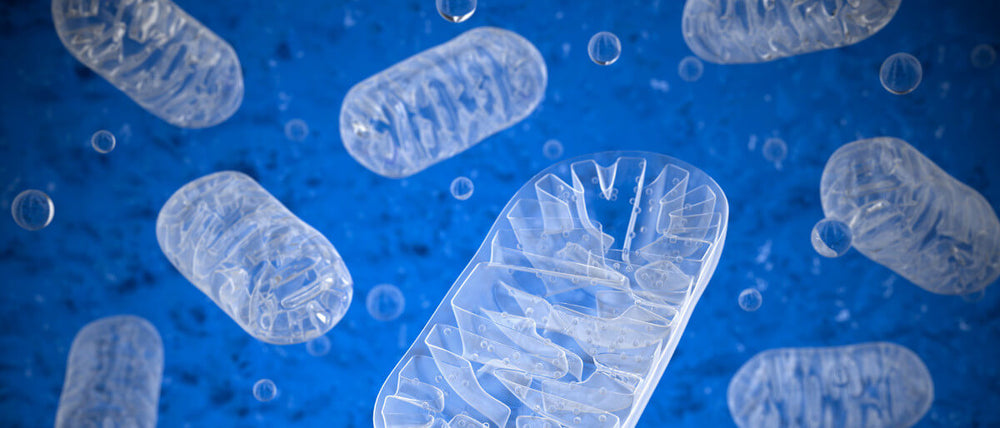
The straight linoleic acid supplied by safflower oil in BodyBio Balance Oil is the direct predecessor of cardiolipin (CL), the signature phospholipid of major significance that lines the mitochondrial membrane. CL serves as a signaling molecule by transferring protons from one side of the cell membrane to the other. It constitutes about twenty percent of the total lipid composition of the inner mitochondrial membrane, where it is required for the optimal function of numerous enzymes involved in mitochondrial energy metabolism and in mitochondria-induced apoptosis. The overzealous use of cheap, oxidized fish oils will raise DHA levels and push linoleic acid out of CL, causing a host of physiological maladies.

The maligning of n-6 fats should focus on the commodity polyunsaturated oils that peroxidize and typically harbor free fatty acids, alcohols, aldehydes (think formaldehyde, especially in the fast-food deep fryer), ketones, hydrocarbons, trans-isomers, cyclic and epoxy compounds. This damage to oil architecture, especially after heating and reheating (as done in restaurant fryers) impairs cell membrane function (restorable by BodyBio Balance Oil)—it disturbs membrane permeability and disrupts cell receptor activity. Being devoid of animal products or by-products, Balance Oil encourages the uptake of fat-soluble nutrients, assuages inflammation and reorganizes an aberrant cell membrane. It is the membrane that orchestrates the activity of the cell by telling it what to do and when to do it. The sixty trillion cell membranes we host direct the dance of life, making the EFA’s the most essential of all nutrients.

MCT Oil - Game Changer or an Oil Spill of Hype?
The media blast on MCT oil is mind boggling. You see it poured into coffee, added to smoothies, mixed into oatmeal. We are told that MCT’s suppress hunger, increase energy and boost mental clarity. Sound too good to be true? Let’s take a closer look at the impact of loading MCT’s into your diet.
Just the Facts on MCT
Medium-chain triglycerides (MCTs) are fat molecules with 3 saturated fats attached to a glycerol backbone. MCTs contain between 6 and 12 carbons in their fatty acid chain and are commonly found in coconut oil, palm kernel oil and dairy products. The main MCTs are caproic, caprylic, capric and lauric acids. Coconut oil has the greatest percentage of these, at >60%, followed by palm kernel oil at >50%, and dairy with only about 10%. Straight MCT oil has a higher concentration of the shorter-chain fats that are more efficiently converted to ketones, with caprylic in the lead. Standard MCT’s are liquid at room temperature, while coconut oil is usually solid or semi-solid.
MCTs serve us exclusively with energy and calories; they do not contain essential fatty acids nor are they bioactive lipids. MCTs are broken down and absorbed rapidly, going straight to the liver, where they can be used as instant energy sources or turned into ketones, which can cross to the brain and supplant the carbohydrates/glucose that are normally used for fuel. Additionally, the calories in MCTs are so efficiently utilized that they are less apt to be stored as fat.
Scientific Deep Dive
A shot of MCT oil can give rise to ketone manufacture in liver cells, even when there is ample glycogen availability. This occurs because medium-chain fatty acids can stream into mitochondria in the liver efficiently and get converted either to ketone bodies or to carbon dioxide. The half-life of medium-chain fatty acids is such that they demonstrate a high oxidative metabolism and trigger thermogenesis, reducing the potential for weight gain.
The Ketogenic Diet, a very high fat diet, has been used to help control seizure activity since the 1920s, prior to the development of anticonvulsant drugs. However, when children did not respond to medications and developed ‘intractable’ seizures, the classic therapeutic ketogenic diet (90% fat) was introduced in a clinical setting at Johns Hopkins. In the mid-1990s, when a movie producer’s son responded to the extreme ketogenic diet, the concept became more popular, and eventually more moderate approaches were used, such as the ‘Modified Ketogenic Diet’. Since that time, thousands of medical papers have emerged on the subject to attempt to create a ‘ketogenic pill’.
More currently, MCTs have been reported to enhance memory in mild cognitive impairment (Krikorian, 2012) (Veech, 2004). These observations, then, support rationale for a ketone fuel replacement. However, medical diets attempting to use MCT oil exclusively for seizures failed and they had to go back to the drawing board.
MCTs are unlikely to exacerbate obesity; they do not give rise to ectopic fat metabolites that mediate metabolic syndrome; and they have little adverse impact on serum lipid profiles, despite an increase in total cholesterol.
The idea behind adding MCT’s to your coffee is that it converts the human body into a fat-burning instrument, thus promoting healthy weight loss and eliminating hunger pangs. Proponents argue that this is because the MCT oil in coffee turns to ketones instantly and boosts your metabolic rate.
Energy from MCT is more readily available than from butter or other fats or oils (saturated, unsaturated, monounsaturated). Furthermore, MCT does not require bile (released from the gall bladder), as other fats do, to be digested. So for those who struggle with fat intolerance, MCT oil is easier for the body to use as a source of calories, energy and satiety.
On the Down Side
MCTs are nothing more than a storehouse of calories and coincident energy. They do not, and cannot, support cellular health because they lack essential fatty acids, making them non-bioactive lipids. Overwhelming the system with a surge of MCTs is apt to cause diarrhea, nausea and vomiting.
Though it is possible to obtain MCT oil from coconuts, it is more likely derived from less costly palm oil or palm kernel oil, thereby raising harmful levels of palmitic acid. It is prudent to proceed with caution, as this ingredient that is contained in some processed foods and the fat calories that are touted as grandly “healthy fat” may return to haunt you. Palmitic acid is the fuel that stimulates macrophages, white blood cells that drive inflammation.
Here’s a shocker: To control palmitic acid, increase the omega-6 linoleic acid in the diet*. BodyBio Evening Primrose Oil and BodyBio Safflower Oil are reliable sources.
What About Increased Energy? Brain Function?
MCT in your coffee is supposed to increase focus and eradicate brain fog—seems like an awful lot of pressure for one cup to contain. The claim is that the addition of butter to the coffee slows caffeine absorption, effectively micro-dosing the caffeine’s effects throughout the day, making you less jittery and more focused.
The routine of eating fat in your coffee, even grass-fed Kerry Gold, and more fat from palm kernel oil, doesn’t arouse passion in many people. Breakfast without protein? Nah! Studies to support this behavior are rarely seen, if at all. Any weight lost through this regimen is apt to return with a vengeance. What’s more, the saturated fat in this recipe exceeds 24 grams, equaling 120% of the daily recommended amount for a woman and 80% of that for a man. (Percentages will vary according to the tables used.)
You can lose weight on any fad diet, however, it’s a change in lifestyle that makes a lasting difference. That means making healthy choices such as eating balanced meals, consuming pure, balanced essential fatty acids, exercising regularly, and yes, even the occasional cup of *regular* coffee.