




This background video contains only decorative imagery and does not convey meaningful information.

Featured Article
The Lipid Membrane: The Unsung Hero of Cellular Health
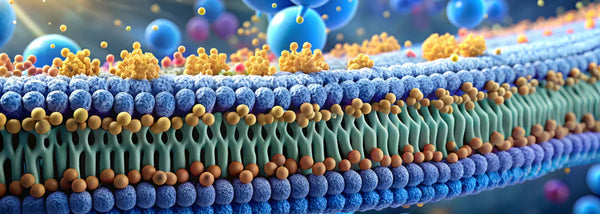
The cell membrane, a lipid bilayer just a few nanometers thick, plays a critical role in cellular function by regulating nutrient transport, immune signaling, and maintaining overall cell integrity. Essential fatty acids, like omega-3 and omega-6, are crucial for maintaining membrane fluidity and functionality, which supports energy production, cellular communication, and resistance to degenerative disease.

The BodyBio Parent’s Guide for Back-to-School Resilience
You’re filling out forms, making last-minute lunchbox purchases, and trying to remember which kid likes which color folder this year. The start of the school year comes with a flurry of logistics—but also emotions: anxiety, overstimulation, and that low-grade sense of urgency that somehow settles in around mid-August and doesn’t let go.
These are all yellow-bordering-on-red flags: your nervous system is in the thick of it during this time. That means a little extra support is required.
At BodyBio, we believe fostering resilience isn’t about doing it all perfectly—it’s about having the right tools to feel supported, grounded, and clear-headed, even when life is coming at you fast. This guide is here to help you build exactly that: a calm, resilient foundation for the season ahead.
Start With the Nervous System: Why BodyBio Calm Can Help
When you feel snappy, frazzled, or on the verge of tears (again), that’s not you being dramatic. That’s your nervous system sounding the alarm.
BodyBio Calm is designed to help quiet that alarm—without sedation, fogginess, or trying to push your stress “away.” It supports your brain and body in adapting to stress, so you can stay more you when things get overwhelming.
What’s inside Calm:
-
Phosphatidylserine: A phospholipid that supports memory, mental clarity, and healthy cortisol levels*
-
Rhodiola rosea: An adaptogenic herb that improves your body’s stress response and stamina*
-
Taurine: An amino acid that supports a calm but alert state*
-
Glycine: A calming neurotransmitter that helps regulate nervous system signals and supports restorative sleep*
-
Manganese: A trace mineral that aids neurotransmitter production and supports healthy histamine levels*
We designed Calm with everyday stressors in mind, particularly those challenges faced by parents. Whether you take it daily or keep it on hand for after-school chaos, Calm is a quiet ally for those loud parenting moments.
Fuel Your Resilience: Nutrition for a Balanced Nervous System
A calm mind starts with a nourished body. Especially during stressful seasons, your brain and nervous system need targeted nutritional support to stay balanced and sharp.
Healthy Fats = Calm Brains
Fats often get unfairly villainized, but your brain needs them. Phospholipids and essential fatty acids are critical for brain cell communication, hormone balance, and mood regulation. When stress ramps up, so does your body’s demand for these healthy fats.
Try adding more avocado, olive oil (or Balance Oil), healthy nut butters, eggs, and wild-caught fatty fish into your meals. These foods not only nourish your brain, but they help keep blood sugar steady, which can go a long way in preventing mood swings and energy crashes.
Vitamin C for Adrenal Support
Your adrenal glands (tiny organs that produce stress hormones like cortisol) burn through vitamin C quickly under stress. Give them extra love by boosting this key antioxidant during the back-to-school rush. Load up on colorful foods like bell peppers, oranges, kiwi, broccoli, and strawberries—these support both your stress response and your immune system.
Already eating these foods and want extra vitamin C that can access your cells? BodyBio Liposomal C is here for you, too.
Gut Health Affects Mood
If your digestion is off, your mood might be too. The gut and brain are in constant communication, and a healthy microbiome plays a role in everything from emotional regulation to sleep. Focus on fiber-rich foods like oats, beans, and leafy greens, and incorporate probiotic-rich foods like yogurt, kefir, and sauerkraut when possible. Supporting your gut is one of the most overlooked (and effective) ways to keep your mood and energy steady.
Check In Before You Burn Out
It’s easy to push through stress on autopilot—especially when you’re taking care of everyone else first. But small check-ins can make a big difference.
Know the Signals
Burnout rarely shows up all at once. It starts with snapping at your kids over nothing, struggling to focus on simple tasks, or waking up already tired. If you feel wired but exhausted, or emotionally drained by noon, that’s your nervous system asking for attention. The earlier you notice these signs, the more power you have to put up roadblocks to burnout.
Quick Reset Tools
When overwhelm hits, give your body a chance to reset. Try a few rounds of box breathing (inhale for 4, hold for 4, exhale for 4, hold for 4), or use the 5-4-3-2-1 grounding technique (name five things you can see, four things you can feel, three things you can hear, two things you can smell, and one thing you can taste) to bring yourself back to the present moment. Even one minute of stillness or a slow stretch before you get out of bed can help. It doesn’t have to be perfect—just consistent enough to remind your body: you’re safe, and you’re in control.
Build Daily Habits That Restore You
This isn’t about building a flawless morning routine. It’s about finding a few daily rhythms that help you feel more like you—and less like a ping pong ball bouncing off the demands of the day.
Move Your Body, Move the Stress
Fortunately or not, the rumors are true—movement is one of the most effective ways to regulate your nervous system. It helps discharge tension, elevate your mood, and reconnect you to your body. And no, it doesn’t have to be a formal workout. Take a brisk walk after drop-off. Do ten minutes of stretching before bed. Put some music on and dance around your kitchen while dinner cooks. It’s all movement.
Sleep Is Your Superpower
Sleep is when your body repairs, your brain resets, and your patience gets restocked. To support deeper sleep, try to keep a consistent bedtime (on weekends too). Power down screens an hour before bed, take a warm shower or bath to wind down, and make your bedroom a calm, cool, screen-free zone. You may not control how many times you’re woken up—but creating a sleep-friendly routine gives your body the best chance to recover.
Name Your Non-Negotiables
Pick one or two things you do just for you every day—no matter what. These aren’t aspirational habits; they’re realistic, simple rituals that help you feel grounded. Maybe it’s drinking your morning coffee in peace, a walk after dinner, five minutes of journaling, or taking your Calm supplement every afternoon. These small routines are powerful anchors that help you feel more in control, even when everything else is moving fast.
Model Resilience for Your Kids, Too
You don’t need to be a perfectly calm parent—you just need to show your kids that self-regulation is something we practice. And the best time to start practicing? Before school starts.
Start Routines Early
Easing into a routine now will make the transition smoother for everyone. Start gradually adjusting bedtimes and wake-up times to match the school schedule. If you eased up for the summer, reinstate screen time limits, and build a little structure into your mornings and evenings so the shift doesn’t feel so jarring on day one.
Make Wellness a Family Habit
Invite your kids into the conversation about wellness. Let them create their own mini non-negotiables—like reading before bed or enjoying a non-screen hobby like drawing or playing board games after dinner. For younger kiddos, set up a “calm corner” or offer them a small toolkit of soothing items for when they feel overwhelmed. You’re not just helping them manage back-to-school stress; you’re teaching them lifelong habits for self-regulation and resilience.
Grace > Perfection
You’re not failing if you feel overwhelmed. You’re not falling short if your kid’s lunch isn’t a rainbow feast or they’ve worn the same socks three days in a row. You’re human. And you’re doing your best.
The goal isn’t perfect parenting—it’s regulated parenting. Being able to pause, breathe, and respond with compassion (even if that compassion comes after a sigh and an eye roll).
Let this season be about progress, not performance. About finding your footing in the mess—not just cleaning it all up.
Ready to Feel More Resilient?
BodyBio Calm is a simple, effective way to support your nervous system—especially when life feels anything but calm. Whether you take it daily or use it as a tool in tough moments, Calm helps you regulate from the inside out.*

Best Supplements and Vitamins for Fertility and Reproductive Health
Fertility isn’t just about trying to conceive—it’s a reflection of your body’s overall (cellular) health and hormonal balance. Whether you’re preparing for pregnancy, trying to optimize your reproductive health for the future, or simply want to improve your health, fertility can offer important insights into your wellbeing.
From stress and inflammation to nutrient status and mitochondrial function, a wide range of factors can influence both male and female fertility. While nutrition isn’t the only piece of the puzzle, getting the right vitamins, minerals, and herbal support can help nourish your body and create a foundation for healthy and struggle-free reproductive health.
This guide explores the nutrients most commonly associated with fertility support—and how to incorporate them into your wellness routine.
Table of Contents:
-
Why Nutrition Matters for Fertility
-
Top Vitamins for Reproductive Health
-
Best Herbal Supplements for Fertility
-
How to Choose the Right Supplements for Your Needs
-
Final Thoughts on Natural Fertility Support
Why Nutrition Matters for Fertility
Reproductive health depends on the smooth coordination of hormonal, neurological, and cellular systems. Its obstacles are exposure to environmental toxins, physical and mental stress, and a lack of available nutrients. Hormones like estrogen, progesterone, and testosterone must be produced, metabolized, and regulated with precision. Egg and sperm cells rely on mitochondrial energy, antioxidant protection, and structural nutrients. Further on in the process, implantation and pregnancy maintenance require optimal circulation and immune regulation.
The body sees reproduction as optional—so if it senses stress, toxicity, or depletion, fertility often takes a backseat. That’s why addressing nutrient gaps, oxidative stress, and chronic inflammation is such a vital step. Supporting fertility naturally starts with rebuilding a solid foundation—and nutrition is a powerful place to start.
Top Vitamins for Reproductive Health
Vitamin D for Hormonal Balance
Vitamin D acts more like a hormone than a vitamin—and plays a central role in both male and female fertility. In women, vitamin D supports regular ovulation and endometrial receptivity. In men, it influences testosterone levels and sperm motility.
Low vitamin D levels are associated with subfertility and poor outcomes in assisted reproduction, so it’s worth checking your levels and supplementing if needed.
Vitamin E for Egg and Sperm Quality
Vitamin E is a fat-soluble antioxidant that protects reproductive cells from oxidative stress—a major threat to both egg and sperm integrity. In women, it may support ovarian reserve and uterine lining health. In men, vitamin E has been shown to improve sperm count and DNA integrity.
B Vitamins for Energy and Methylation
The B-vitamin family (especially B6, B12, and B9, folate) supports several fertility-related processes:
-
Methylation and DNA synthesis
-
Hormone metabolism and detox
-
Red blood cell production for oxygen delivery
Folate, in particular, is crucial for early fetal development and is often recommended before and during pregnancy. Active forms like methylfolate and methylcobalamin may offer better absorption for those with genetic polymorphisms like MTHFR.
Zinc for Fertility in Men and Women
Zinc is essential for hormone production, ovulation, sperm development, and immune health. It supports testosterone synthesis and sperm count in men, and regulates follicle development and egg maturation in women.
Even mild zinc deficiency can negatively impact fertility, making it one of the most important trace minerals to include in a preconception plan.
Best Herbal Supplements for Fertility
Maca Root for Reproductive Vitality
Maca is a Peruvian root traditionally used to support energy, libido, and hormonal balance. As an adaptogen, maca may help modulate the HPA axis and support healthy hormonal cycles. Research shows potential benefits for both male and female fertility, including sperm quality and sexual desire.
L-Arginine for Circulation and Uterine Health
L-arginine boosts nitric oxide, a molecule that enhances blood flow. This can benefit erectile function in men and uterine lining health in women—both important for conception. Improved circulation also delivers more oxygen and nutrients to reproductive tissues.
Ashwagandha for Stress and Hormonal Support
Ashwagandha is an adaptogen that reduces cortisol and supports thyroid function—two major factors in hormonal balance. Chronic stress is one of the most common contributors to fertility struggles, and ashwagandha may help restore calm and endocrine function naturally.
Tongkat Ali for Testosterone Support
Tongkat Ali (Eurycoma longifolia), also known as Longjack, is a traditional Southeast Asian herb used for generations to support male reproductive health. Research suggests it may help naturally increase testosterone levels, improve sperm quality, and reduce symptoms of low libido and fatigue.
In men with subfertility, Tongkat Ali has been associated with improvements in sperm concentration and motility. It may also help lower cortisol levels, indirectly supporting hormone balance and reproductive vitality. While more research is needed, it’s considered one of the most promising herbs for male fertility support.
Ginseng for Male Fertility and Energy
Panax ginseng is often used to support stamina, circulation, and hormone production. Studies show it may enhance sperm motility and count, while also supporting energy levels and resilience to stress—factors that indirectly support reproductive health.
How to Choose the Right Supplements for Your Needs
Not every supplement is right for every person. Consider these factors when building your fertility support stack:
-
Root cause: Are you addressing stress, nutrient gaps, inflammation, or hormonal imbalances? You may have multiple root causes—a qualified healthcare practitioner can help you figure out which to tackle first.
-
Formulation: Look for bioavailable formulas and single-ingredient products to better track results.
-
Lifestyle compatibility: Be mindful of diet, stress, sleep, and toxin exposure as essential context.
-
Stage of life: Preconception, postpartum, and perimenopause all require different approaches. For men, age, stress level, and lifestyle are relevant factors.
Start with foundational nutrients like vitamins and minerals and add targeted support based on your needs. Working with a practitioner—especially one trained in functional medicine or fertility nutrition—can help personalize your plan.
Foundational Fertility Support from BodyBio
While BodyBio doesn’t offer fertility-specific products, many of our supplements support the underlying systems that power reproductive health:
-
Liquid Zinc: Crucial for hormone synthesis, sperm health, and egg maturation.*
-
Vitamin B+ (B-complex): Supports methylation, hormone metabolism, and cellular energy production.*
-
Balance Oil: A clean source of omega-6 and omega-3 fats to support hormone production and inflammatory balance.*
-
BodyBio PC (phosphatidylcholine): Supports healthy cell membranes, liver detoxification, and egg quality.*
These foundational tools for cellular health can support your fertility journey naturally, whether you’re just starting or already working with a provider.
Final Thoughts on Natural Fertility Support
Fertility is a mirror—not just of reproductive capability, but of your body’s overall health, resilience, and cellular function. While no supplement is a magic fix, the right nutrients can help restore balance, support hormone regulation, and nourish the systems that make conception and pregnancy possible.
If fertility challenges persist, a healthcare provider can help rule out underlying conditions and build a more targeted strategy. But for many people, building a solid nutritional foundation is a meaningful first step—and one that benefits your whole body in the process.
How Lyme Disease Steals Your Phospholipids and What That Means for Your Health
Lyme disease doesn’t just make you feel tired or foggy. It impacts your body down to the cellular level. One of the lesser-known ways it does this is by stealing phospholipids (the fats that form the protective layer around each cell). These fats aren’t just structural. They help your cells absorb nutrients, get rid of waste, and communicate with each other. So when your phospholipid levels are low, you physically feel it through low energy, brain fog, sluggish digestion, or even immune system burnout.
Fortunately, you can replace these crucial phospholipids through supplementation and support your cells to thrive with Lyme.*
Table of Contents:
-
What Are Phospholipids, and Why Do They Matter for Lyme Recovery?
-
How Lyme Disease Disrupts Cell Membranes
-
The Long-Term Impact of Phospholipid Loss After Lyme
-
A Closer Look at Cellular Signaling and Membrane Repair
-
PC & PE: Where to Get More (and Why You May Need Them)
-
Rebuilding Cellular Health While Living with Lyme
What Are Phospholipids, and Why Do They Matter for Lyme Recovery?
Do you feel like your body just can’t bounce back, even after treatment for Lyme disease? It might not be your immune system that’s struggling. It could be your cells. Phospholipids are essential types of fat that form the membrane, or outer shell, of every cell in your body. These membranes aren’t just structural; they regulate what comes in, what goes out, and how your cells communicate with one another.
Two phospholipids in particular, phosphatidylcholine (PC) and phosphatidylethanolamine (PE), are especially critical for this process. They’re the same ones most targeted by Borrelia bacteria (a type of spiral-shaped bacteria that causes Lyme disease). When this bacterium enters your body, it doesn’t just cause a temporary infection. It starts pulling resources directly from your cells.
PC and PE are two of the most important phospholipids for your health. PC helps build strong cell membranes that are durable yet permeable. This permeability (ability to let fluids and nutrients pass in and out) is especially helpful in organs that are constantly working, like your gut and liver. PE plays a complementary role to PC by helping cells repair themselves and communicate efficiently, as well as support your mitochondria.
How Lyme Disease Disrupts Cell Membranes
When the Borrelia bacteria (which causes Lyme disease) enters your body, it doesn’t just cause a temporary infection and immune response. It starts pulling resources directly from your cells (acting similar to a parasite). According to 2013 research in Pathogens, Borrelia spirochetes extract PC and PE phospholipids from your cells to build their own protective outer layers.
In other words, these bacteria are using your cell building blocks for themselves, and that leaves your body with less to work with.
This “phospholipid hijacking:”
-
Reduces your ability to maintain strong, functional cell membranes.
-
Leads to a buildup of cellular damage (when cells can’t repair or restore themselves fast enough), which can leave your organs and bodily systems, like your brain, gut, or immune system, struggling to work efficiently.
-
Means healing from Lyme isn’t just about fighting infection. It’s also about restoring balance and integrity to your cells.
The Long-Term Impact of Phospholipid Loss After Lyme
Without enough phospholipids, your cells can’t hold their shape, protect themselves, or communicate effectively with other cells. This disruption affects everything from how your immune system responds to how your body recovers and repairs tissue damage. Which is why you may continue to feel “off” through lingering symptoms like low energy, brain fog, digestive trouble, or mood swings even after Lyme diagnosis and treatment. You can think of this kind of damage as having leaky cells, which can lead to wide-ranging systemic issues.
Replenishing phospholipids gives your body what it needs to restore healthy cell function and rebuild from the inside out.*
A Closer Look at Cellular Signaling and Membrane Repair
Your cell membranes are in constant communication. They pass signals between cells to coordinate immune responses, guide tissue repair, and help your body stay balanced through physical or immune stress. But when your membranes are damaged, like after a Lyme infection, those communications can get scrambled or lost.
That breakdown can disrupt your body’s natural rhythms. When membranes lose integrity, it can affect:
-
Mitochondrial function (how your cells generate energy)
-
Inflammatory signaling (how your body responds to threats)
-
Immune coordination (how well your body recovers or defends against illness)
Research continues to clarify the connection between membrane health and long-term symptoms. A 2021 study in Nature highlights PC as a structural cornerstone of cellular membranes, particularly in the brain, where it supports neuron signaling and cell membrane integrity, having a “pro-neurogenic effect.” A broader review in The Journal of Clinical Investigation explains how phospholipids like PC and PE regulate immune cell behavior, including degranulation (the release of antimicrobial or inflammatory molecules) and cytokine production (proteins that direct immune activity).
For anyone managing post-Lyme symptoms, this means membrane support isn’t just “nice to have,” it’s essential. Nourishing your body with phospholipids helps repair these signaling pathways, a process sometimes supported through approaches like lipid replacement therapy, allowing your cells to communicate more clearly and respond appropriately to stress.
PC & PE: Where to Get More (and Why You May Need Them)
Most people get some phospholipids from food, but depending on your health status post-Lyme, you may not be getting enough through diet alone. And since Lyme pulls these fats out of your system, you may need more than the average person to replenish your cells.
BodyBio PC is a highly absorbable source of both PC and PE (along with PS and PI). It’s designed to support your cells where they need it most—your brain, gut, immune system, and liver.*
How to Support Your Cells in Everyday Life
Making PC and PE part of your daily routine doesn’t have to be complicated. These small changes can add up to meaningful support for your cellular health, especially if you’re managing ongoing symptoms from Lyme.
-
Mix BodyBio PC (liquid version) into smoothies, oatmeal, or yogurt.
-
Take PC softgels as part of your daily supplement routine.
-
Pair with nutrient-dense foods and movement to support cellular recovery.
|
Food & Supplements |
Phospholipid Content |
How It Helps |
|
Eggs (especially yolks) |
High in PC |
Supports liver function, brain health, and metabolism |
|
Beef liver |
High in PC and PE |
Promotes cell repair and energy production |
|
Soy/Tofu |
High in PC |
Assists with nerve signaling and membrane composition |
|
Sunflower seeds |
Moderate PC |
Provides antioxidant support and membrane strength |
|
BodyBio PC Supplement |
Concentrated PC and PE blend |
Directly restores cellular health at the membrane level* |
Rebuilding Cellular Health While Living with Lyme
Even after acute Lyme symptoms go into remission, many people still experience lingering fatigue, brain fog, or immune challenges. These long-term symptoms aren’t always about the infection itself—they can also point to the damage Lyme leaves behind at the cellular level. When Borrelia hijacks your phospholipids, it compromises the structure of your cells. That cellular wear and tear doesn’t just bounce back on its own. Your body needs support to rebuild what was lost.
Replenishing phosphatidylcholine and phosphatidylethanolamine supports your cells in doing what they’re designed to do. And that cellular support can make a real difference in how you feel day to day, even years after your initial Lyme diagnosis. The goal isn’t just to feel “not sick.” It’s to feel strong, energized, and supported from the inside out.

Reversing Cognitive Decline: Why the Vascular System Holds the Key
The prevailing belief for decades has been that cognitive decline is an unavoidable descent, a one-way street toward dysfunction and dependence. But today, thanks to groundbreaking research and clinical innovation, we know that cognitive decline is not only preventable it is increasingly reversible.
As a physician who’s spent decades specializing in vascular medicine and functional systems biology, I have the privilege of being one of six clinical trial sites involved in the first placebo-controlled study on reversing cognitive decline using Precision Medicine. This work, pioneered by Dr. Dale Bredesen, who I’ve had the honor of learning from and mentoring under, is charting new territory in Alzheimer’s care.
But the more patients I treat, the clearer it becomes: the vascular system is not just relevant to brain health—it is foundational. The most profound improvements I’ve witnessed have come not just from treating the brain, but from restoring the barriers that protect it.
The Unified Barrier Hypothesis: A New Paradigm
In functional medicine, we've long focused on gut integrity: how “leaky gut” contributes to systemic inflammation, autoimmunity, and neurodegeneration. This is a critical insight.
But my vascular background led me to notice something deeper and more interconnected. Not only does the body have multiple critical barriers, all of which play a role in cognitive health:
-
The endothelial glycocalyx (EGX), the slippery sugar-protein mesh that lines the inside of blood vessels
-
The intestinal glycocalyx and epithelial barrier, essential for immune regulation and nutrient absorption
-
The blood-brain barrier (BBB), the gatekeeper that protects the brain from toxins and immune triggers
They are interdependent. Each of these barriers shares fundamental structural similarities and regulatory mechanisms—some are directly vascular while others are intimately connected to vascular function. When one breaks down, the others often follow through shared inflammatory pathways and systemic effects. And when they all begin to fail, the brain suffers.
This is the basis for what I call the Unified Barrier Hypothesis. If we restore vascular and glycocalyx barrier integrity across these systems, we can not only prevent but often reverse cognitive decline.
If you're already a BodyBio user, you're familiar with the foundational importance of cellular membrane integrity to overall health. But what many people don't realize is that this principle applies not only to the membranes within individual cells—but also to the larger-scale barrier systems that protect our brain, gut, and vascular networks.
Phosphatidylcholine (PC), the key ingredient in BodyBio PC, is a critical structural component of all cell membranes, making up approximately 50% of membrane composition in many tissues. More specifically, it contributes to the structural integrity of endothelial cells that line blood vessels and plays a supportive role in maintaining healthy barrier function throughout the body.
When barrier integrity begins to degrade—due to inflammation, toxins, poor diet, or metabolic dysfunction, we often see cascading effects across the intestinal lining, vascular endothelium, and blood-brain barrier.
In my clinical practice, I've observed that consistent use of phosphatidylcholine and a broad spectrum phospholipid complex as part of a comprehensive approach including lifestyle optimization, anti-inflammatory nutrition, and targeted vascular support can be valuable for supporting membrane health and barrier function.
The Endothelial Glycocalyx: A Hidden Master Regulator
The glycocalyx is a thin, gel-like layer that coats the inside of every blood vessel in your body. Though rarely discussed in conventional medicine, this structure plays a profound role in health. It regulates inflammation, prevents unwanted clotting, and controls what moves in and out of the bloodstream.
As shown in the recent review titled “Endothelial Glycocalyx as an Important Factor in Composition of the Blood-Brain Barrier”, the glycocalyx is not a passive lining. It is a dynamic gatekeeper that:
-
Maintains BBB integrity
-
Controls immune cell movement
-
Prevents leakage of inflammatory agents into brain tissue
- Modulates coagulation and oxidative stress
The blood-brain barrier (BBB) is a highly specialized structure regulated in part by the endothelial glycocalyx. When the EGX breaks down, permeability increases—allowing toxins and inflammation to breach the brain’s defenses.
When we lose this delicate vascular coating—due to hyperglycemia, hypertension, poor sleep, environmental toxins, or chronic inflammation—a cascade of dysfunction begins. The intestinal lining becomes leaky. The blood-brain barrier weakens. Neuroinflammation is triggered. And cognitive decline follows.
EGX Breakdown: The Strategic Inflection Point in Aging
It’s helpful to think of the glycocalyx as a biological tipping point.
Once glycocalyx degradation begins and progresses unchecked, the body shifts from health maintenance toward increased vulnerability to chronic disease. This represents what business strategist Andy Grove called a "strategic inflection point"—a moment when intervention can fundamentally alter trajectory.
The encouraging news: we can effectively support glycocalyx health and shift the trajectory toward optimal function. Supporting the endothelial cells through membrane phospholipids and cellular nutrients creates the foundation for glycocalyx integrity. Restoring the glycocalyx itself requires targeted glycosaminoglycan supplementation, with rhamnan sulfate showing particularly strong clinical results.
Why Vascular Health Is Foundational to Brain Health
The vascular system is the most expansive organ system in the body, touching every cell and tissue. And yet it is frequently ignored in discussions of cognitive decline, which tend to focus narrowly on beta-amyloid plaques, tau tangles, or neurotransmitter levels.
But consider this: your brain depends entirely on vascular supply for:
-
Oxygen
-
Glucose
-
Hormones
-
Nutrient delivery
-
Immune regulation
-
Toxin removal
When microvascular blood flow is compromised, even slightly, brain function suffers. When endothelial inflammation rises, the brain is bathed in danger signals. When toxicants breach a damaged BBB, neural damage accelerates.
In this sense, the brain is downstream of the blood. What circulates—and how well it circulates—matters more than we ever imagined.
From Theory to Practice: Implementing Vascular-Centric Brain Health
At TruNeura, we’ve embedded these principles into our platform. Our mission is to make precision brain health scalable and accessible—without sacrificing the depth of root-cause evaluation.
To do that, we help clinicians:
-
Map each patient's barrier integrity profile using advanced labs and digital biomarkers
-
Identify contributing drivers—vascular, metabolic, infectious, toxic, and inflammatory
-
Apply decision support tools to target interventions efficiently
-
Restore key barrier systems using evidence-based, personalized protocols
 We make it easier for clinics to execute this work consistently, profitably, and at scale. We also streamline patient onboarding, data tracking, outcome measurement, and communication across care teams.
Ultimately, TruNeura is built to support the future of brain health—where barrier restoration becomes standard of care.
You can book a demo here.
What This Means for Patients (and the Industry)
This isn’t just a theoretical framework. It’s changing lives.
When we support vascular health—when we protect and repair the glycocalyx, stabilize the gut lining, and renew the blood-brain barrier—patients improve in ways that defy expectations:
-
Memory returns
-
Mood stabilizes
-
Energy increases
-
Clarity and cognition improve
And we’re not talking about miracle cures or pharmaceuticals. We’re talking about systems medicine, executed with precision, guided by new science and enabled by next-gen tools.
This is what gets me excited every morning. We are not waiting for another magic drug. We are already reversing cognitive decline—today.
Final Thoughts: From Crisis to Opportunity
Neurodegenerative diseases are rising rapidly. But they are not destiny.
Our job now is to identify the strategic inflection points early, especially in middle age, and intervene with targeted action. The endothelial glycocalyx and vascular system offer one of the most powerful leverage points we have.
This is the “battery moment” for brain health. Just as batteries transformed energy storage, barrier biology will transform neurodegenerative care.
So let’s stop pretending cognitive decline is inevitable. Let’s move upstream—into the vascular system, into the barriers that protect our brain, and into a future where healthspan can extend in step with lifespan.
Kristine Burke, MD, is a physician, vascular specialist, and co-founder of TruNeura. She founded and directs one of the six clinical trial sites leading the nation studying the reversal of cognitive decline through multimodal interventions. She speaks internationally on the role of vascular biology in neurodegenerative disease and is the originator of the Unified Barrier Hypothesis.

Phosphatidylcholine and Vision: Can PC Really Support Eye Health?
Good eyesight is one of those things we often take for granted—until it starts to slip. Whether it’s squinting at street signs, struggling to read your favorite novel, or adjusting to changing light, maintaining clear vision is vital for a high-quality life, especially as we get older. That’s where phosphatidylcholine (PC), a nutrient championed for its cell-protective properties, comes into focus. But how exactly does PC affect our eyes?
In this comprehensive guide, we’ll explore the deep connection between phosphatidylcholine and vision health. We'll break down the biology behind this connection into relatable ideas and share insights on how you might integrate PC effectively into your daily routine.
Table of Contents:
-
What is Phosphatidylcholine (PC)?
-
Why is PC Essential for Eye Health?
-
Age-Related Vision Issues and How PC Might Help
-
Practical Ways to Boost Your PC Intake
-
The Science Behind Phosphatidylcholine and Vision
-
Supporting Your Vision for Years to Come
What is Phosphatidylcholine (PC)?
Phosphatidylcholine, or PC for short, is a nutrient that’s essential for cellular health. PC acts as a building block for your cell membranes. Imagine your cell membranes as gatekeepers that decide what comes in and out of every cell, keeping your body running smoothly. PC helps these gatekeepers stay flexible, strong, and ready to handle the daily challenges posed by environmental stressors and toxins. PC works alongside other key nutrients like phosphatidylserine to help maintain healthy cell membranes.
This gatekeeping function becomes particularly important for your eyes, which have delicate structures like the retina and lens. These sensitive parts of your eyes depend on well-functioning cell membranes to efficiently absorb nutrients and remove harmful toxins, ensuring your vision stays clear and sharp. PC is also involved in critical processes during pregnancy that influence fetal development and cell health, including eye development.
Why is PC Essential for Eye Health?
Your eyes are incredibly complex yet delicate organs. They’re constantly exposed to oxidative stress (when free radicals, molecules with unpaired electrons, pile up in your body and start messing with your healthy cells), UV light, pollution, chlorine exposure, and screen time—all factors that put a strain on your visual health. Phosphatidylcholine is vital for eye health because it maintains cell membrane integrity, ensuring cells can properly perform their tasks, resist damage, and regenerate when needed.
PC also provides essential fatty acids, like omega-3s and omega-6s, critical for helping your eyes stay strong, flexible, and functioning well. These healthy fats help build strong, flexible cell membranes, which help your eye cells stay sturdy yet adaptable, so they can absorb nutrients properly and support clear, comfortable vision.
Age-Related Vision Issues and How PC Might Help
Let’s face it—our eyes can start to show signs of wear and tear pretty early in our lives. Blurry vision, dryness, or difficulty seeing in low light aren't just frustrating; they can also make us feel like we’re losing touch with our bodily autonomy in everyday life. That’s why keeping our eyes nourished and protected is so important.
Phosphatidylcholine (PC) isn’t a magic fix, but it does help your eye cells get the nutrients they need to support clear, dependable vision—even when daily life brings stress from things like UV exposure, screen time, bright sunlight, or age-related changes. Here are a few common vision concerns and how PC might help your eyes stay in better shape:
-
Macular Degeneration: This condition affects the center of your vision, making it harder to read, drive, or recognize faces. While PC can't treat or prevent this disease, it does help nourish your retinal cells, providing important nutrients that support overall eye health.*
-
Cataracts: These cause your lens to become cloudy, making your vision seem foggy. While PC can’t prevent cataracts outright, good cellular health, including support from PC, can help your eyes handle everyday stress contributing to these issues.
-
Dry Eyes: If your eyes often feel scratchy or irritated, healthy fats like the ones in PC can help support natural lubrication, making your eyes feel more comfortable. Omega-3s, including those found in fish oil, also play a role in maintaining eye hydration and comfort.*
-
Retinal Health: Your retina is like the camera sensor of your eye; it turns light into images your brain can understand. PC helps nourish and strengthen your retinal cells, supporting their structure so they can absorb nutrients, remove waste, and help your eyes process visual information clearly.*
Supporting your eyes with nutrients like PC may help them stay nourished and functioning at their best for years to come.
Practical Ways to Boost Your PC Intake
Getting more phosphatidylcholine into your day is surprisingly simple—and doesn’t require overhauling your entire diet. While some everyday foods contain PC, most people, especially those managing health concerns, still don’t get enough in their diets to properly support their eye health.
Here are some top food sources of phosphatidylcholine:
|
Food |
Why It’s Good For You |
|
Eggs |
Loaded with PC and choline to help your cells, including eye cells, stay strong and flexible. |
|
Soybeans/Tofu |
Plant-based source of PC and protein to fuel your body and support healthy cell function. |
|
Fatty fish (like salmon or mackerel) |
Full of PC and omega-3s that help keep your eyes hydrated and your cells in top shape. |
|
Sunflower Seeds |
Easy snack with PC to help your cells do their job and stay energized. |
|
Beef Liver |
Packed with PC to support energy, cell strength, and eye health. Although liver isn’t everyone’s favorite protein, it’s truly packed with so many nutrients—having a few ounces once or twice a week is plenty. |
Even though PC sources are easy to incorporate into your daily meals, it can still be tough to get enough PC consistently from diet alone. Let’s be real, some days it’s a win just remembering to eat breakfast, let alone planning for ideal nutrient intake.
That’s where BodyBio PC comes in—a concentrated, pure source of phosphatidylcholine (plus other essential phospholipids PE, and PI) that makes it easy to support your cells daily, no special meal planning required.
Simple ways to work BodyBio PC into your routine:
-
If you’re using the liquid version, you can blend it into your morning smoothie.
-
Liquid PC can also be stirred into yogurt, overnight oats, oatmeal, or even salad dressings.
-
You can also stick with the straightforward BodyBio PC softgels—perfect to take with your vitamins.
The Science Behind Phosphatidylcholine and Vision
Your body relies on certain nutrients to keep your eyes working the way they should, and phosphatidylcholine (PC) is one of them. PC provides choline, an essential nutrient your body uses to support cell health, including the delicate cells in your eyes.
A 2021 study published in Nutrients found that not getting enough choline can impact your vision, particularly your retina. The retina is the thin, light-sensitive tissue lining the back of your eye—it captures images and sends them to your brain so you can see clearly. Without adequate choline, those retinal cells may not function properly, which can affect your vision. PC provides choline in a form your body can use to support those cells.*
Building on that research, a 2023 study published in Methods in Molecular Biology found that phosphatidylcholine is especially concentrated in the retina, reinforcing how important it is for maintaining healthy eye structure.
An earlier study from 2010 also identified phosphatidylcholine molecules containing long-chain fats within the retina—these fats help protect the photoreceptor cells responsible for capturing light and turning it into visual information. Together, this research suggests that phosphatidylcholine plays an important role in nourishing and protecting the cells that help your eyes process the world around you.
Keeping your retinal cells supported may help your eyes stay healthy and continue processing what you see as clearly as possible.
Supporting Your Vision for Years to Come
Clear, comfortable vision makes everyday life so much easier—from reading your favorite book to spotting familiar faces across the room, or taking in and enjoying the world around you. And while there’s no magic solution to perfect eyesight, supporting your eyes with the right nutrients can make a real difference.
Phosphatidylcholine is one of the key nutrients your cells rely on every day to help your eyes stay nourished and your vision dependable over time. PC also plays a key role in how your body ages. By adding simple, supportive habits like BodyBio PC into your daily routine, you’re giving your eyes and your cells the tools they need to function and stay healthy for the years to come.*

The Ultimate Guide to Hormonal Acne Supplements: Science-Backed Solutions for Clear Skin
Hormonal acne has a way of showing up at the worst possible time—right before a date, a work presentation, or a vacation you’ve been looking forward to. And for many adults, especially women in their 20s to 40s, those breakouts aren’t just a throwback to teenage skin. They’re a signal that something deeper is going on inside your body.
Supplements can be a powerful tool to support your body from the inside out. But with so much conflicting advice out there, it can be hard to know what works, what’s hype, and what’s safe. This guide will walk you through the science behind hormonal acne, the best-researched supplements that may help, and how to use them as part of a larger holistic strategy for clearer skin.
Table of Contents:
-
What Is Hormonal Acne?
-
What Triggers Hormonal Acne Flare-Ups?
-
The Best Supplements for Hormonal Acne (Backed by Science)
-
Additional Supplements to Support Skin Health and Hormonal Balance
-
How to Choose and Use Hormonal Acne Supplements Safely
-
Combining Supplements with a Holistic Acne Protocol
What Is Hormonal Acne?
Hormonal acne goes beyond the occasional breakout. It's a pattern of skin changes triggered by fluctuations in the hormones estrogen, progesterone, and androgens like testosterone. These shifts can cause the skin’s oil glands to become overactive, leading to increased sebum (oil) production, changes in skin cell turnover, and a greater tendency toward clogged pores and inflammation.
You might notice that hormonal breakouts show up:
-
Along your jawline or chin
-
Right before your period or during stressful times
-
As deep, sore bumps under the skin
This response happens because the sebaceous (sebum, or oil) glands are stimulated by androgens, which encourages more oil to build up. When this excess oil mixes with dead skin cells, it can block pores and create the perfect environment for bacteria to grow.
At the same time, inflammation in the body—often fueled by things like constant stress, poor diet, or lack of sleep—can worsen these breakouts. Active inflammatory pathways make it harder for your skin to repair itself and can increase the likelihood of persistent, painful blemishes.
What Triggers Hormonal Acne Flare-Ups?
Hormonal shifts might be the root of the issue, but they don’t act alone. Every day habits and stressors can also work behind the scenes, nudging your skin toward breakouts. Things like chronic stress, lack of sleep, processed foods, and even transitioning on or off birth control. These aren't direct causes of acne, but they absolutely influence how your hormones behave and how your skin reacts.
These triggers can kick off a chain reaction in the body. For instance, stress boosts cortisol, which can in turn bump up androgen (testosterone) levels—the hormones that stimulate your oil glands. A spike in blood sugar can do something similar, pushing your insulin levels higher and driving more oil production. Alongside hormone shifts, gut health plays a quiet but powerful role—the gut-skin axis can drive acne flare-ups when the microbiome is out of balance.
Let’s take a closer look at some of these root causes of hormonal acne.
Stress and the HPA Axis
Chronic stress kicks your HPA (hypothalamic-pituitary-adrenal) axis into high gear, setting off a hormonal domino effect. When the brain perceives stress, it signals the adrenal glands to release cortisol, the body's primary stress hormone. In response, androgen levels may also rise, particularly in women, as part of the body’s natural stress adaptation.
Birth Control Changes
Transitioning off of hormonal birth control can throw your body into a temporary state of hormonal flux. As synthetic hormones leave your system, your natural cycle may take time to reestablish itself. In this process, testosterone levels can rise, leading to an increase in oil production and breakouts, commonly referred to as “post-pill acne.”
This kind of acne is particularly common in the months following discontinuation of oral contraceptives, and it may persist until the body reaches a new hormonal equilibrium. Supporting your system with nutrients that aid hormone metabolism and skin health can help ease this transition and shorten the adjustment period. This is especially important to focus on after hormonal birth control, which can deplete key vitamins and minerals over time.
Blood Sugar Swings
When you eat a meal high in sugar or refined carbs, your blood sugar rises quickly. In response, your body releases insulin to help shuttle that glucose into your cells. But when this cycle happens too often, like with a diet consistently high in simple carbohydrates, your cells can become less sensitive to insulin. This is called insulin resistance.
Insulin resistance can lead to chronically elevated insulin levels, which don’t just affect your metabolism. They also influence hormone production. High insulin levels are associated with an increase in androgens and testosterone.
This blood sugar–hormone connection is especially important for people with polycystic ovary syndrome (PCOS), a condition marked by both insulin resistance and elevated androgens. For these individuals, managing blood sugar isn’t just about energy; it’s a foundational part of managing their skin health.
The Best Supplements for Hormonal Acne (Backed by Science)
These nutrients aren’t magic bullets, but when used alongside smart habits—like eating an anti-inflammatory diet, supporting gut health, and managing stress—they can make a meaningful difference. You’ll find that many science-backed nutrients for clearer skin also overlap with hormonal and inflammatory pathways.
Many of these same nutrients also play a key role in maintaining healthy hair, skin, and nails by supporting repair and resilience at the cellular level.*
|
Supplement |
Why It’s Helpful |
Best Forms |
|
Supports hormone metabolism, calms inflammation, and helps regulate oil production. Also known for its antibacterial effects on acne-causing microbes.* |
Zinc picolinate or gluconate |
|
|
Omega-3s |
Rich in EPA and DHA, omega-3s lower systemic inflammation and may help reduce the severity of acne. They also support hormone signaling and skin barrier function.* |
Fish oil, algae oil, BodyBio Balance Oil |
|
Vitamin D |
Plays a role in immune regulation and skin cell turnover. Low levels are linked to more severe acne. May help reduce oil production and inflammation.* |
Vitamin D3 (cholecalciferol) |
Additional Supplements to Support Skin Health and Hormonal Balance
In addition to core skin-clearing nutrients, several other natural compounds can support hormone balance and skin clarity. These supplements tend to work more holistically, supporting the body’s ability to process and regulate hormones or reduce the hormonal signals that trigger breakouts.
DIM (Diindolylmethane)
DIM is a natural compound found in cruciferous veggies like broccoli and Brussels sprouts. It helps your body break down estrogen into gentler forms that are easier to eliminate (less inflammatory and easier on your system). More specifically, DIM encourages your body to process estrogen in a way that’s less likely to stir up breakouts or cause hormone-related congestion. This can be especially helpful during or post-birth control, or times when you know you’re encountering more xenoestrogens in the environment.*
Spearmint
Spearmint tea has become a go-to in the natural wellness world thanks to its gentle hormone-balancing properties. It may help lower free testosterone levels, especially helpful if your breakouts are linked to excess androgens. Drinking a cup or two a day has shown promise in small studies for reducing oiliness and helping skin stay clearer over time.*
Vitex (Chasteberry)
Vitex is an herbal remedy traditionally used to support reproductive hormone balance, particularly in people with irregular cycles or PMS (premenstrual syndrome) symptoms. It’s thought to work by promoting the release of luteinizing hormone (LH), which may support healthy progesterone levels. When progesterone is low, especially in the second half of the menstrual cycle, acne can flare. Vitex can help smooth out hormonal fluctuations and reduce cycle-related breakouts.*
Phospholipids & Essential Fatty Acids
Phospholipids form the structural foundation of every cell membrane in the body, including skin cells, and play a vital role in maintaining skin structure and hydration. When paired with essential fatty acids, like those found in omega-3-rich oils such as Balance Oil, they help maintain skin integrity, improve barrier function, and support a healthy inflammation response from the inside out.* This duo is particularly important in supporting nutrient absorption and hormonal communication throughout the body.
Together, this combo supports skin repair, nutrient absorption, and hormonal signaling, making it a foundational part of inside-out skin health.
BodyBio’s SkinCell Essentials Bundle combines Balance Oil, Phosphatidylcholine (PC), and Liposomal Vitamin C to support skin health, hormone balance, and cellular function in one synergistic trio.*
How to Choose and Use Hormonal Acne Supplements Safely
Once you’ve found supplements that support your skin and hormone health, the next step is knowing how to use them safely and effectively. It's not always as simple as popping a capsule every day. Factors like dosage, timing, absorption, and individual nutritional needs can make a big difference in your results.
Dosage Recommendations and Absorption Tips
Start low and go slow, especially with fat-soluble nutrients like phospholipids and omega-3s. These are best absorbed with meals that contain healthy fats. Zinc is usually well tolerated, but it can cause nausea on an empty stomach, so take it with food. Always follow label instructions or consult your healthcare provider for personalized dosing.
Signs of Potential Deficiencies or Imbalances
Your skin (and hair, nails, and energy levels) often reflects your nutritional status. Persistent acne, fatigue, hair thinning, or brittle nails might point to low levels of zinc, vitamin D, or essential fatty acids. If you suspect a deficiency, your primary care provider might suggest blood work to help identify what you’re missing and what you may not need.
What to Watch Out For: Side Effects and Interactions
Even natural supplements can have side effects or interactions. Extremely high-dose vitamin D can affect calcium balance, DIM can alter estrogen metabolism, and Vitex isn’t recommended during pregnancy. If you're taking medications or managing a condition like PCOS, check with your provider before starting any new supplements.*
Combining Supplements with a Holistic Acne Protocol
Supplements can play a major role in hormonal skin support, but they work best as part of a bigger picture. Focus on a balanced, anti-inflammatory diet, regular movement, quality sleep, and stress‑supporting nutrients (learn more about this in our guide to anti‑aging supplements). Skincare also matters, so choose gentle, non-comedogenic products that support your skin barrier, not strip it.
For personalized results, hormone testing can be helpful in guiding your supplement choices. However, foundational nutrients like healthy fats and vitamin C are a great place to start.*
Ready to support your skin from the inside out? Try the BodyBio SkinCell Essentials Bundle. This trio nourishes your cells, calms inflammation, and supports hormone function where it starts: at the cellular level.*

Why Sugar-Free Electrolytes Are Better for Energy, Recovery, and Hydration
Electrolyte drinks are everywhere these days—in gym bags, office fridges, and weekend hiking packs. And while they’ve earned their spot as hydration go-tos, not all of them are created equal, nor are they all doing your body the same favors! Many are loaded with sugar, turning what should be a health boost into a quick ride on the blood sugar rollercoaster.
If you’ve ever wondered whether sugar-free electrolytes are worth the hype, we’ve got the real, honest answer. Let's break down why they really are the smarter choice for your body, your energy, and your health goals.
Table of Contents:
-
What Are Electrolytes and Why Do They Matter?
-
The Downside of Sugary Sports Drinks
-
Why Sugar-Free Electrolytes Are the Smarter Option
-
What to Look for in a Sugar-Free Electrolyte Formula
-
Signs You Might Need an Electrolyte Boost
-
Who Benefits Most from Sugar-Free Electrolytes?
-
Choosing Smarter Hydration
What Are Electrolytes and Why Do They Matter?
Electrolytes are tiny but mighty minerals that keep your body running smoothly. They carry electrical charges, which help your muscles contract, your nerves send signals, and your cells stay hydrated. Without them, even simple things like thinking clearly or getting through a workout can feel harder than they should.
The most important electrolytes include:
-
Sodium: Helps your body hold onto water and regulate blood pressure
-
Potassium: Keeps your muscles and nerves firing the way they should
-
Magnesium: Supports over 300 enzyme reactions, including ones that control energy and muscle function
Every time you sweat, work out, or go about your day, you lose essential nutrients—you’re constantly burning through these minerals! Electrolytes, much like fatty acids, support your cells, brain, and your body’s overall function. That’s why replenishing them is so important, especially if you want to feel focused, energized, and balanced.
The Downside of Sugary Sports Drinks
You’d think grabbing a sports drink would be the healthy choice since these drinks are marketed as performance boosters, but many of them are basically soda in disguise. Yes, they have electrolytes, but they also pack a surprising amount of sugar, artificial dyes, and unnecessary calories. If you’re looking to support performance, recovery, or metabolic health, the drawbacks of sugary hydration options often outweigh the perks.
Here’s what that sugar really does to your body:
Blood Sugar Spikes Lead to Energy Crashes
Those quick hits of sugar give you a burst of energy, sure—but they also trigger a crash that can leave you feeling more tired than when you started. This rollercoaster is tied to how sugar influences insulin and metabolic stress. And this sugar-coaster effect doesn’t just make you feel sluggish or tired; it can also impair concentration and stamina, especially if you're drinking these quick fixes during or after physical activity.
If you’re sipping a sugary electrolyte drink during or after a workout, you might be trading short-term energy for long-term fatigue. Not exactly a win. And for anyone managing insulin sensitivity or blood sugar, these swings can be more than inconvenient; they can be a genuine health risk.
Hidden Calories Can Stall Progress
The average sugary sports drink delivers 100–200 calories per bottle, which adds up quickly over time. That’s fine once in a while, but if you're regularly reaching for these drinks after every run or yoga session, those calories add up. That can unintentionally disrupt calorie tracking, slow weight loss, or contribute to weight gain, even when paired with regular exercise. And since these drinks are often consumed under the assumption of being "healthy," those extra calories can fly under the radar.
Sugar Can Actually Disrupt Hydration
This part surprises a lot of people: sugar doesn’t necessarily help with hydration. Though it sweetens the flavor, excess sugar may slow down how effectively your body absorbs the electrolytes and fluids you need. Too much sugar can actually slow down how your body absorbs fluids by pulling water into the digestive tract instead of distributing it where you need it, potentially making symptoms of dehydration even worse. It can also cause inflammation and delay your recovery post-workout.
Why Sugar-Free Electrolytes Are the Smarter Option
You’re not just cutting out sugar for the sake of it—you’re making room for better hydration that actually supports your body. Sugar-free electrolyte formulas don’t just remove what you don’t need (and help you avoid the negatives of sugary sports drinks)—they zero in on exactly what your body does need (like steady energy, faster recovery, and less inflammation).
Maintain Hydration Without the Crash
Instead of sending your energy on a spike-and-crash cycle, sugar-free electrolyte drinks give you the minerals you need for steady, lasting hydration—without the sugar-coaster. That means you’ll feel more focused and less fatigued, no matter what your day throws at you.
A Good Fit for Keto, Fasting, and Low-Carb Lifestyles
Trying to keep carbs low or stay in ketosis? Low-carb living can mean flushing out essential minerals more quickly, especially in the first few weeks. Traditional electrolyte drinks might kick you out of your keto zone. Sugar-free electrolytes help replace what’s lost, so you can skip the dreaded keto flu and feel your best while sticking to your goals.
Better Recovery, Fewer Additives
You’re already putting in the work to feel your best. Why settle for a drink full of dyes, preservatives, and mystery ingredients? Your body works hard to recover—don’t weigh it down with artificial dyes, fillers, or preservatives. Clean, sugar-free electrolyte formulas help you bounce back faster without the junk that could slow you down.
What to Look for in a Sugar-Free Electrolyte Formula
Not all sugar-free electrolytes are created equal. Some are just watered-down formulas with a fancy label, while others go all-in on artificial sweeteners and fillers.
The Big Three: Sodium, Potassium, Magnesium
Electrolyte balance isn’t just about one mineral. It’s about the right combination of minerals working together. e-lyte is formulated with an optimal sodium-to-potassium ratio and just the right amount of magnesium to keep you hydrated, energized, and balanced.
-
Sodium: 89 mg – helps your body retain water and regulate fluid balance
-
Potassium: 187 mg – supports muscle control and nerve signaling
-
Magnesium: 65 mg – aids in enzyme activity, energy production, and muscle recovery
Unlike other drinks that overload on sodium and sugar, e-lyte keeps things balanced, just like your body prefers.
Natural vs. Artificial Sweeteners
Just because something’s sugar-free doesn’t mean it’s good for you. Many drinks use artificial sweeteners like sucralose or aspartame, which can irritate your gut or leave a weird aftertaste. Look for clean options like stevia or monk fruit—or better yet, go unsweetened.
Signs You Might Need an Electrolyte Boost
You don’t have to be logging long miles or lifting heavy weights to need a little electrolyte support. Daily life—long workdays, skipped meals, hot weather, or just being on your feet—can throw your electrolyte balance off. If your body’s low on electrolytes, it usually sends some pretty clear signals.
-
Feeling foggy or drained for no obvious reason
-
Muscle cramps, twitches, or restless legs
-
Getting dizzy when you stand up too quickly
-
Headaches that don’t seem tied to anything specific
-
Constant bathroom trips or feeling parched even after drinking water
If any of these sound familiar, your body might be nudging you to replenish those minerals. These symptoms can also overlap with early signals of gut imbalance, where hydration and gut health go hand in hand, and may relate to other signs of an unhealthy gut. It’s more common than you think—and easier to fix than most people realize.
Who Benefits Most from Sugar-Free Electrolytes?
Here’s the truth: everyone, every body, needs electrolytes. And when you’re running low, knowing how to hydrate quickly and safely becomes even more important, since the effects of dehydration can show up in ways that are easy to miss until they start interfering with your day.
Whether you're working out daily or just trying to stay mentally sharp during long meetings, your body relies on these minerals to function. But certain lifestyles, health conditions, and habits can deplete your electrolyte stores more quickly, and that’s where sugar-free formulas can really shine.
Athletes and Fitness Enthusiasts
When you’re sweating it out on a run, in a spin class, or lifting weights, you're not just losing water—you’re losing essential minerals. Replacing them quickly helps you avoid fatigue, cramps, and that drained post-workout feeling. Sugar-free electrolytes give your body what it needs to recover without piling on unnecessary sugars that can delay recovery.
Low-Carb and Keto Individuals
Low-carb diets often flush water and electrolytes early on, which is why many people experience "keto flu" symptoms like headaches and fatigue. Sugar-free electrolytes are a great way to replenish those losses without interrupting ketosis or breaking a fast.
Anyone Managing Blood Sugar or Metabolic Health
If you're watching your blood sugar, even a small amount of added sugar can throw things off. Sugar-free electrolytes help support hydration, energy, and mental clarity without spiking your glucose levels, making them ideal for people with diabetes, prediabetes, or insulin resistance.
Choosing Smarter Hydration
Electrolytes are invisible powerhouses that play a quiet but powerful role in how we feel day to day. From helping our muscles function properly to keeping our minds firing on all cylinders (or at the minimum, keeping them clear and focused), they’re involved in more than we often realize. And while sugary sports drinks might promise quick fixes, they often deliver more downsides than benefits.
That’s where sugar-free electrolytes come in. They offer the same essential minerals your body needs, without the added sugar, artificial sweeteners, or excess calories that get in the way. Whether you're chasing personal records at the gym, managing your blood sugar, or just trying to stay sharp through a long workday, upgrading your hydration can have a meaningful impact.

The Great Salt Debate: Is Salt the Villain or the Missing Link to Better Health?
For decades, we've been told salt is the enemy. From warnings about high blood pressure to vague advice about “eating clean,” sodium has become a popular scapegoat in modern health narratives.
But what if we’ve had it all wrong?
New research and ancestral wisdom alike are flipping the salt script. The truth is, not all salt is created equal. And the war on sodium might be leaving us depleted, fatigued, and less hydrated than we think. The real enemy? Mineral imbalance.
Enter: electrolytes—the essential charged minerals that regulate hydration, energy, nerve signaling, and cellular function. Two of the cleanest, most balanced solutions on the market today? BodyBio e-lyte and ReMineralize.* (Yep, we’re biased, and here’s why.)
Table of Contents:
- The Truth About Salt: What You Haven’t Been Told
- The Sodium-Potassium See-Saw: Why the Right Balance Is Everything
- The Role of Processed Foods and Refined Salt
- The Electrolyte Equation: Why e-lyte and Remineralize Are Different
-
Final Word: Salt Isn’t the Problem—Mineral Imbalance Is
The Truth About Salt: What You Haven’t Been Told
In 1977, U.S. dietary guidelines warned the public to reduce sodium intake due to a rise in cardiovascular disease. But the science behind that recommendation was flawed. Since then, salt has been demonized, despite mounting evidence that:
- Low sodium intake is linked to increased cardiovascular risk
- Hyponatremia (low blood sodium) is a common reason for ER visits
- Salt depletion can contribute to fatigue, dizziness, insomnia, and anxiety
Salt isn’t the enemy. Rather, mineral balance is the hero we need for better health outcomes. And salt is a big part of maintaining healthy mineral balance.*
The Sodium-Potassium See-Saw: Why the Right Balance Is Everything
Sodium and potassium are biological teammates. They power the sodium-potassium pump—a mechanism that moves ions in and out of our cells to:
- Maintain fluid balance
- Initiate nerve impulses
- Drive muscle contractions
- Support glucose transport and protein synthesis
This pump uses nearly one-third (!) of your body’s total energy (ATP). Sodium is the primary extracellular ion, while potassium dominates inside the cell. When either mineral is out of sync, your cells—and especially your heart and muscles—struggle to function.
Unfortunately, most Americans consume three times more sodium than potassium—the opposite of what our biology prefers.
The Data Doesn’t Lie:
- 90% of U.S. adults consume too much sodium (Cogswell et al., 2012)
- Less than 2% get enough potassium
- Ideal sodium-to-potassium ratio: 1:2 or 1:3
-
High sodium-to-potassium ratios are linked to:
- Hypertension (Elliott et al., 1996)
- Stroke (Ascherio, 1998; Larsson, 2011)
- Kidney stones (Curhan, 2004)
- Increased mortality risk (Yang et al., 2011
Even small improvements to this ratio can significantly benefit cardiovascular and overall health.
The Role of Processed Foods and Refined Salt
Most of the sodium in the American diet doesn’t come from the salt shaker—it comes from ultra-processed foods. These are often loaded with refined table salt (39% sodium) that has been stripped of naturally occurring minerals and laced with anti-caking agents.
Combine this with low intake of potassium-rich foods like fruits and vegetables, and the result is a daily mineral imbalance.
Women average just 50% of the recommended potassium intake; men average 81% (USDA, 2012). The optimal target? 4,700 mg/day. And that’s not considering counteracting deficiency, various states of stress, or different life stages such as pregnancy. In these cases, you may need more for optimal health.
The Electrolyte Equation: Why e-lyte and ReMineralize Are Different
Many Americans consume sodium in the wrong form and miss out on key minerals like potassium and magnesium. That’s where BodyBio e-lyte and Remineralize come in.*
BodyBio e-lyte
Formulated without sugar, flavoring, or artificial additives, e-lyte mimics the body’s natural electrolyte ratio to support:
- Hydration and healthy blood pressure regulation*
- Muscle and nerve function*
-
Recovery from stress, workouts, illness, or heat exposure*
BodyBio Remineralize
Remineralize helps restore trace minerals lost from filtered and RO water. It enhances:
- Cellular conductivity and hydration*
- Zeta potential (electrical charge that keeps fluids moving)*
- Electrolyte absorption and mineral synergy*
Together, these formulas promote mineral homeostasis—without sugar spikes, crashes, or synthetic ingredients.*
Final Word: Salt Isn’t the Problem—Mineral Imbalance Is
The truth is, salt isn’t the villain we’ve made it out to be. What really matters is balance—especially between sodium and potassium. When these key electrolytes are out of sync, hydration suffers, cells struggle, and your long-term health can take a hit.
Ultra-processed foods and stripped-down table salt give sodium a bad name, but your body actually needs high-quality salt and minerals to thrive. Instead of fearing salt, we should be asking: Are we getting enough of the right minerals—in the right forms—to support true hydration and cellular health?
With clean, balanced formulas like BodyBio e-lyte and Remineralize, it’s possible to restore that mineral harmony and hydrate smarter on a cellular level.
Because hydration isn’t about cutting salt—it’s about upgrading your minerals.
Learn more about electrolytes and maintaining proper balance.
More articles on electrolytes and hydration:

Manganese vs. Magnesium: What’s the Difference and Why It Matters
Manganese and magnesium—two minerals that are similar in name, but not in function. Both are indispensable to human health, yet their roles in the body are quite different. Understanding these differences isn’t just trivia—choosing manganese or magnesium can have meaningful implications for your bone strength, energy levels, stress resilience, and more. In this post, we break down their key distinctions, health benefits, dietary sources, and when supplementation might be needed.
Table of Contents:
-
What Are Manganese and Magnesium?
-
Key Differences Between Manganese and Magnesium
-
Health Benefits of Manganese
-
Health Benefits of Magnesium
-
Best Food Sources of Manganese and Magnesium
-
Do You Need Both Minerals?
-
Choosing the Right Mineral for Your Health
What Are Manganese and Magnesium?
Manganese is a trace mineral, meaning your body needs it in very small amounts—typically less than 2 mg per day for adults. It acts primarily as a cofactor for enzymatic processes, including those involved in amino acid, cholesterol, and carbohydrate metabolism.
Magnesium, on the other hand, is a macromineral—you need it in hundreds (even thousands!) of milligrams daily. It is involved in more than 300 enzymatic reactions, ranging from ATP production to electrolyte transport and DNA synthesis. It’s also crucial for muscle relaxation, nervous system regulation, and cellular hydration.
Key Differences Between Manganese and Magnesium
Energy Production vs. Muscle Function
Manganese is key for activating enzymes such as manganese superoxide dismutase (MnSOD), which protects against oxidative damage in mitochondria. If you want your cells to make energy for you, this is super important. Magnesium is essential for neuromuscular signaling, muscle contraction, and maintaining a steady heartbeat. Though it is typically more associated with a relaxation effect, certain types of magnesium can also give you a boost in energy, such as magnesium malate and magnesium L-threonate.
Support for Bone Health and Energy Production
Both minerals support bone formation, but in different ways. Manganese is necessary for forming connective tissue and cartilage. Magnesium contributes to bone density by regulating calcium homeostasis and participating in vitamin D metabolism.
Impact on Brain and Nervous System Function
Manganese aids in dopamine and glutamate (neurotransmitters) synthesis , making it relevant to cognitive and emotional health. While dopamine and glutamate are associated with different brain functions and emotions, we can think of them as more stimulating—involved with learning, memory, and motivation. Manganese can also support healthy histamine levels, which may impact mental clarity. Magnesium enhances GABA (another key neurotransmitter) activity and receptors, which is more calming and can help regulate mood and sleep cycles.
Why BodyBio Includes Manganese in Calm: If manganese supports dopamine and glutamate instead of more calming neurotransmitters like GABA, why do we include it in BodyBio Calm? Because manganese also has the ability to regulate histamine, high levels of which can cause debilitating anxiety for many people. Helping the body lower histamine levels creates a greater overall calming effect on a systemic level.
Health Benefits of Manganese
Antioxidant Properties and Enzyme Activation
The body uses manganese to make MnSOD, a key enzyme that neutralizes free radicals in mitochondria, reducing oxidative stress at a cellular level. This is important to make sure mitochondria can produce energy efficiently.
Importance for Bone and Joint Health
Studies indicate that manganese supports the formation of healthy collagen and cartilage, potentially reducing symptoms of joint degeneration in aging populations.
Health Benefits of Magnesium
Muscle Relaxation and Electrolyte Balance
Magnesium acts as a natural calcium channel blocker, helping to relax muscles, reduce cramps, and stabilize electrolyte balance in the body.
Role in Stress Management and Sleep Quality
Clinical trials show that magnesium supplementation improves insomnia, anxiety, and stress-related tension—primarily by its effects on GABA and melatonin synthesis. Helping your muscles relax doesn’t hurt either!
Best Food Sources of Manganese and Magnesium
Want more manganese or magnesium in your diet? Stock up on these foods.
Manganese-Rich Foods:
- Whole grains (brown rice, quinoa)
- Leafy greens (kale, spinach, chard)
- Nuts (pecans, walnuts)
- Shellfish (mussels)
Magnesium-Rich Foods:
- Pumpkin seeds
- Almonds
- Dark leafy greens
- Avocados
- Black beans
Whole, unprocessed plant foods typically provide both minerals in varying amounts.
Do You Need Both Minerals?
Yes—just in different quantities. They aren’t interchangeable. Each plays unique biochemical roles and deficiencies, though it’s rare for manganese, can lead to distinct symptoms.
Signs of Deficiency and When to Supplement
- Manganese deficiency may lead to poor bone formation, fertility issues, and skin problems. Manganese deficiency may be harder to spot since these issues are less specific and can have multiple root causes.
- Magnesium deficiency is more common (since you need much more of it and use it up faster) and is linked to muscle cramps, fatigue, heart arrhythmia, and even anxiety.
Supplements can be beneficial when diet, stress, or medical conditions impair absorption.
Choosing the Right Mineral for Your Health
In general, minerals work better together. But sometimes, individual supplementation is necessary to correct a deficiency.
If you’re looking for a high-quality, easy to take manganese supplement, look no further than BodyBio Liquid Manganese.
For more magnesium in your daily routine, BodyBio e-lyte provides magnesium, sodium, and potassium in the ideal ratio. However, you may need an additional magnesium supplement, such as magnesium glycinate (ideal for stress relief) or L-threonate (better uptake in the brain).
Check out our types of magnesium guide to see which type of magnesium may most benefit you.