



This background video contains only decorative imagery and does not convey meaningful information.

Featured Article
Best Foods for Brain Health: Support Memory, Concentration, & Anti-Aging
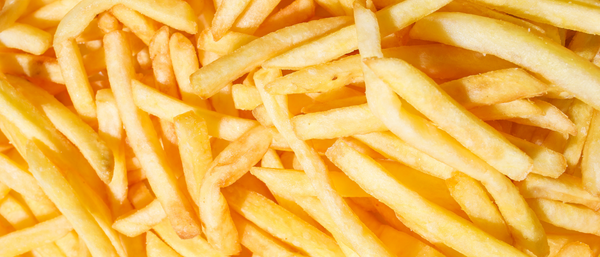
3 Ways Eating Fast Food May Affect Your Gut Health (and How to Protect Your Microbiome)
When life gets busy, meal prep tends to fall to the back of the to do list. Evening trips to the gym, workday meetings, and chauffeuring your kids across town consume your week. On Sunday night, you opt for a well-deserved Netflix binge and agree to trade in tomorrow’s carefully packed salad for a cheeseburger and fries.
It won’t affect your health that much, right?
Quickly, the one-time stop turns into a weekly habit. A few drive-thru visits later, and sneaky gut symptoms begin to show their ugly face.
Studies show that up to 40% of adults live with chronic gut issues. Whether it’s gut dysbiosis, IBS, or heartburn, fast food is an easy way to reverse your progress and leave you feeling bloated and moody. The food you eat really affects your gut health.
What makes fast food so bad for you? Finding out the scientific backing behind fast food and your microbiome is a great way to empower yourself to make healthier choices.
Table of Contents:
- What Is the Gut Microbiome?
- How Foods May Alter Your Microbiome
- Why Is Fast Food Bad for You?
- Is Healthy Fast Food Possible?
- What to Eat Instead of Fast Food
- Trust BodyBio to Enhance Your Gut Health
What is the Gut Microbiome?
The gut microbiota is a colony of trillions of bacteria that make their home in your gut (particularly, the large intestine). They aid in the digestion of fibers and act as part of the immune system. Even though they’re invisible to our eyes, the gut flora is a powerhouse that can affect everything from your skin health to your cellular health.
Within your gut is the age-old story of good versus evil. The good bacteria, empowered by healthy fibers and fats, is ready to take control of your digestive tract and keep you feeling good. When bad bacteria enter the system, it isn’t able to take control. In a healthy gut, bacteria-driven illnesses are often shorter and less severe.
Unfortunately, a lot of people don’t have a healthy microbiome. Poor diets high in processed fats, preservatives, and low fiber intake (doesn’t that sound like the exact recipe for fast food?) aren’t enough to keep a healthy bacteria colony fed. Bad bacteria inevitably take over the gut, causing uncomfortable symptoms like diarrhea, cramping, and irritable bowel syndrome (IBS).
How the Food You Eat May Affect Your Gut
Food is fuel. It’s your body’s primary source of energy and vitality. The everyday food choices we make can strengthen our bodies or break them down. There’s nothing wrong with eating a piece of chocolate or a bag of chips here and there — just make sure you’re looking at the big picture and eating primarily fruits, vegetables, and healthy fats to feed your microbiome.
Why Is Fast Food Bad for You?
Fast food is tempting because it provides very quick nutrients. Only a few minutes in the drive-thru and you’ve got a protein-filled chicken sandwich or burger to get you through the day. Unfortunately, studies show that eating just one fast food meal may alter your microbiome.
Want to learn more about why fast food is bad for you? Here are some reasons you should skip that “quick fix” and spend more time seeking foods that nourish you and your microbiome:
-
Fast Food Severely Lacks Fiber
Fiber has been a staple in the human diet for centuries. Whether from farming or gathering, all cultures know how to grow, cultivate, and cook fibrous foods. Most fiber is actually a prebiotic — meaning it feeds your microbiome, repopulating the good bacteria, and creating a healthy atmosphere in the gut.
That’s the problem with fast food. If you’re lucky, you might see a tomato slice or a piece of lettuce on a burger. But the diversity of fibers in your quick meal is almost non-existent. A steady diet of fast food is a good way to ensure your body isn’t up to the task of fighting off bad bacteria the next time an illness comes knocking.
-
Fast Food Relies on Artificial Trans Fats (or Hydrogenated Oils)
Artificial trans fats are highly processed oils (like canola oil or peanut oil) that have been proven to increase cholesterol, prompt heart disease, and increase the risk of diabetes. Likely, your favorite fast food stop uses these hydrogenated oils in all their meals. Not only are they dangerous for your heart and artery health, but they also promote chronic inflammation in the body. You’ll feel the effects of your burger and fries long after you finish digesting them.
-
Fast Food Triggers Inflammation

Best Probiotic Foods to Ease Digestive Distress and Support Immune System Wellness
Although probiotic supplements can be effective for some, the best way to get more probiotics is through your diet. A quick visit to your grocery store will reveal dozens of tasty fermented foods rich in probiotics that will benefit your health.
Probiotic supplements are famous for their ability to regulate bloating, reverse weight gain, and boost the immune system. But the truth is, there’s little quality control for probiotic supplements. The species in your daily dose may be dead — and they also might not contain the exact bacteria your body needs.
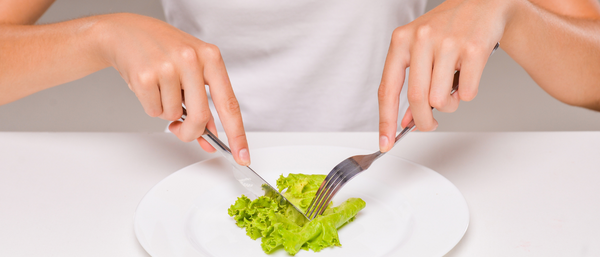
4 Signs Your Restrictive Diet Is Doing More Harm Than Good
Fad diets make a lot of promises. They’ll reboot your confidence, help you fit into your favorite pair of high-school jeans, and cure a chronic illness with smoothies and whole foods.
In a world obsessed with fitness goals and the best celebrity beach bodies, it’s no wonder we believe that altering our appearance is the key to fixing everything. But is it?

Is Your Gut Out of Whack? Gut Dysbiosis Causes, Symptoms, and Treatment

7 Legit Hacks to Heal Your Gut and Feel Your Best

Why Is Fiber Important and How To Eat More High-Fiber Foods
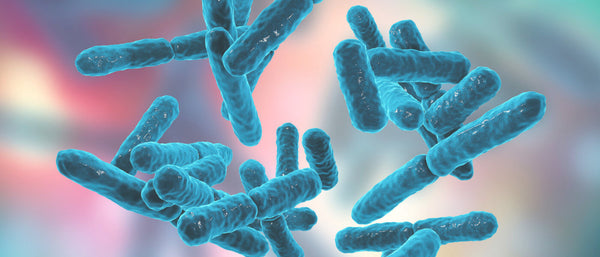
Are Probiotics Good for You? What to Know When Choosing a Probiotic Supplement

The Rise of Digestive Diseases and How to Take Control of Your Gut Health
