

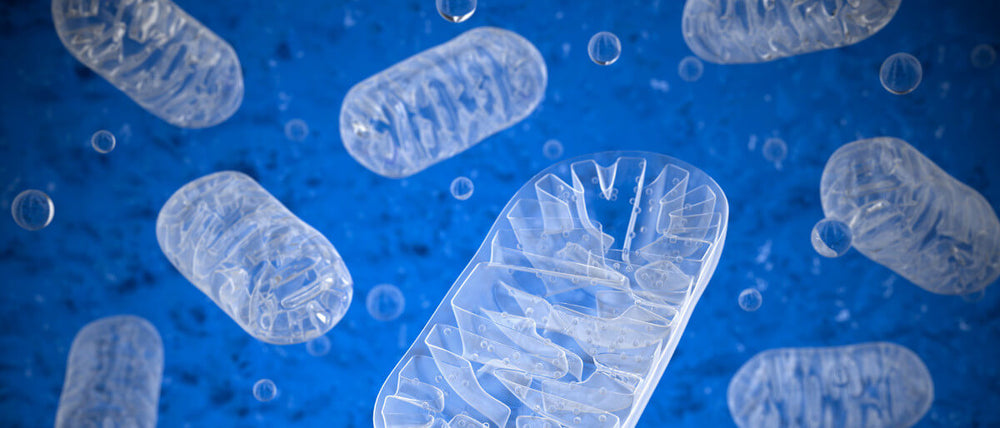
The Lipid Membrane: The Unsung Hero of Cellular Health
The cell membrane, a lipid bilayer just a few nanometers thick, plays a critical role in cellular function by regulating nutrient transport, immune signaling, and maintaining overall cell integrity. Essential fatty acids, like omega-3 and omega-6, are crucial for maintaining membrane fluidity and functionality, which supports energy production, cellular communication, and resistance to degenerative disease.
The Top Brain Exercises to Improve Cognitive Function
Best Foods for Brain Health: Support Memory, Concentration, & Anti-Aging
Environmental Toxins & Their Effects on Health
How to Navigate Election Anxiety & Support Your Mental Health Through Election Season
The Ultimate Guide to Poop Types: What Does Your Poo Say About You?
Zinc for Kids: Should I Give My Kids Zinc?
Sleep: The Super Habit That Could Change Your Health for Good
Akkermansia Muciniphila: An Unrecognized Powerhouse Probiotic
Earthing: The Real Health Benefits of Planting Your Feet on Mother Earth
In his book Earthing: The Most Important Health Discovery Ever? author Clint Ober tells a remarkable story of an elderly man who went from being completely bedridden with advanced rheumatoid arthritis to up and walking around in a matter of days. The only difference? He spent his nights sleeping grounded, connected to the Earth. The man continued to experience improvements, regaining basic abilities like being able to do household chores by himself.
It sounds like science fiction, but physically connecting your body to the Earth has real healing benefits, even the ability to heal chronic disease. This is called earthing, or grounding. And the story above is just one of hundreds of people that have improved their health by reconnecting to the ground.
In this article, we’ll dive deeper into earthing, what it is, earthing benefits, how to ground, and more.
Table of Contents:
- What is Earthing or Grounding?
- Earthing Benefits
- Earthing Products
- Earthing Mat
- Are There Any Negative Side Effects of Earthing?
- Earth Healing: Grounding May Be Essential
What is Earthing or Grounding?
Earthing, also called grounding, is the process of putting your body in direct contact with the earth — grass, soil, sand, bodies of water, and even concrete — to achieve certain health benefits.
The idea is that humans are inherently electrical beings — we need electricity to beat our hearts, pump blood, and perform countless chemical reactions throughout the body. Being mostly water and minerals, we also make excellent conductors. And fortunately for us, we happen to be sitting on a massive source of electrical energy tuned to the exact frequency we need to remain calm, content, and healthy — the Earth.
Earth holds billions of free electrons that we are free to absorb as long as we are physically connected to the ground via skin contact. The Earth generates this electrical energy through thousands of lightning strikes, solar radiation, and deep energy generated from the inner core of the planet. The electrical intensity of the planet rises and falls with the sun, as do our energy levels.
Ancient civilizations, though they knew nothing about electrons, always recognized the healing power of the Earth. They were aware that human health coexisted with the cycles and resources of the planet. Qi (Chinese) and prana (Indian) are two energy sources that partially embody this idea.
If this is all sounding a bit out there, think about how you feel walking barefoot on the beach, or running around the backyard with your dog, or swimming in the ocean. When we are connected to nature, we often feel a sense of contentment and wellbeing that we rarely find anywhere else. That’s what receiving energy from the Earth feels like.
Earthing Benefits
Earthing has real, research-backed benefits that include:
- Reducing inflammation
- Reducing pain, including chronic pain
- Regulating the nervous system and cortisol levels
- Protecting the body from disruptive electromagnetic fields (EMF)
- Reducing jet lag
- Improving blood flow
- Restoring energy
- Improving sleep
- Faster wound healing
- Regulating immunity
- Improving mood
- Reducing blood viscosity (lowering risk of blood clots).
The one requirement to achieve these benefits is prolonged skin contact with the Earth. (Though thin layers of natural clothing, such as 100% cotton socks, don’t seem to hinder the connection much.) A recent study on the potential of carbon fiber plate shoes, aka “grounding shoes,” to improve running performance showed that runners experienced no difference in physiological or perceptual markers with the grounding shoes vs. regular training shoes.
This suggests that the brief moments of contact with the ground while running are not enough to stimulate the effects of grounding on the human body, even over a run time of 20 minutes.
Prolonged skin contact with the Earth is necessary, typically at least a period of 15-20 minutes before you begin to experience noticeable benefits such as relaxation and pain relief. Typically, the longer you are connected, the more benefits you will experience, but everyone is different. Either way, those free electrons are going to work in your body as soon as you step onto the grass in your backyard.
Earthing Products
Earthing is a wonderful habit to get into, even if only for a short amount of time each day. (If you practice earthing in the morning along with getting some morning sunshine, you’re feeding two birds with one scone, so to speak.) But the consistent benefits come from consistent contact, ideally for hours at a time.
Therein lies our problem in our modern, busy lives. How many of us actually have the time to spend with our toes in the sand (or grass, or soil) for hours a day? And while camping may be a fun excursion every now and then, we aren’t likely to be sleeping on the ground every night.
This is why Clint Ober, cable TV pioneer turned grounding expert and advocate, developed the first earthing products. He began with a simple grid of conductive tape that he applied to friends’ beds, connected to a wire and a grounding rod stuck in the Earth outside. This expanded into earthing mats for standing, sitting, or putting on the surface of a desk or counter, sheet sets, a sleeping bag of sorts intended for athletes on the go, and other innovations.
These products simply plug into a grounded outlet and carry the energy of the Earth to you, whether you’re working at your computer, watching TV, or sleeping. Many people have found them immensely beneficial for maintaining their contact with the Earth and reaping the anti-inflammatory, pain relieving, and mood boosting benefits throughout the day.
Earthing Mat
The earthing mat is probably the easiest (and most cost effective) earthing product to try. It’s also handy for traveling and can be moved around to different parts of your home, as long as you have access to a grounded outlet.
If you spend a lot of time on the road, there’s even an auto seat mat option for on the go grounding.
Are There Any Negative Side Effects of Earthing?
Earthing is totally safe and is probably the most natural healing modality you can get your hands (or feet) on.
Earthing products are also safe as long as they are connected to a grounded electrical outlet. You should receive a testing device with your grounding product to gauge this.
While earthing, you are not being shocked or electrocuted in any way. Earthing represents a very subtle transfer of energy from the ground to you. Grounding also protects you from EMF and other harmful radiation from our interconnected world.
Earth Healing: Grounding May Be Essential for a Healthy Mind, Body, and Spirit
It’s tempting to always look for the newest innovations in science and medicine to improve our health, and we certainly aren’t opposed to that type of progress. But sometimes there’s a solution literally right beneath your feet, and you don’t realize it. For issues like chronic pain, mood imbalances, and even conditions like diabetes and heart disease, simply connecting to the Earth each day can play a huge role in restoring health and wellbeing.
Have you tried Earthing and experienced its benefits? Come join our community group on Facebook and tell us about your experience!
3 Ways Eating Fast Food May Affect Your Gut Health (and How to Protect Your Microbiome)
When life gets busy, meal prep tends to fall to the back of the to do list. Evening trips to the gym, workday meetings, and chauffeuring your kids across town consume your week. On Sunday night, you opt for a well-deserved Netflix binge and agree to trade in tomorrow’s carefully packed salad for a cheeseburger and fries.
It won’t affect your health that much, right?
Quickly, the one-time stop turns into a weekly habit. A few drive-thru visits later, and sneaky gut symptoms begin to show their ugly face.
Studies show that up to 40% of adults live with chronic gut issues. Whether it’s gut dysbiosis, IBS, or heartburn, fast food is an easy way to reverse your progress and leave you feeling bloated and moody. The food you eat really affects your gut health.
What makes fast food so bad for you? Finding out the scientific backing behind fast food and your microbiome is a great way to empower yourself to make healthier choices.
Table of Contents:
- What Is the Gut Microbiome?
- How Foods May Alter Your Microbiome
- Why Is Fast Food Bad for You?
- Is Healthy Fast Food Possible?
- What to Eat Instead of Fast Food
- Trust BodyBio to Enhance Your Gut Health
What is the Gut Microbiome?
The gut microbiota is a colony of trillions of bacteria that make their home in your gut (particularly, the large intestine). They aid in the digestion of fibers and act as part of the immune system. Even though they’re invisible to our eyes, the gut flora is a powerhouse that can affect everything from your skin health to your cellular health.
Within your gut is the age-old story of good versus evil. The good bacteria, empowered by healthy fibers and fats, is ready to take control of your digestive tract and keep you feeling good. When bad bacteria enter the system, it isn’t able to take control. In a healthy gut, bacteria-driven illnesses are often shorter and less severe.
Unfortunately, a lot of people don’t have a healthy microbiome. Poor diets high in processed fats, preservatives, and low fiber intake (doesn’t that sound like the exact recipe for fast food?) aren’t enough to keep a healthy bacteria colony fed. Bad bacteria inevitably take over the gut, causing uncomfortable symptoms like diarrhea, cramping, and irritable bowel syndrome (IBS).
How the Food You Eat May Affect Your Gut
Food is fuel. It’s your body’s primary source of energy and vitality. The everyday food choices we make can strengthen our bodies or break them down. There’s nothing wrong with eating a piece of chocolate or a bag of chips here and there — just make sure you’re looking at the big picture and eating primarily fruits, vegetables, and healthy fats to feed your microbiome.
Why Is Fast Food Bad for You?
Fast food is tempting because it provides very quick nutrients. Only a few minutes in the drive-thru and you’ve got a protein-filled chicken sandwich or burger to get you through the day. Unfortunately, studies show that eating just one fast food meal may alter your microbiome.
Want to learn more about why fast food is bad for you? Here are some reasons you should skip that “quick fix” and spend more time seeking foods that nourish you and your microbiome:
-
Fast Food Severely Lacks Fiber
Fiber has been a staple in the human diet for centuries. Whether from farming or gathering, all cultures know how to grow, cultivate, and cook fibrous foods. Most fiber is actually a prebiotic — meaning it feeds your microbiome, repopulating the good bacteria, and creating a healthy atmosphere in the gut.
That’s the problem with fast food. If you’re lucky, you might see a tomato slice or a piece of lettuce on a burger. But the diversity of fibers in your quick meal is almost non-existent. A steady diet of fast food is a good way to ensure your body isn’t up to the task of fighting off bad bacteria the next time an illness comes knocking.
-
Fast Food Relies on Artificial Trans Fats (or Hydrogenated Oils)
Artificial trans fats are highly processed oils (like canola oil or peanut oil) that have been proven to increase cholesterol, prompt heart disease, and increase the risk of diabetes. Likely, your favorite fast food stop uses these hydrogenated oils in all their meals. Not only are they dangerous for your heart and artery health, but they also promote chronic inflammation in the body. You’ll feel the effects of your burger and fries long after you finish digesting them.
-
Fast Food Triggers Inflammation
How to Drink for Your Gut Microbiome: The Effects of Alcohol on the Digestive System
Champagne to celebrate the bride and groom, wine for a fancy Italian date night, and beer for the Sunday night game. We often take it for granted in various situations, for good reason. Alcohol is a common language across the globe and the consumption of it dates back for centuries.
But beyond calorie counting and basic responsible drinking habits, most people don’t think about how wine and other alcoholic drinks affect their health. But alcohol can actually have a severely negative impact on the gut if not consumed with care.
Best Probiotic Foods to Ease Digestive Distress and Support Immune System Wellness
Although probiotic supplements can be effective for some, the best way to get more probiotics is through your diet. A quick visit to your grocery store will reveal dozens of tasty fermented foods rich in probiotics that will benefit your health.
Probiotic supplements are famous for their ability to regulate bloating, reverse weight gain, and boost the immune system. But the truth is, there’s little quality control for probiotic supplements. The species in your daily dose may be dead — and they also might not contain the exact bacteria your body needs.
4 Signs Your Restrictive Diet Is Doing More Harm Than Good
Fad diets make a lot of promises. They’ll reboot your confidence, help you fit into your favorite pair of high-school jeans, and cure a chronic illness with smoothies and whole foods.
In a world obsessed with fitness goals and the best celebrity beach bodies, it’s no wonder we believe that altering our appearance is the key to fixing everything. But is it?