




This background video contains only decorative imagery and does not convey meaningful information.

Featured Article
The Lipid Membrane: The Unsung Hero of Cellular Health
The cell membrane, a lipid bilayer just a few nanometers thick, plays a critical role in cellular function by regulating nutrient transport, immune signaling, and maintaining overall cell integrity. Essential fatty acids, like omega-3 and omega-6, are crucial for maintaining membrane fluidity and functionality, which supports energy production, cellular communication, and resistance to degenerative disease.

4 Signs Your Restrictive Diet Is Doing More Harm Than Good
Fad diets make a lot of promises. They’ll reboot your confidence, help you fit into your favorite pair of high-school jeans, and cure a chronic illness with smoothies and whole foods.
In a world obsessed with fitness goals and the best celebrity beach bodies, it’s no wonder we believe that altering our appearance is the key to fixing everything. But is it?

Probiotics and Postbiotics for IBS: How Do Gut Biotics Help Support IBS Symptoms?
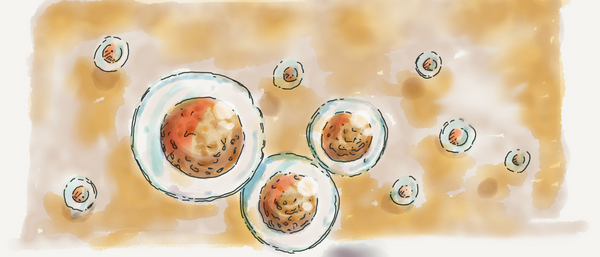
How to Boost Your Cellular Health and Improve Your Healthspan

Neuroplasticity: How to Rewire Your Brain for Better Physical and Mental Health
What if there was a way to change your body by rewiring your brain?
As futuristic as this sounds, scientists around the world are making significant breakthroughs in learning about the brain and body connection.
By taking just a few moments every day to focus on your brain health and thought patterns, you can improve your mood, establish positive habits, and even reduce symptoms of chronic illness.
There’s still a lot we have to learn about how to rewire your brain. But there is significant evidence to show that neuroplasticity is the medicine of the future. Even better, it can be totally free.
What Is Neuroplasticity?
Neuroplasticity refers to the brain’s ability to reorganize information and adapt to different circumstances.
Neuro refers to the neurons in your brain that form certain pathways that help you adapt to your surroundings and anticipate future situations. While plasticity speaks to your brain’s ability to change and interrupt those pathways — influenced by both positive and negative experiences.
For example, trauma (with a capital or little “t”) has a big impact on your brain function. Trauma can drastically alter your neurological pathways — triggering your brain to turn on fight or flight, even in an environment where your body is safe.
Similarly, positive reinforcement and joyful meditation can alter the landscape of your brain, creating new neurological pathways that are trauma-free.
What is the Limbic System?
The limbic system plays an essential role in neuroplasticity. It contains the hippocampus, the hypothalamus, and the amygdala — all responsible for memories, emotions, and regulating stress.
Even if a memory isn’t at the forefront of your mind, the limbic system stores it for you and uses it as a guide for future decision-making.
When exposed to physical or environmental trauma, the limbic system may kick into high gear and trigger the fight or flight response in order to protect you. So rewiring certain thought patterns or trigger reactions often involves calming the limbic system and letting your brain know you’re safe.
Neuroplasticity in Real Life
Neuroplasticity is particularly relevant to today’s world, as society and technology are changing at rapid rates. We may have adapted on the outside by learning how to type, browse the internet, and work an office job, but our brains are still very much programmed for survival in a pre-modern world.
For instance, performing a stressful presentation at work isn’t life-threatening. But your brain hasn’t adapted to recognize that yet. Instead, your anxiety kicks fight or flight into full gear and channels all your energy into the presentation.
This would be an incredible benefit if you were hunting food or being chased by a bear. But these coping mechanisms often cause more harm than good in today’s modern world.
High-stress reactions to relatively low-stress situations are common as our brains are still working to adapt to this new way of living.
The good news is, you have all the tools within you to regulate your limbic system, use neuroplasticity to rewire your brain, and reverse unwanted symptoms of distress.
If you’re experiencing any of the following symptoms, it may be time to rewire your brain:
- Brain fog
- Chronic stress
- Anxiety
- Depression
- Chronic unhealthy habits
- Chronic fatigue
- Unexplained symptoms
- Hormone imbalances
- Long COVID
- Chronic inflammation
-
Unexplained food sensitivities
Neuroplasticity Exercises for Better Health
By incorporating just a few neuroplasticity exercises into your lifestyle, you can improve your brain function, reduce inflammation, and reverse mental distress.
It’s normal for brain work to feel overwhelming at first, so start by adding or changing just a few habits. Once you’re comfortable and feeling better, you can add more as time goes on.
Distract Your Brain
One of the best ways to rewire your brain is to distract it. When you find yourself caught in a mental loop of self-sabotage, start singing one of your favorite songs out loud. If you have extra time, you can immerse yourself in a meditative practice or begin working on an art project.
Just make sure you find something that reroutes your thoughts and creates a new neurological pathway that isn’t caused by stress. That means no negative distractions like violent TV or video games, or eating junk food.
Choose Low Impact Exercise
High-intensity exercises have their place, but if you want to rewire your brain, it may be time to take a break from them. Intense workouts can put your body into a state of chronic stress — since your body can’t discern whether you’re running for fun or from a wild animal.
Replace running, HIIT, and CrossFit with calmer exercises. Yoga, pilates, hiking, swimming, or cycling are all great ways to get your workout in without setting off your limbic system.
Decrease Stress Levels
When chronic stress hormones reach your brain, your limbic system will send a signal to your body that all is not well. Unexplained symptoms and high levels of inflammation can come out of nowhere — that’s why it’s essential to honestly evaluate your stress levels.
If things are getting out of hand, choose to set boundaries at your job, at home, and even with the people you love if they are constantly adding to your stress levels. Nothing you’re doing right now is worth sacrificing your health for.
Practice Gratitude
If this feels like an uncomfortable practice — that’s how you know you need it. Writing in a gratitude journal or listing things you’re grateful for throughout the day is a great way to create new neurological pathways and lead your brain into a more peaceful and contented state. (This can be a simple 2-5 minute practice before you go to bed each night or right after waking up.)
Rearrange Your House
You read that correctly: changing the environment around you is an easy way to send new messages to your brain. By rearranging the furniture in your house or redecorating your walls, you’re opening up your neurological pathways to receive something new.
Let your creativity take over by creating a vision board, or posting photos of happy memories and people you love. And a new cheerful paint color can go a long way!
Inner Child Work/Reparenting
If you experienced trauma as a child, it may be beneficial to go all the way back and rewire your brain from the beginning. It’s surprising how much our early childhood memories continue to have a huge impact on our day-to-day life.
Next time you remember a traumatic event from your childhood, take time to meditate. Talk directly to your younger self and offer them the love and attention you craved during that moment. This will create new neurological pathways in your brain and work to heal past trauma.
You can even find free guided meditations that help you rewire these trauma patterns on YouTube.
Press Pause on Crime Documentaries
Who doesn’t love a good crime documentary?
An adrenaline high brought on by crime documentaries or emotionally intense TV shows can put your body into fight or flight. Since your body doesn’t know how to differentiate types of stress, these forms of entertainment can be harmful if your body is already in distress.
If you’re looking to rewire your brain, press pause on crime documentaries just for a while — until your brain heals and you have more awareness around your stress patterns.
Embrace Your Creative Side
Creative practices like painting, writing, reading, and crafting automatically put your body in a relaxed state. If you’re not taking time out of your day to do the things you love, your body is definitely in distress. Choose any creative practice that makes you feel at peace and commit to working on it three times a week.
Get Adequate Sleep
Putting all the effort into retraining your brain when you’re not focused on getting enough sleep is counter-intuitive. Your body needs sleep in order to rejuvenate and reinforce the positive changes you’re making throughout the day. Studies even suggest that sleep helps to detox your body from unwanted toxins.
Neuroplasticity Therapy
For those experiencing extreme limbic system distress, a neuroplasticity therapy program may be something to consider. Programs like DNRS and Gupta take a deep dive into brain retraining and neuroplasticity recovery. They are believed to help heal symptoms of chronic illness caused by POTS, Lyme Disease, Post COVID Syndrome, Chronic Fatigue Syndrome, Fibromyalgia, and environmentally acquired illnesses like mold toxicity.

Everything You Need to Know About Electrolytes to Optimize Your Summer Fitness Goals

How to Choose the Best Sparkling Mineral Water + Our Recs

What is Ozone Therapy and What Is It Good For?

5 Multi-Purpose Supplements for Natural Menopause Relief
Although it’s often dismissed as “just another phase of life,” menopause represents the body in complete chaos for many women. Symptoms like hot flashes, weight fluctuations, trouble sleeping, and loss of bone density are common, but perhaps the most troubling symptoms are the ones that tend to be openly discussed the least: mood changes.
We are already living in stressful times — dealing with hormonal anxiety, depression, and mood swings on top of situational stress would be enough to push anyone off the mental and emotional deep end. There’s no shame in needing extra support, nutritionally or socially.
You’ll need to find the second kind within your own community, but we can offer suggestions for the first. There are many natural remedies that offer the prospect of relief and support through this major physiological — and in many cases psychological — transition.
In this article, we’ll review some of the best menopause supplements and nutritional support for women experiencing physical, mood, and cognitive health challenges during this time.
Table of Contents:
- Can Supplements Relieve Menopause Symptoms
- Best Menopause Supplements
- Vitamin C
- Vitamin E
- Essential Fatty Acids
- Phosphatidylcholine
- Adaptogens
- Choosing the Right Menopause Supplement for You
Can Supplements Relieve Menopause Symptoms?
We may sell supplements, but we’ll be the first to say that no supplement is a magic bullet for any single issue. That being said, there are supplements that can support women through menopause and tame the effects of fluctuating hormones.*
In terms of supporting the menopausal woman, we can also think about two related areas of health: brain health (aging) and detoxification. When you look at menopause as needing support in all of these areas — hormones, brain health, and detoxification — you get a much more complete picture of a menopausal woman’s needs.
Conventional treatment for menopause symptoms, i.e. hormone replacement therapy, focuses on just one of these pillars. Consequently, this treatment fails for many women, or even makes their symptoms worse.
Best Menopause Supplements
These are some of our favorite supplements for menopause:
- Vitamin C
- Vitamin E
- Essential Fatty Acids (Evening Primrose Oil, Balance Oil, Fish Oil)
- PC
- Adaptogens, such as ginseng and Ginkgo biloba.
Surprised? This is certainly not an exhaustive list of every possible supplement for menopause. These are just the ones that we see as highly supportive of those three key areas — hormones, brain health, and detoxification. As a consequence, they often also balance mood and relieve mental and emotional stress.*
Let’s take a closer look at these supplements and why you should consider them for menopause symptoms.
Vitamin C
It’s boring, but highly effective. Vitamin C is a major antioxidant, supporting detoxification (including hormonal detoxification), balancing your mood, and regulating oxidative stress. It has been known to have antidepressant and anti-anxiety effects and supports the adrenals during times of stress. (Menopause definitely counts as a time of stress!)
Epidemiological studies have shown higher vitamin C plasma concentrations in women, suggesting that women may need more of it than men, and low concentrations in both sexes have been associated with symptoms of aging, including cognitive decline.
In addition to cognitive health and detox support, a 2021 study showed that sufficient levels of vitamin C were associated with greater bone mineral density in postmenopausal women.
A simple, yet high-quality vitamin C supplement may be an excellent place to start for peri, menopausal, and postmenopausal women looking for extra nutritional support. Vitamin C is something of an all-rounder, and its positive effects may even go far beyond addressing your current symptoms.*
Vitamin E
Vitamin E is an underappreciated fat soluble vitamin that also acts as an antioxidant, fighting inflammatory free radicals in the body. Like vitamin C, levels seem to correlate with bone density in postmenopausal women, and low levels are associated with osteoporosis.
Vitamin E may also be supportive of vaginal health for issues like dryness and pain with sex. Vitamin E supports estrogen stability in the body, so for the body undergoing fluctuations in estrogen production, extra vitamin E may help smooth out those waves. Finally, vitamin E may help support consistent sleep for those who are often waking up in the middle of the night.
Essential Fatty Acids (Omega-6 and Omega-3)
Essential fatty acid sufficiency and balance seem to play a key role in managing menopause symptoms.
Evening primrose oil, a significant source of omega-6 fatty acids (linoleic acid and gamma linolenic acid), was shown to alleviate psychological symptoms in menopausal women at a dose of 1 gram twice daily. In the array of psychological symptoms, researchers included depression, decreased energy, decreased concentration power and academic performance, fatigue, mental fatigue, aggressiveness, irritability, loneliness, sleep disruption, and decreased sexual desire.
EPO was also shown to calm hot flashes and night sweats, reducing frequency and severity at a dose of 1 gram twice per day.
Omega-3 fatty acids also seem to support peri- and postmenopausal women, regulating other fatty acids in the body and lowering the prevalence of depression.
Phosphatidylcholine (PC)
PC is the main phospholipid that makes up our cell membranes, facilitating transport of nutrients and waste in and out of the cell, supporting liver detoxification, and complementing healthy aging. A stellar PC supplement will also be able to provide supplemental choline when needed, a key ingredient in our most abundant neurotransmitter, acetylcholine.
With these mechanisms, PC has been shown to reduce fatigue, improve cognition and recall ability, and balance mood,* all issues common to menopause. Similar to vitamin C, PC may act as a nutritional multi-tool for menopausal women.
Adaptogens
A final class of supplements worth mentioning are adaptogens. Chinese medicine has long used various herbs under this umbrella for addressing hormonal imbalances, fatigue, sexual dysfunction, mood swings, and many other issues common to menopause. Adaptogens are unique in that they promote homeostasis whether your body is in a state of excess or deficiency — they help you adapt to reach a middle ground. Some options backed up by scientific studies include:
- Panax ginseng
- Rhodiola rosea
- Schisandra chinensis
- Ginkgo biloba
- Maca root (Lepidium meyenii).
Adaptogens can be highly individual to each person; what works great for one may have no effect at all for another. It may help to consult a traditional Chinese medicine practitioner who can recommend a combination of herbs for your needs.
Choosing the Right Menopause Supplement for You
If you’re completely new to supplements for menopause, investing in something that may support your health across multiple categories — mood, brain health, hormone balance, and detox — is a good idea. This is why seemingly simple interventions like vitamin C or PC can go a long way toward relieving your symptoms.
Of course, making sure you’re eating an anti-inflammatory diet, moving your body on a daily basis, and taking time to relax and practice self-care activities is an important foundation to build for supplements to have their greatest effect. Consult with a trusted healthcare professional if you need guidance on these foundations and how to implement a new supplement regimen.
Learn more about essential fatty acid balance for optimal health here.
